Stay informed with local news updates covering Agudo and the surrounding region. Browse the Hemeroteca for past articles and keep up with what matters in the community.
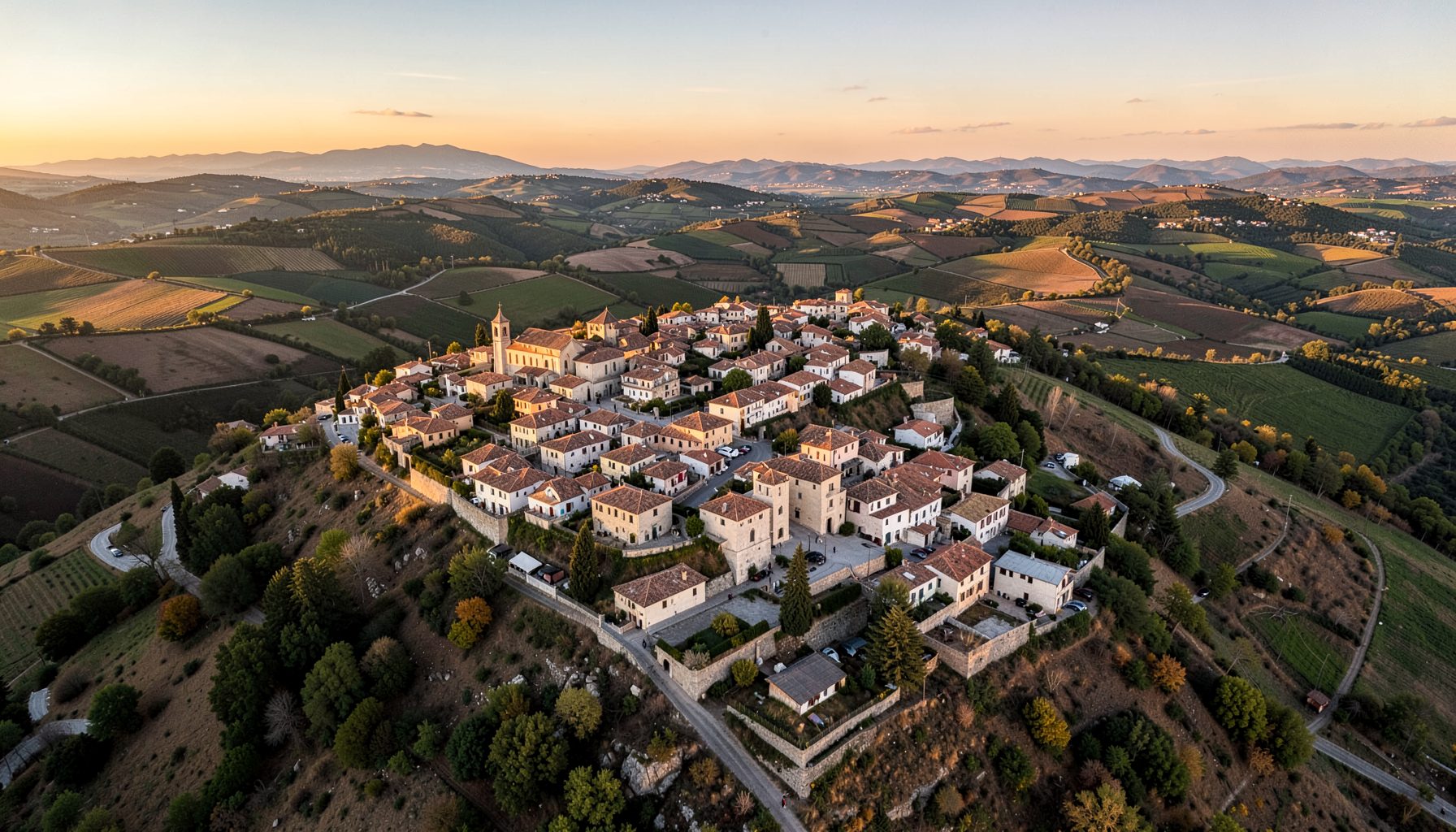
The morning the first panels were pinned to the wooden frame, the small hall in Agudo filled with the chatter of women who had been carrying these names in their heads for generations. A patchwork project unlike anything the region has attempted is now taking shape: a vast quilt, handcrafted by local seamstresses, bearing the name of every hamlet that belongs to this municipality of Ciudad Real. The effort, months in the making, has turned forgotten place names into visible art.
For a town where many hamlets have dwindled to a handful of homes, a chapel and a stone fountain, the quilt is a way of saying that the names still belong to living memory. Each square carries letters cut from cotton, linen and recycled shirts donated by families who once farmed the surrounding plains. The seamstresses, ranging from teenagers to great-grandmothers, have organised themselves into rotating shifts so that the needle never rests.
Similar projects have sparked renewed interest in rural heritage elsewhere, and in Australia the Australian Quilt Guild has long championed regional storytelling through textile art. Visitors from Melbourne and Brisbane who follow the Quilt Show circuit will recognise the impulse, even if the climate, palette and dialects inside the stitches differ wildly. The Agudo project is, however, deeply tied to this stretch of La Mancha, with motifs that echo local embroidery traditions dating back centuries.
Word about the quilt has spread through regional press and community groups, and interested readers can keep up with progress and chatter through the lively community forums at Agudo Ciudad Real, where locals post photographs and where former residents from cities like Sydney and Perth occasionally drop in to share their own sewing memories.
The seamstresses formed the working group during a winter that felt particularly quiet, after several long-time farmhouses were sold to outsiders and the village school closed its doors. Older women taught younger ones how to fold the corners of each letter so that no raw edge would show, and how to size the names so that long words like "Puerto-Herrera" or "La Bienvenida" would fit inside their squares. The rhythm of the needles took on a sound that several volunteers compared to rain on a tin roof.
A retired dressmaker who once supplied boutiques across Castilla-La Mancha with bridal lace is among the most active contributors, bringing her old spool holder and a willingness to mentor. A younger apprentice returned from Valencia looking for a way to reconnect with her grandmother, who used to darn sheets by candlelight. The quilt has become that conversation across three generations, each name passed between hands as faithfully as if it were a recipe.
The seamstresses meet three afternoons a week in what used to be the village classroom, with manzanilla tea travelling alongside the threads.
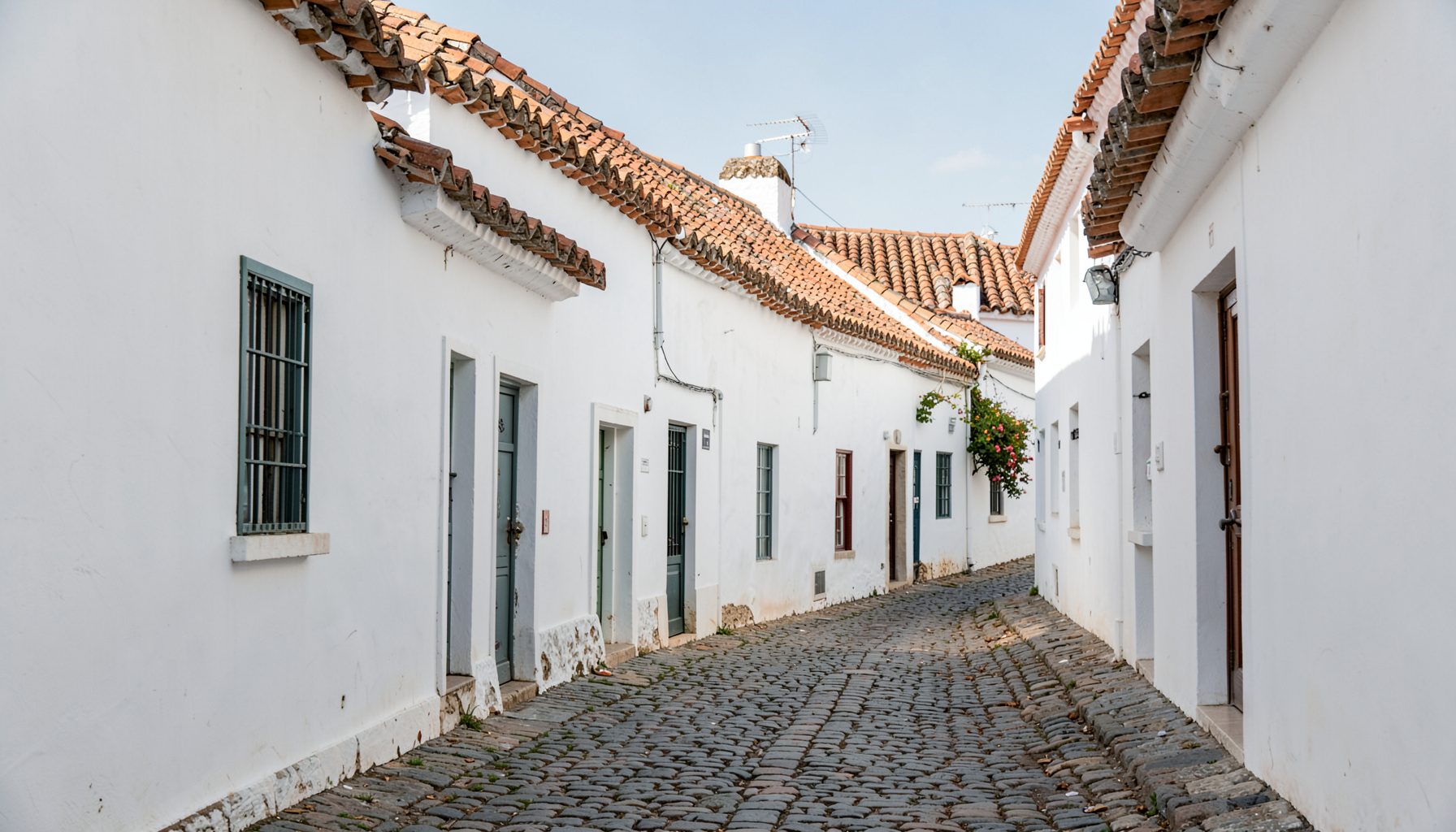
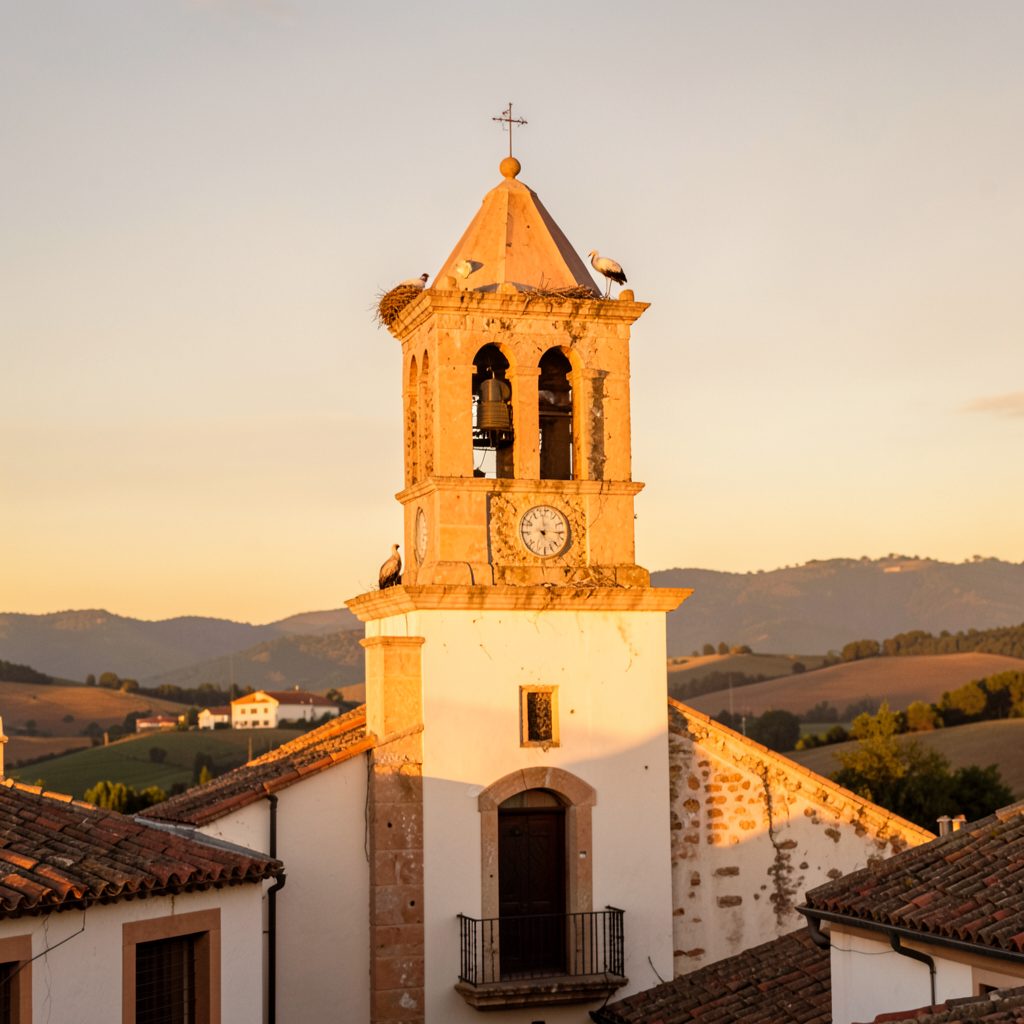
Agudo sits inside a municipality scattered with hamlets so small that some travellers pass through without realising they have entered a settlement at all. Each has its own chapel, sometimes its own patron saint day, and a way of speaking that locals recognise from the first syllable. The quilt deliberately puts these places on the same footing, with no name bolder than another and no hamlet sitting closer to the centre of the composition.
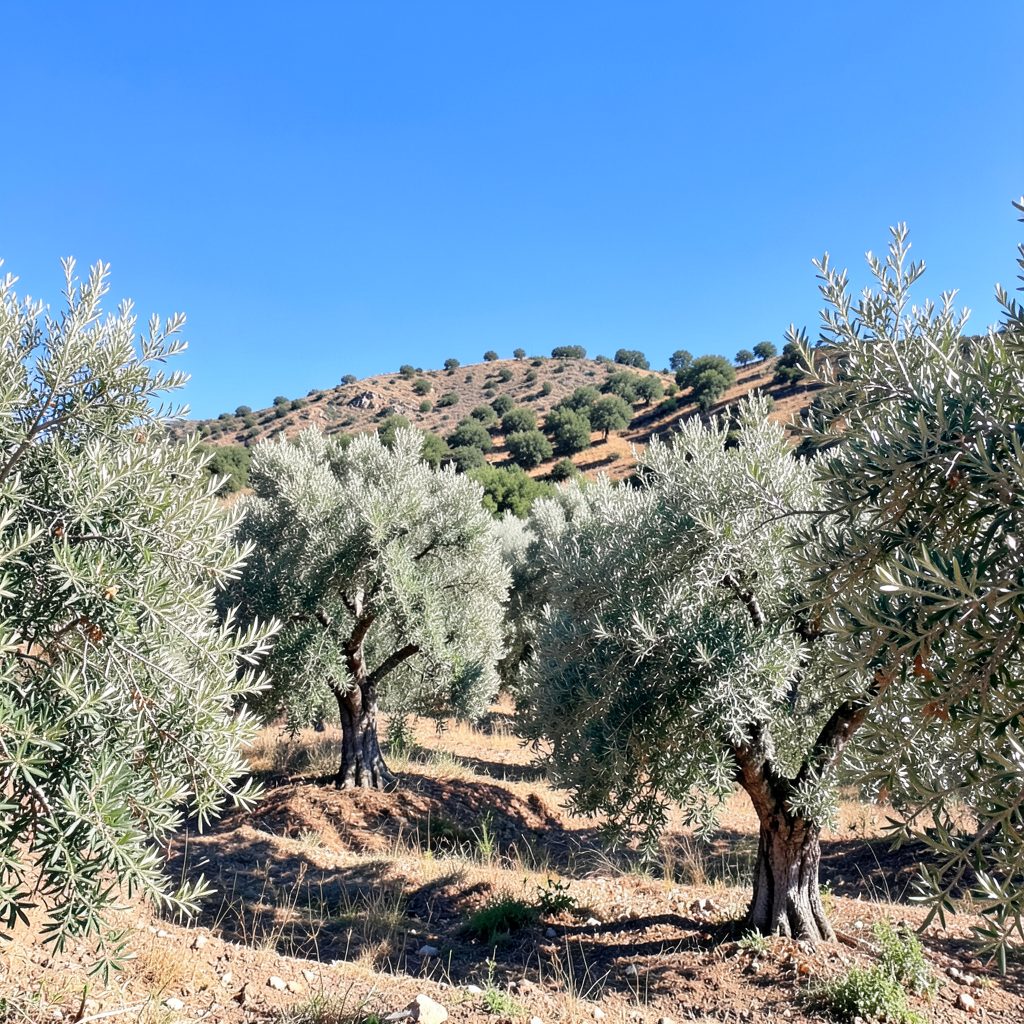
Many of the names trace back to medieval repopulation charts and to livestock trails that crossed the Sierra Morena. Children who grow up in larger Spanish cities are often astonished to learn that their parents still refer to a hamlet by its old nickname, or that the family olive grove was part of a named district rather than a simple postal address. The quilt, when completed, will travel with that story.
Organisers have begun printing leaflets explaining the origin of each hamlet name, to be sold at cultural fairs including the autumn fair at Agudo's old plaza, with proceeds funding next year's textile workshop. Town hall officials believe the quilt may also feature in regional heritage discussions hosted by the Junta de Comunidades de Castilla-La Mancha.
| Project element | Agudo hamlet quilt | Typical Australian community quilt |
|---|---|---|
| Core purpose | Preserve the names of every hamlet | Raise funds or honour a shared story |
| Main organisers | Local seamstresses across generations | Quilt guild members and school groups |
| Typical materials | Donated family linen, natural dyes | Branded quilting cotton and recycled fabrics |
| Funding model | Volunteer labour and small donations | Sponsorships, raffles, sales of smaller quilts |
| Display venues | Town hall, plaza during patron saint festivities | Galleries, conventions such as the AQC in Melbourne |
| Reach | Local, with plans for regional touring | National, with travelling exhibitions and online sales |
The palette draws on the local landscape: rust-coloured clay tiles, bleached ochre fields, slate hills and the deep indigo sky over the Guadiana river. Seamstresses have dyed small batches of cotton using walnut husks, madder root and onion skins, repeating methods from a nineteenth-century needlework manual kept at the parish library.
Squares measure roughly twenty-five centimetres on each side, and the quilt is planned to grow to more than four metres on its longest edge. Each square is reinforced with a thin cotton batting so the finished work can be folded for transport, and a backing of natural linen has been chosen to mimic the rougher domestic linens still used in some older farmhouses. Volunteers have already mapped where the names will go so that geographically neighbouring hamlets sit next to each other.
Donations of thread have arrived from across Spain, and the seamstresses have kept the budget modest. Regulations under Spain's Ley de Subvenciones require detailed reporting for larger grants, so the group relies on volunteer labour and modest private sponsorship rather than heavy paperwork.
The finished quilt will be unveiled during the local patron saint festivities in late summer, with the seamstresses themselves carrying it out of the village hall into the plaza, where it will rest on a frame built for the occasion. After the unveiling it will be displayed inside the town hall for several weeks before touring nearby municipalities, with informal invitations already received from cultural centres in Puertollano, Valdepeñas and Almadén.
A travelling exhibition is planned for the following year at regional museums that focus on rural crafts, where the seamstresses have asked that visitors be allowed to touch the cloth under supervision, connecting the public to the rhythm of the stitches. A short documentary is being filmed alongside, capturing conversations about family, harvest cycles and the slow disappearance of village traditions.
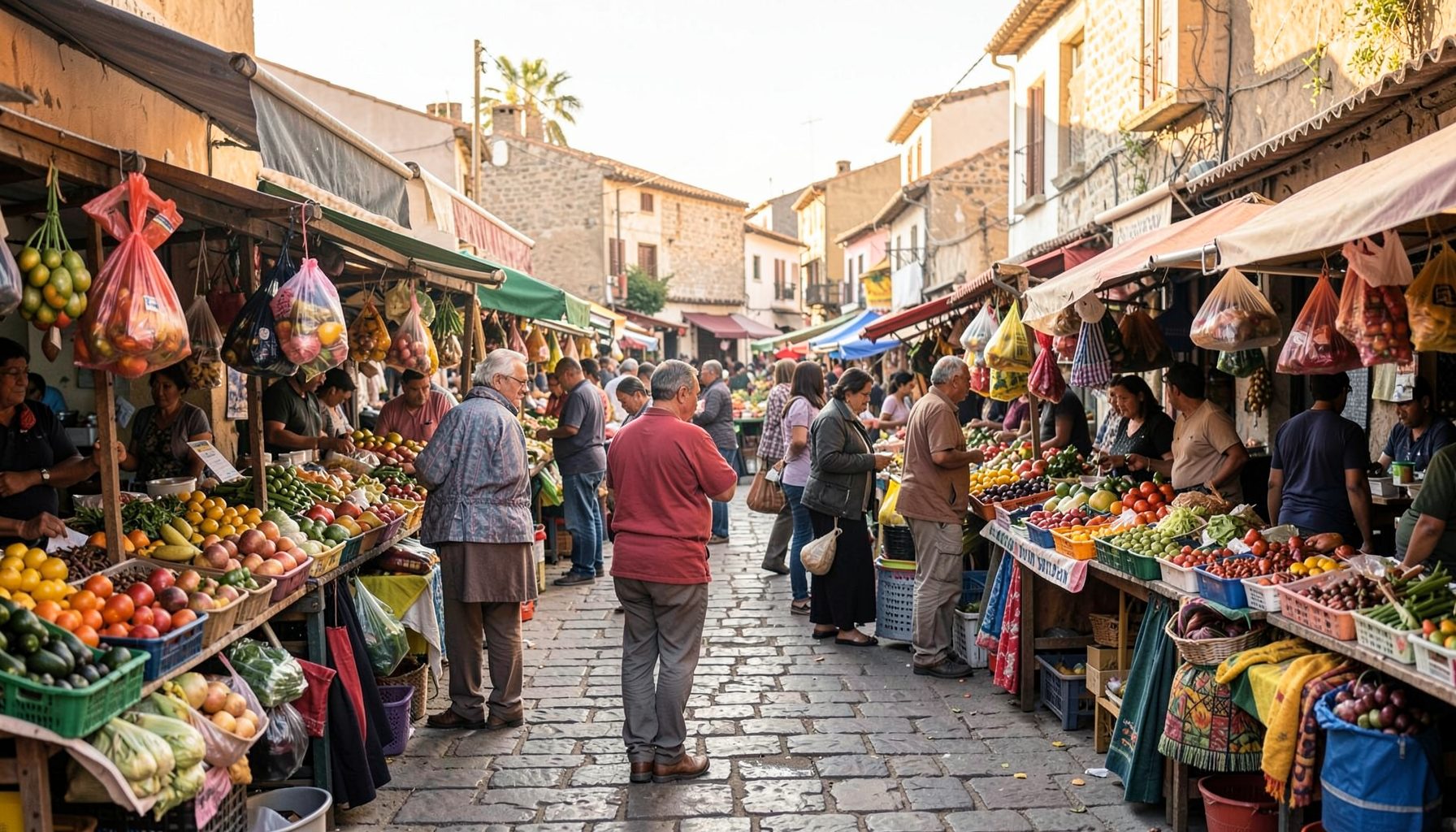
Small embroidered panels are being readied for Christmas markets, local radio stations now mention the initiative, and heritage walking tours include the sewing room during summer weekends. Visitors can volunteer or donate materials through town hall, a simpler process than the formal permits usually required for similar heritage interventions across the European Union.
Quilts that record place names remain unusual, even within Spain's deep textile tradition, and the Agudo project has drawn attention from craft observers worldwide. Community quilting already thrives in Australia, where the Australasian Quilt Convention in Melbourne draws tens of thousands of visitors each year, with guilds producing story quilts documenting personal histories, mine tragedies and bushfire recovery efforts.
Fabric often begins its second life in Australian op-shops run by the Salvation Army and St Vincent de Paul, where quilters find affordable cotton for long-running projects. The habit echoes the donation-driven spirit of the Agudo workshop and shows how communities keep textile traditions alive across very different geographies. Australian rules also matter: anyone selling handmade goods for profit must register for GST once turnover crosses the relevant threshold, and consumers are protected by the Australian Consumer Law, which guarantees that marketed products are accurately described.
Take a moment to follow the conversation over at Agudo Ciudad Real, where seamstresses post new photographs every Friday and where readers from across Australia already share their own reflections on quilt-making and rural memory; consider joining the discussion threads that bring together former residents, weekend makers and travelling quilters from both Spain and Australia.
Stay informed with local news updates covering Agudo and the surrounding region. Browse the Hemeroteca for past articles and keep up with what matters in the community.
Join the conversation in the Agudo community forums. Access the Foro antiguo archive and participate in discussions with fellow residents and visitors.
Browse local second-hand listings in the Agudo area. A convenient marketplace for buying and selling within the community.
Explore our directory of recommended links, including the Ayuntamiento de Ciudad Real, Lagunas de Ruidera, Parque de Cabañeros, Agudo Joven, and Balneario Cervantes.
Access practical tools including Prensa links, radio, horóscopo, Loterías results, a leisure guide, recipes, a dictionary, and Street View integration.
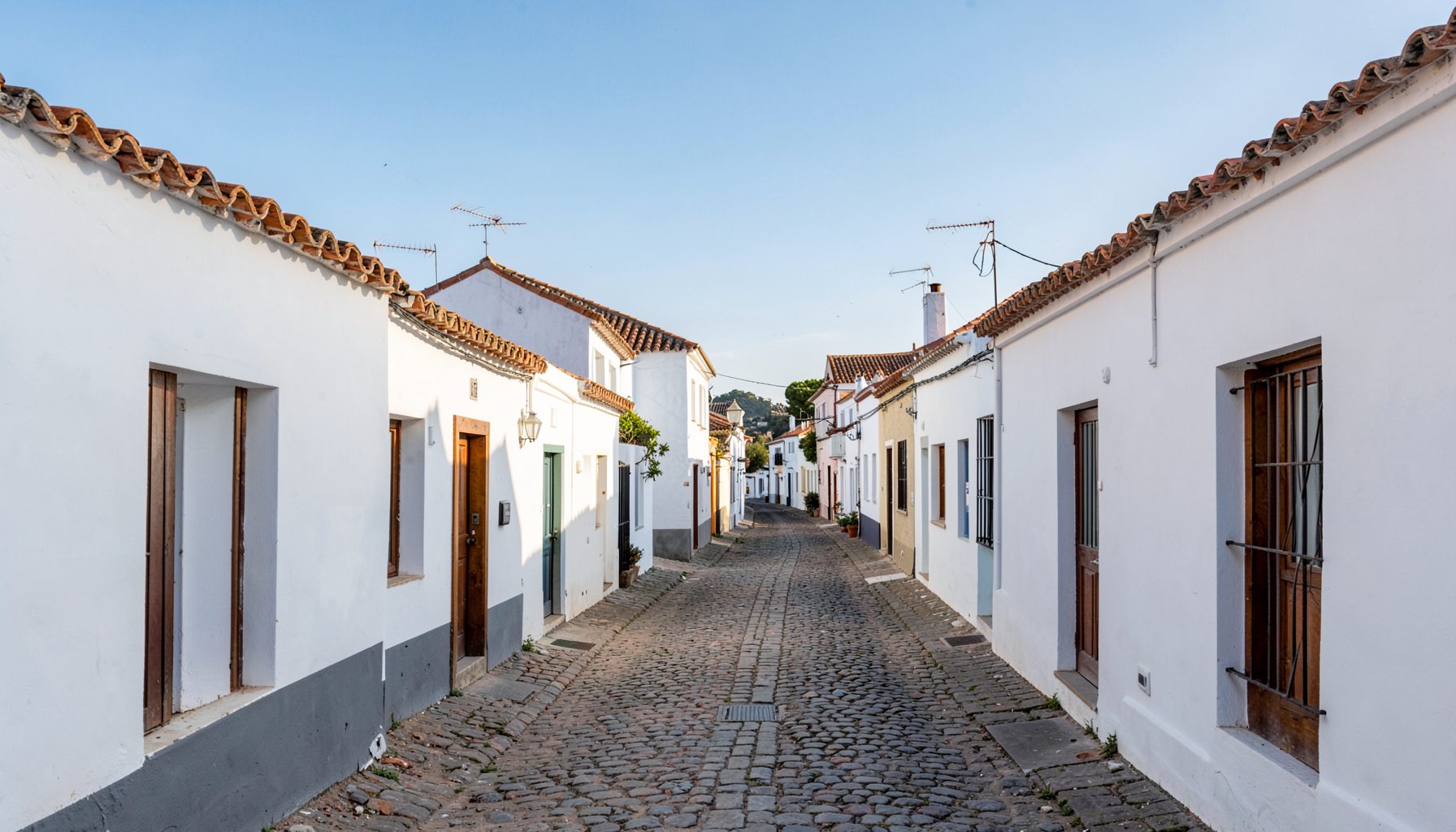
Watch videos showcasing Agudo and the surrounding region. A visual tour of local life, landscapes, and community events.