


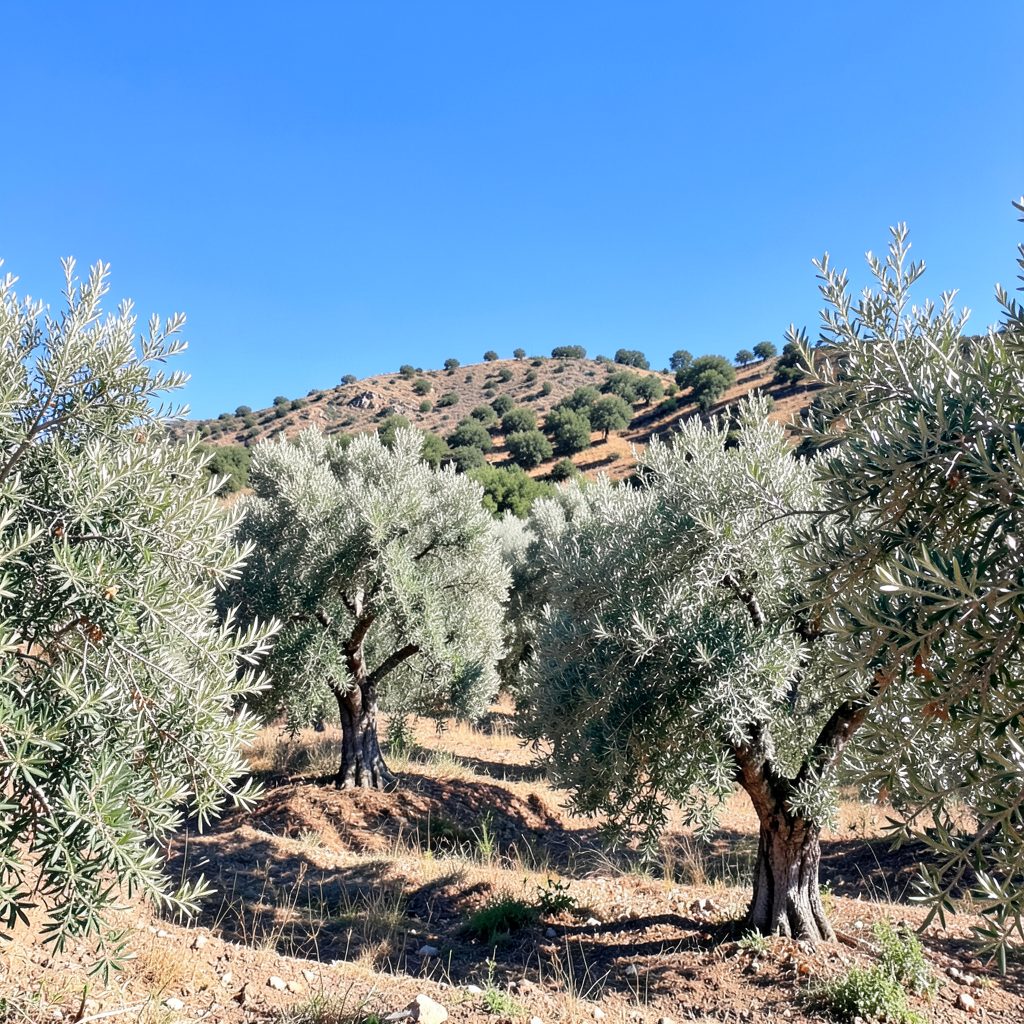
Stay informed with local news updates covering Agudo and the surrounding region. Browse the Hemeroteca for past articles and keep up with what matters in the community.

A local pharmacist in Agudo is offering free blood pressure checks every Tuesday morning in the shop, giving residents a simple way to keep an eye on an important part of their health. The service is particularly useful for people who may not have checked their blood pressure recently or who find it difficult to arrange a separate appointment with a doctor.
Regular monitoring can help identify high readings before symptoms appear. The weekly service also creates an opportunity for practical advice, including when to repeat a measurement, how lifestyle can affect blood pressure and when a result should be discussed with a medical professional.
High blood pressure, also known as hypertension, often develops quietly. A person can feel well while their readings are gradually rising, which is why occasional checks are valuable even when there is no headache, dizziness or other obvious warning sign.
A pharmacy-based service removes some of the friction from preventive healthcare. Residents can visit while collecting a prescription, buying ordinary health products or completing errands in the town centre. Because the check is available every Tuesday morning, it can become part of a regular weekly routine rather than something postponed indefinitely.
For older adults, people with a family history of hypertension and those managing diabetes or kidney disease, monitoring may be especially relevant. Anyone already taking blood pressure medicine should continue following their prescriber’s instructions and should not change a dose based on a single pharmacy reading.
A blood pressure check is generally quick and straightforward. The customer sits quietly for a few minutes, places an arm in the correct position and allows the pharmacist or trained staff member to take a reading with a cuff. The result usually includes systolic pressure, diastolic pressure and pulse rate.
Small details can influence the result. Recent exercise, caffeine, smoking, a full bladder, stress or talking during the measurement may temporarily push the numbers higher. A calm reading taken after a short rest is more useful than a hurried measurement immediately after walking across town.
If the first result is unexpectedly high, the pharmacist may recommend resting and repeating it. That does not amount to a diagnosis, but it can indicate that a GP or other qualified health professional should assess the person more fully. Severe symptoms require urgent medical attention rather than a routine Tuesday check.
Community pharmacies are often easier to access than a medical clinic, particularly for people who work irregular hours, care for relatives or live some distance from a health centre. A free service can also remove a financial concern and make preventive checks feel less formal.
That practical role will sound familiar to many people in Australia, where a chemist may be part of the weekly rhythm for a household. Someone in Wagga Wagga, Geelong or suburban Brisbane might combine a pharmacy visit with a grocery run, school drop-off or trip to the post office. In Spain, the local farmacia can play a similarly visible role in everyday community life.
The arrangement is not a replacement for a GP appointment. In Australia, a pharmacist can provide useful screening and referral guidance, while diagnosis and ongoing treatment remain matters for an appropriately qualified clinician. Medicare may help with GP care, but access and waiting times vary between cities, regional towns and remote communities.
Blood pressure is recorded with two figures. Systolic pressure is the force as the heart contracts, while diastolic pressure is the pressure between beats. A single measurement is only a snapshot, so a pattern recorded over several days can provide more useful information than one isolated result.
People should avoid comparing their reading casually with a friend’s or treating a lower number as automatically better. Age, medical history, pregnancy, medicines and other conditions can affect what advice is appropriate. The pharmacist can explain the result in general terms and suggest the next sensible step.
| Reading pattern | Sensible next step |
|---|---|
| Within the person’s usual range | Keep a record and continue routine care |
| Higher than expected once | Rest, repeat the check and discuss it with the pharmacist |
| Repeatedly elevated | Arrange a medical review with a GP or treating clinician |
| High reading with chest pain, severe breathlessness, weakness, confusion or vision changes | Seek urgent medical help immediately |
A notebook or phone record can include the date, time, reading and any relevant notes, such as exercise or coffee beforehand. This information can help a clinician distinguish a temporary rise from a persistent pattern.
A Tuesday morning health check is a modest service, yet it can strengthen the connection between a shop, its customers and the wider community. Residents who do not regularly attend health appointments may receive an early prompt to pay attention to cardiovascular risk. Family members can also encourage an older relative to attend without making the visit feel alarming.
Local information matters here. Community notices often reach people through conversations, noticeboards, local radio and social media, as well as news websites. Readers can follow the Agudo community portal for local updates, municipal information, events and other practical notices connected with life in the area.
There is a similar pattern in Australian regional communities, where a pharmacy, newsagent, footy club or council noticeboard can become a trusted source of everyday information. In a small town, a useful health reminder can travel quickly by word of mouth, from the main street to nearby properties and neighbouring villages.
Anyone planning to use the service can make the appointment more informative by preparing a few simple details in advance. It helps to know the names or packaging of current medicines, bring previous readings if available and mention any relevant medical conditions.
The following habits can support a calm and useful check:
The free Tuesday morning checks offer a practical starting point for better awareness, whether someone lives in Agudo or is familiar with the equally community-focused pharmacy culture found across Australia. Residents can use the service as an opportunity to learn their usual numbers, keep a clear record and act promptly when professional advice is needed.
Visit the pharmacy on Tuesday morning for a free check and share the notice with neighbours, relatives and anyone who may benefit from an easy, local health reminder.
Stay informed with local news updates covering Agudo and the surrounding region. Browse the Hemeroteca for past articles and keep up with what matters in the community.

Join the conversation in the Agudo community forums. Access the Foro antiguo archive and participate in discussions with fellow residents and visitors.
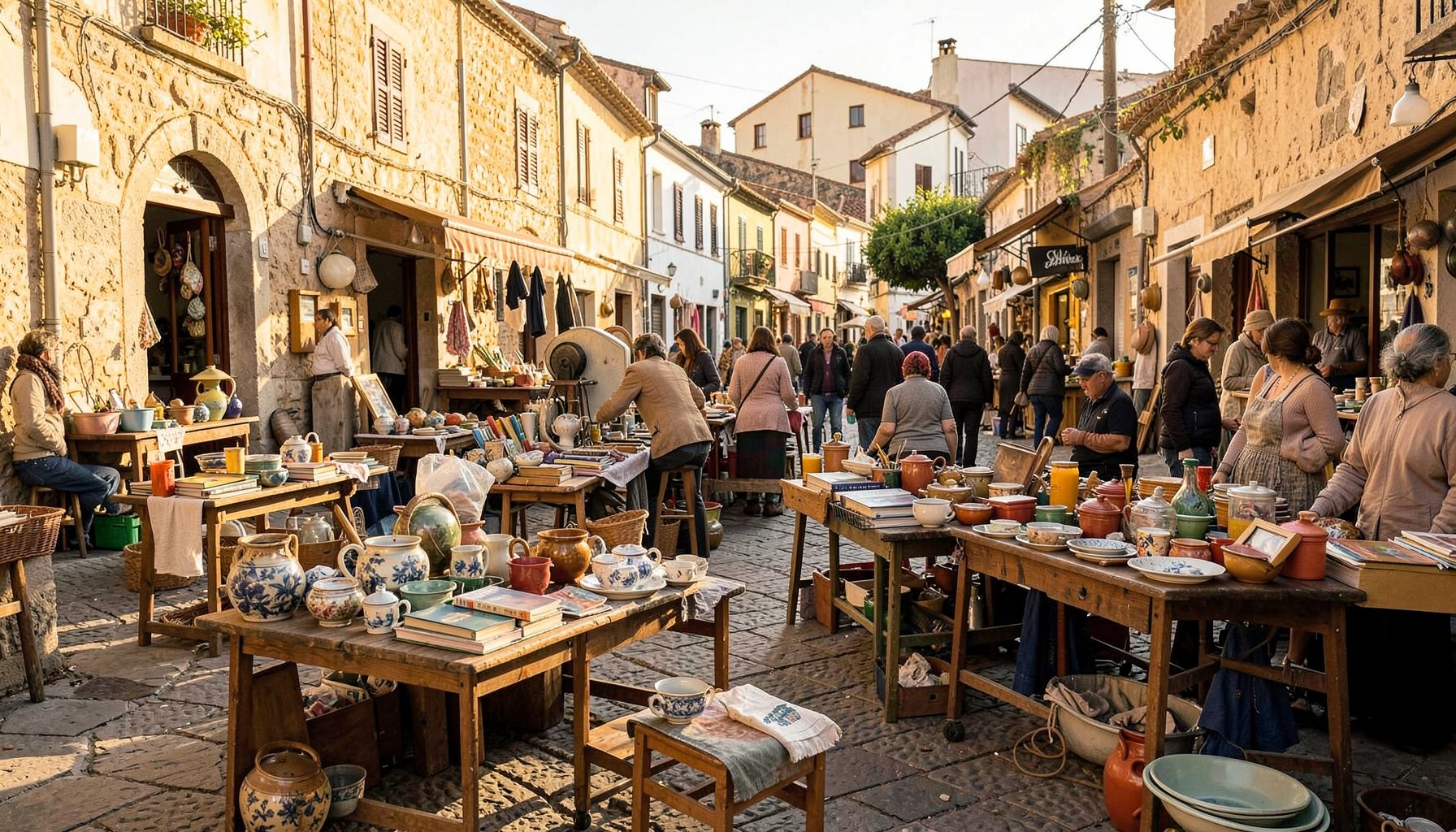
Browse local second-hand listings in the Agudo area. A convenient marketplace for buying and selling within the community.

Explore our directory of recommended links, including the Ayuntamiento de Ciudad Real, Lagunas de Ruidera, Parque de Cabañeros, Agudo Joven, and Balneario Cervantes.
Access practical tools including Prensa links, radio, horóscopo, Loterías results, a leisure guide, recipes, a dictionary, and Street View integration.

Watch videos showcasing Agudo and the surrounding region. A visual tour of local life, landscapes, and community events.