

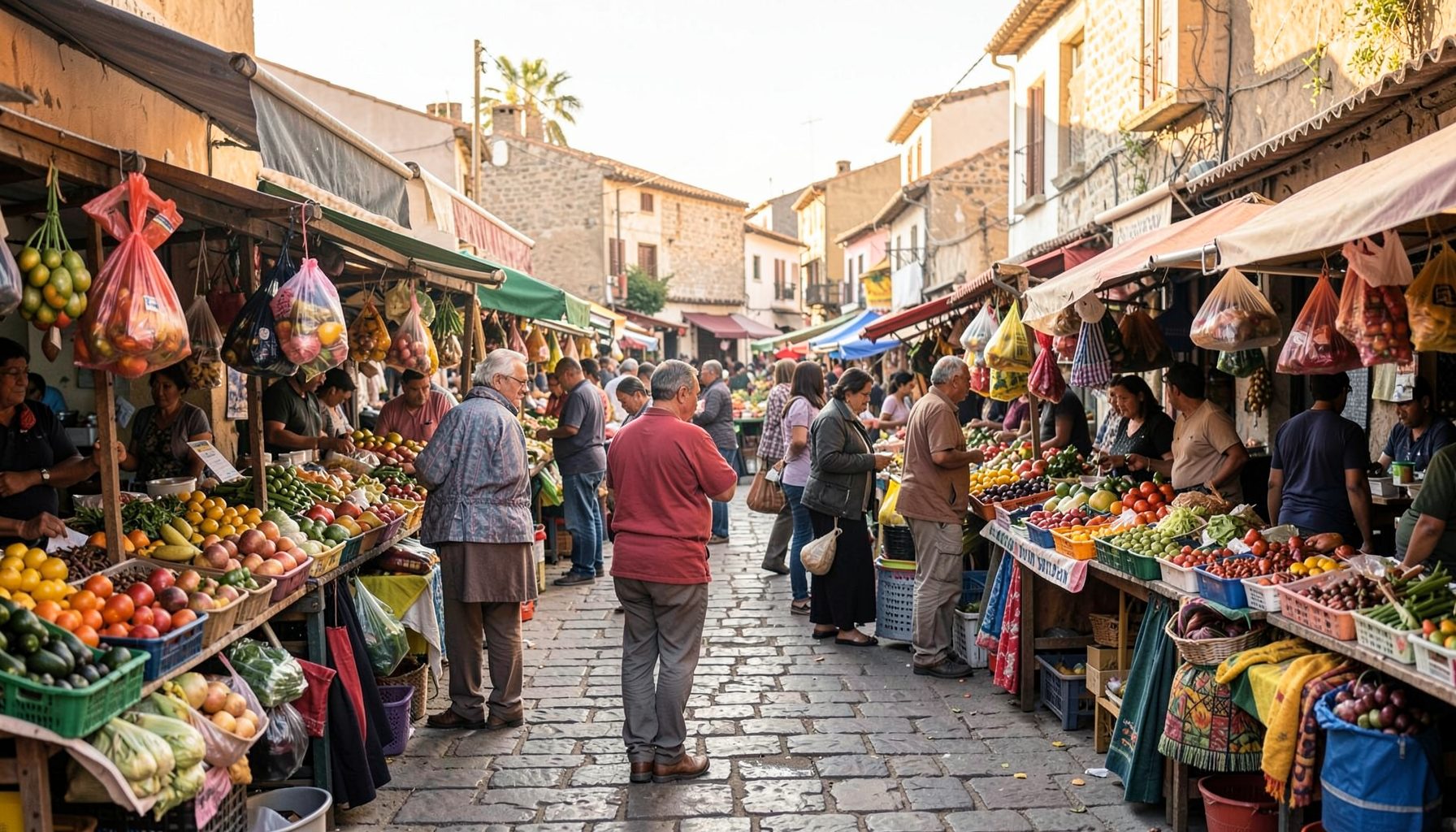
Stay informed with local news updates covering Agudo and the surrounding region. Browse the Hemeroteca for past articles and keep up with what matters in the community.

An olive oil cooperative in Agudo is launching a subscription box designed to keep overseas residents connected with the flavours, customs and seasonal rhythm of home. Each delivery will bring extra virgin olive oil from the Campo de Calatrava area to former residents, Spanish families and food lovers living abroad.
For Australians, the idea has a particularly practical appeal. Spanish communities in Melbourne, Sydney, Perth and Adelaide already value quality olive oil, while Australian home cooks are increasingly interested in traceable produce, regional food stories and direct relationships with producers. The box turns a pantry staple into a regular link with Agudo.
The cooperative’s new service will allow subscribers to receive olive oil several times a year rather than arranging a one-off purchase. The plan is aimed at people who left Agudo for work, study or family life and now live far from Ciudad Real. It also suits customers who discovered the town through relatives, travel or local food networks.
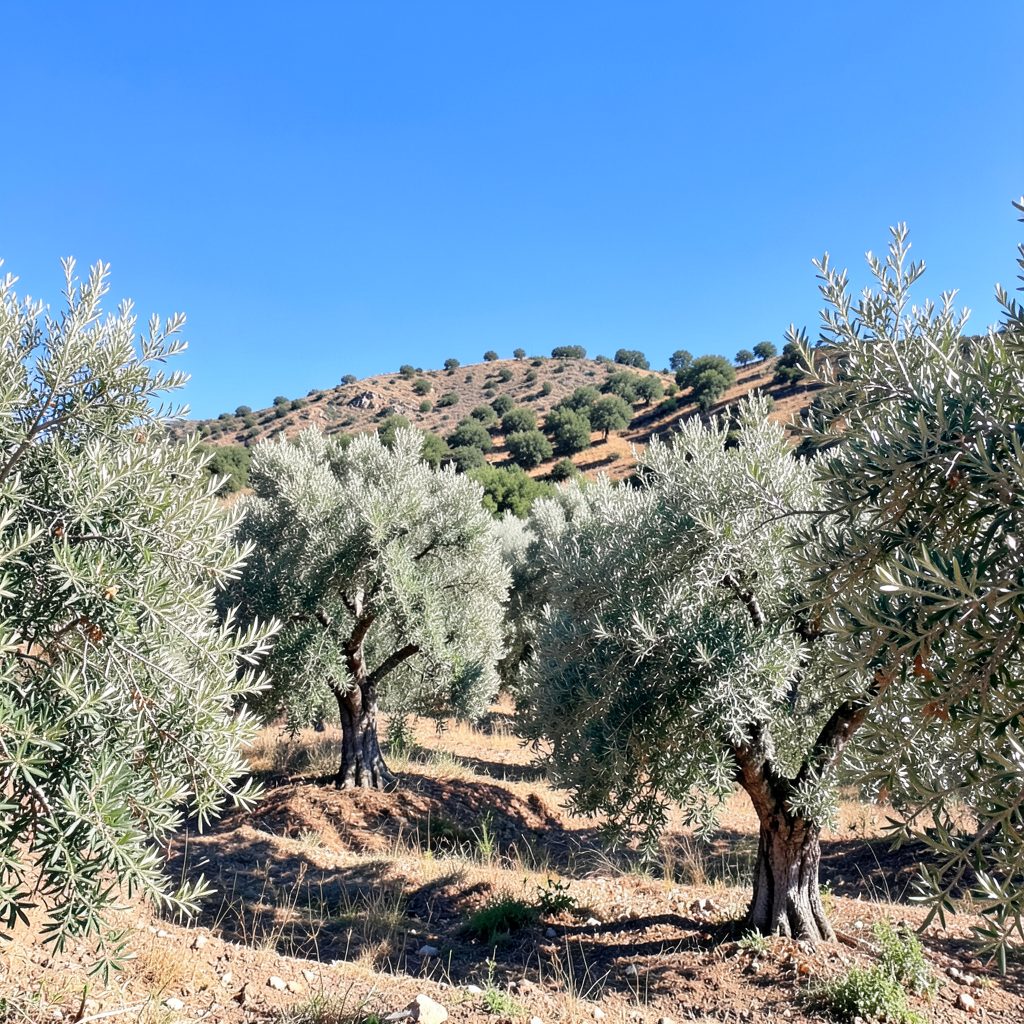
The centrepiece will be locally produced extra virgin olive oil, pressed from olives grown in the surrounding countryside. Depending on the harvest, shipments may include different formats, tasting notes and information about the grove, pressing date and agricultural work behind the bottle.
The launch adds a personal dimension to the cooperative’s commercial activity. Instead of treating oil as an anonymous supermarket product, the subscription presents it as a parcel from a recognisable landscape, carrying the scent of the olive harvest to Brisbane, Canberra or a small town in regional Victoria.
A typical box could include one or more bottles or tins, a seasonal note from the cooperative and a small selection of local products. The precise contents may vary, since harvest volumes, packaging costs and international delivery conditions can change from one season to the next.
Possible additions include artisan biscuits, dried herbs, preserves or recipes using olive oil in traditional manchego cooking. Such extras would give subscribers a fuller experience without making the package unnecessarily heavy. Durable packaging will be essential, particularly for long-distance deliveries handled through multiple distribution centres.
Readers following developments from the area can also place the initiative within the wider life of Agudo by visiting local news updates. The subscription is a business launch, yet it also reflects the community role of cooperatives, which often support local employment, farming knowledge and rural identity.
The cooperative will need to balance a warm, personal offer with the realities of international fulfilment. Olive oil is comparatively robust, but heat, light and rough handling can affect its condition. Dark glass, tins, protective inserts and clear storage advice will be important for customers in Australia, where parcels may spend time in hot delivery vehicles or on exposed verandas.
Australian buyers are familiar with direct-to-consumer food orders, from Victorian wine clubs to farm boxes delivered around Sydney’s inner west. They will also expect transparent shipping charges, tracking and a simple way to pause or cancel a recurring order. A clear price in Australian dollars could make the service easier to understand than a checkout that changes currency at the final step.
Import requirements should be communicated carefully. Commercially packed olive oil is generally more straightforward to bring into Australia than fresh plant material, but subscribers still need accurate information about customs declarations, taxes and delivery restrictions. Any applicable GST, duties or biosecurity checks should be confirmed before payment.
A cooperative can offer different frequencies to match household size and cooking habits. A single-person household in Perth may prefer a smaller shipment every three months, while a Spanish-Australian family in Melbourne could use a larger box more often. Flexible plans would also help people who spend part of the year travelling.
The table below shows how several possible formats could serve different customers. Final prices would depend on bottle size, freight rates, packaging and the number of boxes sent in each shipment.
| Subscription style | Suitable for | Main benefit | Point to consider |
|---|---|---|---|
| Small quarterly box | Individuals and occasional cooks | Lower commitment and easier storage | Higher delivery cost per bottle |
| Family seasonal box | Larger households and regular cooks | Better value for frequent use | More space and careful handling required |
| Gift subscription | Relatives and friends overseas | A memorable birthday or holiday present | Recipient details must remain current |
| Premium harvest box | Food enthusiasts and collectors | Limited batches and detailed tasting notes | Availability may vary by season |
A seasonal model may be especially effective because it follows the agricultural calendar. Subscribers could receive a harvest edition after pressing, a mid-year pantry box and a later delivery featuring recipes or products suited to cooler weather. This rhythm feels more meaningful than an automatic parcel arriving without context.
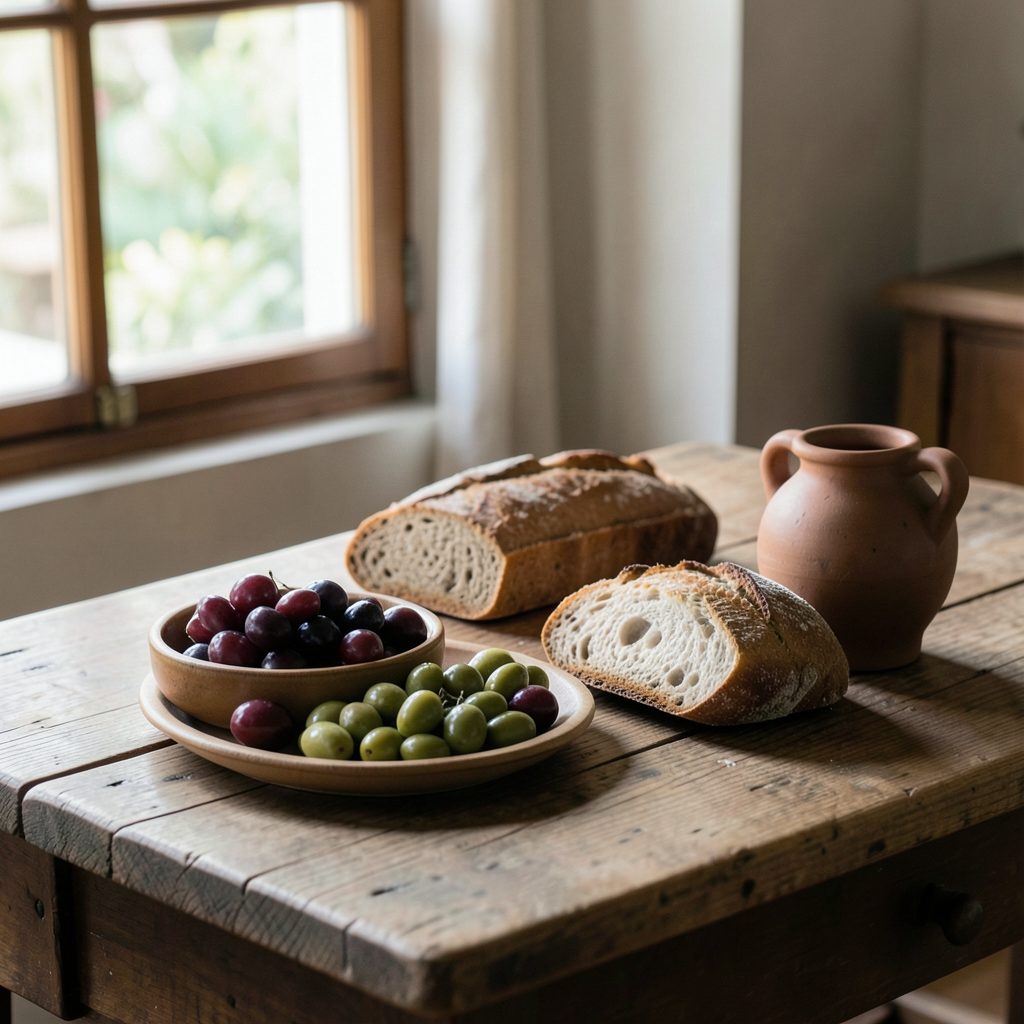
For people from Agudo living abroad, the box can restore small routines that are easy to lose. A drizzle of familiar oil over toasted bread, a family recipe prepared on a Sunday or the smell of olives in a kitchen can bring back a street, a relative or a particular time of year.
Australian food culture gives the product room to travel beyond Spanish households. Olive oil is used in salads, sourdough, grilled vegetables and seafood, from a weekend barbecue in Newcastle to a quick weeknight meal in Adelaide. Local shoppers often respond well when producers explain where food comes from and how it was made.
The language of the offer should remain accessible. Terms such as “proper value”, “a good drop” and “no-fuss delivery” can make the service sound natural to Australian customers, while Spanish descriptions of the grove and harvest preserve its local character. The strongest presentation will respect both audiences rather than flattening the product into generic gourmet branding.
A successful overseas food subscription depends on practical information as much as attractive packaging. Customers should be able to see the delivery timetable, bottle sizes, renewal date and cancellation conditions before they subscribe. These details are particularly important for people who move between addresses or spend several weeks away.
The cooperative may also need a customer service system that works across time zones. Email support, a parcel tracking link and prompt updates about delays would help build confidence. A short guide explaining how to store the oil—away from heat and direct light—would protect the quality once the box arrives.
Before placing an order, subscribers should check:
For gift buyers and expats, these details can prevent common delivery problems:
The cooperative could strengthen trust by publishing photographs of the packing process and explaining how damaged bottles are replaced. That transparency matters in Australia, where customers have become accustomed to delivery notifications and responsive online retailers.
The subscription model gives the cooperative a predictable relationship with customers beyond the local harvest season. Regular orders can support planning for bottles, labels, cartons and freight, while customer feedback can show which formats appeal to overseas households.
It may also create new opportunities for Agudo producers. A subscriber who first orders olive oil could later seek local honey, cheese, preserves or craft products. A carefully managed box would introduce the wider area without overwhelming customers or compromising the central identity of the oil.
Local visibility will help the launch reach people who have a personal connection with the town. Community reporting, family networks and diaspora groups can all play a role, much as residents follow other civic developments through coverage of traffic calming proposals. The same community channels that share municipal news can help former residents find their way back to local producers.
The first shipments will show whether the concept can combine emotional appeal with dependable logistics. If the cooperative gets that balance right, an olive oil box can become more than a recurring purchase: it can be a practical, carefully packed reminder of Agudo, sent from the plain of Ciudad Real to kitchens far beyond Spain.
Subscribers can follow the cooperative’s launch information through local community channels and look for confirmed details on box sizes, dispatch dates and international delivery before ordering. For overseas residents who miss the taste of home, signing up when the first seasonal allocation opens will be the clearest way to support the producers and bring Agudo to the table.
Stay informed with local news updates covering Agudo and the surrounding region. Browse the Hemeroteca for past articles and keep up with what matters in the community.

Join the conversation in the Agudo community forums. Access the Foro antiguo archive and participate in discussions with fellow residents and visitors.
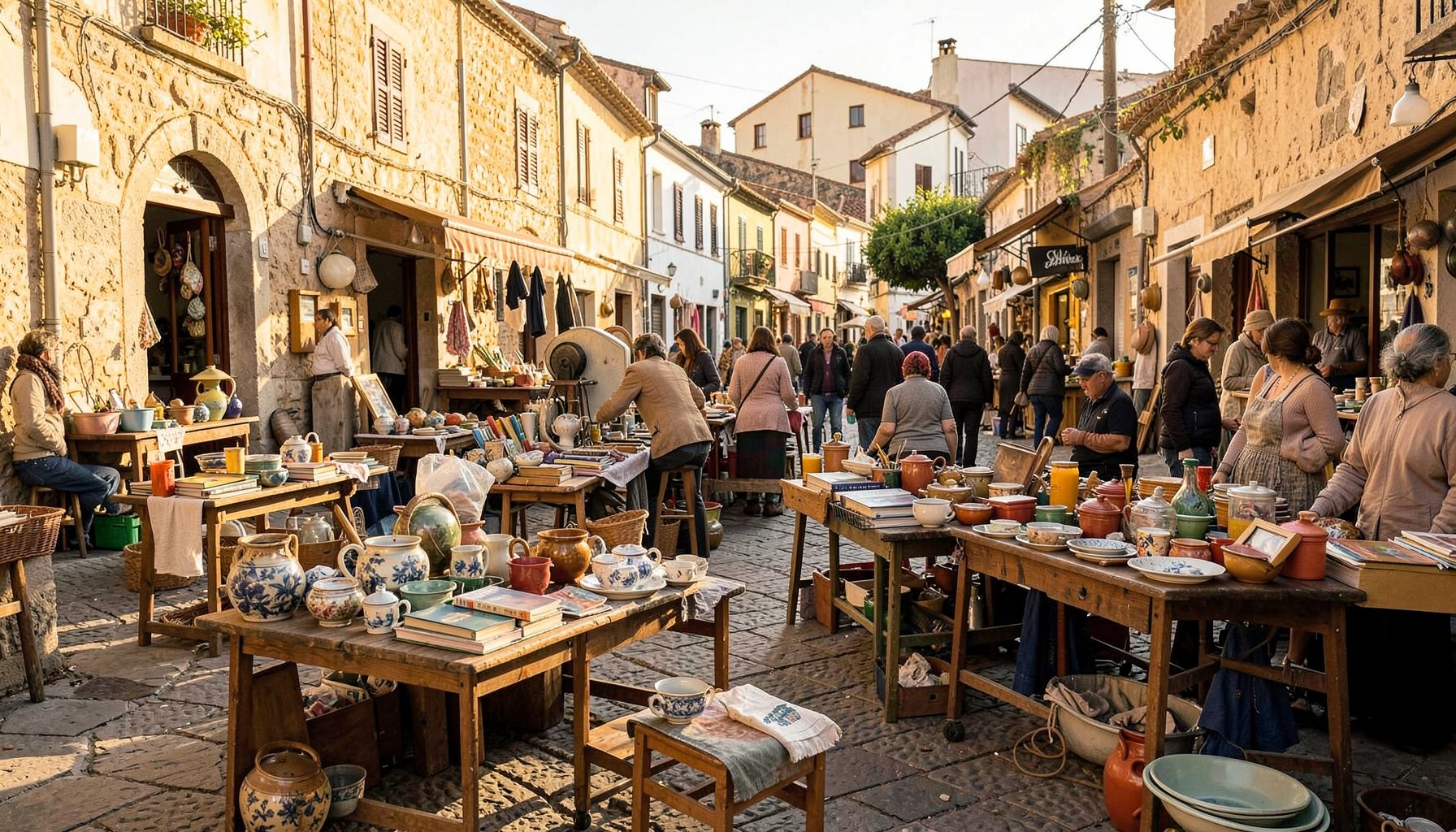
Browse local second-hand listings in the Agudo area. A convenient marketplace for buying and selling within the community.

Explore our directory of recommended links, including the Ayuntamiento de Ciudad Real, Lagunas de Ruidera, Parque de Cabañeros, Agudo Joven, and Balneario Cervantes.
Access practical tools including Prensa links, radio, horóscopo, Loterías results, a leisure guide, recipes, a dictionary, and Street View integration.

Watch videos showcasing Agudo and the surrounding region. A visual tour of local life, landscapes, and community events.