
Stay informed with local news updates covering Agudo and the surrounding region. Browse the Hemeroteca for past articles and keep up with what matters in the community.
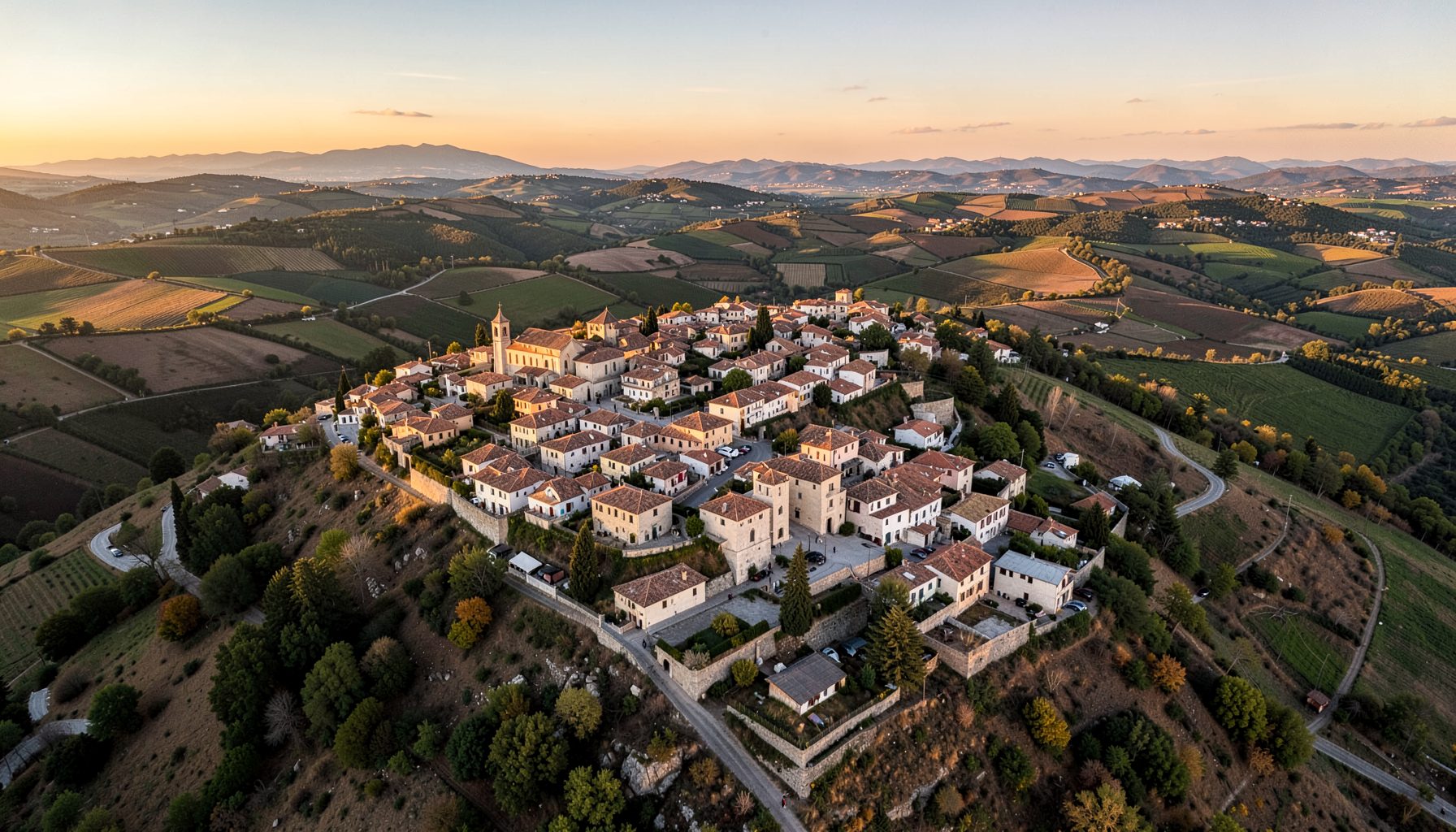
A local hunters’ association in Agudo is preparing a birdwatching morning in the dehesa this March, offering residents a chance to discover the area’s wildlife through observation rather than hunting. The activity is expected to bring together families, nature enthusiasts, experienced country people and visitors interested in the landscapes of Ciudad Real.
The event reflects a wider interest in protecting rural knowledge while opening the countryside to new forms of participation. Details about the meeting point, weather conditions and any registration arrangements can be followed through Agudo local news, where community activities and announcements are shared for residents and former locals.
Hunting associations often know the countryside in remarkable detail. Their members understand seasonal changes, traditional tracks, water sources, nesting areas and the movement of birds across open pasture and scrub. A guided observation walk allows that experience to be used for environmental education and community enjoyment.
The March outing is likely to focus on patient observation, quiet movement and identification rather than collecting specimens. Participants may see birds of prey circling above the dehesa, small birds moving through holm oak branches and species feeding across the grassland. The atmosphere will be especially suitable for children, older residents and anyone taking a first step into nature photography.
For people who once lived in Agudo but now reside in Madrid, Valencia, Melbourne or Sydney, an event like this can also provide a meaningful connection with home. Rural landscapes remain part of local identity even when daily life has moved far away.
Early spring is a particularly interesting period for birdlife in central Spain. Winter visitors may still be present, while resident species become more active and begin preparing for the breeding season. Longer daylight hours also make a morning walk comfortable before the strongest warmth arrives.
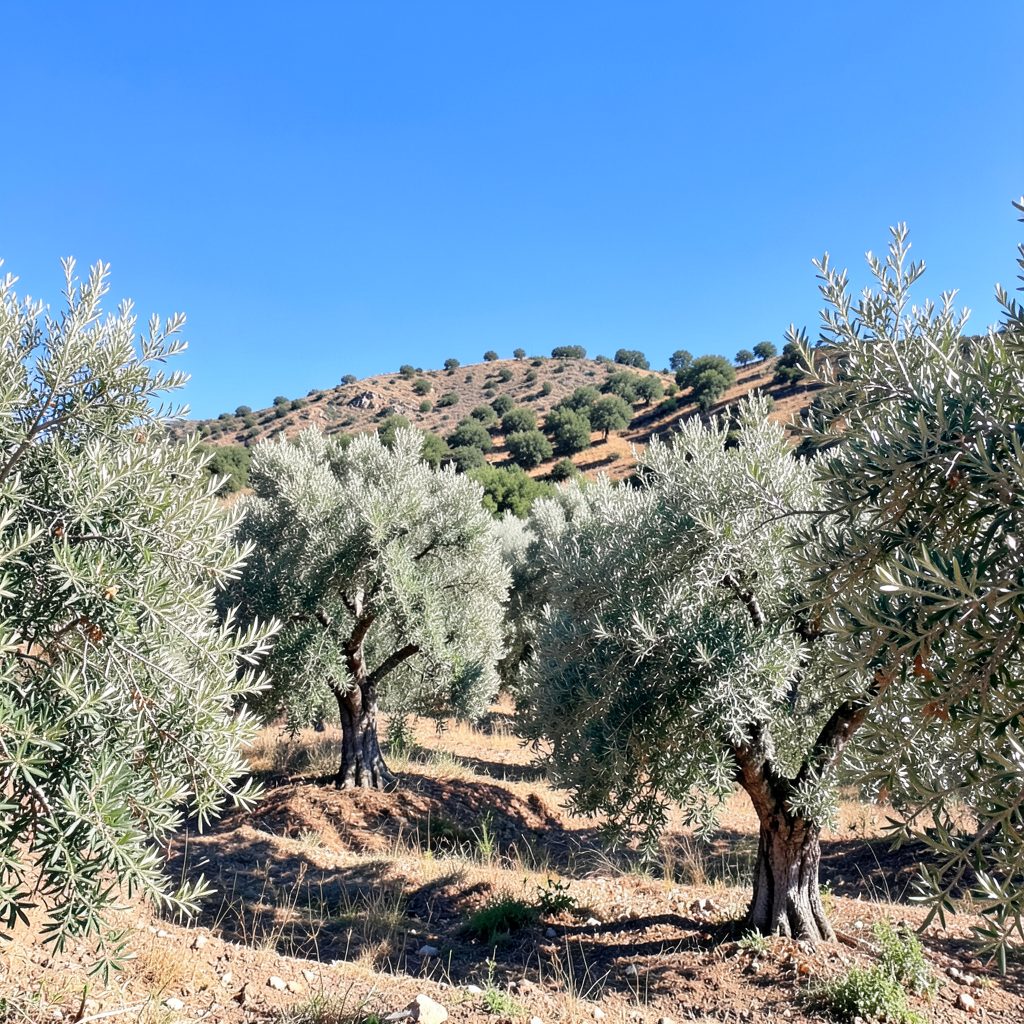
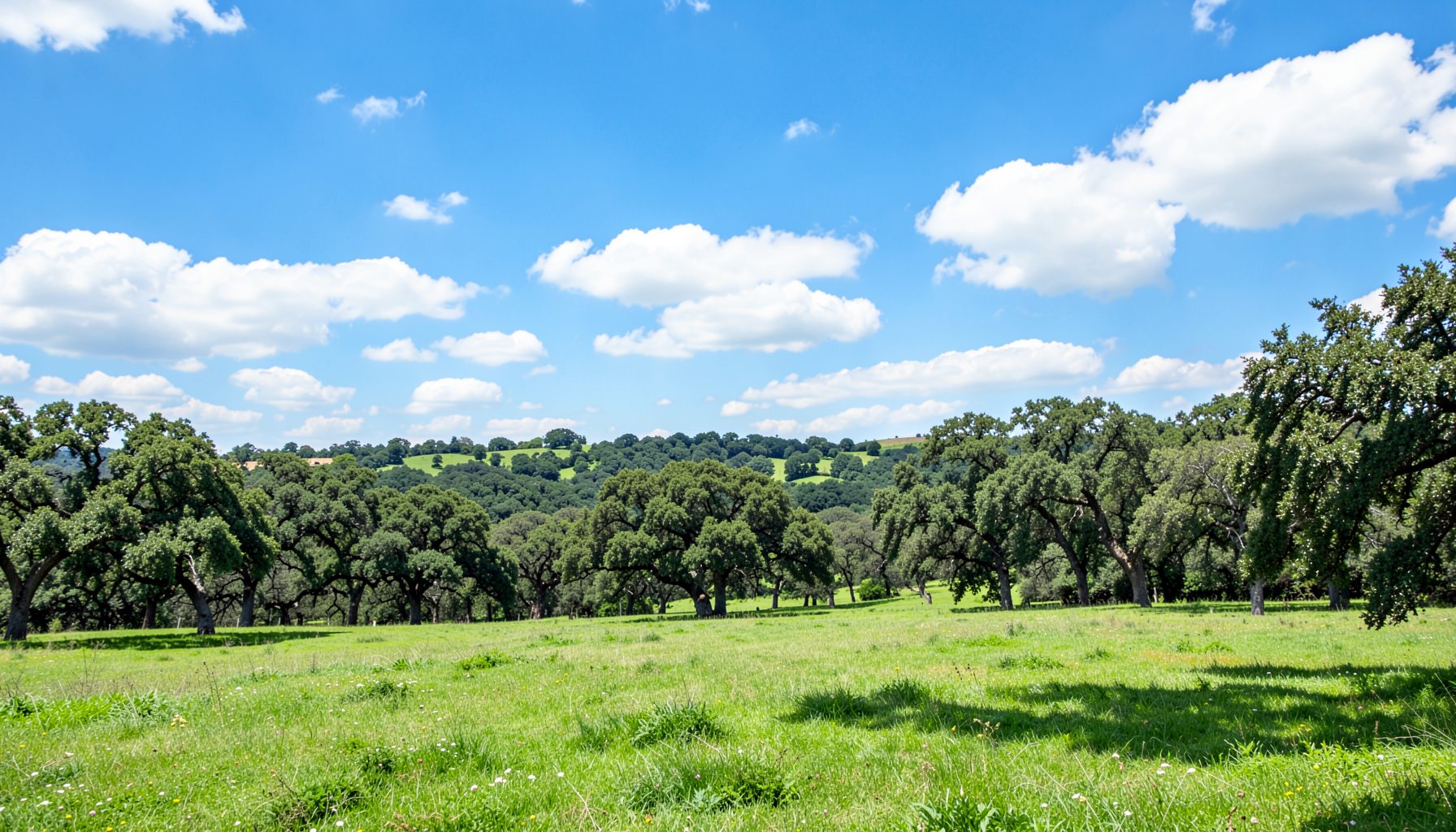
The dehesa’s mixture of pasture, scattered holm oaks and low vegetation creates several habitats within a short distance. This variety can attract insect-eating birds, seed-eaters and larger raptors. Recent rain can bring fresh colour to the grass, while the trees provide clear perches for scanning the surrounding plain.
Participants should expect a slow-paced route rather than a competitive excursion. Good birdwatching depends on stopping often, listening carefully and allowing enough time for a bird to emerge from cover. A notebook, field guide or mobile identification app can help record sightings without disturbing the animals.
Comfortable walking shoes are important because rural tracks may be uneven or muddy after rain. Neutral-coloured clothing, a hat, water and binoculars will make the experience more pleasant. A small camera can be useful, although close approaches and loud equipment should be avoided.
Visitors from Australia will recognise some familiar outdoor habits, such as starting early, carrying sunscreen and checking the forecast before leaving home. The difference is that a March morning in Agudo can be cool at first and warmer later, so layers are more useful than relying on a single jacket. Someone used to a dawn walk in Melbourne or a weekend nature reserve near Sydney should still prepare for a quieter, more open landscape.
Any meeting instructions should be checked before travelling, particularly if the route depends on road access or weather. The portal’s local services information can also help visitors find practical details such as weather resources and other useful community services.
The organisers will need to balance access to the countryside with the protection of birds and their habitats. Participants should remain on agreed paths, keep dogs controlled and avoid approaching nests. Calls, recordings and bright lights can interfere with wildlife, especially during the breeding period.
Spanish and European conservation rules protect many wild bird species, and additional restrictions may apply to protected areas or particular species. Australia offers a useful comparison: native birds are protected under state and territory laws, while firearms are regulated through licensing systems, safe-storage requirements and strict controls on lawful use. A visitor should never assume that rules from Queensland, New South Wales or Victoria apply in Spain.
The birdwatching morning is therefore best understood as a carefully managed community activity. The presence of people who know hunting grounds can support conservation when local knowledge is combined with responsible behaviour, accurate identification and respect for seasonal restrictions.
| Feature | Agudo dehesa outing | Typical Australian nature walk |
|---|---|---|
| Landscape | Holm oak pasture, open tracks and Mediterranean scrub | Bushland, wetlands, coastal reserves or woodland |
| Seasonal timing | March brings early spring activity in central Spain | March is early autumn in Australia |
| Main preparation | Layers, sturdy shoes, water and binoculars | Sun protection, water, insect protection and weather checks |
| Wildlife rules | Follow Spanish and local conservation requirements | Follow state or territory wildlife and firearms legislation |
| Community character | Rural association-led activity with local knowledge | Often organised by councils, parks groups or bird clubs |
Birdwatchers do not need specialist knowledge to enjoy the morning. A useful starting point is to notice size, shape, flight pattern and habitat. A bird soaring high above the dehesa will require different identification clues from one moving quickly between branches.
Participants may also learn to distinguish bird calls, tracks and feeding behaviour. A short-tailed bird hopping along the ground, a raptor using warm air currents and a flock moving between trees each tells a different story about the landscape. Taking written notes can be more rewarding than trying to photograph every sighting.
The surrounding plants and livestock also form part of the experience. The dehesa is a working environment, not a park designed solely for recreation. Gates should be closed, animals should not be approached and private property should be respected. Those habits are familiar to Australians who visit working farms, stock routes or rural reserves.
A small group usually creates better conditions for observation than a large, noisy crowd. Families can divide responsibilities, with one person watching the sky while another checks the trees or listens for calls. Children can be encouraged to look for movement and colour instead of being expected to identify every species.
The following habits will help preserve the calm character of the activity:
An organised bird survey or nature walk can create useful local knowledge. Even informal records may help residents notice changes in bird numbers, seasonal arrival dates and habitat conditions. If observations are collected systematically, they can complement the work of conservation groups and regional environmental authorities.
The activity may also strengthen relationships between generations. Older members of the association can explain traditional land use, while younger participants may bring digital mapping, photography and social media skills. That exchange gives rural knowledge a future without treating tradition as something fixed in the past.
There is a practical economic benefit as well. Visitors who come for the morning may use local shops, cafés or accommodation, much as early shoppers visit farmers’ markets in Australia before the heat of the day. A small community event can support the local market while promoting Agudo as a place of natural and cultural interest.
Anyone attending should check the final announcement for the confirmed date, meeting arrangements and any limits on numbers. Following the local portal will make it easier to keep up with weather changes, related cultural activities and future environmental events. Take part respectfully, bring your curiosity and help make this March morning a lasting celebration of Agudo’s dehesa and its birdlife.
Stay informed with local news updates covering Agudo and the surrounding region. Browse the Hemeroteca for past articles and keep up with what matters in the community.
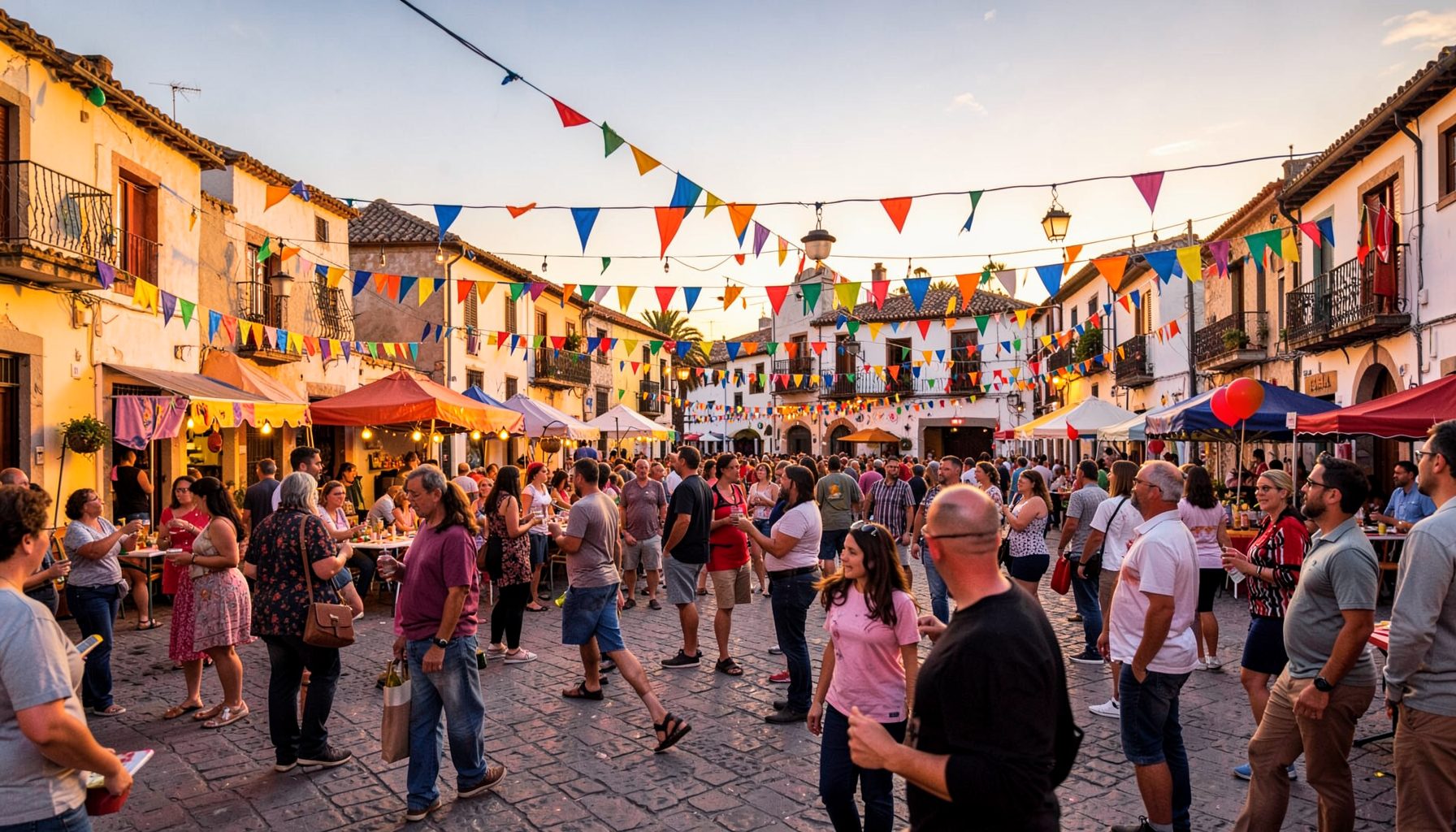
Join the conversation in the Agudo community forums. Access the Foro antiguo archive and participate in discussions with fellow residents and visitors.
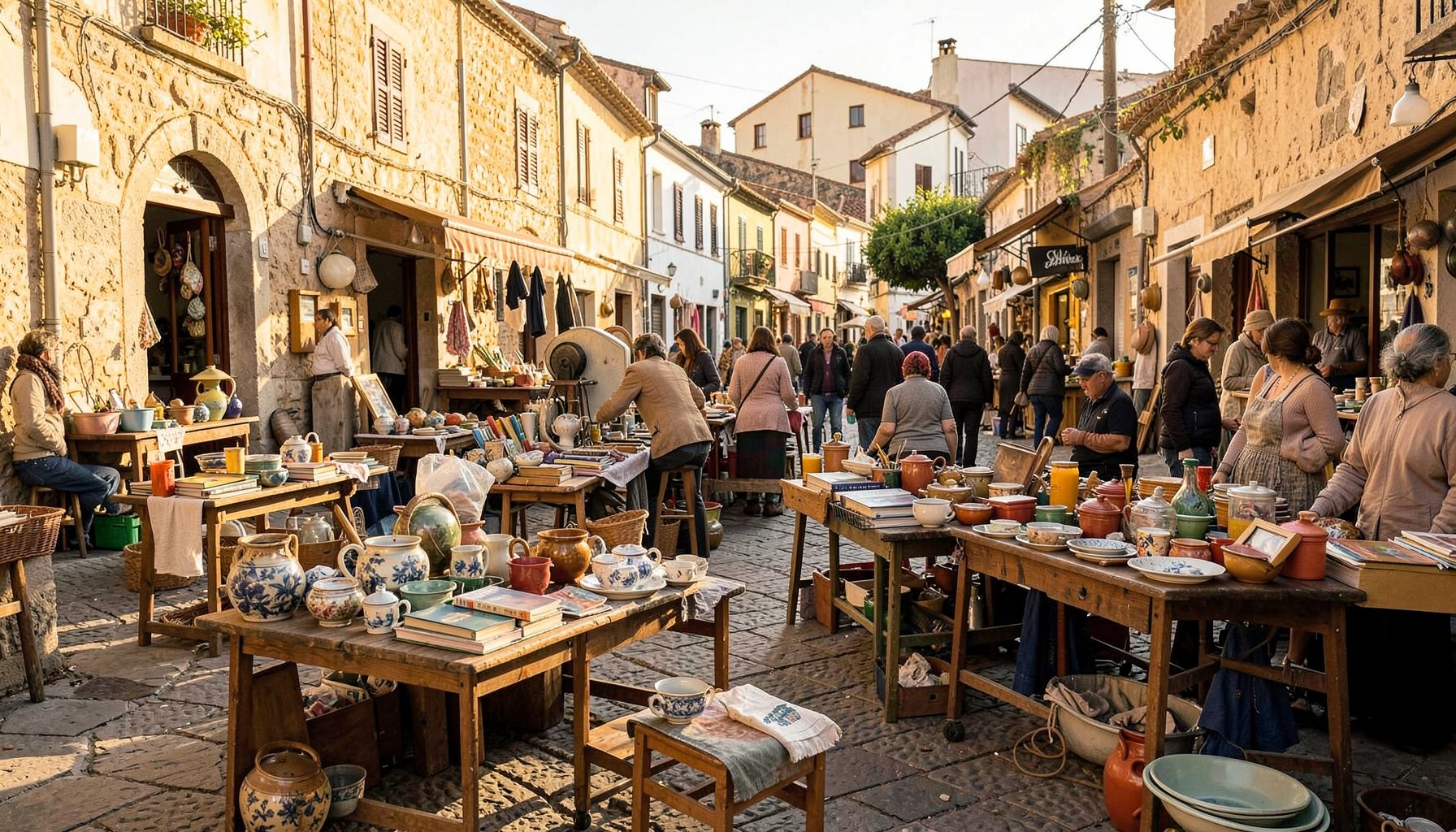
Browse local second-hand listings in the Agudo area. A convenient marketplace for buying and selling within the community.
Explore our directory of recommended links, including the Ayuntamiento de Ciudad Real, Lagunas de Ruidera, Parque de Cabañeros, Agudo Joven, and Balneario Cervantes.
Access practical tools including Prensa links, radio, horóscopo, Loterías results, a leisure guide, recipes, a dictionary, and Street View integration.
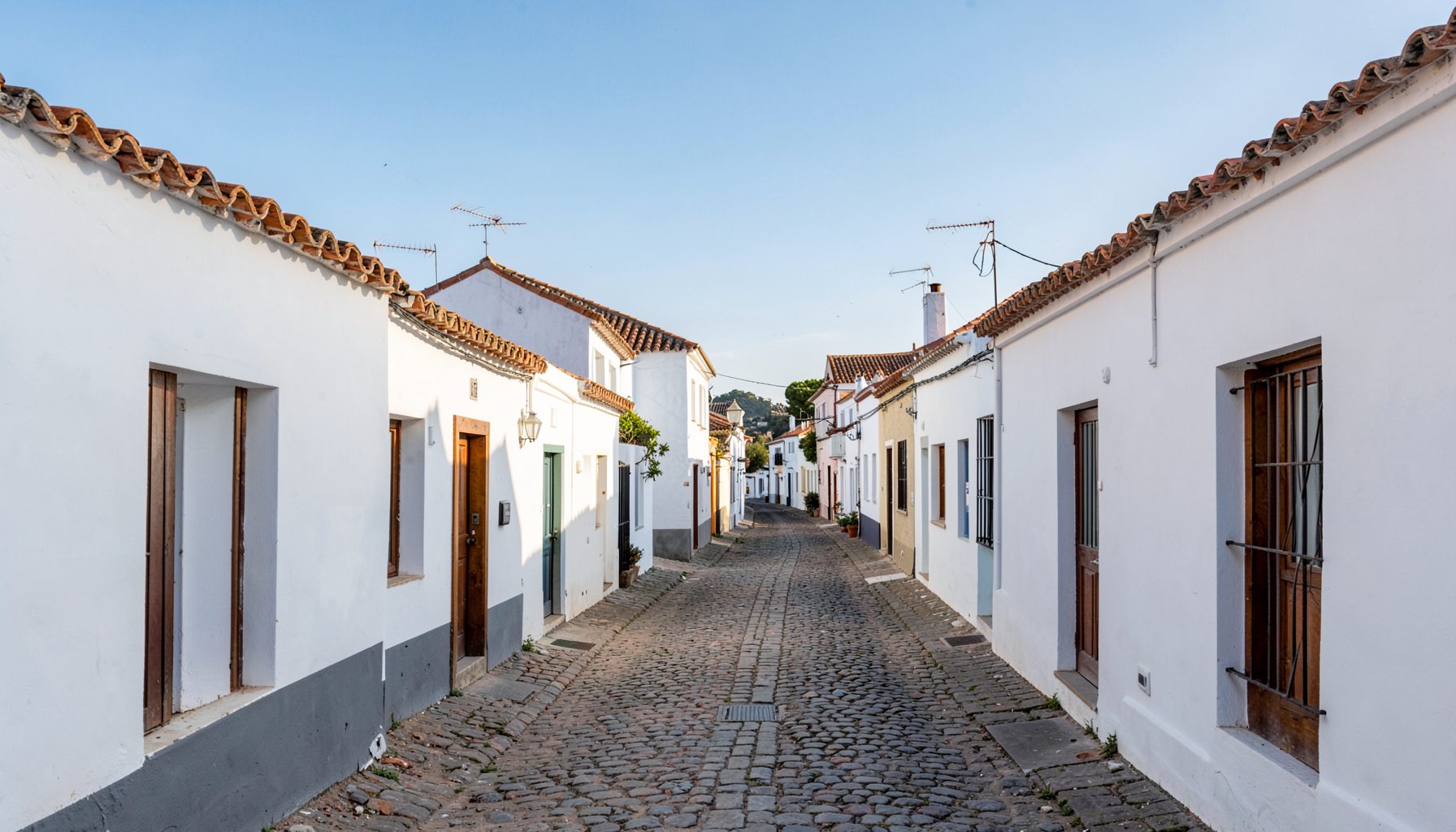
Watch videos showcasing Agudo and the surrounding region. A visual tour of local life, landscapes, and community events.