
Stay informed with local news updates covering Agudo and the surrounding region. Browse the Hemeroteca for past articles and keep up with what matters in the community.
Students from Agudo’s local secondary school have won a provincial science fair in Ciudad Real with a practical project on solar water distillation. Their device uses sunlight, a dark collection basin and a transparent cover to separate clean water from dissolved salts and other impurities.
The award recognises a school experiment with clear links to rural life: limited water supplies, intense summer heat and the need to understand how simple technology can support communities. For readers in Australia, the project also offers a familiar point of connection, from household rainwater tanks to water-saving habits in regional towns.
| Feature | Student prototype | Possible Australian comparison |
|---|---|---|
| Energy source | Direct sunlight | Solar-powered equipment used in regional homes |
| Main process | Evaporation and condensation | Small-scale water treatment or desalination |
| Water source | Salty or impure sample water | Brackish bore water or emergency supply |
| Best setting | Clear, hot days | Inland New South Wales, Queensland or South Australia |
| Main limitation | Slow daily output | Similar limits in portable solar systems |
The winning project was designed as a low-cost solar still. The students placed sample water in a shallow, dark-coloured container and covered it with a sloping sheet of transparent material. As the sun warmed the water, vapour rose, condensed on the cooler underside of the cover and ran towards a collection channel.
The team improved the design through several rounds of testing. They adjusted the angle of the cover, reduced gaps around the frame and compared different materials for absorbing heat. A small change in the slope helped the condensed droplets move into a separate vessel instead of falling back into the original sample.
Their display at the provincial science fair explained the difference between distillation and ordinary filtration. A filter can trap particles, while distillation changes water into vapour before collecting it again. The process can reduce salt and many contaminants, although it does not automatically make every source safe to drink.
Solar distillation imitates part of the natural water cycle. Solar radiation heats the water, evaporation leaves many dissolved substances behind and condensation turns the vapour into liquid again. The method requires no mains electricity, making it attractive for demonstrations and limited off-grid applications.
The Agudo students measured water temperature, collection volume and the time needed to produce a visible amount of distilled water. Their results showed that output increased around the middle of the day, when the sun was strongest, but fell sharply when cloud cover appeared or the device was shaded.
That pattern would be easy to recognise in Australia. A family in Alice Springs or rural South Australia may have strong sunlight for much of the year, while a setup in Melbourne could be affected by winter cloud and cooler temperatures. The experiment therefore demonstrates both the promise and the limits of depending on solar heat alone.
The project is relevant to Agudo because water conservation is part of everyday life in many inland Spanish communities. A small solar still cannot supply a town, irrigate crops or replace a treatment plant, yet it gives students a way to study evaporation, renewable energy and resource management through one physical model.
For Australian readers, the same lesson connects with familiar routines such as checking the Bureau of Meteorology forecast before outdoor work, collecting rainwater from a roof or keeping showers short during restrictions. In cities such as Brisbane, Perth and Adelaide, public discussion about dams, groundwater, desalination and recycled water has made water technology part of ordinary civic life.
The project also highlights a useful distinction between emergency treatment and household supply. A solar still could help demonstrate how to recover water in a remote setting, but a safe drinking-water system needs testing, maintenance and controls that meet local health requirements.
At the fair, the students compared untreated sample water with the collected distillate. They recorded changes in appearance and tested basic properties such as conductivity, which can indicate the presence of dissolved salts. Their presentation focused on measurable results rather than claiming that one small prototype could solve regional water shortages.
That caution is important in Australia, where the Australian Drinking Water Guidelines provide a national reference for water quality. State and territory authorities also regulate water sources, treatment systems and public health risks. A device used at a school exhibition is very different from a commercial unit supplying drinking water to a home, campsite or community.
The students’ work also showed why the collection vessel must remain covered and clean. Distilled water can be contaminated after it leaves the condenser, and some pollutants may pass through evaporation or collect in unexpected ways. A useful science project therefore includes careful labelling, repeat measurements and an honest account of uncertainty.
The award gives Agudo’s school a strong local story to share with families, former residents and nearby communities. Science fairs can make technical subjects more accessible because visitors see a working object rather than only reading about renewable energy or water scarcity in a textbook.
Community events provide a similar bridge between learning and local identity. The school’s achievement arrives alongside the town’s broader cultural calendar, including the summer festival, where workshops and live performances bring residents together. Both kinds of events show how local organisations create opportunities for participation across generations.
For students, public recognition can also make future study feel more achievable. A project built from accessible materials introduces skills in design, data collection, presentation and teamwork. Those skills are useful whether a student later studies environmental science, engineering, agriculture or a practical trade.
The next version of the solar still could include a larger evaporation surface, improved insulation and a simple thermometer or light sensor. The group might also compare black paint, aluminium foil and different transparent covers to see which arrangement delivers the best balance between heating and condensation.
A future experiment could examine several water sources, such as tap water, rainwater and a carefully prepared saline solution. Students would need appropriate supervision and laboratory testing, particularly if they studied bacteria, agricultural chemicals or unknown pollutants. Clear safety rules would matter more than producing a larger volume.
The project could eventually become part of a wider lesson on drought resilience. Students might calculate the cost per litre, compare the device with electric desalination and investigate whether solar distillation is better suited to disaster response, field research or educational use than to routine household supply.
Agudo’s provincial science-fair victory shows how a modest classroom prototype can raise substantial questions about energy, water and community resilience. Read the local coverage, share the achievement with family and follow the town’s news, events and community updates through Agudo Ciudad Real.
Stay informed with local news updates covering Agudo and the surrounding region. Browse the Hemeroteca for past articles and keep up with what matters in the community.
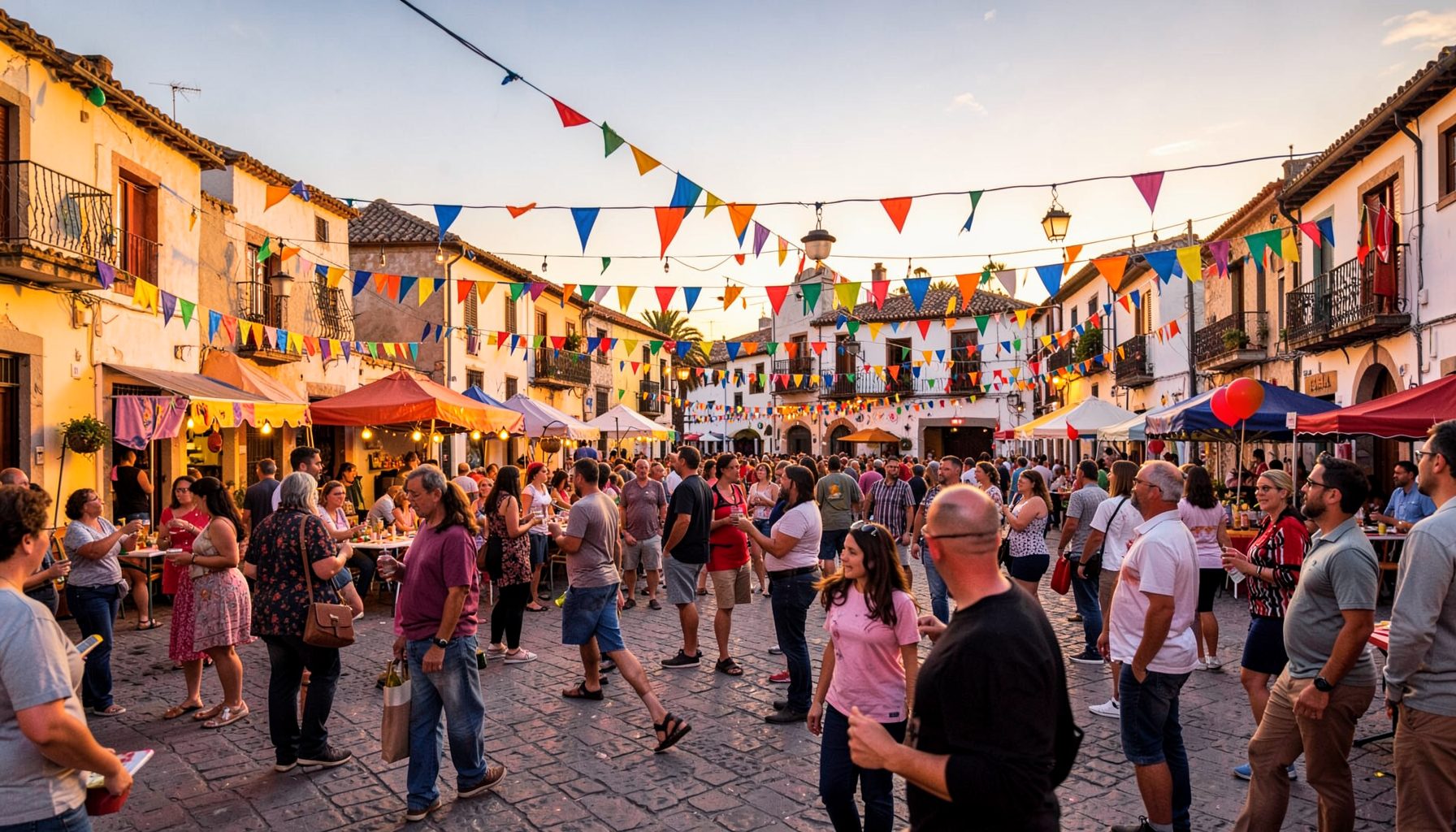
Join the conversation in the Agudo community forums. Access the Foro antiguo archive and participate in discussions with fellow residents and visitors.
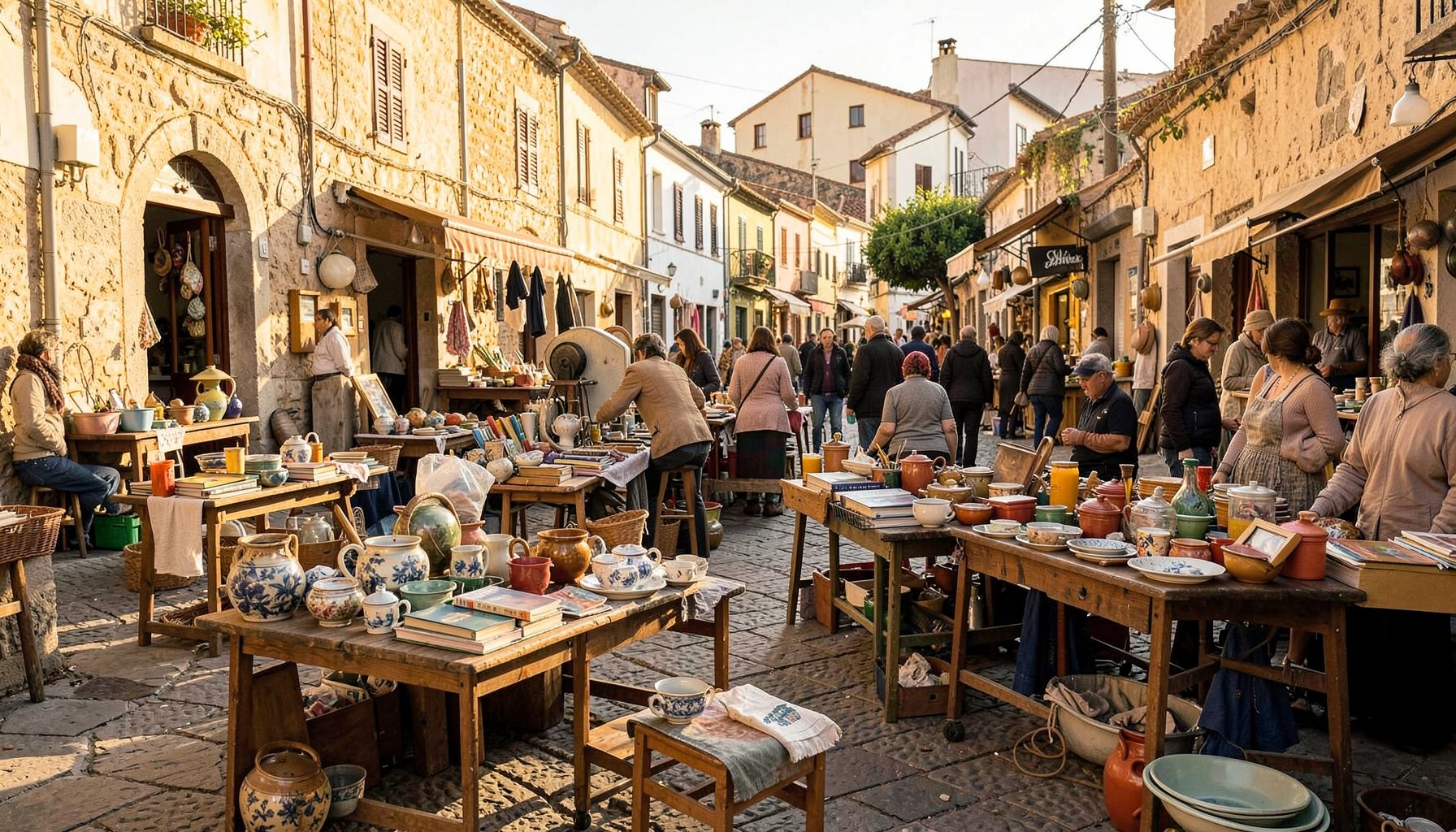
Browse local second-hand listings in the Agudo area. A convenient marketplace for buying and selling within the community.
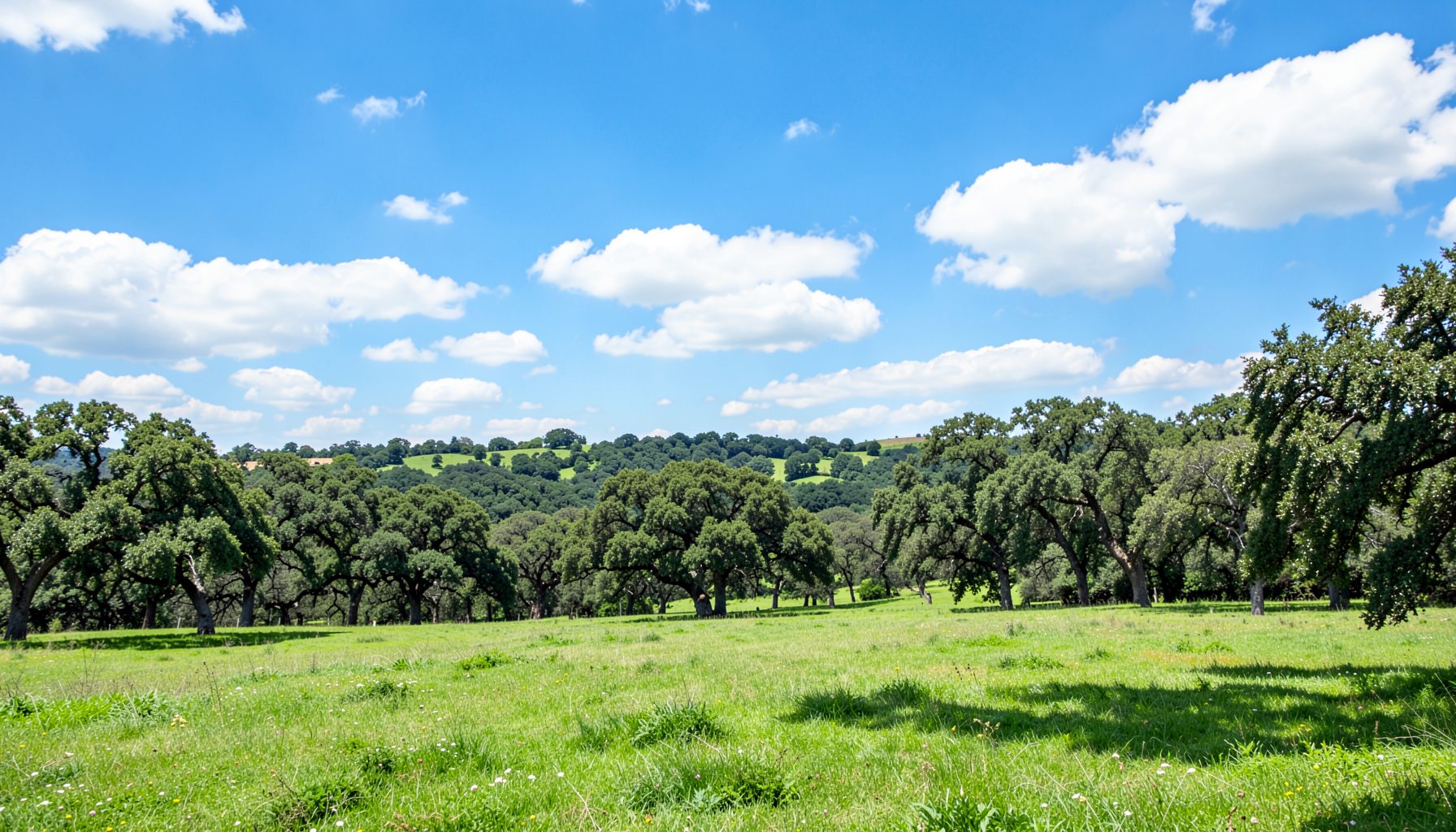
Explore our directory of recommended links, including the Ayuntamiento de Ciudad Real, Lagunas de Ruidera, Parque de Cabañeros, Agudo Joven, and Balneario Cervantes.
Access practical tools including Prensa links, radio, horóscopo, Loterías results, a leisure guide, recipes, a dictionary, and Street View integration.
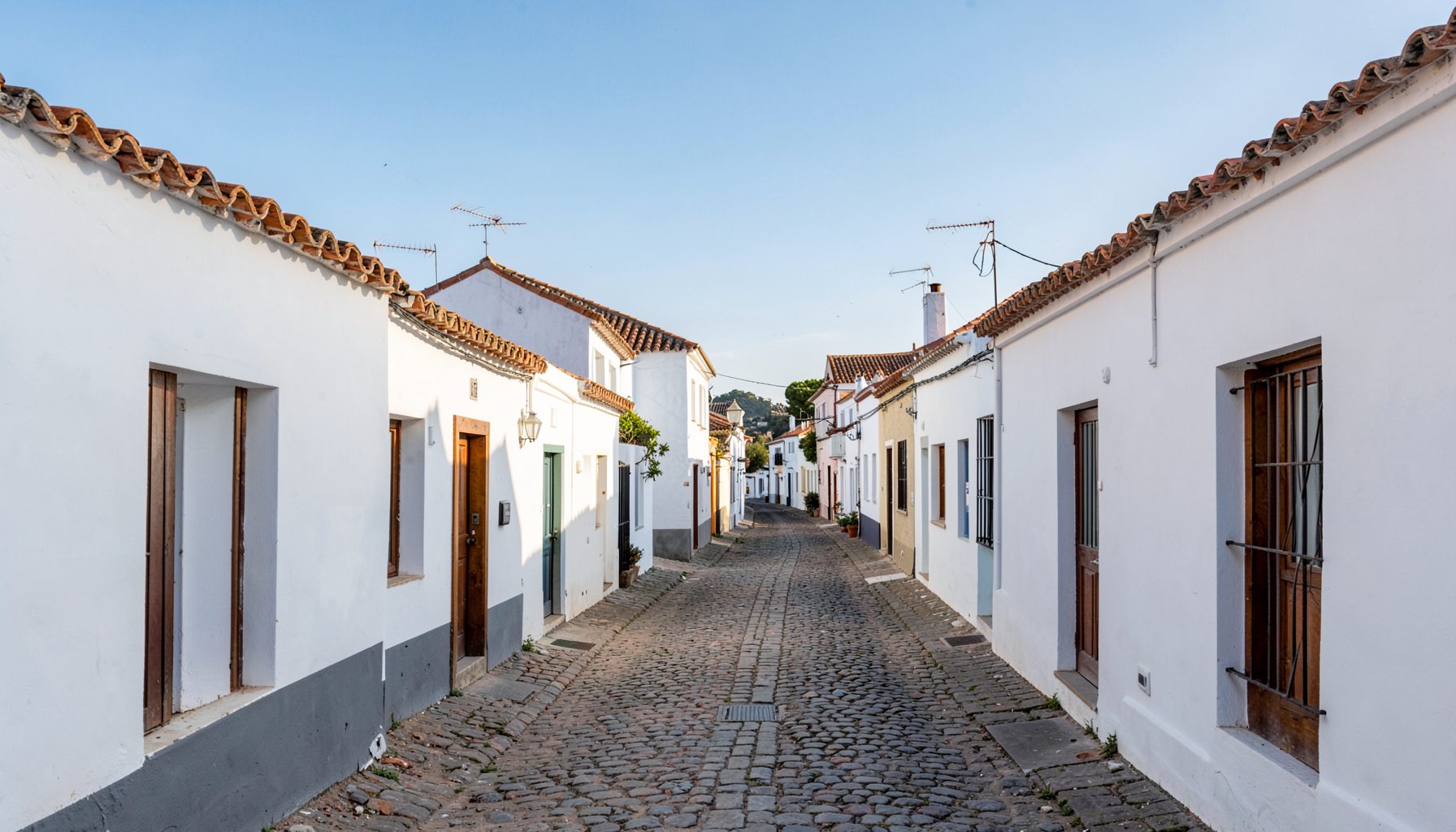
Watch videos showcasing Agudo and the surrounding region. A visual tour of local life, landscapes, and community events.