Stay informed with local news updates covering Agudo and the surrounding region. Browse the Hemeroteca for past articles and keep up with what matters in the community.
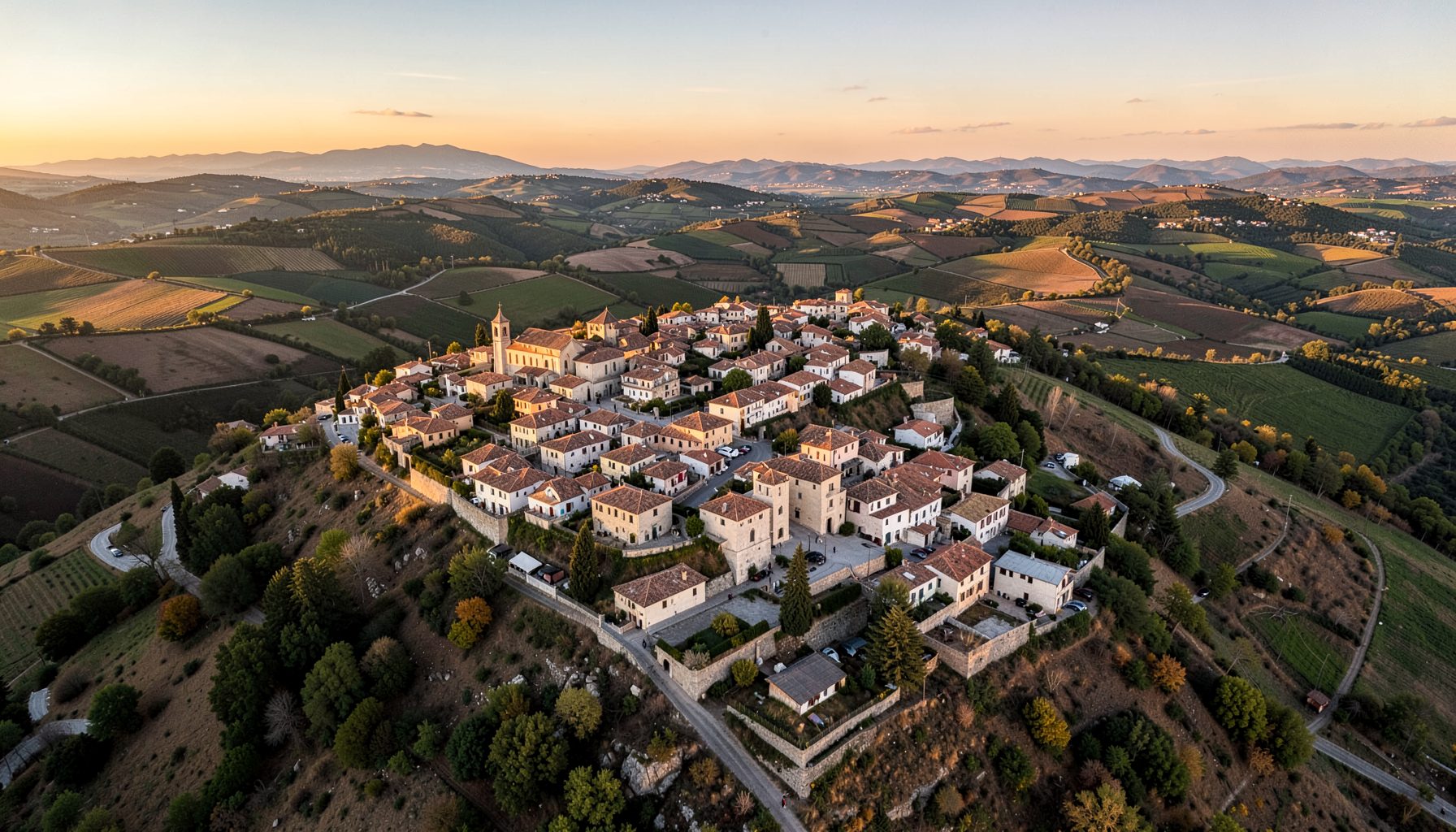
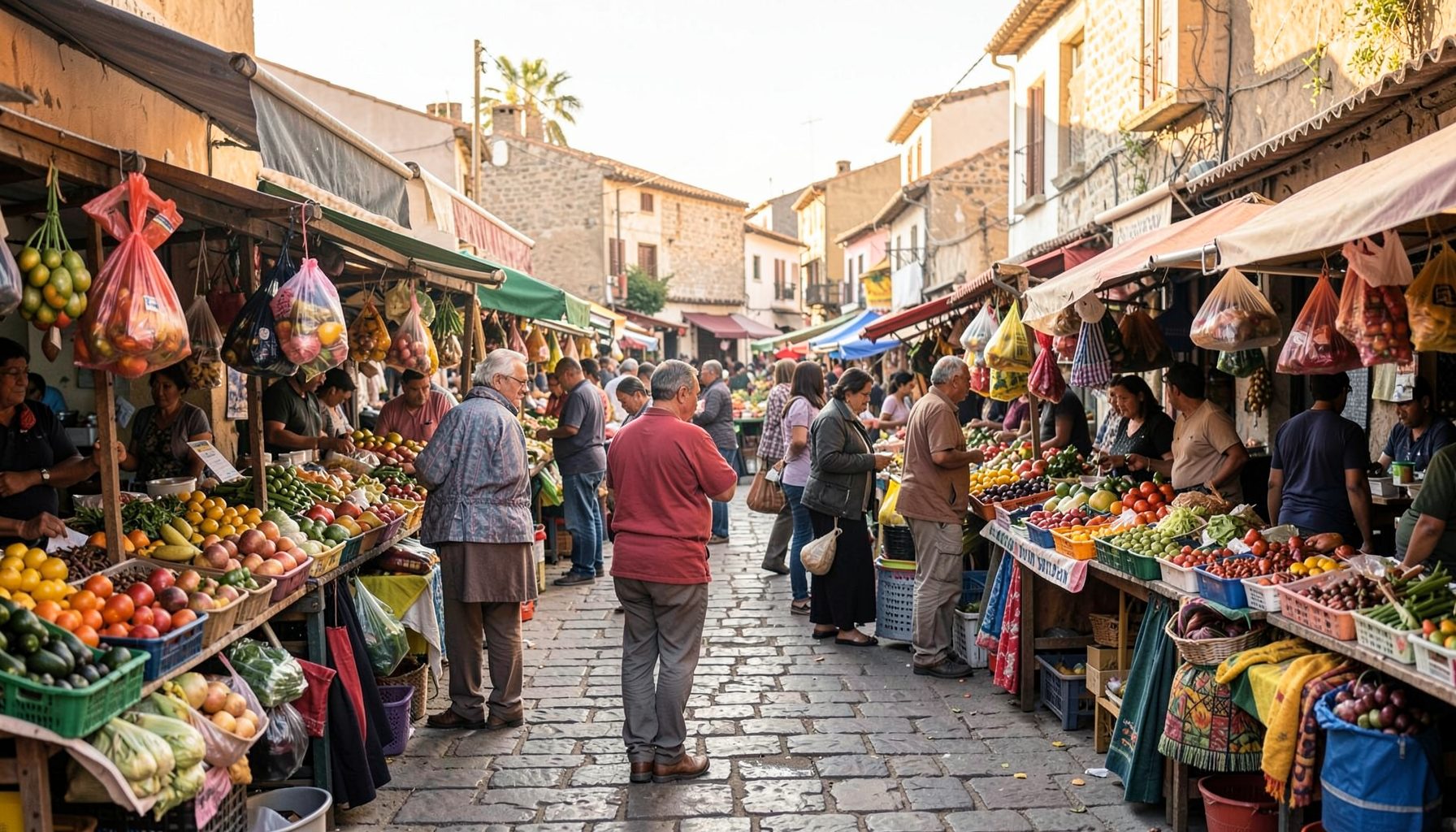
On the first Sunday of each month, the fairground in Agudo becomes a meeting place for local families, bargain hunters and neighbours with something to sell. Cars arrive with boxes, clothing racks, household goods and children’s toys, creating a friendly car-boot market shaped by the community rather than by a commercial chain.
The event gives residents a simple way to clear a spare room, pass on useful items and earn a little money from belongings they no longer need. For visitors, it offers the pleasure of browsing at an unhurried pace, finding an unexpected bargain and sharing a morning with people from Agudo and nearby villages in Ciudad Real.
This kind of market has a familiar rhythm for Australian readers. It recalls a Sunday morning car-boot sale in regional Victoria, a community market outside Adelaide or a school fundraising stall in Brisbane. The setting is different, yet the appeal is recognisable: affordable goods, friendly conversation and the chance to reuse items within the local area.
The Agudo gathering also adds a social purpose. Older residents can meet familiar faces, young families can shop for children’s essentials and former residents returning for a visit can reconnect with the town. Alongside the buying and selling, the fairground becomes a practical snapshot of everyday life in the municipality.
The first-Sunday arrangement makes the market easy to remember. Residents do not need to wait for a special festival or search for a temporary announcement. The regular date gives sellers time to sort their possessions and gives visitors a dependable reason to include Agudo in their weekend plans.
Early arrivals may see the fairground change quickly from an open space into rows of parked cars and informal stalls. A boot or rear hatch becomes a display shelf, while folding tables and blankets help organise smaller goods. The atmosphere is relaxed, with conversations often lasting as long as the shopping.
For people accustomed to large Australian markets in Melbourne, Sydney or Perth, the scale may feel intimate. That is part of its value. A smaller market allows visitors to recognise sellers, ask about an item’s history and hear local news while they browse.
Goods at a car-boot market vary from month to month. One Sunday may bring vintage crockery and gardening tools, while another may feature children’s clothes, books, small appliances, decorations or sports equipment. The changing stock encourages repeat visits because no two market mornings are quite the same.
Families organising a stall can make the experience easier by grouping similar items and marking prices clearly. Clean, working goods are more likely to find a new owner, while a short explanation can help visitors understand an unusual tool or older household object. Sellers should also keep smaller items secure and bring enough change for modest purchases.
Payment habits may differ from an Australian weekend market, where EFTPOS and mobile payments are increasingly common. At a local car-boot sale, cash can still be useful, especially for low-cost items. Buyers should carry small notes and coins, while sellers can decide in advance whether they accept digital transfers.
Weather is another practical consideration. A bright, warm morning can make the fairground lively, but wind, heat or sudden rain may affect displays. A shade canopy, sturdy boxes and protective covers help sellers manage the conditions. Visitors will benefit from comfortable shoes, sun protection and a reusable bag.
The event supports a straightforward form of reuse. A jacket that no longer fits one child may suit another, and a kitchen utensil sitting unused in a cupboard may be exactly what a new household needs. Keeping these objects in circulation reduces waste and makes useful goods available at accessible prices.
This approach reflects the practical spirit of many Australian community markets, from the Salamanca Market in Hobart to weekend stalls in country towns across New South Wales. People often attend for different reasons: some want a bargain, some want to declutter and others simply enjoy the ritual of walking through local stalls.
A family market can also help children learn about value and responsibility. Young people may choose toys with their own pocket money, help organise a table or practise speaking with customers. These small experiences introduce ideas about budgeting, negotiation and caring for possessions without turning the morning into a formal lesson.
Sellers can make the event more welcoming by avoiding excessive packaging and by offering honest descriptions of second-hand goods. A clearly labelled box of inexpensive items can attract casual browsers, while higher-value pieces benefit from careful presentation. The goal is a useful exchange, rather than a race to sell everything.
Markets preserve more than objects. A set of photographs, a hand tool or a recipe book can prompt memories of work, family celebrations and earlier life in Agudo. The fairground therefore becomes a place where local history appears in ordinary, tangible forms.
That connection complements the area’s wider community archive. Residents interested in personal memories can explore the oral history podcast, where older people share experiences and reflections from Agudo’s past. A market conversation can carry the same sense of continuity in a more informal setting.
Former residents may find the first Sunday especially meaningful. Returning to town for family visits, local celebrations or a holiday, they can encounter familiar streets and recognise the habits that have remained. A market stall may lead to a conversation with a former classmate or reveal an object connected with a local household.
For newer residents, the event provides an easy entry into community life. A purchase can become a conversation, and a conversation can lead to information about neighbourhood activities, municipal news or cultural events. In this way, the market works as a small but effective social noticeboard.
A little preparation helps both sides of the transaction. Sellers should arrive with enough time to park safely and arrange goods before the busiest period. Visitors can plan a relaxed circuit instead of buying the first item they notice, particularly when searching for furniture, tools or collectables.
Useful steps for sellers:
Useful steps for visitors:
| Market option | Best for | Main advantage | Practical limitation |
|---|---|---|---|
| Agudo first-Sunday car-boot market | Local families and nearby visitors | Personal contact and changing second-hand stock | Selection depends on who attends |
| Australian community market | Browsing, food and local crafts | Often combines shopping with entertainment | Stall fees and larger crowds can raise prices |
| Online resale platform | Specific items and wider searches | Convenient filtering and convenient messaging | No shared local atmosphere or immediate inspection |
| Charity or op-shop visit | Affordable everyday goods | Regular access to donated stock | Less opportunity to hear an item’s story |
The fairground market works because it remains close to ordinary community life. It is affordable enough for casual shopping, flexible enough for occasional sellers and familiar enough to become part of the monthly calendar. Each first Sunday adds another layer of local exchange, from practical household purchases to conversations that would not happen elsewhere.
Residents can support the initiative by bringing quality items, treating fellow sellers fairly and sharing reliable information about the next market morning. Visitors from nearby villages can make the short trip to Agudo, while former residents can include the fairground in their next return visit. Turn up on the first Sunday, browse patiently and help keep this community tradition active.
Stay informed with local news updates covering Agudo and the surrounding region. Browse the Hemeroteca for past articles and keep up with what matters in the community.
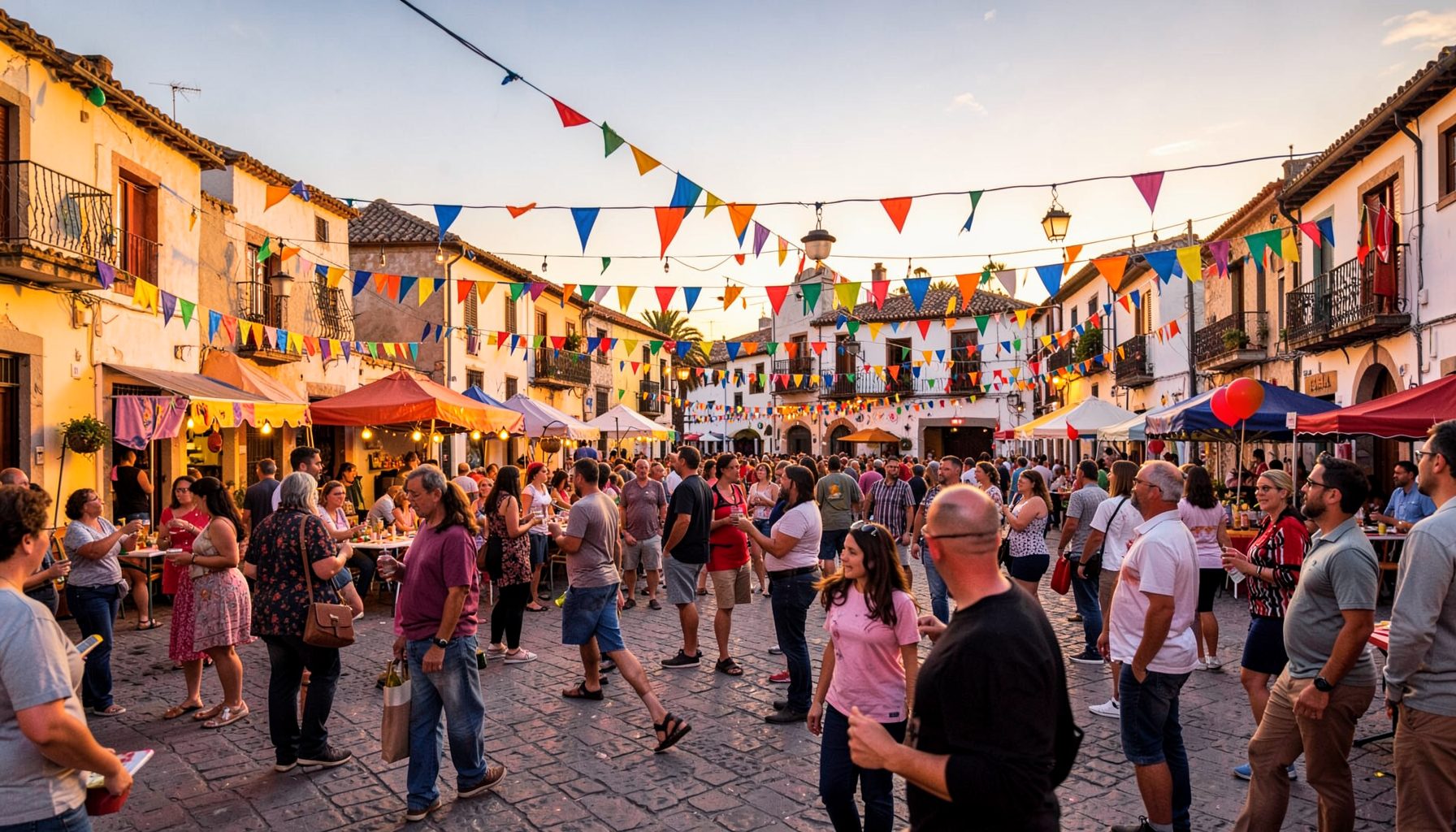
Join the conversation in the Agudo community forums. Access the Foro antiguo archive and participate in discussions with fellow residents and visitors.
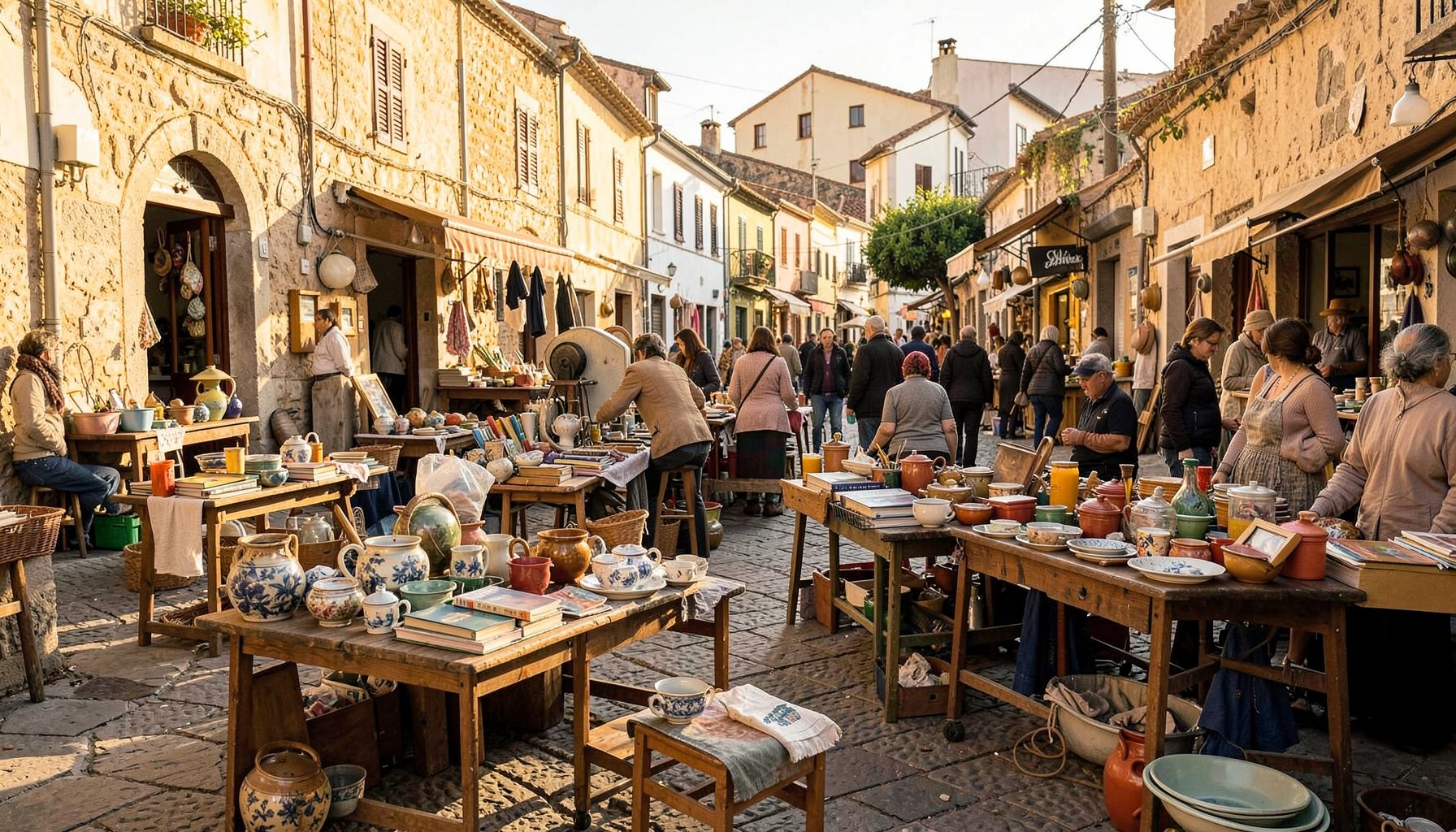
Browse local second-hand listings in the Agudo area. A convenient marketplace for buying and selling within the community.
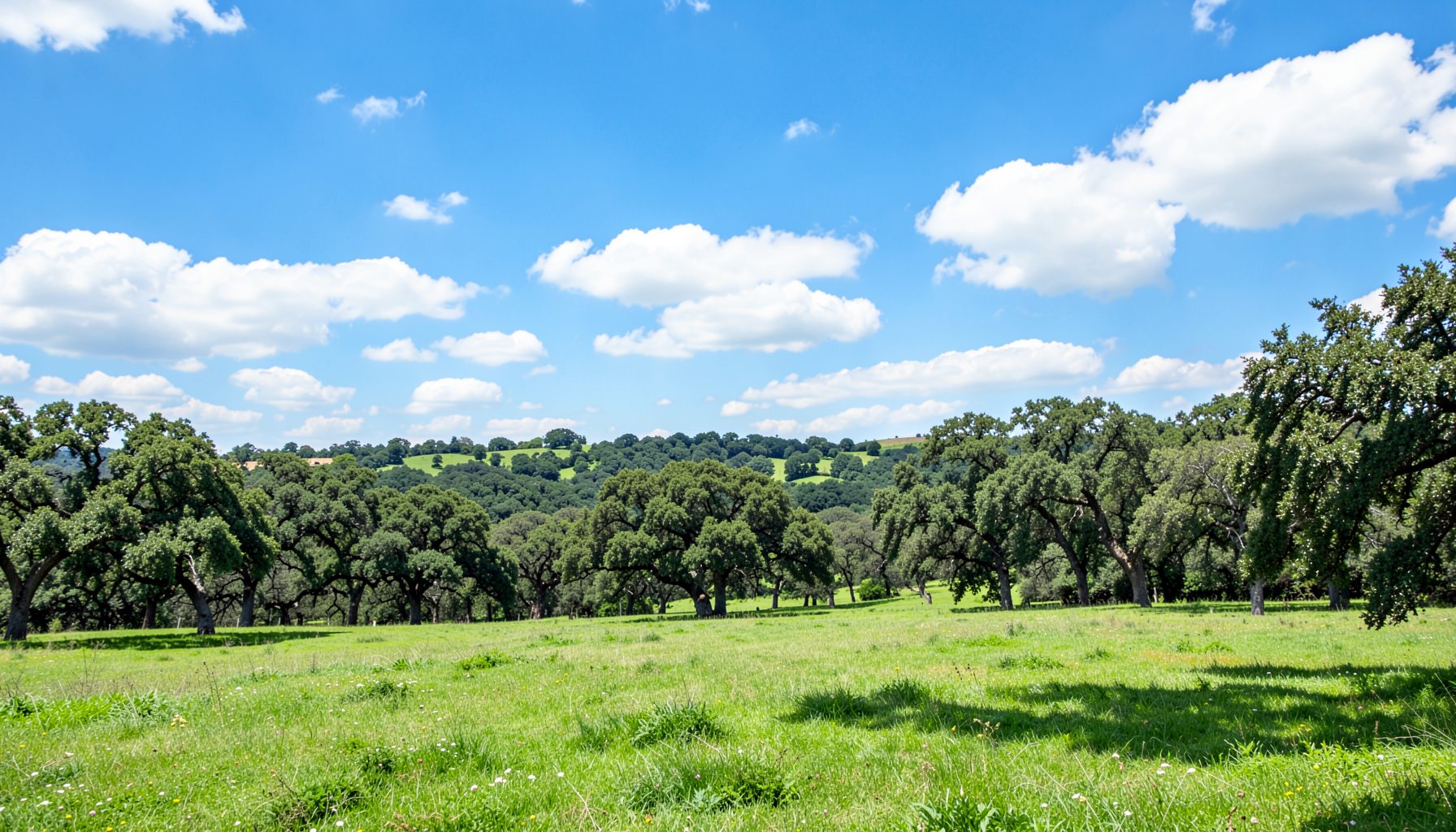
Explore our directory of recommended links, including the Ayuntamiento de Ciudad Real, Lagunas de Ruidera, Parque de Cabañeros, Agudo Joven, and Balneario Cervantes.
Access practical tools including Prensa links, radio, horóscopo, Loterías results, a leisure guide, recipes, a dictionary, and Street View integration.
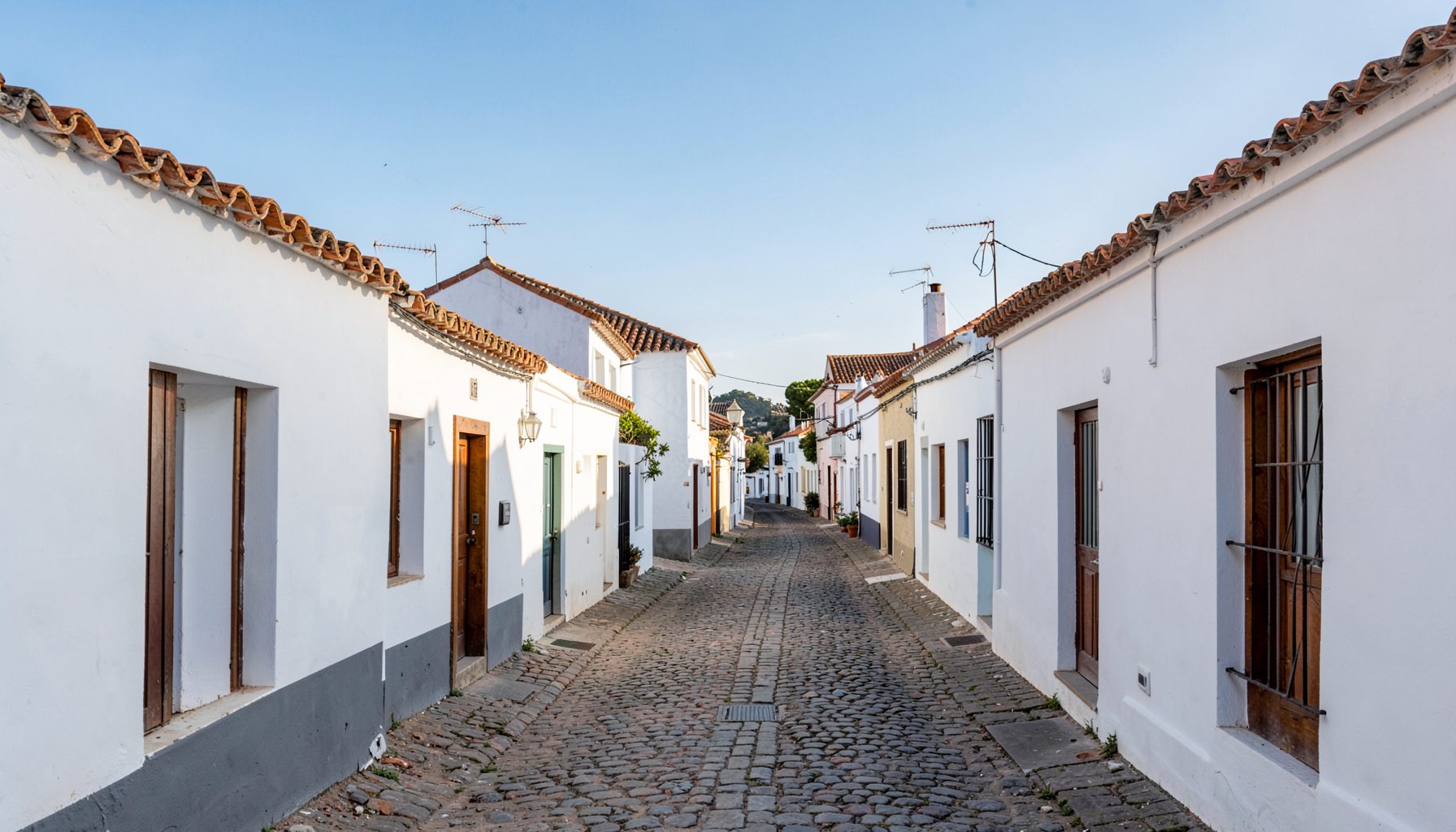
Watch videos showcasing Agudo and the surrounding region. A visual tour of local life, landscapes, and community events.