

Stay informed with local news updates covering Agudo and the surrounding region. Browse the Hemeroteca for past articles and keep up with what matters in the community.
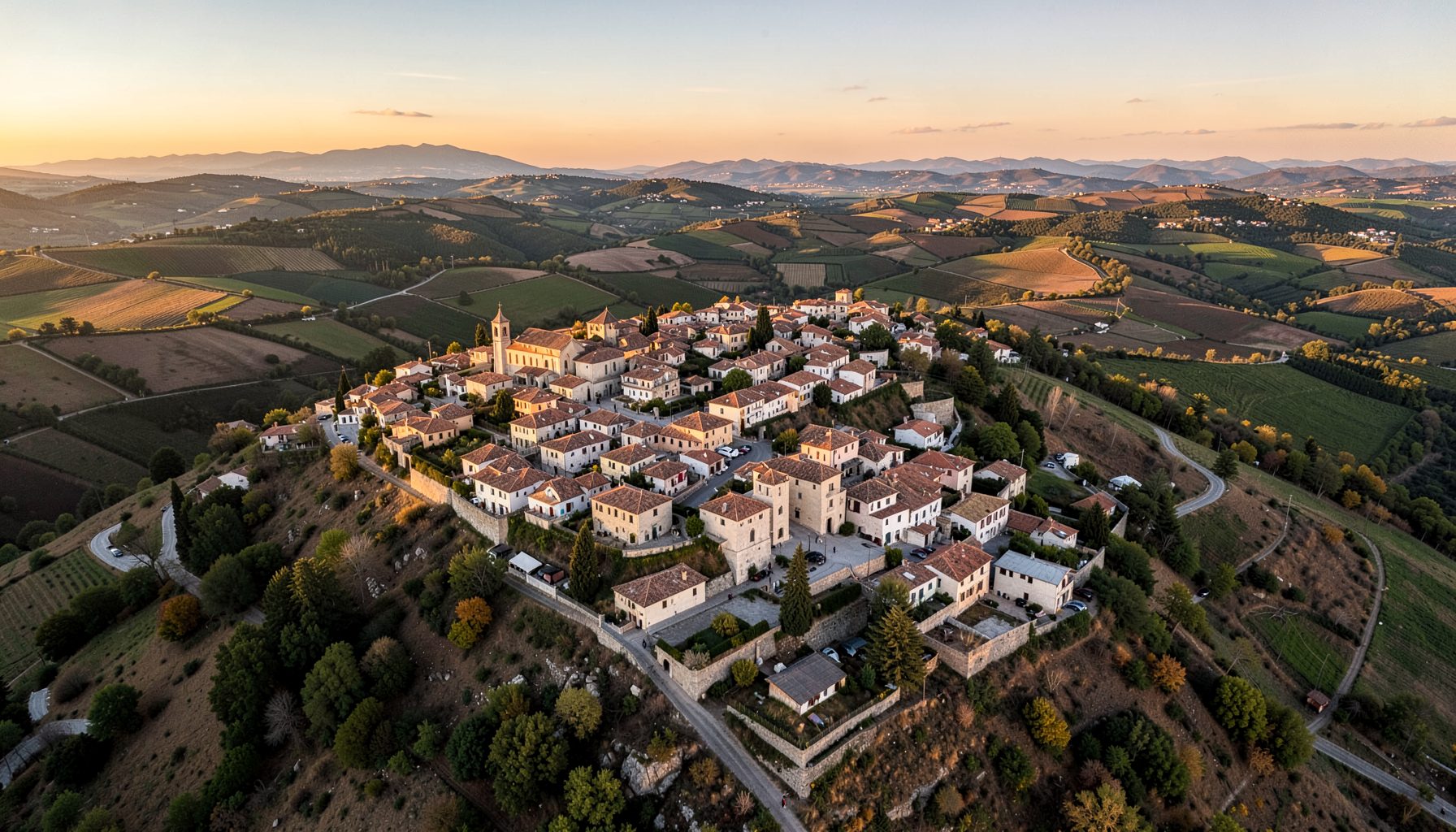
A quiet revolution in wildlife monitoring is unfolding in this small corner of Ciudad Real, where an ecologist has been painstakingly documenting the bat populations that shelter inside two of the village's most iconic vertical landmarks. Using ultrasonic detectors and late-night observation sessions, the survey aims to build the first comprehensive picture of chiroptera colonies in Agudo's built heritage. The findings will inform how local authorities care for these often-misunderstood mammals, balancing heritage preservation with biodiversity needs.
Comparable surveys have reshaped attitudes toward urban bats elsewhere, including along Australia's eastern seaboard, where researchers in Brisbane and Melbourne have spent decades cataloguing species that roost in church spires, warehouse rafters, and old bridges. Drawing on that methodological experience, the Agudo project treats the village church tower and the ruined mill as living laboratories rather than empty monuments, recognising that stone crevices and timber beams can shelter creatures no builder ever imagined.
The study began in late summer when the ecologist, working alongside volunteers from a regional naturalists' association, started mapping potential roost sites from the ground. They walked the perimeter of the parish church at dusk, listening for the high-pitched chatter of emerging bats, and inspected the stonework for staining and droppings that hint at long-term occupation. The mill ruins, partially collapsed and overgrown with capers and wild olive, presented a more complex puzzle, with multiple entry points and shaded cavities deep within the structure. Each site was photographed, sketched, and logged with GPS coordinates so that seasonal changes in colony size can be tracked over the coming years.
What the surveys confirm is that Agudo's built heritage functions as substitute cliff habitat. Bats across the Iberian Peninsula have lost countless natural roosts as old trees fall and cave systems are disturbed, and so they have learned to exploit churches and farm buildings. Volunteers reported spotting at least three separate emergence points around the church tower, while the mill ruins appear to host both a maternity cluster and a smaller bachelor group in separate chambers. The team also noted swallows nesting under the eaves, underscoring how these structures support an entire web of life beyond the chiroptera alone.
Fieldwork happens in two complementary modes. On clear, still evenings, the ecologist climbs a narrow staircase inside the church tower and positions a heterodyne detector near an exit hole known to the local team. The device translates ultrasonic pulses into audible frequencies, allowing real-time species identification by ear and recording. On other nights, full-spectrum automatic recorders are left running from sunset to sunrise, capturing the acoustic signature of every passing bat so that later analysis in the lab can confirm species using specialised software.
This dual approach mirrors techniques refined by groups such as the Australasian Bat Society, whose members in places like Sydney and the Daintree lowlands have shown how passive recording arrays can detect elusive species that visual surveys miss. The Spanish project also incorporates temperature and humidity loggers inside the roosts, since microclimate strongly influences whether a structure remains suitable for nursery colonies. By combining acoustic, visual, and environmental data, the ecologist hopes to publish a robust baseline that other rural municipalities in Castilla-La Mancha can adapt for their own heritage buildings.
The comparison table below summarises the methods used across the two sites.
| Site | Survey Method | Time of Activity | Main Equipment | Key Indicator |
|---|---|---|---|---|
| Church tower | Visual exit counts at dusk | Spring and autumn | Heterodyne detector, head torch, notebook | Steady stream of bats from west-facing slit |
| Church tower | Passive acoustic recording | Overnight, full darkness | Full-spectrum recorder on tripod | Frequency sweep calls logged hourly |
| Mill ruins | Cavity inspection with endoscopes | Daytime | Inspection camera on telescopic pole | Guano deposits and staining on lower stones |
| Mill ruins | Mist-netting near entrances | One evening per season | Ultralight nets, calipers, identification guides | Captures weighed, measured, then released |
Acoustic analysis so far suggests at least four species frequent these two sites. Pipistrelles dominate the recordings, their busy hunting calls audible as the team listens from the bell platform. The lower-frequency calls of a larger species, possibly a serotine, drift in from the mill ruins on calm nights. Smaller, more furtive passes hint at the presence of long-eared bats, which often roost deep within stone crevices and are notoriously difficult to spot without infrared equipment.
Parallel work in Australia offers a useful comparison, where researchers distinguish between megabats such as the grey-headed flying fox and a rich assemblage of microbats using similar call libraries. In places like Royal National Park south of Sydney, citizen scientists contribute thousands of recordings each year to refine identification keys, demonstrating how community involvement can scale up monitoring beyond what any single ecologist can manage. The Agudo project is designed with the same ambition in mind, and the lead researcher is already drafting guides in plain Spanish so that local schoolchildren can join future outings.
For residents who have lived alongside these bats for years, the survey is also a chance to revise old assumptions. Many people still believe that all bats are aggressive or carry disease, but the species detected around Agudo are insectivores, eating their body weight in moths and mosquitoes each night. Their droppings, known as guano, enrich the soil beneath the roost and feed a community of invertebrates that in turn support birds and reptiles across the surrounding fields.
The ecological service these bats provide extends well beyond the churchyard. A single colony of several hundred pipistrelles can consume millions of insects over a summer, including agricultural pests that trouble the almond and olive groves around Agudo. Maintaining healthy populations therefore has practical benefits for farmers who rely on natural pest control, especially as climate change alters the timing of insect emergence across southern Europe.
Community attitudes are shifting as the data accumulates. Local schoolchildren have been invited to a workshop at the parish hall where they learned how to operate a simple detector borrowed from the regional government. Similar outreach is happening in Australia through programs run by the Australian Museum, where visitors handle harmless microbat specimens and learn about echolocation in interactive exhibits. Both efforts share a common message: bats are long-term cohabitants whose presence usually signals a healthy local environment.
The infrastructure around these roosts also matters. New developments such as public lighting along the footpath to the reservoir set to be installed this spring must be carefully planned, since bright LED pathways can fragment bat foraging routes and deter them from crossing open spaces. Designers will need to choose warm-spectrum fittings, lower mounting heights, and motion sensors rather than continuous illumination if the colony is to continue feeding along the traditional route between the church and the mill ruins.
Residents who want to support the colony can take several simple steps without specialist equipment. The recommendations below draw on what has worked in similar heritage settings across Spain and Australia.
Each of these actions helps the ecologist build a longer-term picture of how the colony responds to changes in the surrounding landscape. Data collected by ordinary residents has already flagged a previously unknown roost in an abandoned farmhouse west of the village, expanding the known range of local bats and giving the project a third site to monitor in future seasons.
Anyone visiting the churchyard in the weeks ahead may notice small green signs near the tower, marking the roost entrances and reminding passers-by to keep dogs on leads during emergence time. The same quiet stewardship is encouraged through sister projects near Adelaide, where volunteers protect grey-headed flying foxes roosting in botanic gardens by adjusting pruning schedules and rerouting cycle paths during peak disturbance periods. Shared across hemispheres, these small gestures show how a single village can contribute meaningfully to the global understanding of bat conservation while improving the everyday experience of living alongside wildlife. To follow the next phases of the Agudo survey and learn how to participate in upcoming field sessions, watch the community forum on the Agudo Ciudad Real portal for announcement dates and sign-up details.
Stay informed with local news updates covering Agudo and the surrounding region. Browse the Hemeroteca for past articles and keep up with what matters in the community.

Join the conversation in the Agudo community forums. Access the Foro antiguo archive and participate in discussions with fellow residents and visitors.

Browse local second-hand listings in the Agudo area. A convenient marketplace for buying and selling within the community.
Explore our directory of recommended links, including the Ayuntamiento de Ciudad Real, Lagunas de Ruidera, Parque de Cabañeros, Agudo Joven, and Balneario Cervantes.
Access practical tools including Prensa links, radio, horóscopo, Loterías results, a leisure guide, recipes, a dictionary, and Street View integration.

Watch videos showcasing Agudo and the surrounding region. A visual tour of local life, landscapes, and community events.