Stay informed with local news updates covering Agudo and the surrounding region. Browse the Hemeroteca for past articles and keep up with what matters in the community.
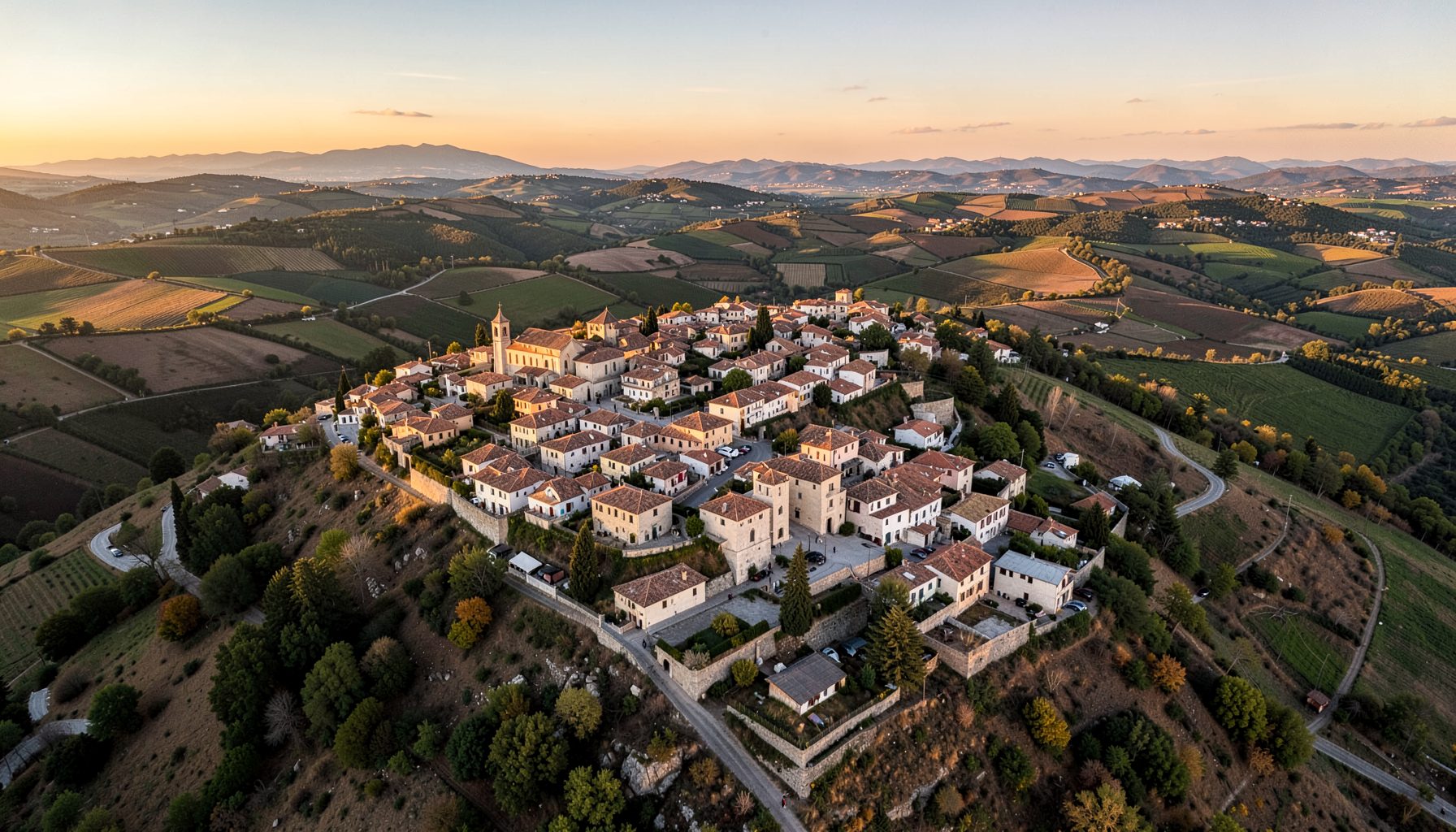
In the weeks leading up to Carnaval, a small workshop on the outskirts of Agudo turns into a hive. Local dressers of floats spend long evenings bent over sewing machines, draping fabric on dressmaker's dummies, and pinning sequins onto masks. For the first time, one of the most respected costume makers in the area is opening the doors to the public, offering a guided behind-the-scenes tour of carnival costume making that reveals the patient work behind every glittering figure.
Communities that celebrate carnival treat costume traditions as seriously as any religious festival. Sydney's Mardi Gras has built an entire industry around bespoke designers, with each year's theme inspiring months of construction in warehouses around Surry Hills and Marrickville. The Spanish tradition shares that obsession with craft, and the dressers of Agudo are inviting visitors to see how the magic begins long before the drums.
The dresser leading the tour is a third-generation seamster whose grandmother stitched carnival capes during the post-war years, when fabric was rationed and every metre had to earn its place. His workshop sits behind a stone house on Calle del Olivo, where visitors are greeted by the smell of coffee, sawdust, and fabric glue. He speaks in the soft, unhurried voice of rural La Mancha, but the moment he describes a sleeve seam he has come back to redo for the fourth time, his eyes light up with the same intensity an Australian audience might recognise in a sessional tailor in Melbourne pushing a jacket lapel one millimetre further into place.
He keeps notebooks filled with sketches of mythical beasts and Moorish-inspired headdresses, drawing from a visual vocabulary that stretches from rural Andalusia to the medieval carnivals of northern Italy. Tour participants are encouraged to flip through the pages, and many find themselves struck by the resemblance between his horse-head designs and the elaborate dragon costumes paraded through Darling Harbour during Chinese New Year celebrations in Sydney, where artists borrow generously from European folk traditions.
Carnival in Spain is older than most outsiders realise. The festivities tie back to pre-Lenten rituals that the Catholic Church absorbed into the liturgical calendar, while the secular elements reach further, into Roman feasts and Iberian harvest gatherings. Local tradition holds that a proper carnival costume should exaggerate, mock, or elevate some aspect of village life, which is why each town's parade feels like a yearbook of its own quirks. In Agudo, expect oversized figurines of shepherds, olive pickers, and the famously patient donkeys of La Mancha.
Communities that suffer through cold winters have invented similar excuses to let loose before spring arrives. Adelaide's Fringe Festival fills South Australia with costumed crowds in February and March, while Melbourne's Italian community holds an annual Carnevale that draws tens of thousands along Lygon Street. The dressers of Agudo appreciate the kinship; both cultures treat costume as a form of storytelling, and both spend the rest of the year quietly storing materials for the next burst of colour.
A costume is only as good as what goes into it. The workshop sources base fabrics from suppliers in Ciudad Real and Toledo, with embroidered trim often coming from small ateliers in Córdoba. Beads and sequins arrive in bulk from wholesalers who also supply Madrid theatres, which means the same sparkle that lights up a Gran Vía musical ends up glued to a hand-painted devil's wing on the Agudo main drag.
The workshop is supported by the wider rural economy. While the dressers are not in the food business, they buy from producers who prize quality and regional identity. A good example is the work of small operations like the regional chorizo award winner, whose cured meats depend on the same patient, time-honoured craft. The dressers often joke that if you can cure a chorizo properly, you can stitch a corset.
For unusual elements, including the boar-hide accents that appear on certain allegorical figures, the workshop turns to local farmers and country associations. A recent hunting association talk drew two of the dressers along, since the discussion covered how to source hides without putting pressure on regional wildlife populations.
The tour itself runs for roughly two hours and is split into three zones. The first is the design wall, where the lead dresser pins up reference images, fabric swatches, and tiny painted maquettes of next year's headpieces. Tour-goers receive a clipboard and sketch their own carnival character, a gentle icebreaker that surprises even those who swear they cannot draw.
The second zone is the cutting room, where huge bolts of fabric lie along the floor like sleeping animals. Here the head cutter explains pattern-making in plain language, comparing the geometry of a sleeve to the curved roof of the Sydney Opera House, a comparison that tends to win over visitors from the Hunter Valley or Brisbane's western suburbs. The third zone is the finishing station, where visitors can press a real sequin into a practice panel and learn how a stitch tension of one millimetre can change whether a feathered shoulder reads as regal or ragged on parade day.
No carnival in Spain survives on a single artisan, and neither does a Mardi Gras parade in Sydney. Behind the workshop's walls sits a rotating cast of volunteers: teenagers earning community service hours, retirees who love sewing, and Erasmus exchange students who have heard about the tradition and want a slice of village life. The dresser treats them like family, which is why some of his best seamstresses return year after year.
In towns like Agudo, community groups of every kind chip in. Agricultural cooperatives lend storage space, parents' associations run the canteen during workshop weekends, and neighbourhood clubs fund new sewing machines when the old ones finally give up. Rural organisations follow a similar pattern across regional Australia, where a town-hall meeting about wildlife management or sport shooting often ends up knitting a tight social network that later pulls off a much bigger event together.
Festival costumes vary widely around the world, and the snapshot below shows how the Agudo celebration measures up against other well-known carnival traditions, including two Australian readers will know personally.
| Tradition | Region | Typical Costume Material | Performance Style | Audience Role |
|---|---|---|---|---|
| Carnaval de Agudo | La Mancha, Spain | Satin, papier-mâché, boar hide | Walking parade with hand-pulled floats | Local families lining the street |
| Sydney Mardi Gras | New South Wales, Australia | Lycra, LED wiring, recycled textiles | Choreographed float procession | Cheering crowds, televised broadcast |
| Adelaide Fringe | South Australia, Australia | Mixed media, wearable art | Street theatre and roving performers | Walkabout audience, ticketed venues |
| Carnaval de Cádiz | Andalusia, Spain | Lightweight theatrical fabrics | Singing comedy troupes | Seated theatre audiences |
| Carnevale di Venezia | Veneto, Italy | Hand-moulded masks, silk brocade | Costume balls and masked processions | Tourist-heavy sightseeing crowds |
The table is a rough guide only. Each celebration evolves year on year, and newer traditions often borrow heavily from the older ones, which is why an Adelaide performer may end up wearing fabrics first stitched in Andalusia three centuries ago.
The dresser admits, with the wry honesty of any master craftsperson, that the next generation of costume makers will need to keep the workshop going. Young people in rural Spain drift toward the cities, and the pool of trained seamsters in villages has shrunk. To counter that, the workshop welcomes two apprentices a year, and the tour doubles as a quiet recruitment exercise, since visitors who fall in love with the craft sometimes return for a longer course.
The same effort plays out in Australian cities, where fashion studios in Fitzroy and Newtown run open days to draw young people into garment work. Mardi Gras costume houses train dozens of new designers every season, and a fair share grew up in regional towns before heading to the coast. The lesson, both in Agudo and in Sydney, is the same: costume making looks like pure fun from the footpath, but it survives because someone has to teach it to the next pair of patient hands.
If you want to see the costume makers of Agudo at work, check the Agudo Ciudad Real portal for tour dates, volunteer openings, and a parade calendar. Drop into the forum to swap costume ideas with neighbours, or follow the local news feed to keep up with workshops, parade bands, association talks, and the food awards that keep La Mancha so distinctively itself.
Stay informed with local news updates covering Agudo and the surrounding region. Browse the Hemeroteca for past articles and keep up with what matters in the community.
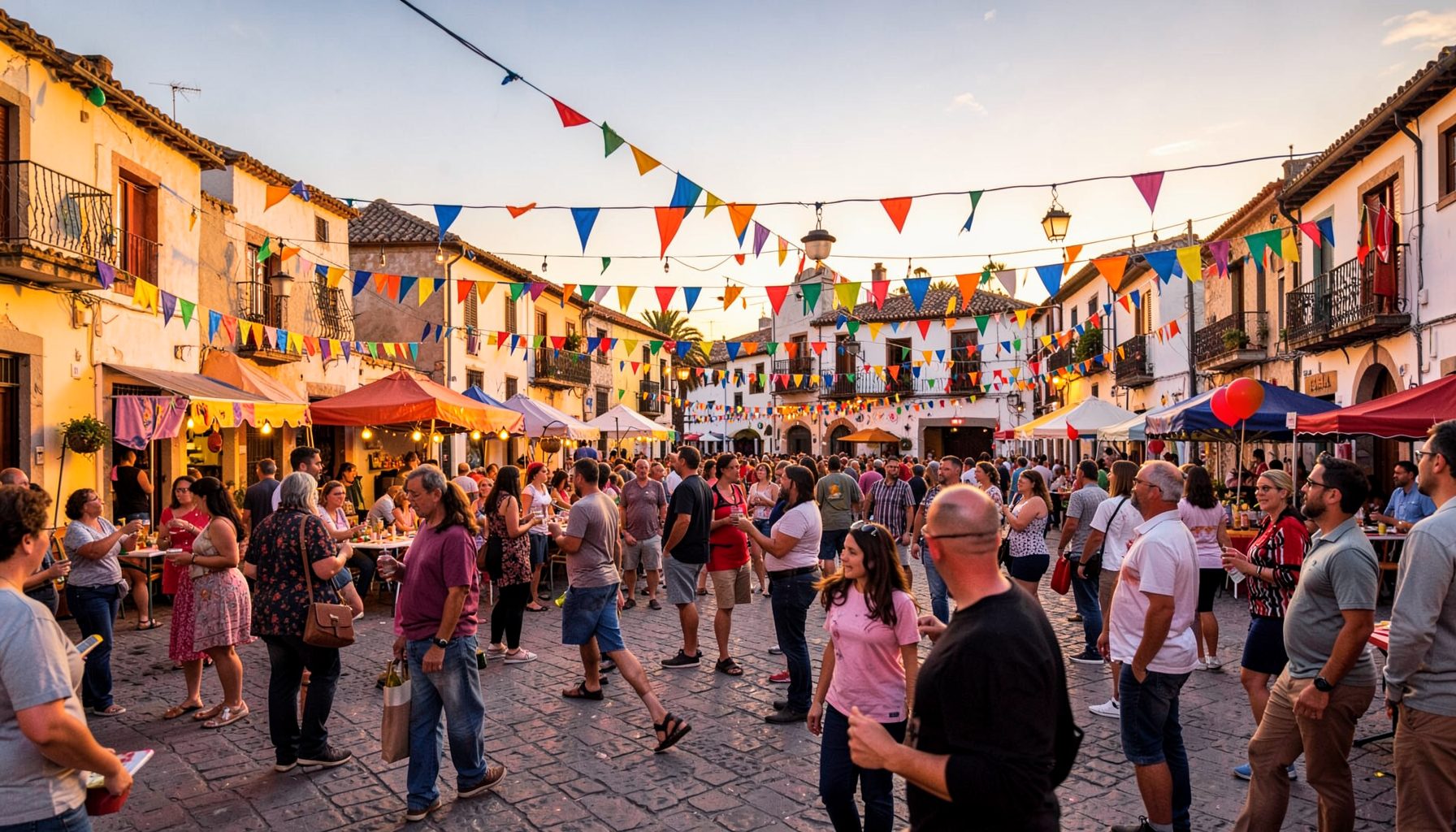
Join the conversation in the Agudo community forums. Access the Foro antiguo archive and participate in discussions with fellow residents and visitors.
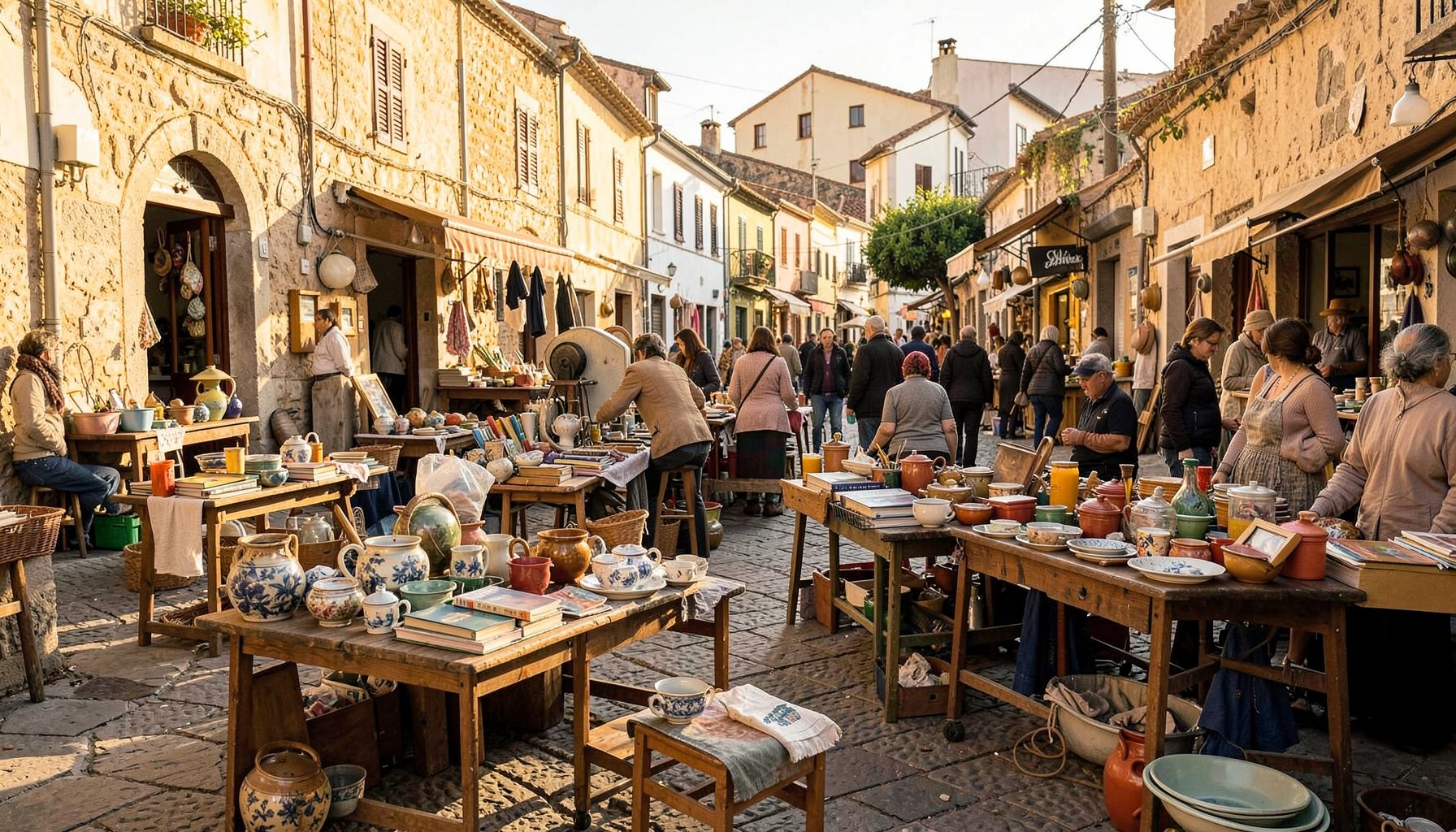
Browse local second-hand listings in the Agudo area. A convenient marketplace for buying and selling within the community.
Explore our directory of recommended links, including the Ayuntamiento de Ciudad Real, Lagunas de Ruidera, Parque de Cabañeros, Agudo Joven, and Balneario Cervantes.
Access practical tools including Prensa links, radio, horóscopo, Loterías results, a leisure guide, recipes, a dictionary, and Street View integration.
Watch videos showcasing Agudo and the surrounding region. A visual tour of local life, landscapes, and community events.