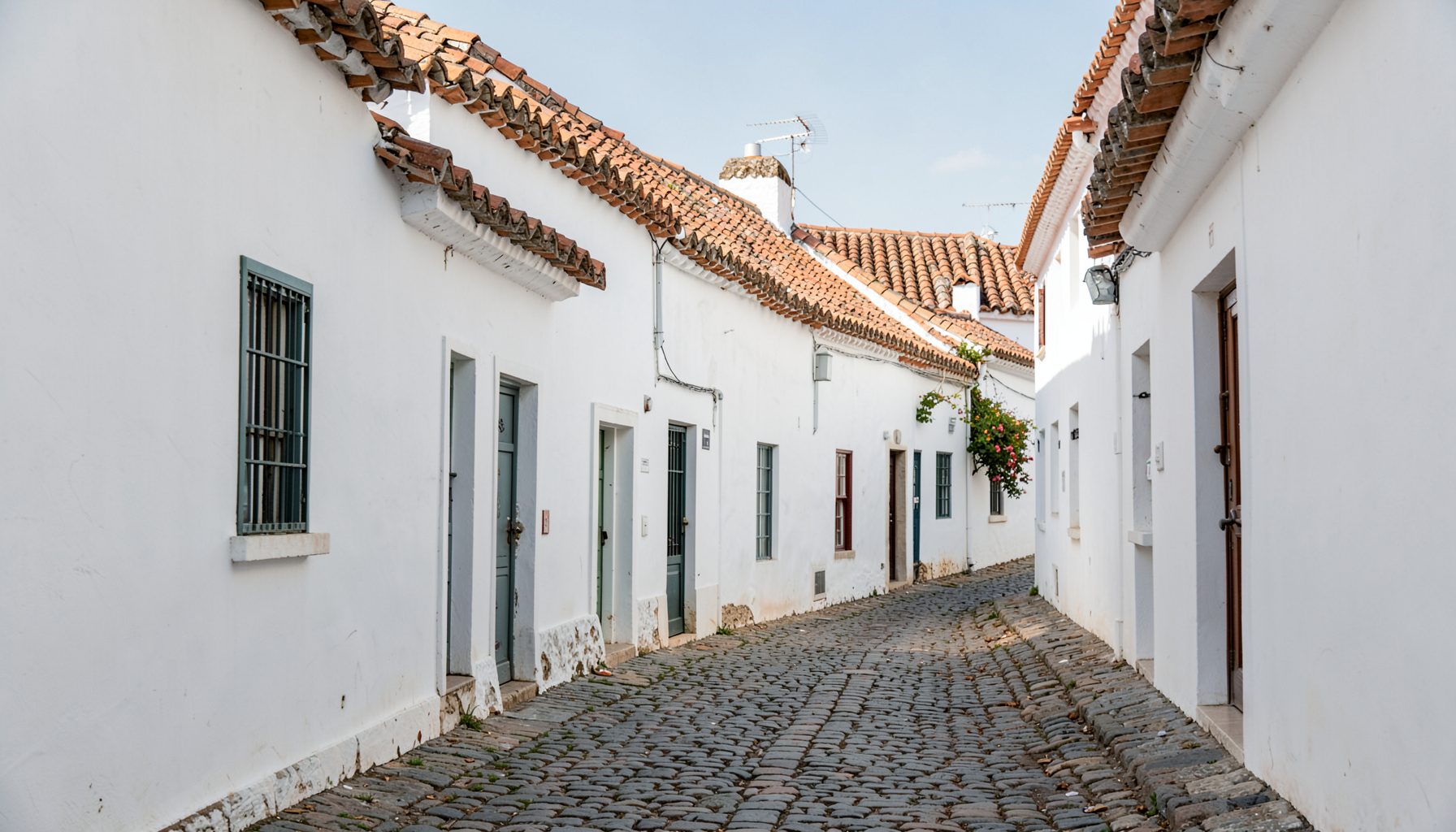
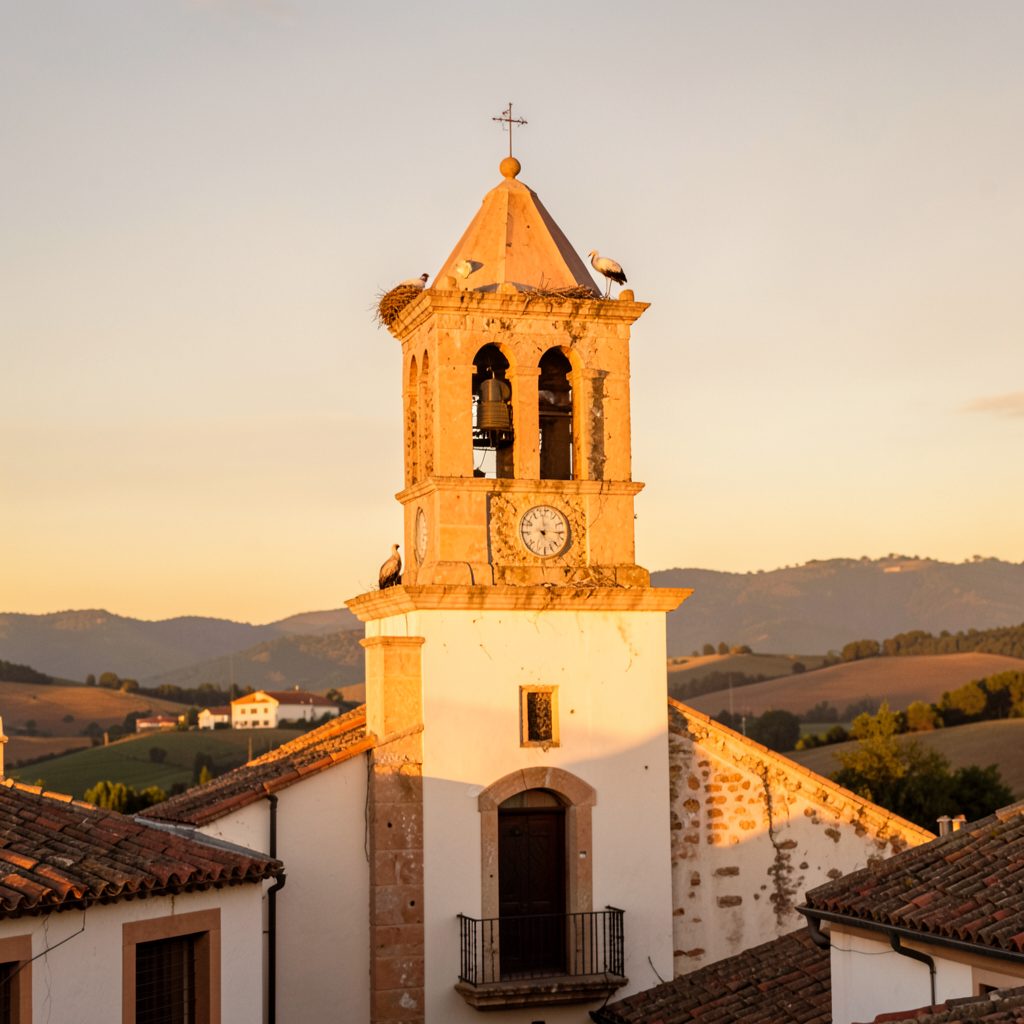
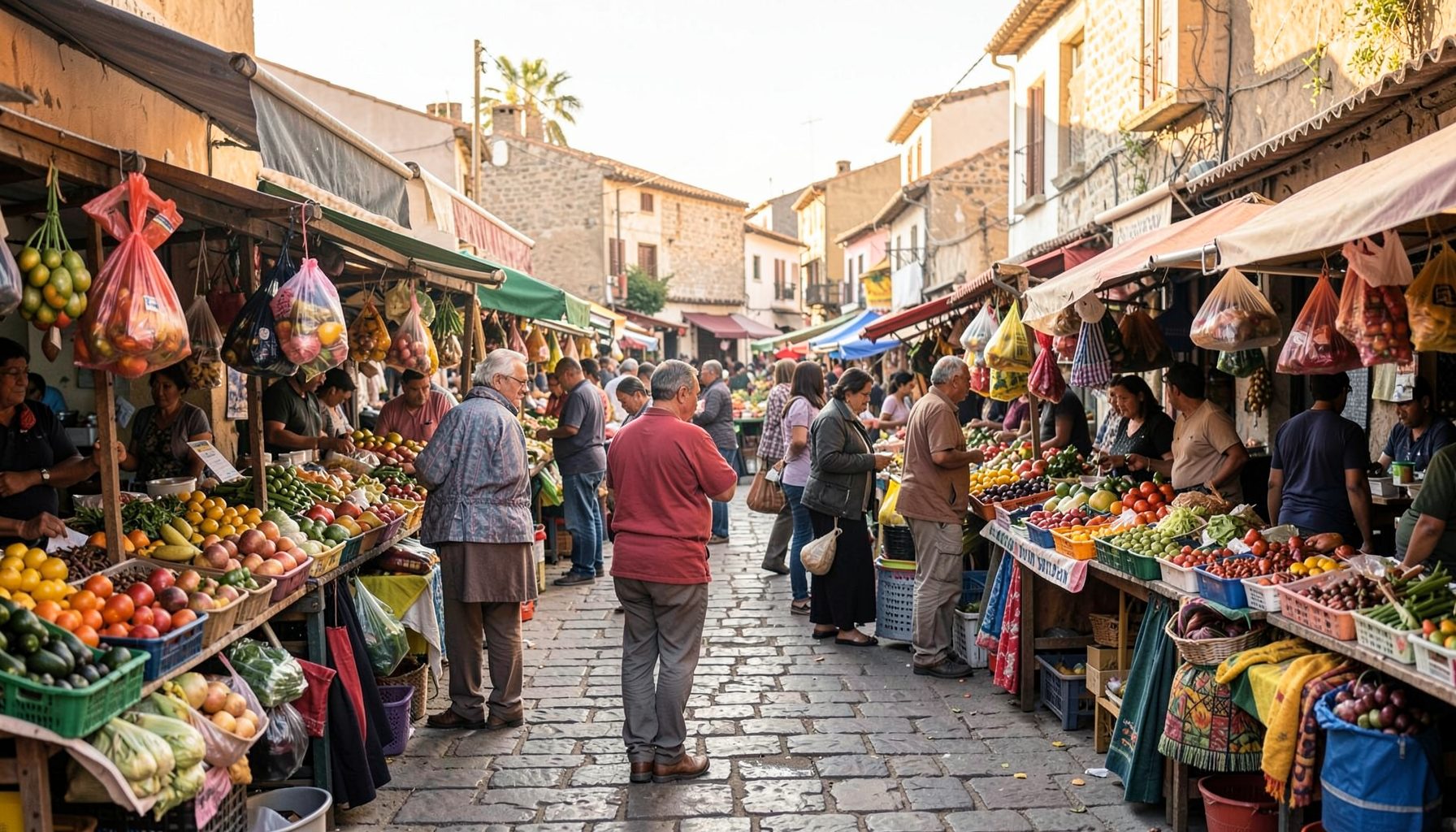
Stay informed with local news updates covering Agudo and the surrounding region. Browse the Hemeroteca for past articles and keep up with what matters in the community.
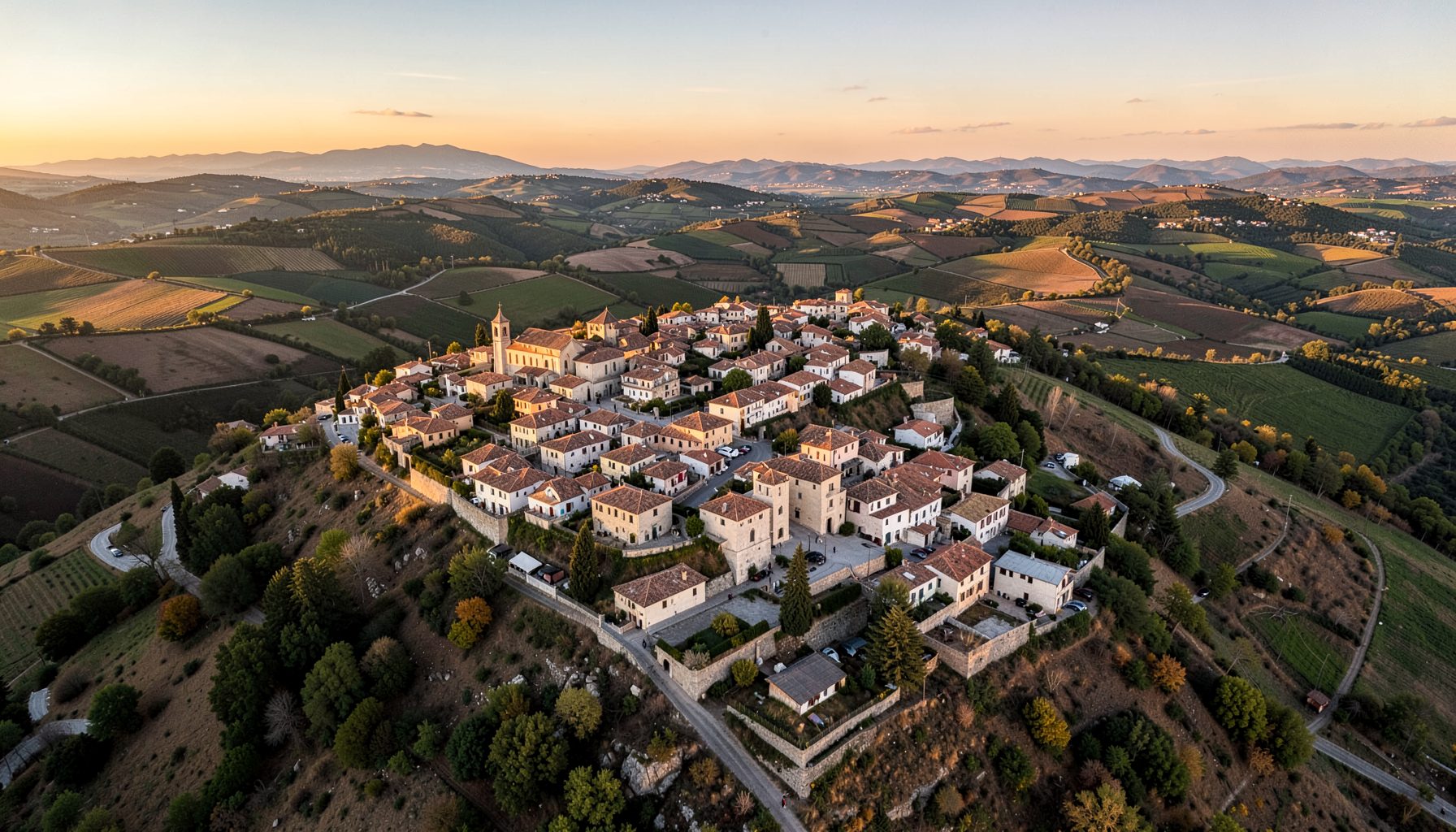
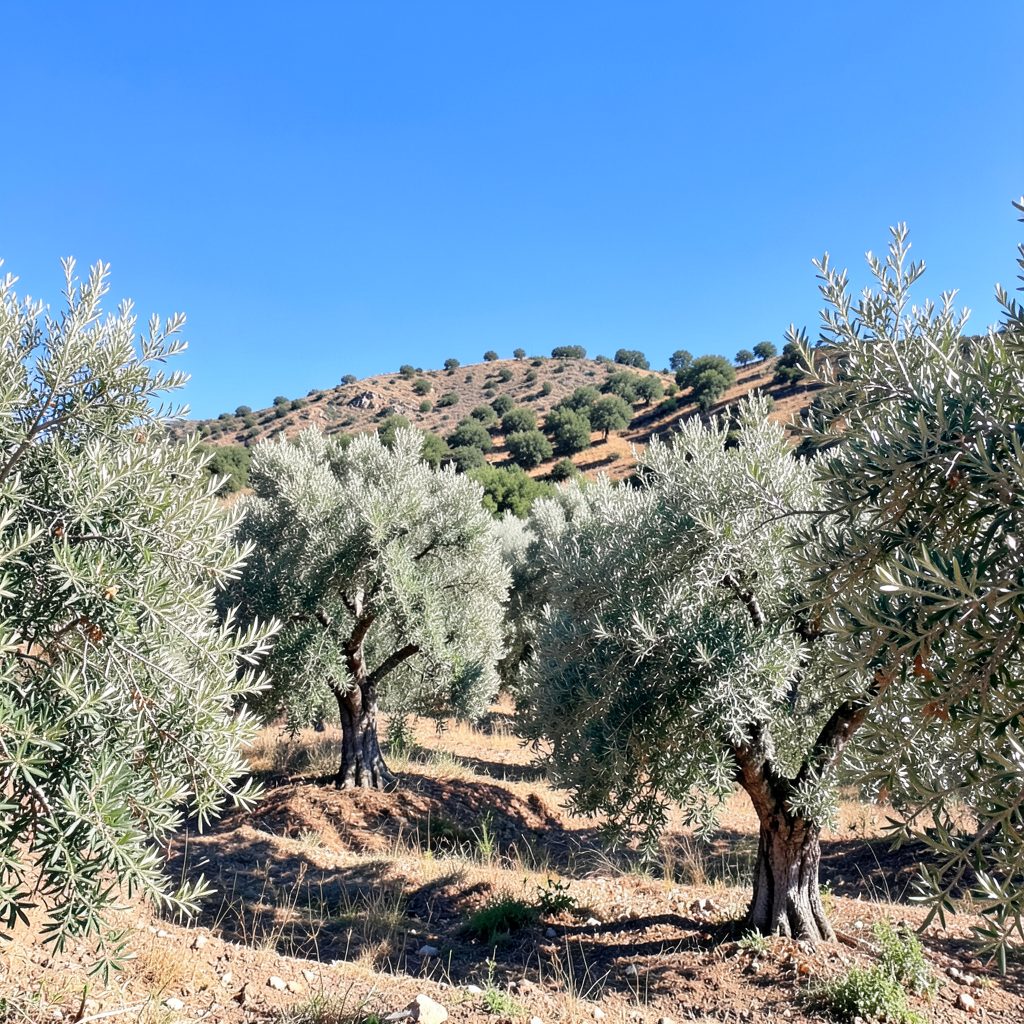
At the eastern approach to Agudo, where the road from Almadén curves past the last olive groves before the village begins, an old mill wheel has stood for longer than anyone can clearly remember. Its iron rim was forged in a workshop that no longer exists, and its wooden paddles had been replaced so many times over the decades that nobody could trace the original grain. For years the wheel leaned a little, its frame cracked, and visitors walking into town from the south would pause to look at it without quite knowing why.
That is beginning to change. A local carpenter, born and raised three streets away from where his great-grandfather once shod mules for the millers, has spent the summer rebuilding the timber frames that hold the wheel in place. The work is slow, deliberate, and visible to every passer-by, which has made the project something of a quiet spectacle for the people of Agudo.
What is being restored is not just the wheel itself but the gesture of arrival it represents. The entrance to a town in inland Ciudad Real has always carried more weight than a mere signpost, and the carpenter's chisels and saws have given residents something to gather around during the long, hot weeks of late July and August.
The mill wheel sat at the entrance of Agudo long before the modern road replaced the old drovers' track, and locals still tell stories about which families used to grind grain there. Photographs from the 1950s show the wheel half-buried in ivy, its paddles thick and dark from seasons of floodwater. By the time the village heritage association began documenting it properly in the 1990s, much of the original timber had been lost to rot and termites, replaced piecemeal with offcuts and fence posts.
When the association finally secured a small grant to restore the structure, the choice of who should do the work was not complicated. The carpenter, whose family has lived in the same calle for four generations, was already known for the way he repaired old doors and window shutters without losing the marks left by previous hands. He had spent years working on farm buildings across the comarca, and his name came up the moment the subject of the wheel was raised.
His brief, drawn up with the help of a regional heritage advisor, was modest in scope: replace the failing structural timbers, retain as much of the original wheel as possible, and use joinery techniques that would have been familiar to the original builders. The budget, like most heritage budgets in rural Spain, was tight, and the timber had to come from a sustainable source within a reasonable distance of the village.
The workshop sits in a converted sheepfold on the edge of Agudo, with hand tools hung on nails driven into centuries-old stone walls and a bandsaw salvaged from a closed cooperative in the next valley. The carpenter works mostly alone, though during the school holidays his nephew appears to sweep the floor and ask the kind of questions that slow him down just enough to think about what he is doing. It is the kind of set-up that would feel instantly familiar to anyone who has spent time in a small Australian trade workshop, where the radio plays in the background and the kettle is always within reach.
His approach is patient. He begins each day by reading the timber, looking for how the grain curves, where the old knots sit, and which faces will take the weather best. He rarely draws a full plan on paper; instead, he works from a chalked outline on the floor of the workshop and lets the wood tell him where the joints should fall. Visitors to the cultural centre nearby sometimes catch a glimpse of him at work on their way to other community events, including the recent urban beekeeping workshop that drew families from across the region to learn about keeping hives on balconies and roof terraces.
The vocabulary of the trade has changed surprisingly little over the generations. He still uses words for mortise, tenon, and rebate that his grandfather used, and he still planes against the grain to test a board, the way tradesmen in any language tend to do when they want to know what a piece of wood is really made of.
The frame around the wheel had originally been built from oak felled in the nearby Sierra Morena, and the carpenter was determined to use the same species if he could find it in a workable form. After several trips to a small sawmill in the foothills, he settled on a batch of reclaimed roof timbers from a barn demolition further south. The boards were air-dried rather than kiln-dried, which meant they would behave more like the original wood once they settled into their new position.
Timber selection in this kind of work is half science and half instinct. He rejected boards with too much sapwood, even when the dimensions were perfect, because sapwood draws moisture and invites the insects that have already done so much damage to the wheel. He favoured pieces with a tight, even grain and a slight curve, the kind of shape that an experienced woodworker can read at a glance.
Anyone who has wandered through a timber yard in Australia will recognise some of these decisions, even if the species are different. A chippy in Brisbane or Perth choosing spotted gum or blackbutt for an outdoor structure will weigh the same trade-offs between durability, workability, and how the timber will move once it is in place. The phrasing changes — a Queensland tradesman might say a board is "a bit cheeky on the edges" or that a length of timber "has a fair bit of twist in it" — but the underlying conversation between the worker and the wood is remarkably similar.
By mid-August, the new frames were beginning to take shape, and the carpenter was able to trial-fit them at the workshop before the final installation at the entrance of Agudo. He worked on the heaviest sections early in the morning, when the temperature was still bearable, and shifted to the smaller joints as the day warmed up. The sound of his mallet carried down the calle and into the plaza, where elderly residents sat in the shade and offered running commentary on his progress.
The trial fitting revealed a small problem with one of the cross-members, which sat a few millimetres proud of the wheel's iron rim. Rather than plane the timber down, the carpenter re-cut the joint so that the offending piece would sit slightly further back, preserving more of the wood's strength. It is the kind of adjustment that would pass unnoticed by most passers-by, but it is exactly the sort of detail that will keep the frame solid for another generation.
The finished frames were treated with a traditional linseed-based finish, mixed in the workshop from raw oil and a small amount of pine turpentine. The colour will darken over the first winter, settling into the warm brown that anyone walking past the entrance of Agudo will recognise as the colour of the village itself.
A tradesperson arriving from the Barossa Valley or a small town on the NSW south coast would spot a few things straight away. The first is the dryness. Inland Spain eats moisture from timber faster than most parts of coastal Australia do, and the carpenter has had to allow for shrinkage in every joint. The second is the scale. The frames are heavier and more robust than the equivalent structure on a heritage bridge near Margaret River or a restored woolshed outside Hahndorf, because the wheel itself carries more load than it looks.
The third is the community rhythm. Work on a project like this in rural Australia would probably be funded through a different mix of grants, sponsorship from the local Bunnings sausage sizzle, and a working bee organised through the pub. In Agudo, the funding has come from the heritage association, a small contribution from the regional government, and a handful of private donations collected at the cultural centre. The pace is slower, and the conversations longer, but the underlying idea — that a community looks after its own landmarks — is exactly the same.
For visitors arriving by road, the new frames are also a useful landmark. The town has been quietly investing in the way it presents itself to outsiders, and a fresh set of bilingual street signs now helps international guests find the mill, the plaza, and the cultural centre without having to ask for directions in halting Spanish.
| Aspect | Agudo mill wheel | Typical Australian heritage repair |
|---|---|---|
| Primary species | Reclaimed European oak from Sierra Morena | Spotted gum, blackbutt, or jarrah |
| Drying method | Air-dried for several years | Often kiln-dried, sometimes air-dried |
| Main threat | Termites and seasonal humidity | Termites, bushfire exposure, UV |
| Typical joinery | Mortise and tenon, draw-bored | Mortise and tenon, sometimes with steel plates |
| Finish | Linseed oil with pine turpentine | Tung oil or commercial exterior oils |
The new frames will be installed at the entrance of Agudo over the coming weeks, and the carpenter has already started thinking about his next project: the small wooden bridge further up the path that leads to the old laundry. Drop by the workshop, have a yarn with the carpenter over a cold drink, and follow the progress of the wheel as it takes its place again at the edge of town. Bring water, stay out of the midday sun, and tip your hat to the wood.
Stay informed with local news updates covering Agudo and the surrounding region. Browse the Hemeroteca for past articles and keep up with what matters in the community.
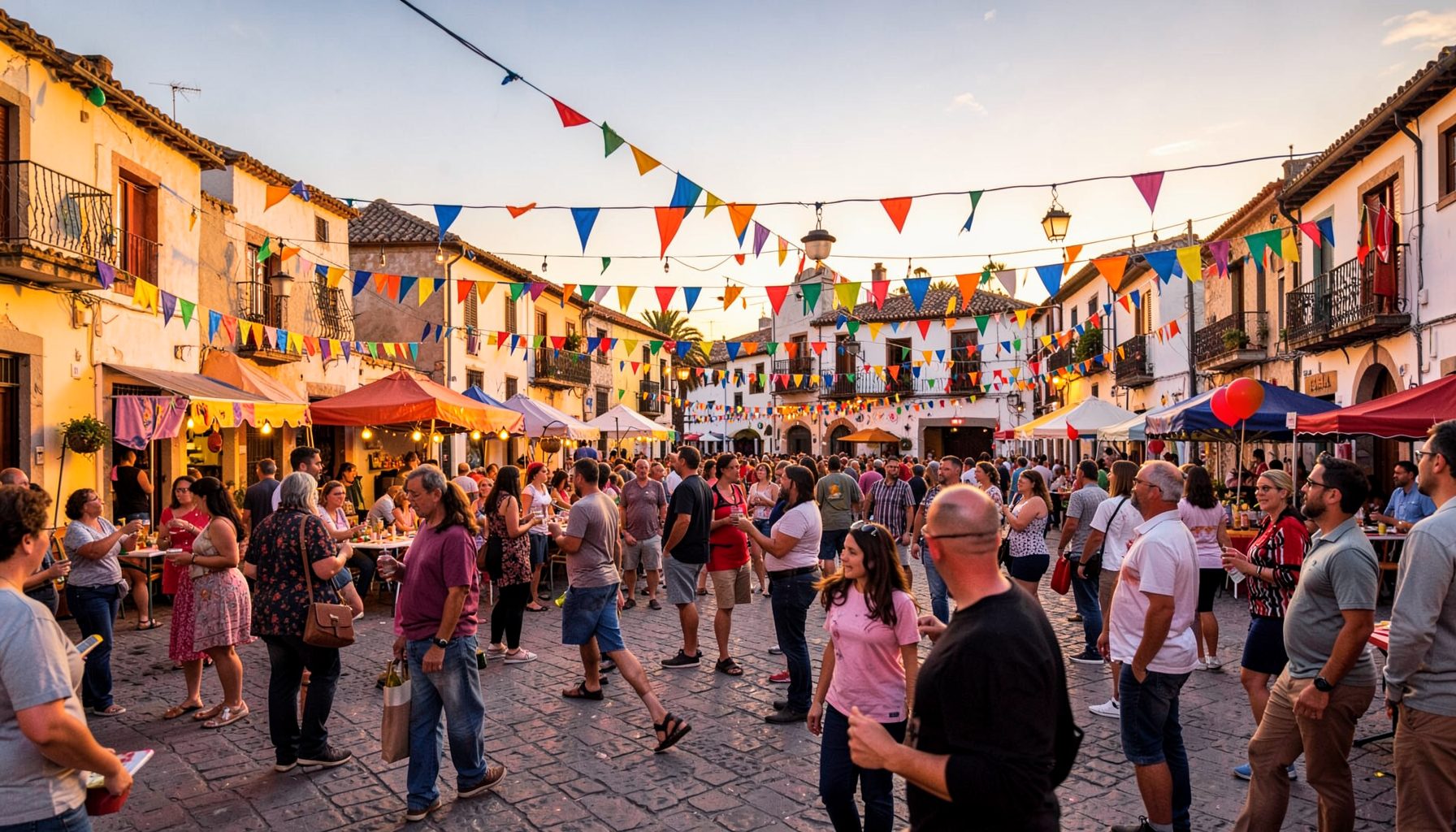
Join the conversation in the Agudo community forums. Access the Foro antiguo archive and participate in discussions with fellow residents and visitors.
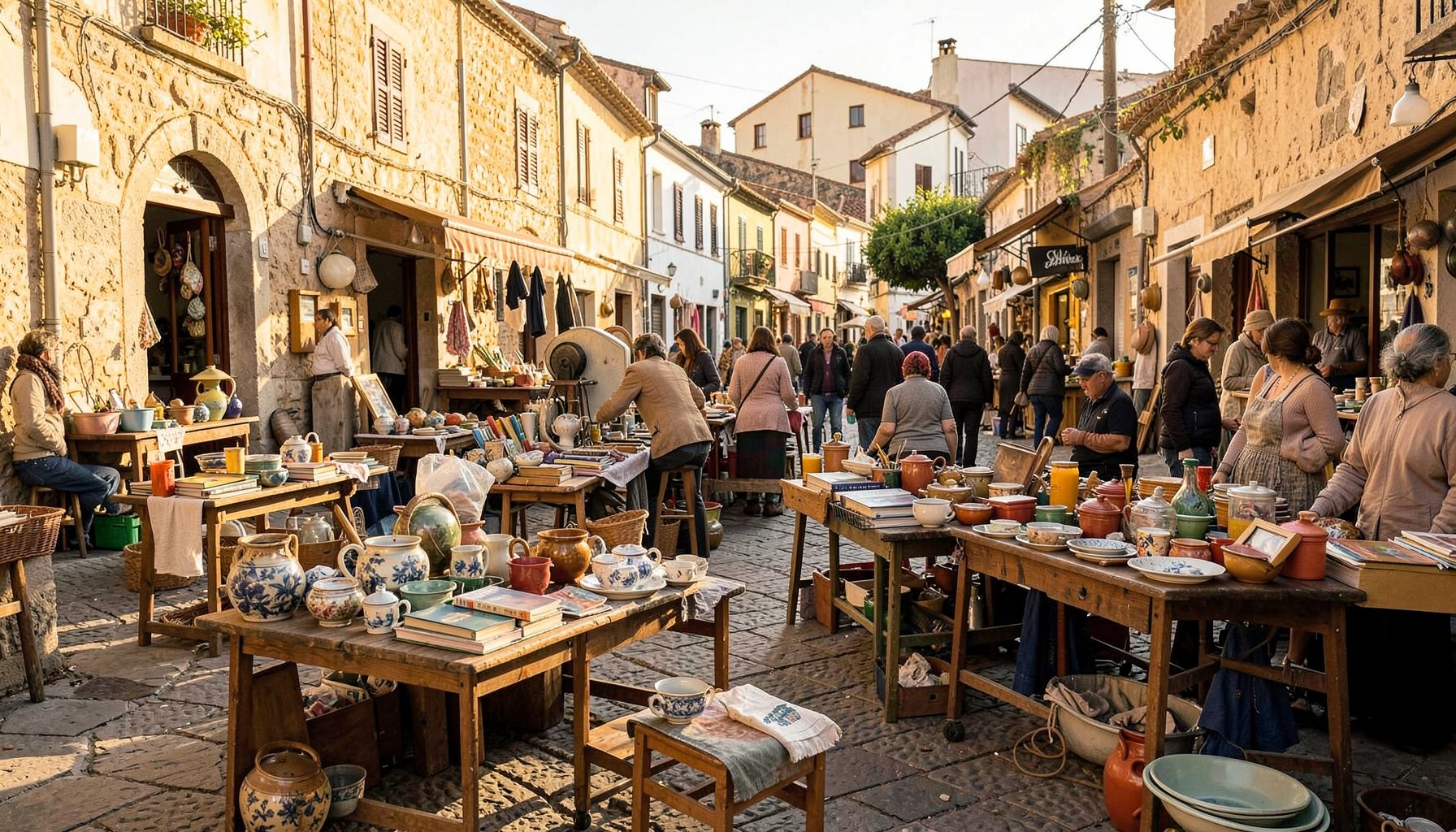
Browse local second-hand listings in the Agudo area. A convenient marketplace for buying and selling within the community.
Explore our directory of recommended links, including the Ayuntamiento de Ciudad Real, Lagunas de Ruidera, Parque de Cabañeros, Agudo Joven, and Balneario Cervantes.
Access practical tools including Prensa links, radio, horóscopo, Loterías results, a leisure guide, recipes, a dictionary, and Street View integration.
Watch videos showcasing Agudo and the surrounding region. A visual tour of local life, landscapes, and community events.