Stay informed with local news updates covering Agudo and the surrounding region. Browse the Hemeroteca for past articles and keep up with what matters in the community.
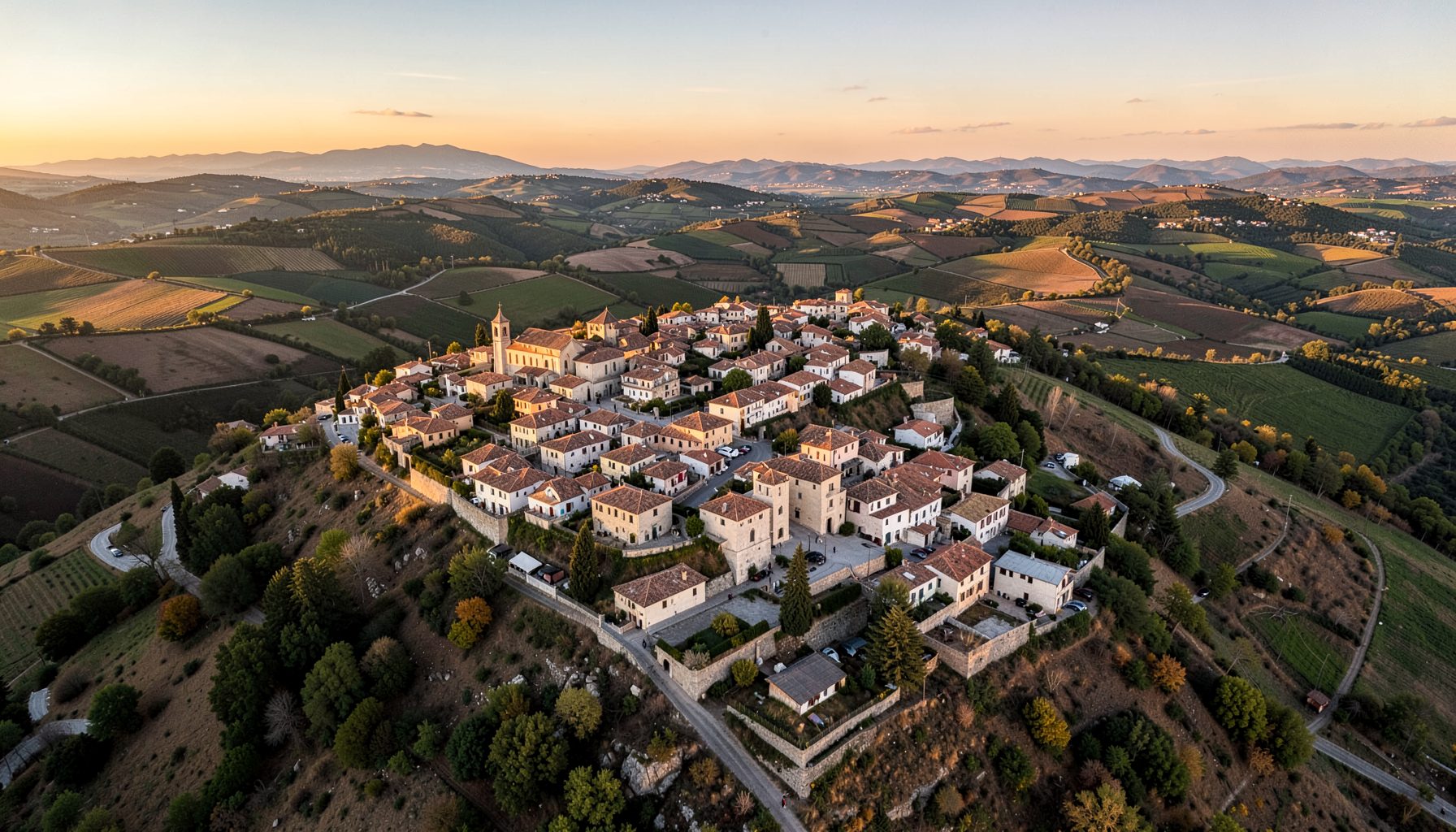
The family of Agudo's final blacksmith has handed over his collection of hammers, tongs, swages, and a heavy iron anvil to the local museum, ensuring that centuries of rural metalworking heritage stay within the community. The donation arrives at a moment when small Spanish towns are rethinking how they keep alive the memory of trades that once defined daily life.
For generations, the forge stood as a gathering point where locals exchanged news while horses were shod, ploughs repaired, and gates mended. Now, with the anvil silent and the family home emptied, the artefacts travel a short distance down the road to be catalogued, conserved, and put on display.
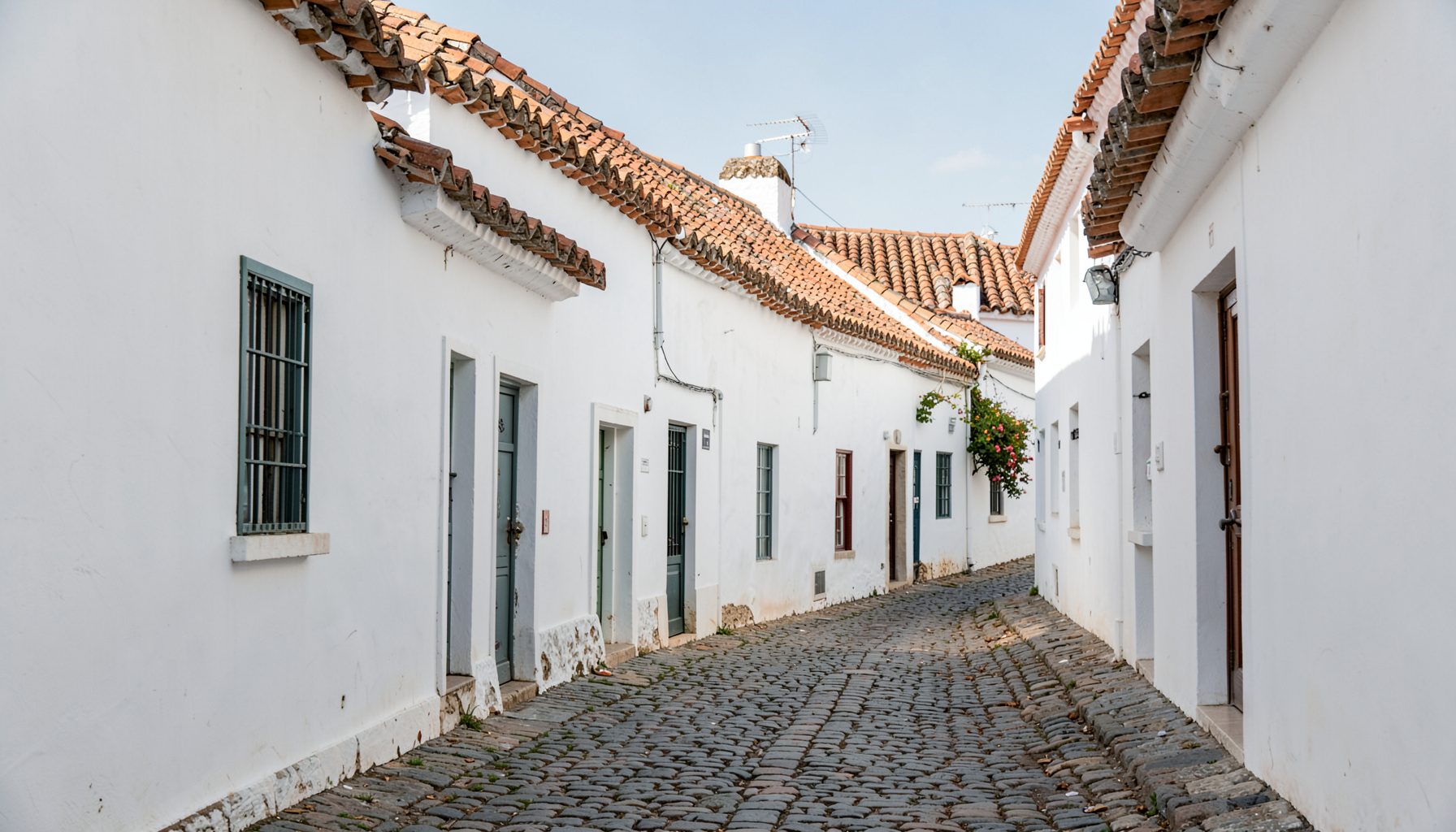
The blacksmith operated from a low stone workshop near the Plaza de España, the kind of building locals pointed to whenever newcomers asked about the town's working past. Photographs from the 1960s show his father at the same bellows, and the family kept the trade alive through three generations, adjusting to tractors, welding repairs, and eventually ornamental ironwork as agricultural demand shifted.
Locals remember the rhythm of the hammer ringing across the rooftops on winter mornings, a sound that some elders still say they hear in their sleep. Children from the nearby school would line up after class to watch sparks fly, learning early that the village had a maker, not just a shopkeeper. The workshop closed quietly in the early 2000s as orders dried up and the family turned to other work, but nothing inside was thrown out.
His widow and their three children spent the past year sorting through drawers of files, swage blocks, and hand-forged bolts, deciding what could be kept at home and what belonged to everyone. The decision to donate the working tools, rather than sell them, was framed as a debt repaid to a community that had kept the forge in business for so long.
The donated set includes more than eighty individual pieces, ranging from lightweight farrier's hammers to a 90-kilogram anvil worn smooth on one face from decades of shoeing. There are also hand-cut files, draw knives, quenching troughs, a small hand-cranked blower, and a leather apron still creased from years of use.
Museum staff have already begun the careful work of cleaning each item, applying rust converters where needed and photographing every piece before it joins the permanent collection. Several of the hammers carry the maker's stamp of Mure, a French toolmaker whose products travelled across southern Spain in the early twentieth century, giving curators an unexpected lead on regional trade networks.
Alongside the tools came a folder of handwritten invoices, customer ledgers, and photographs pinned to corkboard, items that turn a simple tool display into a portrait of rural commerce. The blacksmith's granddaughter, now living in Madrid, said during the handover that her grandfather would have wanted the anvil somewhere children could touch it, an idea the museum is taking seriously.
In a municipality of fewer than two thousand residents, heritage projects often run on volunteer time and small municipal grants. Bringing the forge collection into the museum strengthens the case for cultural tourism, a goal several neighbouring villages in the Sierra de Agudo foothills have been quietly pursuing.
The mayor's office welcomed the donation as a step toward a broader interpretation centre that would cover shepherds, tanners, and millers alongside the smith. Councillors noted that visitors driving through on their way to the Cabañeros National Park already stop for photographs of the old quarter, and a working display could lengthen their stay by an hour or two.
Local schools are also being invited to design workshops using replica tools, so that students can try their hand at bending a nail under supervision. The hope is that a generation raised on tablets and power tools will still associate Agudo with the ringing of iron on iron, the way their grandparents did.
Australians share a particular fondness for these small monuments to vanishing trades. In gold rush towns from Ballarat to Kalgoorlie, restored smithies sit beside preserved pubs and miners' cottages, and visitors happily pay for the smell of coal smoke and the clang of a working trip hammer. The National Trust of Australia runs several such sites, including Old Gippstown near Warragul, where a blacksmith gives regular demonstrations that draw school groups and grey nomads alike.
The conversation about what to keep and what to scrap plays out in similar ways across regional Victoria and New South Wales, where families often donate pioneer tools rather than see them sold to overseas collectors. Curators at places like the Pioneer Settlement in Swan Hill have learned that a dusty anvil with a good provenance can anchor an entire gallery, drawing visitors who arrive for the paddle steamers but stay for the craft stories.
Locals chatting at a community meeting in Broken Hill last year put it pretty plainly: "She'll be right to chuck the old rust, but the kids need to see how we used to do things." That blunt pragmatism, dressed in slang that would puzzle anyone outside the country, mirrors the feelings of the Agudo family, who saw their donation as practical rather than sentimental.
Looking at how various regions have handled similar bequests can help guide Agudo's next steps. Below is a short comparison of approaches taken by small museums and heritage trusts in comparable rural settings, drawn from publicly available reports and site visits.
| Region | Origin of collection | Display style | Public engagement |
|---|---|---|---|
| Agudo, Spain | Family donation of working tools and anvil from the town's last blacksmith | Planned interactive workshop with touch-friendly replicas | School visits, guided heritage walks |
| Ballarat, Victoria, Australia | Donated tools from gold rush era smithies, many via descendants of miners | Live demonstrations in a reconstructed forge | Paid demonstrations, school holiday programs |
| Kalgoorlie, Western Australia | Items gifted by prospecting families and state museum field teams | Static gallery with audio recreations of forge sounds | Self-guided audio tours, mining heritage festivals |
| Old Gippstown, Victoria, Australia | Mixed donations and loans from local farming families | Working smithy with scheduled forging sessions | Family events, blacksmithing workshops for adults |
| Pilar de la Horadada, Spain | Private collector loan of agricultural ironwork | Permanent gallery with rotating themed exhibits | Annual fair featuring rural trades |
The table shows that the choice between live demonstration and static display usually reflects budget and volunteer capacity rather than curatorial preference. Towns that rely on tourism revenue lean toward live forging, while those serving mostly locals prefer an interpretive room that can host school groups at low cost. A third hybrid model, popular in parts of regional Australia, uses scheduled forging days rather than permanent staffing, keeping costs manageable while still giving visitors something to watch and smell.
Anyone wishing to follow the museum's progress, view photographs of the donated tools, or contribute memories of the old forge can do so through the project's online page. The curators have promised regular updates as each piece is cleaned, catalogued, and eventually installed, and they are inviting former customers of the blacksmith to share stories that might accompany the display.
Residents, former neighbours, and anyone with a connection to rural metalworking are encouraged to visit the portal and add their voice to a record that began long before the museum existed. Community input will shape the labels, the workshop timetable, and the small details that turn a collection of iron into a living piece of Agudo's memory.
Stay informed with local news updates covering Agudo and the surrounding region. Browse the Hemeroteca for past articles and keep up with what matters in the community.
Join the conversation in the Agudo community forums. Access the Foro antiguo archive and participate in discussions with fellow residents and visitors.
Browse local second-hand listings in the Agudo area. A convenient marketplace for buying and selling within the community.
Explore our directory of recommended links, including the Ayuntamiento de Ciudad Real, Lagunas de Ruidera, Parque de Cabañeros, Agudo Joven, and Balneario Cervantes.
Access practical tools including Prensa links, radio, horóscopo, Loterías results, a leisure guide, recipes, a dictionary, and Street View integration.
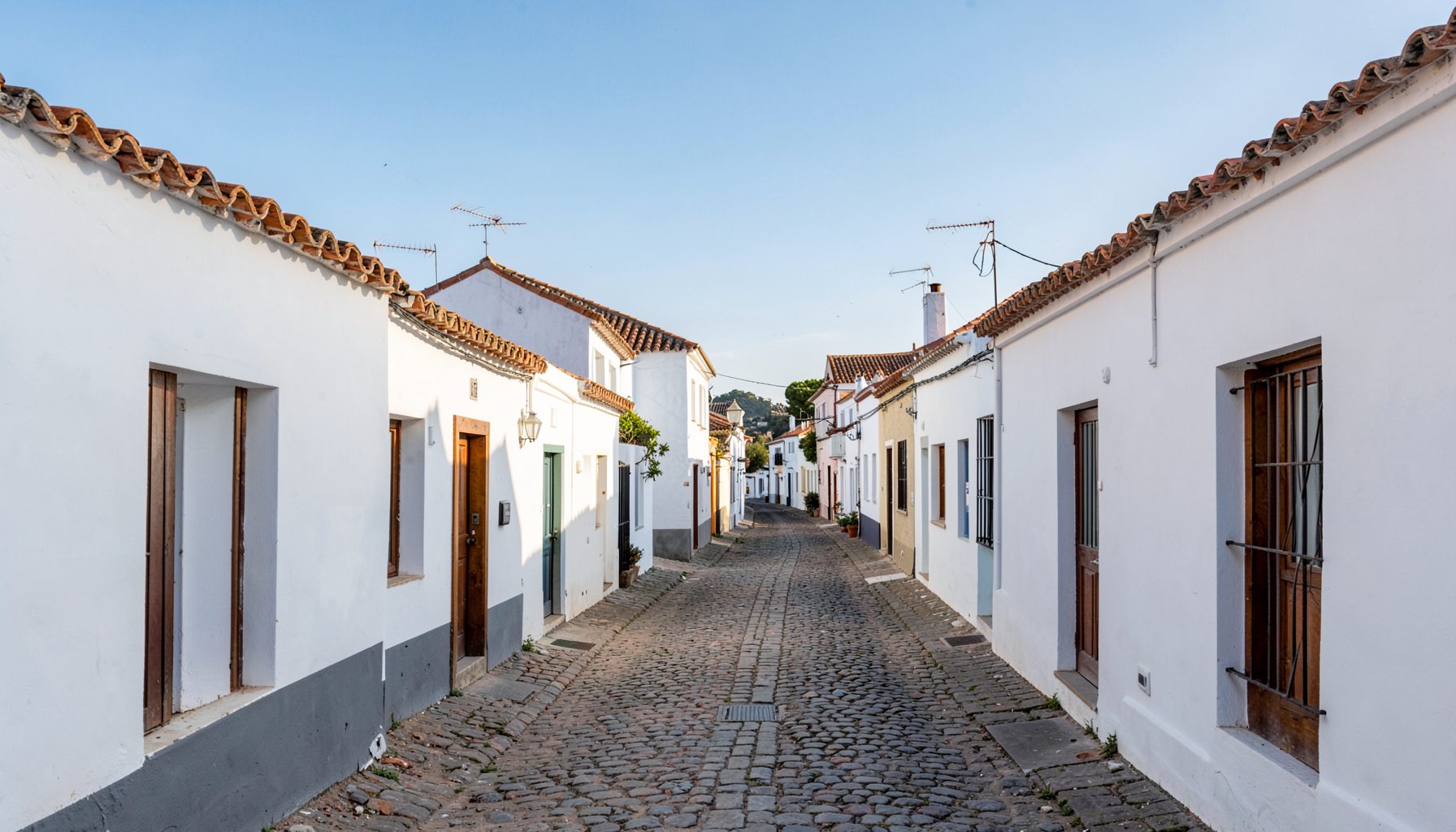
Watch videos showcasing Agudo and the surrounding region. A visual tour of local life, landscapes, and community events.