Stay informed with local news updates covering Agudo and the surrounding region. Browse the Hemeroteca for past articles and keep up with what matters in the community.
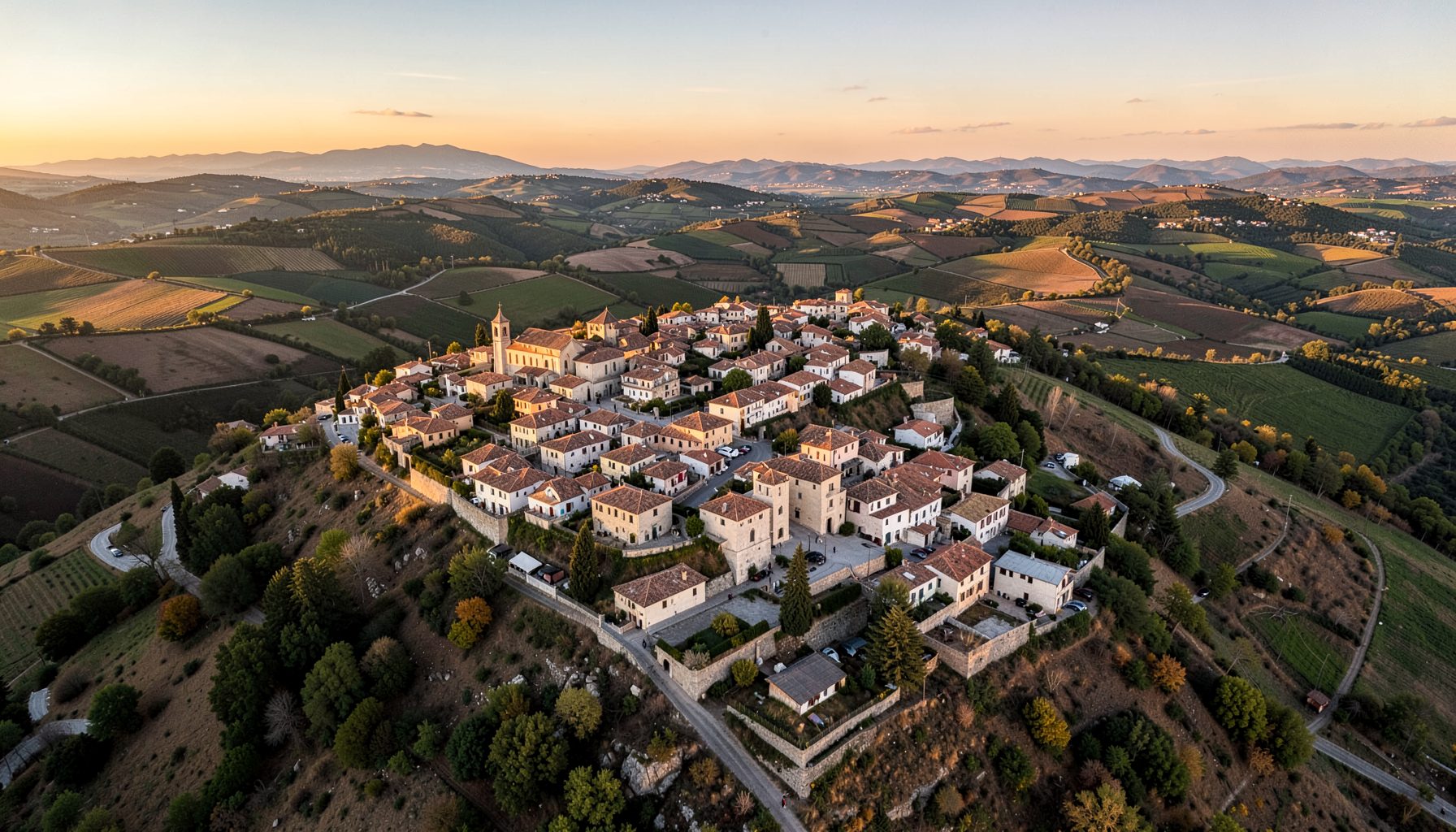
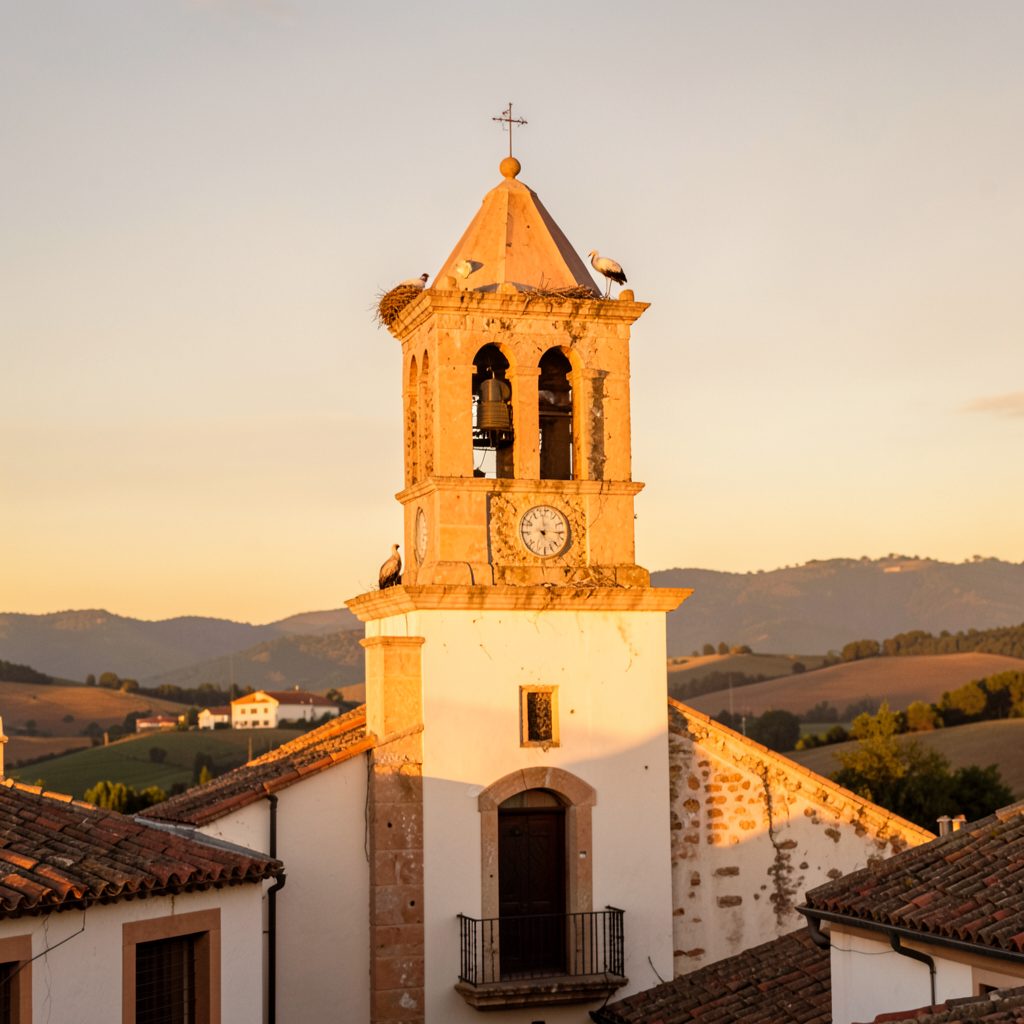
The plaza in front of the parish church in Agudo has reopened to foot traffic after municipal crews finished patching up the stone retaining wall that buckled during the wet weeks of late winter. Locals who walk past the church on their way to the bakery or the weekly market had watched the structure shift over several months, with mortar joints widening and a section of coping stones sliding forward after repeated freeze-thaw cycles.
The fix matters more than it might look to a casual visitor. The wall is part of what gives the church square its character, and it holds back the elevated terrace where families gather after Sunday mass. Council officials say the work was prioritised after an engineering report flagged the risk of loose stones falling onto the pedestrian path below.
Last winter's rains hit the region harder than usual, with several weeks of sustained precipitation followed by sharp temperature drops. Water seeped behind the original stonework, and the clay-heavy subsoil expanded and contracted enough to push the outer face of the wall out of alignment. A stretch of roughly twelve metres along the southern edge showed visible bulging, and a handful of capping stones had slipped by several centimetres.
Residents reported the issue through the local neighbourhood association, and council technicians carried out a visual inspection before ordering a structural assessment. The report confirmed what neighbours had been saying for months: the wall had moved enough that, without intervention, further movement was likely during the next heavy season. The plaza remained open, but a temporary barrier was installed to keep people away from the most unstable section.
The damage was not dramatic in the way a collapsed bridge or a flooded street might be, but it was the sort of slow-building problem that heritage structures often suffer. Stone walls built without modern damp-proof courses absorb moisture, and over decades that moisture works its way into every joint.
The repair programme started with the careful dismantling of the deformed section. Each stone was numbered, photographed, and set aside so it could be returned to roughly the same position once the backing was rebuilt. Crews removed the saturated soil behind the wall, replaced it with a free-draining granular fill, and installed a new perforated drainage pipe at the base to carry groundwater away from the structure.
New lime-based mortar was mixed on site to match the original pointing as closely as possible, and the stones were relaid in their original bond pattern. Where individual stones had cracked, they were either pinned with stainless-steel ties or replaced with reclaimed stone sourced from a local quarry. The coping stones were reset on a fresh bed of mortar and pinned to the course below to stop them from shifting again.
A short comparison table helps set out what changed and what stayed the same during the works.
| Element | Before repair | After repair |
|---|---|---|
| Backing material | Compacted clay fill | Granular drainage fill with geotextile |
| Drainage | None behind wall | Perforated pipe at base, weep holes |
| Mortar | Cement-based, partly degraded | Lime-based, matched to original |
| Capping stones | Loose, several displaced | Relaid, pinned, repointed |
| Surface finish | Weathered, biological growth | Cleaned, repointed, left to weather naturally |
The table makes it clear that the project was less about making the wall look new and more about addressing the hidden causes of the failure. The visual result is meant to blend in within a few months as the new mortar weathers to match the old.
One of the more interesting aspects of the job is the way it mixes traditional building methods with current structural thinking. The masons who carried out the pointing are trained in heritage restoration, and they understand how historic walls are meant to flex and breathe. At the same time, the engineers behind the design specified modern fixings and drainage details that would not have been available when the wall was first built.
That balance is becoming more common across southern Europe, where councils are dealing with ageing religious and civic buildings that were never designed to cope with the intensity of recent weather patterns. In Agudo, the council worked closely with the parish to make sure the works did not interfere with liturgical use of the church or the calendar of plaza events.
The project also gave a couple of younger tradespeople a chance to work alongside a heritage mason with decades of experience. Watching someone repoint a stone joint by hand, then explaining why a particular mix of lime and aggregate was chosen, is the kind of knowledge transfer that does not show up on a spreadsheet but matters enormously for future repairs.
Heritage stone walls are not unique to Spain. Across regional Australia, similar work turns up in places like the Southern Highlands of New South Wales, the historic goldfields towns around Ballarat and Bendigo, and the old stone bridges scattered through the Tasmanian countryside. Australian councils often face the same mix of ageing fabric, modern traffic loads, and weather patterns that the older infrastructure was never designed for.
The way the work is funded and managed is a little different. In New South Wales, heritage projects sometimes draw on state-level conservation grants, and local councils are expected to coordinate with traditional custodians and state heritage offices before any work begins. In Victoria, the process leans more heavily on heritage advisors attached to regional councils, and there is often a fair bit of paperwork before the first stone is lifted.
Locals in regional Australia tend to keep a close eye on projects like this, partly because the town pub, the school, and the church sit at the heart of community life. When a heritage wall starts to lean, people notice over their morning cuppa and have a yarn about it at the footy on the weekend. Public meetings are common, and councils that try to push through major works without a decent community briefing often find themselves answering questions at the next council session.
The practical lessons are similar wherever the wall happens to stand: act before the deformation becomes severe, choose materials that match the original, and make sure water has somewhere to go.
For other small councils weighing up a heritage repair of their own, a few practical points are worth keeping in mind before the first scaffold goes up.
Following these steps does not guarantee a perfect outcome, but it does make it far less likely that the council will be back patching the same stretch of wall in five years' time. It also gives residents confidence that their feedback has been taken seriously, which tends to make the inevitable small disruptions during the works easier to live with.
Anyone wanting to keep across this and similar local stories will find regular updates, photos, and council notices collected on the community portal at Agudo Ciudad Real. Readers can sign up for alerts about heritage works, road closures, and cultural events, and the archive goes back several years for those tracing how a particular project has unfolded over time.
Past coverage on the site includes earlier repair campaigns around the municipality, profiles of local tradespeople, and background features on the parish church and its square. For former residents who still feel a connection to the town, the portal offers a straightforward way to stay in touch without waiting for someone to mention the latest news over a long-distance phone call.
Stay informed with local news updates covering Agudo and the surrounding region. Browse the Hemeroteca for past articles and keep up with what matters in the community.
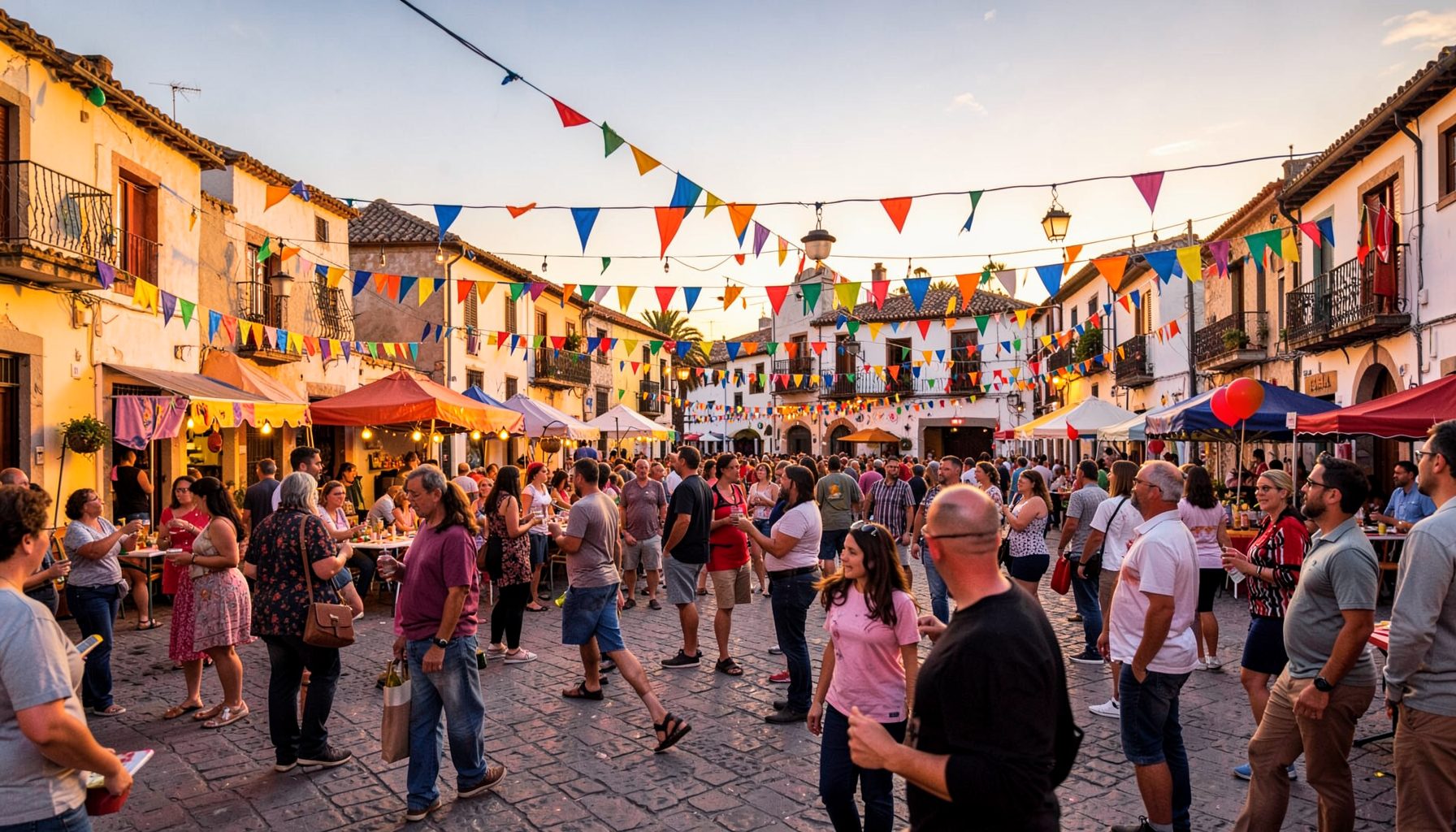
Join the conversation in the Agudo community forums. Access the Foro antiguo archive and participate in discussions with fellow residents and visitors.
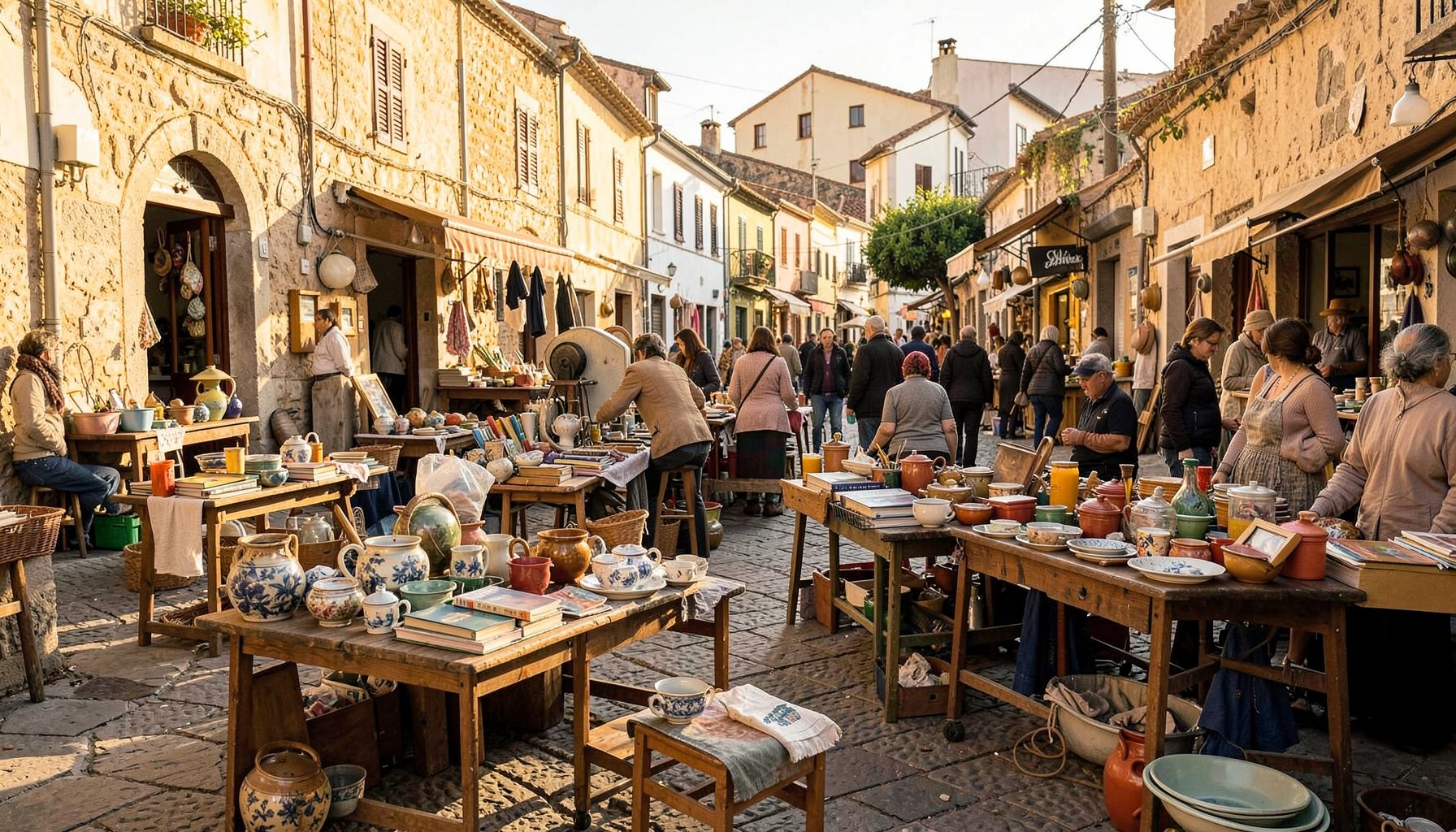
Browse local second-hand listings in the Agudo area. A convenient marketplace for buying and selling within the community.
Explore our directory of recommended links, including the Ayuntamiento de Ciudad Real, Lagunas de Ruidera, Parque de Cabañeros, Agudo Joven, and Balneario Cervantes.
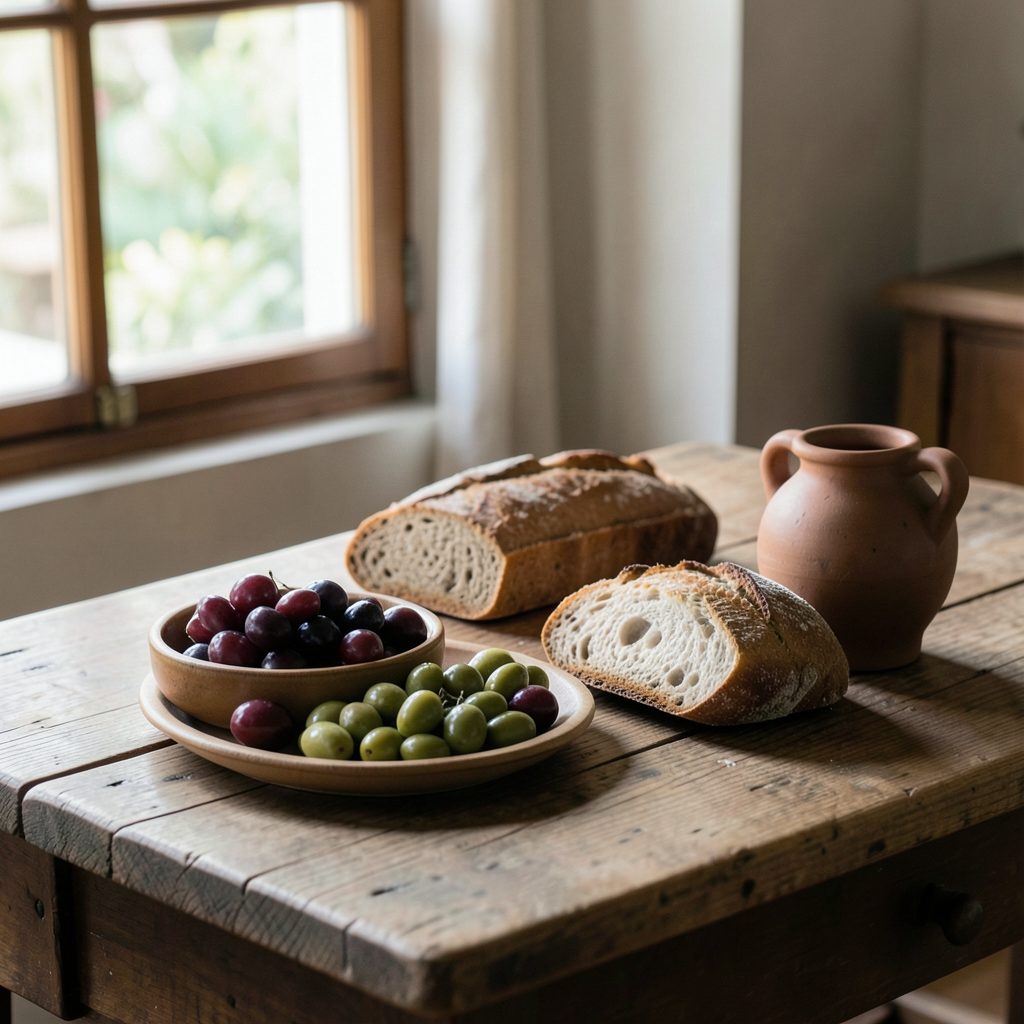
Access practical tools including Prensa links, radio, horóscopo, Loterías results, a leisure guide, recipes, a dictionary, and Street View integration.
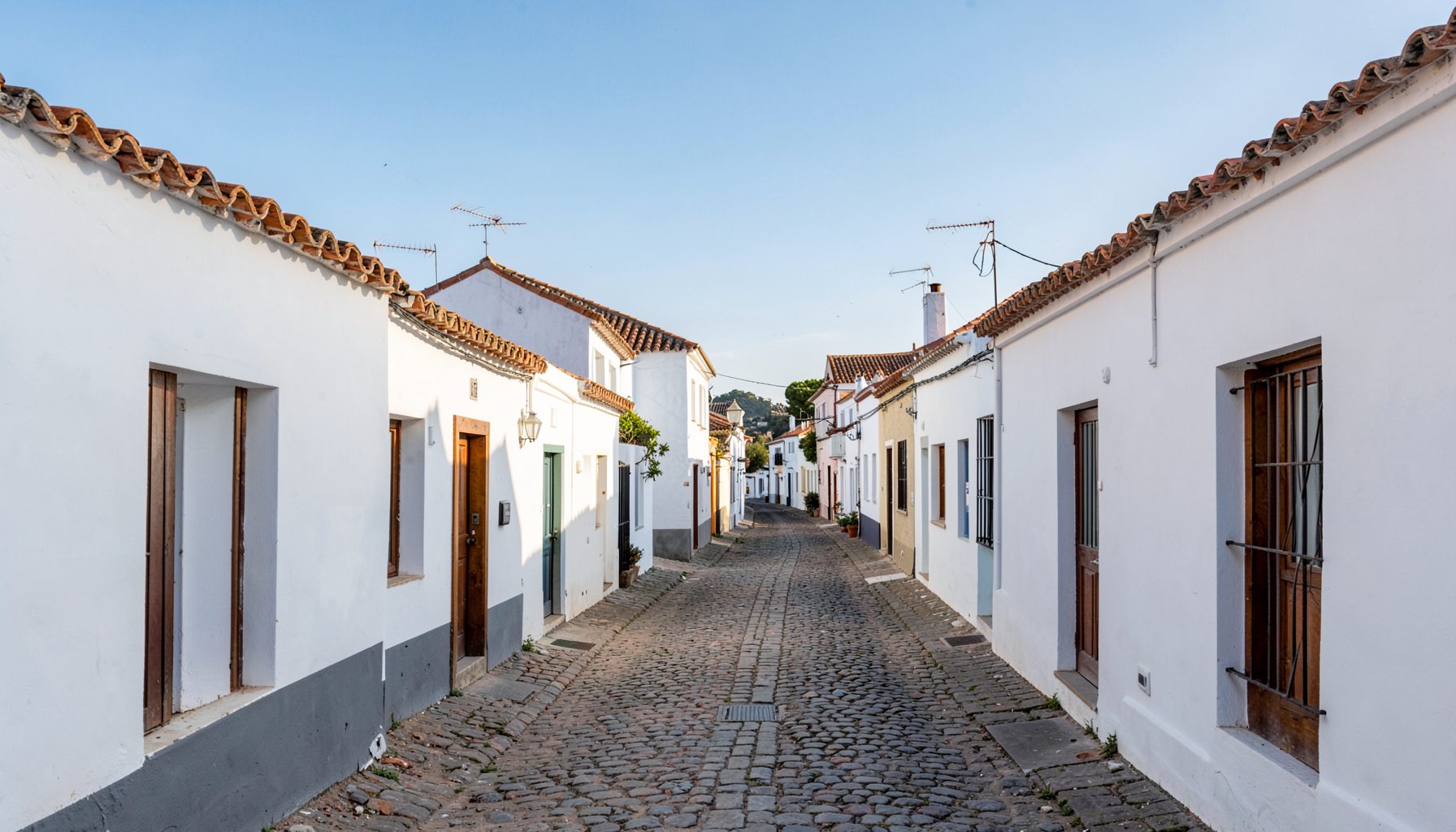
Watch videos showcasing Agudo and the surrounding region. A visual tour of local life, landscapes, and community events.