Stay informed with local news updates covering Agudo and the surrounding region. Browse the Hemeroteca for past articles and keep up with what matters in the community.
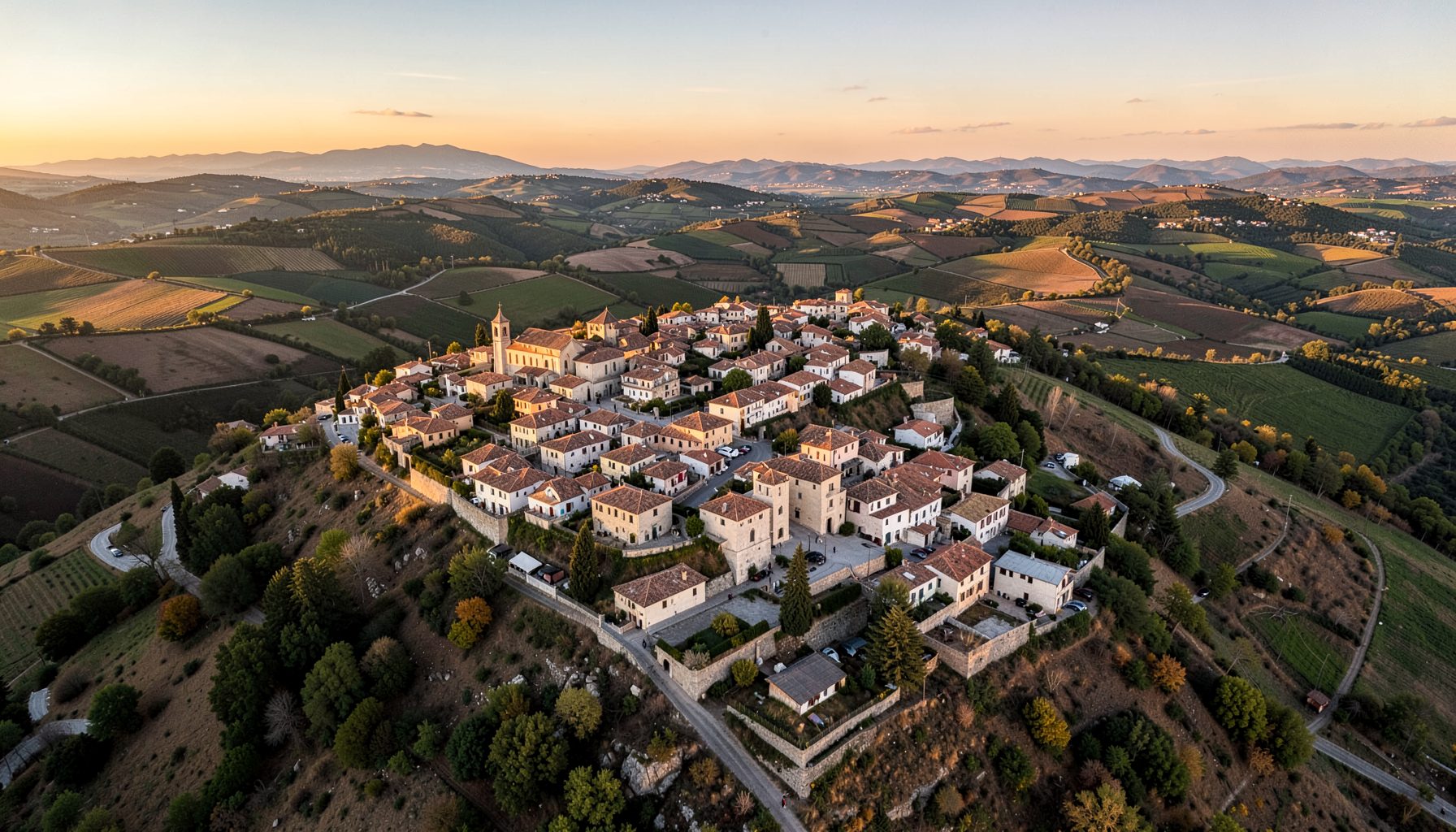
Walkers circling the Embalse de Agudo will soon notice a quiet transformation along the gravel track that skirts the water. Crews from the town hall, joined by a handful of neighbourhood volunteers, have begun setting out rows of lavender and rosemary between the picnic clearing and the boat ramp, replacing the stretch of dry scrub that used to mark the midway point. The project is modest in scale, but those behind it see it as the opening move in a longer effort to turn the trail into a working corridor for bees, hoverflies and butterflies at a moment when pollinator populations are under pressure across southern Europe.
The planting fits into a wider municipal push for greener public spaces that began earlier this year with a pocket park on Calle del Río and the introduction of low-water garden beds near the school. Councillors argue that choosing Mediterranean shrubs makes sense both ecologically and financially, since the species cope well with the long, hot summers of inland Ciudad Real and need little irrigation once established. Residents who have walked the reservoir loop for years are already stopping to ask when the first blooms will appear and whether the new beds will be mown or left to flower.
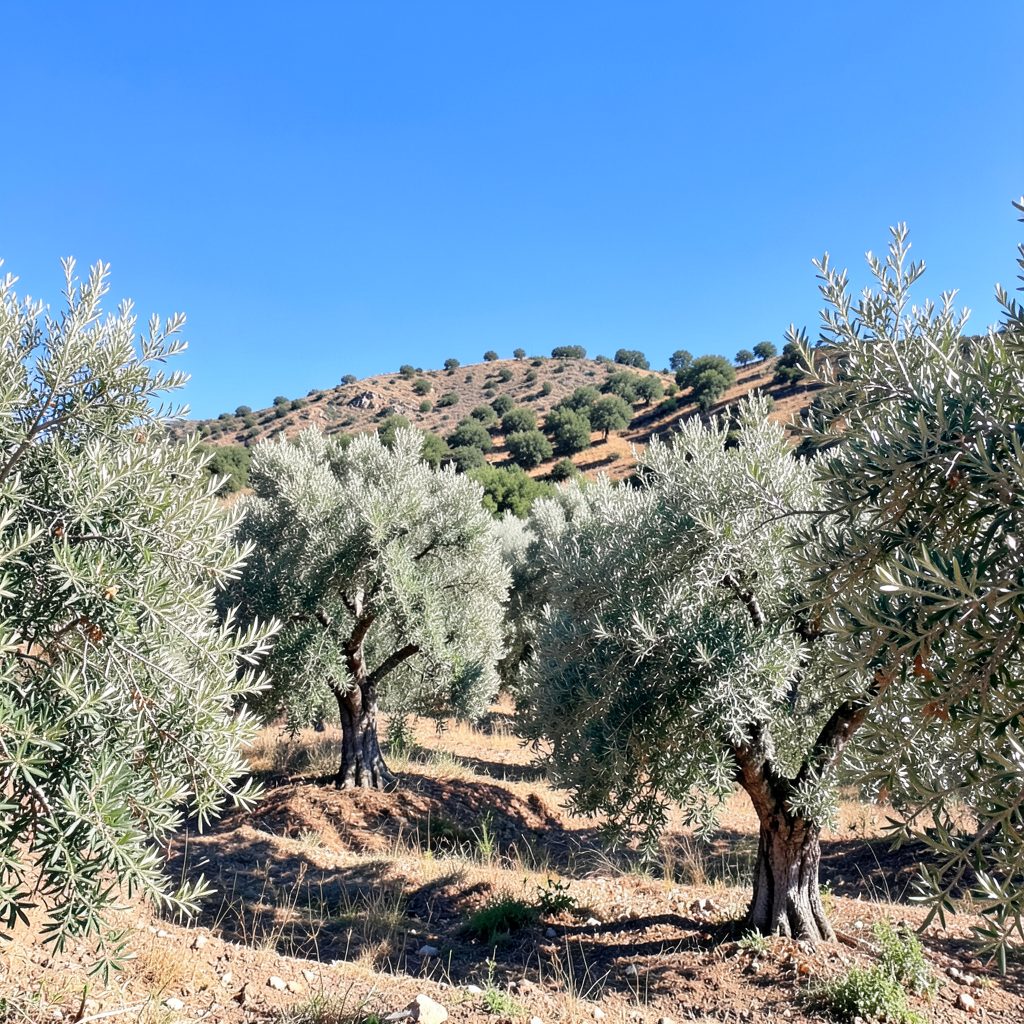
The species list drawn up by the parks department reads like a short herbal rather than a typical municipal order. Lavender, in the Lavandula angustifolia and Lavandula stoechas forms, anchors the lower terrace where soil has been improved with composted mulch. Above it, clumps of rosemary (Salvia rosmarinus) run in loose bands, chosen for its early-spring flowers and its tolerance of stony ground. Between them, planners have tucked in drifts of rockrose and a handful of native thyme plants, giving bees a staggered buffet from March through late September.
Each shrub has been placed with the local insect life in mind. Lavender offers dense spikes that honeybees can work from morning to dusk, while rosemary opens earlier in the year, providing a critical food source when queens are still establishing colonies. The council has also left patches of bare ground along the slope so that solitary bees, which dig rather than hive, can find somewhere to nest. Rangers say the trail has already recorded visits from several species of bumblebee and the striking eyed hawk-moth that hovers like a tiny bird at dusk.
The reservoir sits at the southern edge of the municipality, framed by holm oak and the pale silhouettes of distant pylons. Until recently, the path around it was used mostly by anglers, dog walkers and the occasional cycling club from Puertollano. By adding pollen-rich plants at a key pinch point, the council hopes to connect the existing greenway that leads toward the village centre with the rougher deer trails that climb into the surrounding hills. In ecological terms, a corridor is only as strong as its narrowest link, and the scrubby middle section was exactly that weak point.
Local schoolchildren have helped mark out the planting holes, and the resulting beds form a visible ribbon that walkers can follow with their eyes even in winter. Councillors hope that over the next three seasons the shrubs will knit together into a continuous hedge of scent and colour, softening the concrete edges of the dam and signalling to passing insects that there is a reason to stop. The same logic drives similar revegetation works in New South Wales, where crews along the Parramatta River have replanted riverbank corridors to stitch remnant bush back together.
The beds have not appeared overnight. Municipal gardeners spent several weekends in late summer preparing the soil, breaking up compacted clay and mixing in organic matter to give the young roots a fighting chance. A short appeal on the town's noticeboards drew more volunteers than expected, including a number of retirees who said they had been waiting for a project that combined outdoor exercise with something tangible. Tools were shared, the council provided water and gloves, and a local nursery supplied the plants at cost.
The cooperation has changed the tone of how the project is perceived. Where previous streetscape changes drew a mixed response online, the lavender planting has been met almost entirely with enthusiasm on local forums, with residents trading photographs of the first cuttings going in. The mayor's office is already framing it as a template for future small-scale works, where the council provides the materials and design and the neighbourhood supplies the muscle and the pride. Residents interested in how townspeople have responded to other recent changes can read coverage of the bakery's closure, which stirred a similar conversation about succession and small-town vitality.
Australian councils have spent the last decade trialling the same idea, often in tougher climates. In Melbourne's inner west, the Maribyrnong council has overseen the conversion of tired nature strips into flowering verges planted with grevillea, westringia and salvias, in part to support the country's two thousand species of native bees, many of which are stingless and live in tiny colonies. Brisbane's bushcare groups, working with the state government, regularly replant verges with banksia and purple correa to feed honeyeaters and lorikeets that double as incidental pollinators.
The parallels are not exact. Australia's pollinator crisis is intertwined with drought, bushfire and the slow retreat of eucalyptus forests, and the dollar cost of plant stock is often higher than in rural Spain. Yet the principle travels well: a thin strip of flowering shrubs, well chosen for the local climate, can shift the fortunes of insects that travel kilometres in a day. Even household names such as Bunnings have leaned in, stocking affordable native seedlings and running weekend planting demonstrations outside their car parks from Perth to Hobart, which is a reminder that pollinator recovery rarely hinges on a single grand project.
While the council takes care of the public trail, the same approach can be folded into balconies, courtyards and the long, sun-baked patios that are common around Agudo. A pair of terracotta pots by a kitchen window is enough to start a year-round nectar supply, provided the plants chosen can cope with reflected heat and a watering can rather than a hose. Choosing species that flower in different months keeps something in bloom from the first warm day of February through to the cool edge of November.
It also helps to think in layers. Low-growing thyme and oregano can spill over the edge of a wall, mid-height lavender forms a soft hedge along a fence, and a single rosemary bush, left untrimmed, will grow into a small shrub covered in pale blue flowers. Avoiding pesticides, leaving a corner of bare soil for ground-nesting bees, and providing a shallow dish of water with pebbles all make a measurable difference. None of this demands a council permit, and almost all of it survives a fortnight away in summer.
The three species featured most heavily in the council's planting scheme sit alongside a commonly grown Australian alternative that visitors from the southern hemisphere often ask about during the summer. Bloom times are given as a general guide for inland Ciudad Real and for temperate parts of Australia such as Adelaide and parts of Victoria, where the climate most closely matches the Spanish site.
| Plant | Type | Approximate bloom window | Pollinator value | Water needs |
|---|---|---|---|---|
| English lavender | Mediterranean shrub | Late May to early August | High for honeybees and bumblebees | Low once established |
| Rosemary | Mediterranean shrub | Late February to May, with a lighter second flush in autumn | Early-season lifeline for emerging colonies | Very low |
| Grevillea (Australian alternative) | Evergreen shrub | Varies by cultivar, often year-round in mild climates | Excellent for honeyeaters and native bees | Low to moderate |
For residents keen to experiment, grevilleas can be ordered from specialist nurseries and grown in containers in Agudo provided they are sheltered from the hardest frosts. The contrast in bloom shape, nectar-rich and brush-like rather than the tubular florets of rosemary, is itself a small lesson in how different continents have solved the same problem.
Putting the right plants in the ground is only the first part of keeping the reservoir trail productive for pollinators. Once the shrubs are in, small choices by walkers and householders determine whether the corridor keeps delivering nectar and whether new colonies have somewhere safe to settle. The list below gathers a few practical actions that cost little but accumulate quickly when many people adopt them.
If you live near the Embalse de Agudo or pass through the village during the warmer months, take a slow walk along the reservoir loop once the first buds open. Bring a notebook, or simply a phone, and see how many different insects you can count on a single rosemary stem. Better still, offer a hand to the next planting morning, share what you spot with the neighbourhood forum, and keep an eye on the noticeboard outside the town hall for the dates of upcoming works along the trail.
Stay informed with local news updates covering Agudo and the surrounding region. Browse the Hemeroteca for past articles and keep up with what matters in the community.
Join the conversation in the Agudo community forums. Access the Foro antiguo archive and participate in discussions with fellow residents and visitors.
Browse local second-hand listings in the Agudo area. A convenient marketplace for buying and selling within the community.
Explore our directory of recommended links, including the Ayuntamiento de Ciudad Real, Lagunas de Ruidera, Parque de Cabañeros, Agudo Joven, and Balneario Cervantes.
Access practical tools including Prensa links, radio, horóscopo, Loterías results, a leisure guide, recipes, a dictionary, and Street View integration.
Watch videos showcasing Agudo and the surrounding region. A visual tour of local life, landscapes, and community events.