Stay informed with local news updates covering Agudo and the surrounding region. Browse the Hemeroteca for past articles and keep up with what matters in the community.
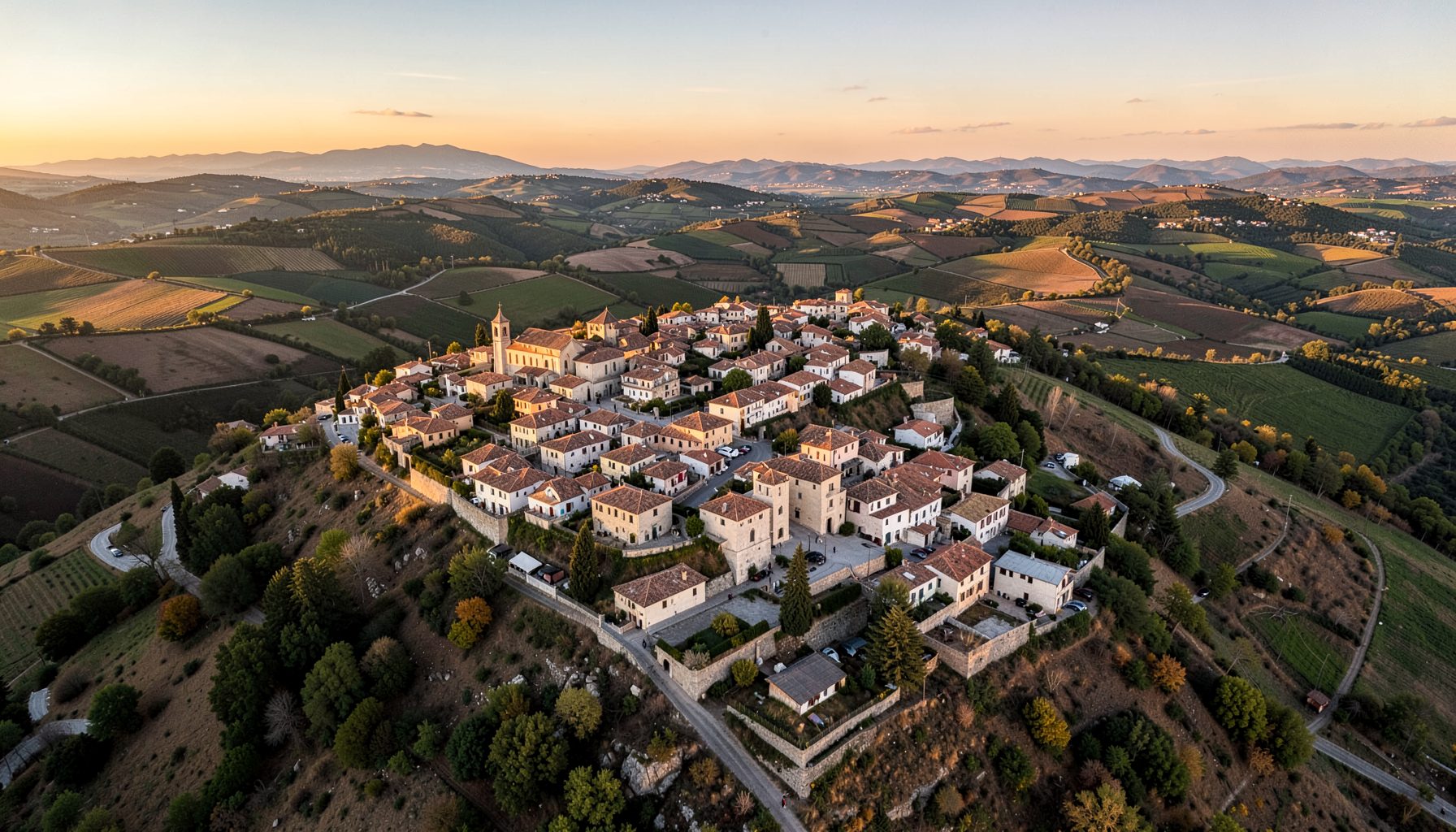
Agudo Town Council is developing a community vegetable garden beside the local sports ground, giving residents a practical place to grow seasonal produce and spend time outdoors. A key feature of the project is a group of allocated plots for older residents, designed to support healthy activity, social contact and the passing on of traditional gardening knowledge.
The scheme adds a new community use to an area already associated with exercise and local gatherings. For Agudo residents, it could become a modest but valuable source of vegetables, shade, conversation and neighbourhood involvement. For people from Australia following news from Ciudad Real, the project also offers a familiar example of how councils can turn underused land into a shared local resource.
The garden is planned close to the sports ground, where its location can connect growing food with everyday community life. Families attending training sessions, walkers passing through and older residents tending their plots will all use the same broad public area. That proximity may encourage people to stop, talk and take an interest in the project, even if they do not hold a garden bed themselves.
A council-run vegetable patch can also respond to local conditions in Agudo. Summers in inland Spain are hot and dry, so crop choices, planting dates and irrigation will matter. Tomatoes, peppers, onions, beans, lettuce and herbs may suit different parts of the growing season, while shade structures and water-saving methods can help protect plants during the hottest weeks.
The project is likely to have a social role that goes beyond food production. Older gardeners can share knowledge about seed saving, composting and traditional cultivation with younger residents. Children visiting with schools or families may learn where food comes from, while former residents and nearby communities can follow the project through local news coverage and community updates.
A successful allotment area needs clear organisation from the beginning. The council may divide the site into manageable plots, provide shared paths and establish common areas for tools, compost and water access. Fencing, lighting and a safe entrance will be especially important because the garden sits near a place used for sport and evening activities.
The senior plots should be easy to reach, with level paths and enough space for a person to work comfortably without bending for long periods. Raised beds could assist gardeners with limited mobility, while benches and shaded resting points would make the site more welcoming. A nearby tap, rainwater collection system or scheduled irrigation arrangement could reduce unnecessary water use.
| Feature | Agudo community garden | Australian community garden equivalent |
|---|---|---|
| Main purpose | Local food growing and community connection | Food growing, social contact and urban sustainability |
| Priority users | Older residents and local households | Often mixed groups, including retirees, families and new arrivals |
| Climate concern | Hot, dry summers and careful irrigation | Heat, drought, heavy rain or local water restrictions |
| Council role | Allocate plots, manage land and support local participation | Provide land, permits, insurance guidance and community grants |
| Shared activities | Gardening, teaching, harvesting and local events | Working bees, composting, seed swaps and weekend workshops |
Allocating beds to seniors gives the project a clear social focus. Gardening provides gentle physical movement, but it also creates a routine: checking seedlings, watering crops, removing weeds and sharing the first harvest. Those activities can help reduce isolation and give older residents a visible role in community life.
The plots should be assigned through a transparent process, with practical support for residents who have mobility, transport or financial limitations. A shared tool bank would prevent every gardener from needing to buy equipment. Volunteer assistance could also help with heavy soil, repairs and seasonal preparation, while experienced plot holders could mentor people who are new to growing food.
The council may also consider reserving a small number of communal beds rather than assigning every space individually. Communal planting allows people to contribute when they are available and means the garden can continue to produce food if a plot holder is unwell or away. This arrangement can be particularly useful during heatwaves or periods when watering requires extra attention.
Australian readers will recognise many elements of the Agudo project from community gardens in Melbourne, Sydney, Brisbane and regional towns. In Melbourne, neighbourhood plots often combine food growing with composting and workshops. Sydney gardeners must think carefully about water efficiency and council land-use arrangements, while Brisbane groups commonly plan around intense summer heat and sudden rainfall.
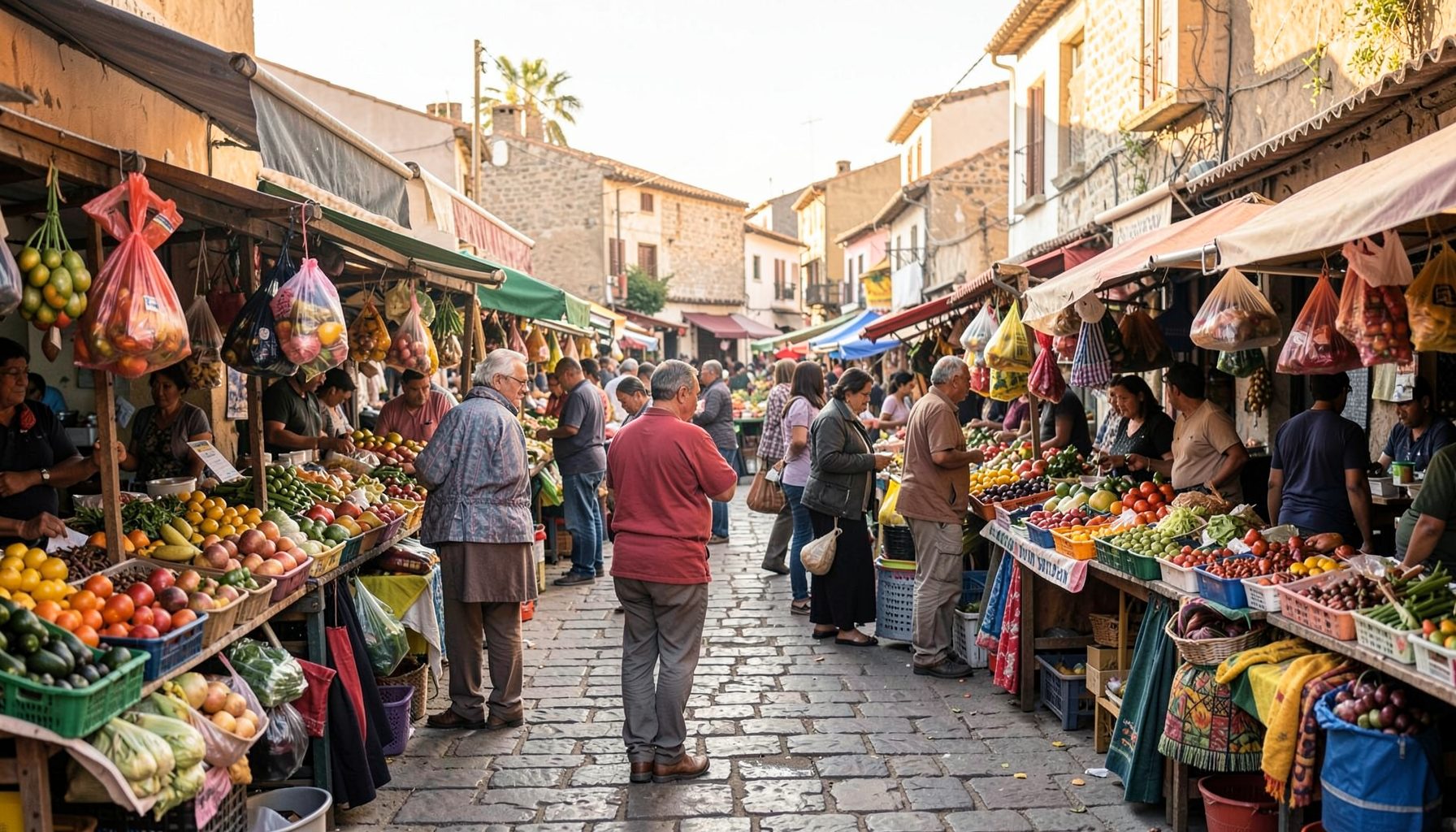
The local market also shapes how people view a garden. Australian weekend farmers’ markets often place value on seasonal, locally grown produce, although community gardens generally focus on sharing and household use rather than commercial sales. A garden near a sports ground could support a small harvest day or produce exchange, giving residents a place to swap surplus courgettes, herbs or seedlings without turning the scheme into a business.
Australian councils also work within legal frameworks that may include local planning rules, public liability insurance and Work Health and Safety obligations for organised activities. Agudo will have its own Spanish municipal procedures, yet the principle is similar: a community garden needs agreed responsibilities, safe facilities and a clear process for dealing with hazards.
Food safety should receive attention if produce is shared at public events. Clean water, hygienic handling and sensible advice about soil conditions can protect participants. The project does not need to become bureaucratic, but simple written guidance can help residents understand what is expected and prevent disagreements between plot holders.
The garden could become part of Agudo’s wider cultural calendar. Seasonal planting days, seed exchanges and harvest gatherings would give residents reasons to visit throughout the year. These activities could sit alongside local fairs, sporting events and neighbourhood celebrations, creating links between food production and the traditions that give the town its character.
Practical demonstrations would add another layer of interest. A local craft event, for example, might show how traditional tools were made or repaired, connecting agricultural work with older forms of craftsmanship. Residents can follow related cultural reporting, including this traditional ironwork demonstration, as part of the broader story of skills being preserved in the community.
The garden may also provide useful material for schools and local associations. Students could record planting dates, observe insects and compare water-saving methods. Community groups might help organise benches, signs or a shared noticeboard. Over time, photographs and videos of the first planting, summer harvests and senior gardeners’ stories could become part of Agudo’s digital archive.
A project of this kind succeeds through steady participation rather than a single opening event. The council’s role is to provide a reliable framework, while residents bring the care, knowledge and cooperation that keep the plots productive. With sensible design and regular communication, the new garden can become a welcoming extension of the sports ground and a lasting part of Agudo’s community life.
Residents can follow updates through Agudo Ciudad Real, share information with older neighbours and support the gardeners during planting and harvest periods. Each well-tended plot will help turn a council initiative into a living local asset for Agudo.
Stay informed with local news updates covering Agudo and the surrounding region. Browse the Hemeroteca for past articles and keep up with what matters in the community.
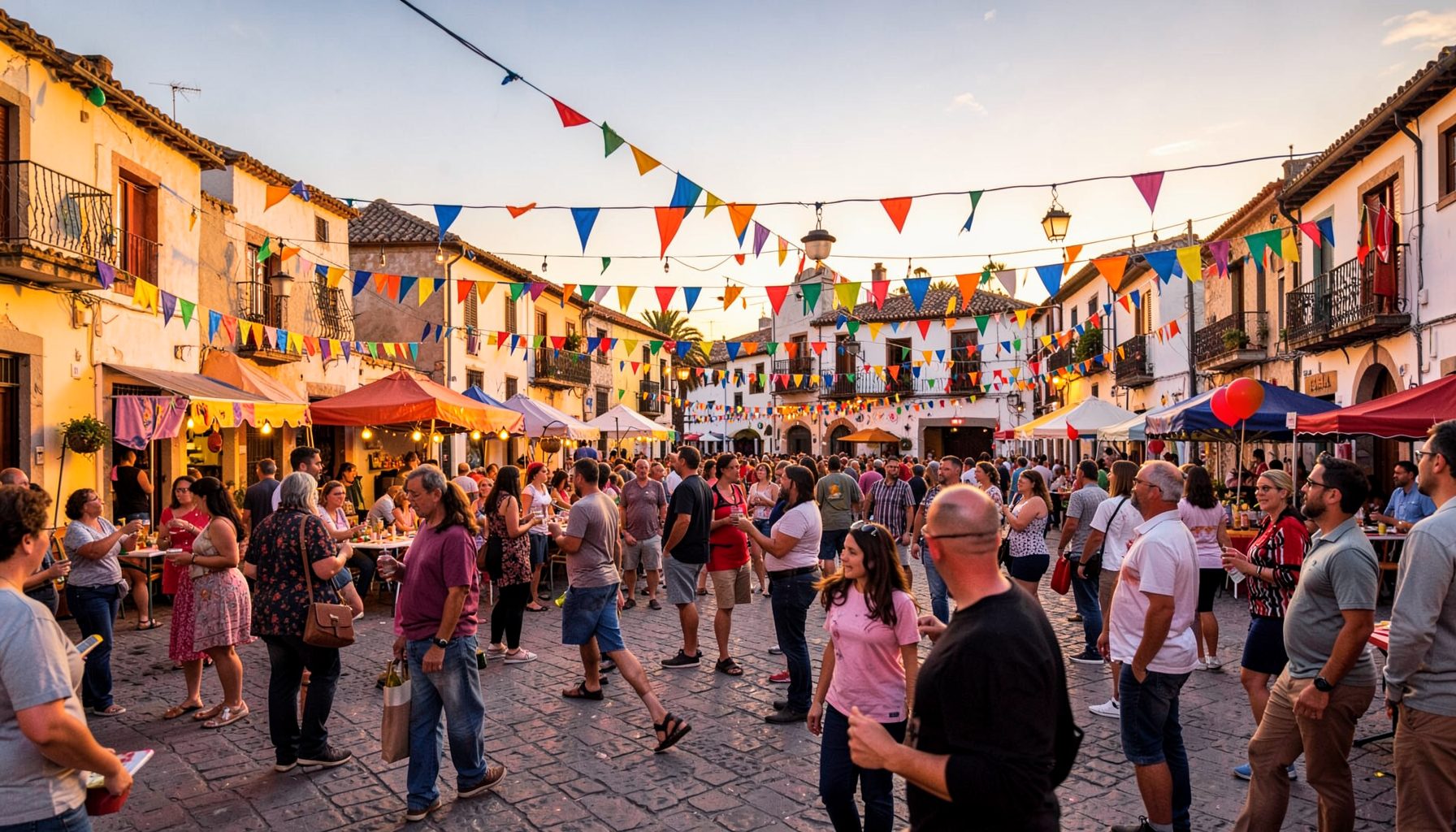
Join the conversation in the Agudo community forums. Access the Foro antiguo archive and participate in discussions with fellow residents and visitors.
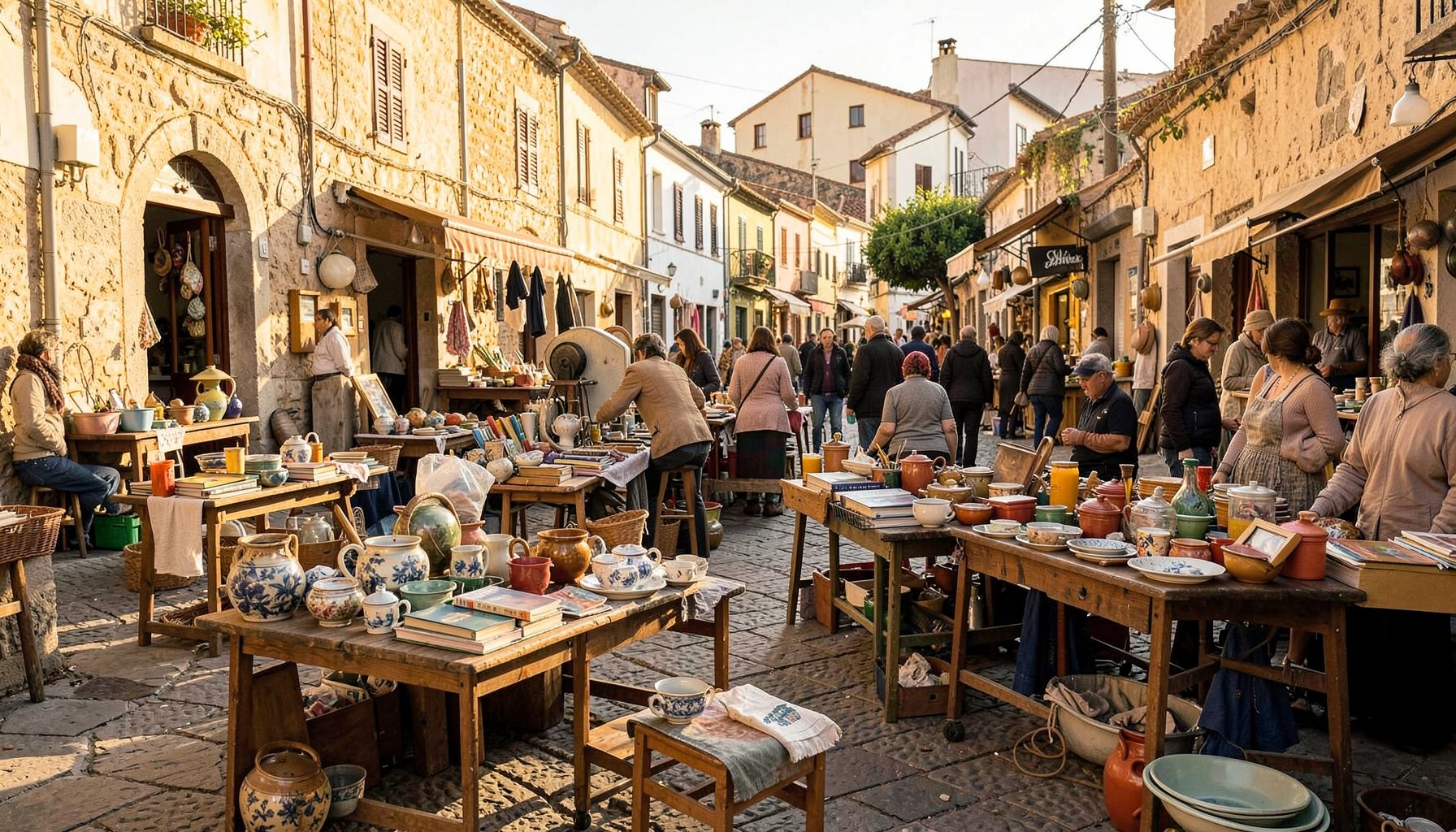
Browse local second-hand listings in the Agudo area. A convenient marketplace for buying and selling within the community.
Explore our directory of recommended links, including the Ayuntamiento de Ciudad Real, Lagunas de Ruidera, Parque de Cabañeros, Agudo Joven, and Balneario Cervantes.
Access practical tools including Prensa links, radio, horóscopo, Loterías results, a leisure guide, recipes, a dictionary, and Street View integration.
Watch videos showcasing Agudo and the surrounding region. A visual tour of local life, landscapes, and community events.