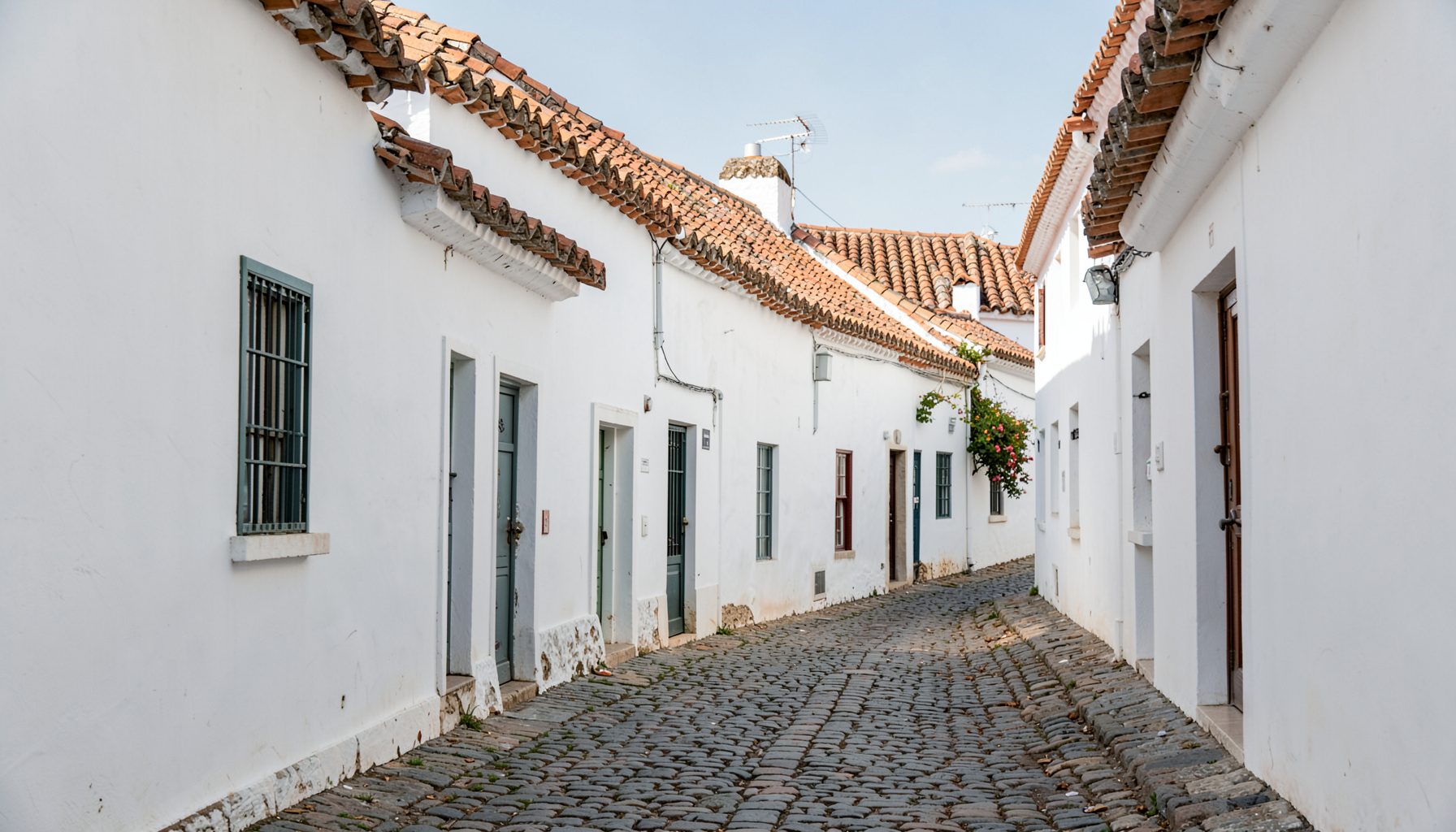


Stay informed with local news updates covering Agudo and the surrounding region. Browse the Hemeroteca for past articles and keep up with what matters in the community.
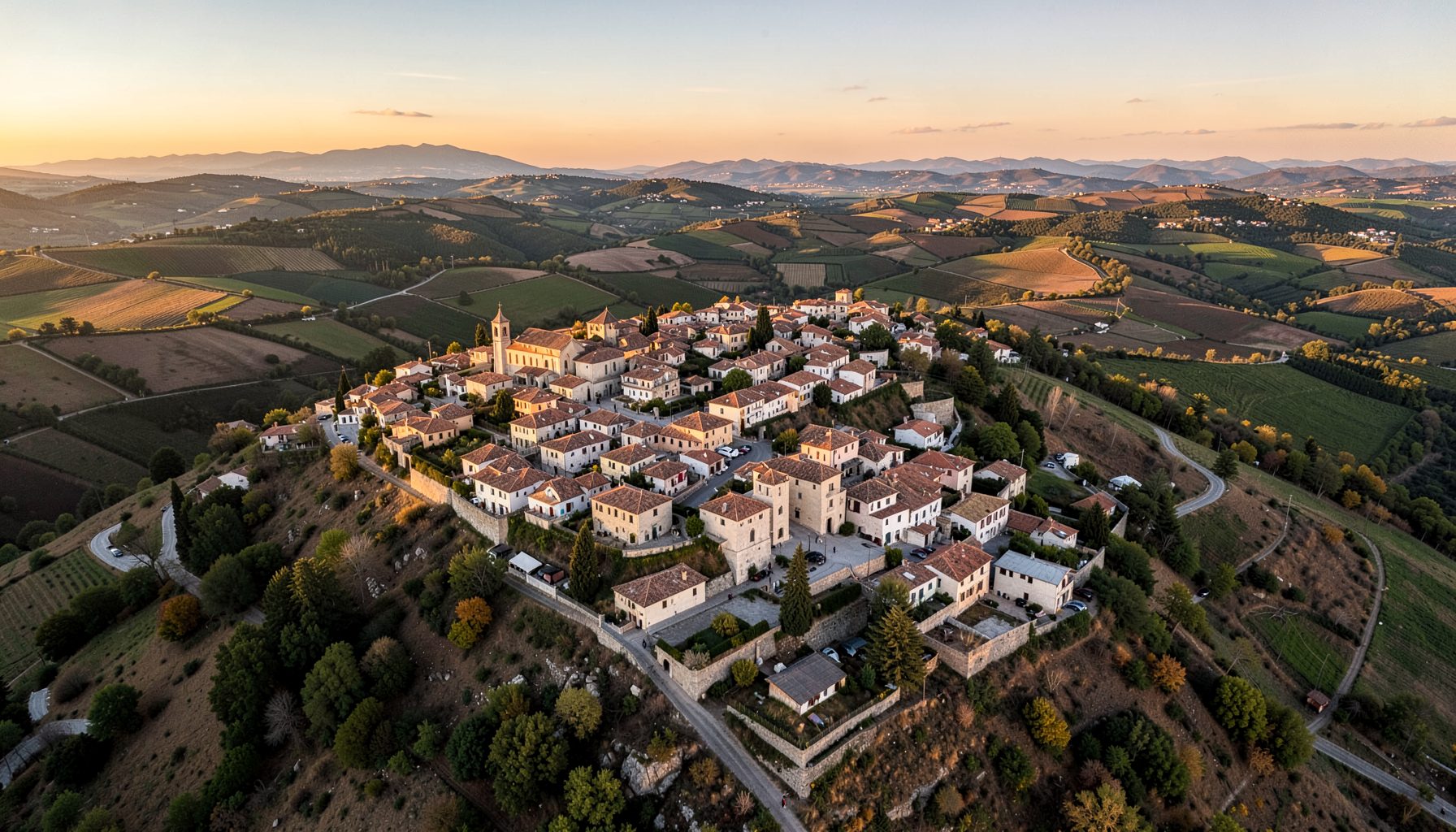
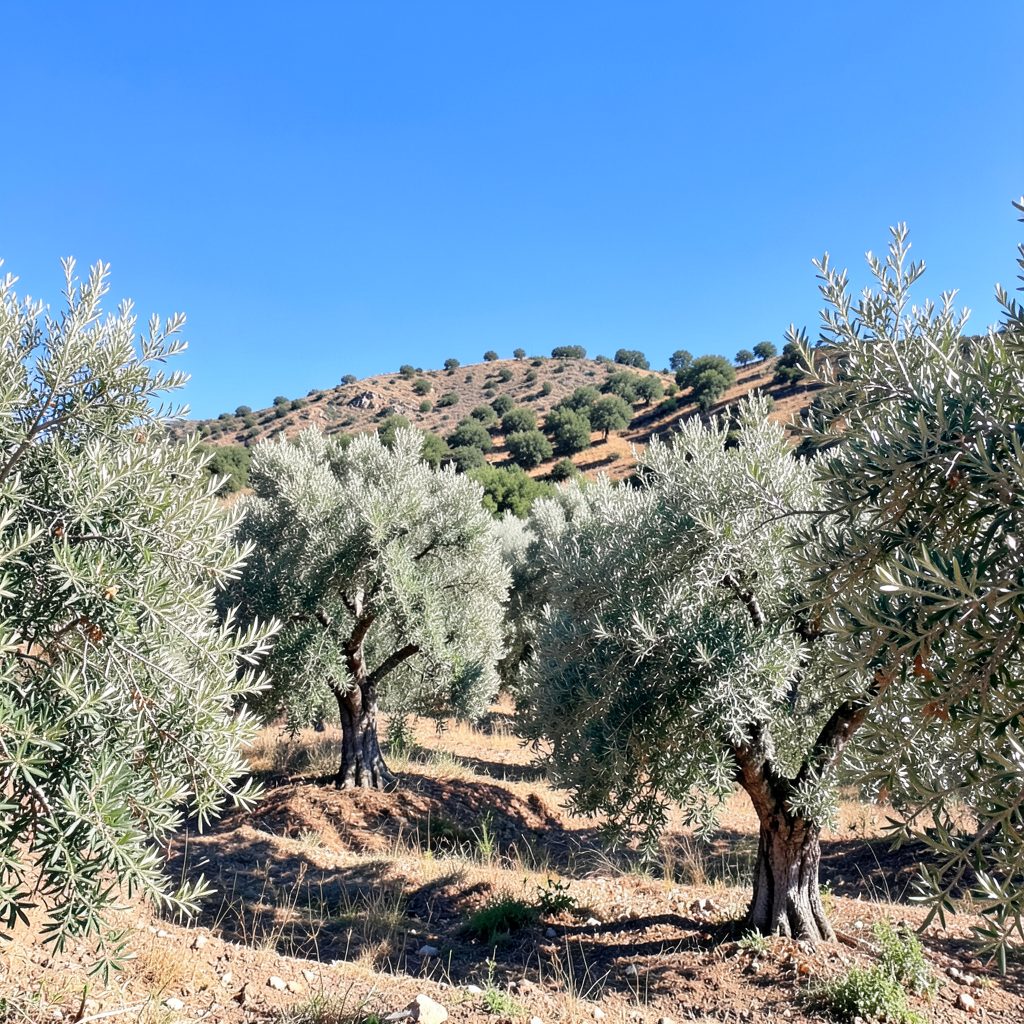
The small agricultural town of Agudo, in Spain's Ciudad Real province, has begun offering a free wood-chipping service to households pruning their olive trees. The initiative, run through the local council, sends a chipper truck through the municipality's olive-growing neighbourhoods on scheduled weekends, reducing piles of woody debris into mulch that residents can keep. The goal, council officials say, is to keep prunings out of abandoned lots and to give a practical boost to a tradition that shapes the local landscape every winter.
Australia knows its own olive heritage. Although commercial production only took off in the 1990s, regions such as the Riverland near Renmark, the Adelaide Hills around Hahndorf, and parts of the Macedon Ranges north of Melbourne now host thousands of productive trees, alongside ageing backyard specimens brought home by post-war migrants. Pruning those trees produces branches no Australian kerbside collection will take away, which is why a small Spanish experiment is being watched closely by extension officers and local government folk from Perth to Brisbane.
The program operates on a simple premise. Residents who prune olive trees on their land register with the Ayuntamiento de Agudo, and a council crew arrives with an industrial chipper within an agreed window. The chipped material is split: a portion returns to the household as mulch, and the remainder is composted at a municipal site where it later feeds public gardens and street-tree beds. There is no charge, although households must commit to keeping clippings tidy and accessible from the street.
The timing is deliberate. Olive pruning happens between January and March, after the harvest but before bud break, and Agudo's crew runs its routes during that window. Outside pruning season, the chipper clears storm-felled branches and roadside vegetation. For a town of fewer than two thousand people, the service is ambitious, but the council argues that engaging residents directly avoids the cost of repeatedly hauling loose prunings to a regional landfill.
Australia's olive industry operates at a different scale and climate. Where Agudo's olives grow on centuries-old dryland groves, many productive Australian blocks are intensive, drip-irrigated plantations that prune mechanically and shred biomass on-site. Backyard olives have multiplied in suburbs around Modbury in Adelaide's north-eastern foothills, in certain pockets of Kalamunda outside Perth, and in the established gardens of Sydney's inner west. Their branches end up on footpaths, in trailers, or worse, in bushland reserves.
A quick comparison captures the key differences:
| Feature | Agudo, Spain | Typical Australian setting |
|---|---|---|
| Tree age and style | Centuries-old dryland olives, low vase shape | Mostly trees under 30 years, often single-trunk or hedge-trained |
| Pruning method | Hand tools, winter months | Hand tools or mechanical hedging on larger blocks |
| Volume per household | High — multiple trees, large limbs | Variable — single mature tree can still produce several cubic metres |
| Existing green-waste option | Public containers plus occasional pickup | Council hard-rubbish booking, paid tip vouchers, or private contractors |
| Fire-risk context | Low — managed agricultural landscape | High — adjacent bushland in many suburbs, especially in Adelaide Hills and Perth hills |
A short note on the last row matters. Olive prunings are woody and slow to break down, but they dry into highly flammable fuel, and an Australian summer that nudges past forty degrees in the hills makes any roadside pile a hazard. A kerbside chipping service interrupts that fuel ladder before it builds up, which is precisely the logic Agudo's planners now export.
Olive wood is heavy, dense, and slow to rot. A single mature tree, even one in the Barossa Valley rather than the rocky slopes of Castilla-La Mancha, can produce a trailer load of branches after a hard prune. Australian kerbside green-waste bins cannot accommodate limbs thicker than a forearm, and many suburban bins max out at sixty litres.
The problem compounds in suburbs where olives share space with native plantings. Gardeners who have worked hard to establish eucalyptus understorey and local grevilleas often find olive prunings smother slower-growing species, and dragging the material to a commercial tip in cities such as Brisbane or Hobart can mean booking a ute, paying a disposal fee, and queueing for a slot on Saturday morning. Some residents burn the prunings when conditions allow, although Australian fire authorities strongly discourage open burning during declared bushfire seasons, and rules vary by council area.
Agudo's planners emphasised fire safety in their public statements, and the same logic carries weight here. A 2018 paper from the South Australian Research and Development Institute highlighted olive prunings as a feedstock suitable for biochar production, while local government bulletins in New South Wales have flagged stockpiled branches as a contributing factor in several grass-and-garden interface fires. Returning the chipped material to gardens as mulch is a useful circle: it suppresses weeds, holds soil moisture through an Adelaide summer, and slowly returns organic matter to the ground.
Mulching also reduces the urban heat load in backyards where paving has replaced lawn. In suburbs like those around Parramatta or Glenelg, mature olive trees drop their shade across paving on summer afternoons, and a generous layer of ramial mulch underneath further cools the root zone. Council arborists in Adelaide's City of Burnside have run similar pilots with residents pruning mature gum and jacaranda, and their experience suggests participation rises when the schedule is public, predictable, and free.
The Agudo program didn't appear from nowhere. Council staff had been hearing complaints about dumped prunings for several winters, and a resident petition gathered signatures before the project went before the pleno municipal. The same council has continued its conversation with residents on other quality-of-life issues, including traffic calming consultations near a central park, where officers are weighing raised crossings against driver behaviour data. Small councils that keep a tidy feedback loop tend to roll out services people actually use.
Australian councils run similar processes, although the procedural language differs. The City of Mitcham invites residents to lodge service requests online, while the Inner West Council in Sydney has piloted neighbourhood place managers between residents and council crews. A specific service such as olive pruning chipping could be slotted into those existing frameworks without inventing new infrastructure. Mulching mowers may already follow the same routes during autumn leaf drop.
Households and smallholders can already keep olive prunings out of landfill through a few practical moves, sorting the wood into small, medium, and large streams.
Each option trades a bit of effort for a tidier block and a lighter load on the local tip. None of them depend on the council's calendar.
The most interesting thing about Agudo's chipping scheme is that it doesn't require new technology or large budgets. What it asks for is organisation, a clear schedule, and a willingness to give residents mulch in exchange for a tidy street. Australian local governments, with their hard-rubbish systems, could readily adapt the model, particularly in suburbs where olives are already a familiar sight. A regional variant, perhaps tied to the Olive Growers Association in the Riverland and Hunter Valley, could scale up to commercial blocks.
The reverse flow is just as plausible. Spanish municipalities grappling with rising tipping fees and an ageing demographic could learn how Australian councils run mobile-app booking systems for bulky pickups and publish route maps so residents can plan around the truck. A service as small as olive-wood chipping invites larger conversations about how local government earns household trust.
If your council has experimented with kerbside chipping, share the data with the local olive growers' association in your area, or lodge a service request through the council website and tag it as a sustainable-garden initiative. Olive trees, both in Agudo and in your street, deserve a clean prune and the branches don't have to end up where they don't belong.
Stay informed with local news updates covering Agudo and the surrounding region. Browse the Hemeroteca for past articles and keep up with what matters in the community.
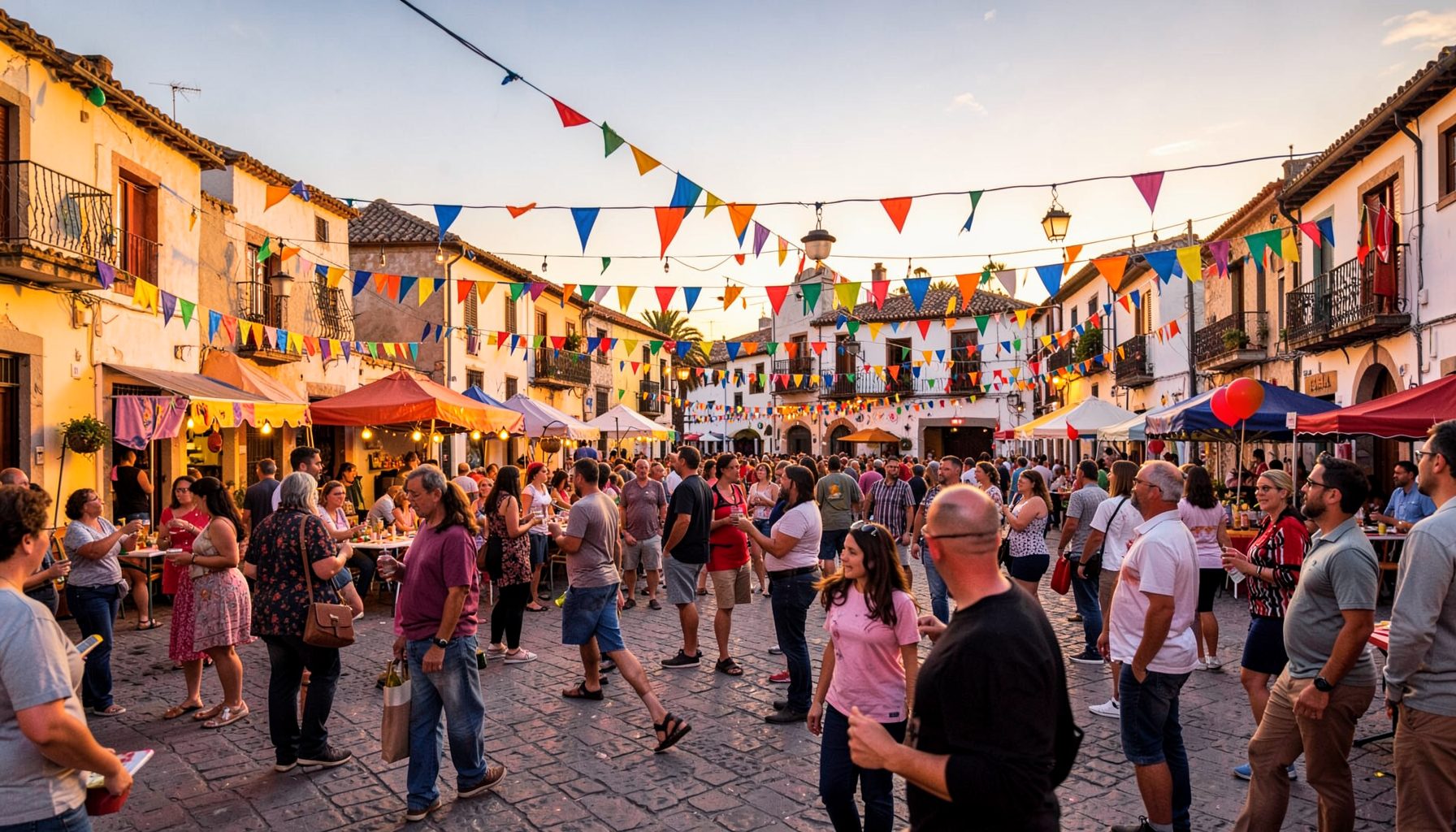
Join the conversation in the Agudo community forums. Access the Foro antiguo archive and participate in discussions with fellow residents and visitors.
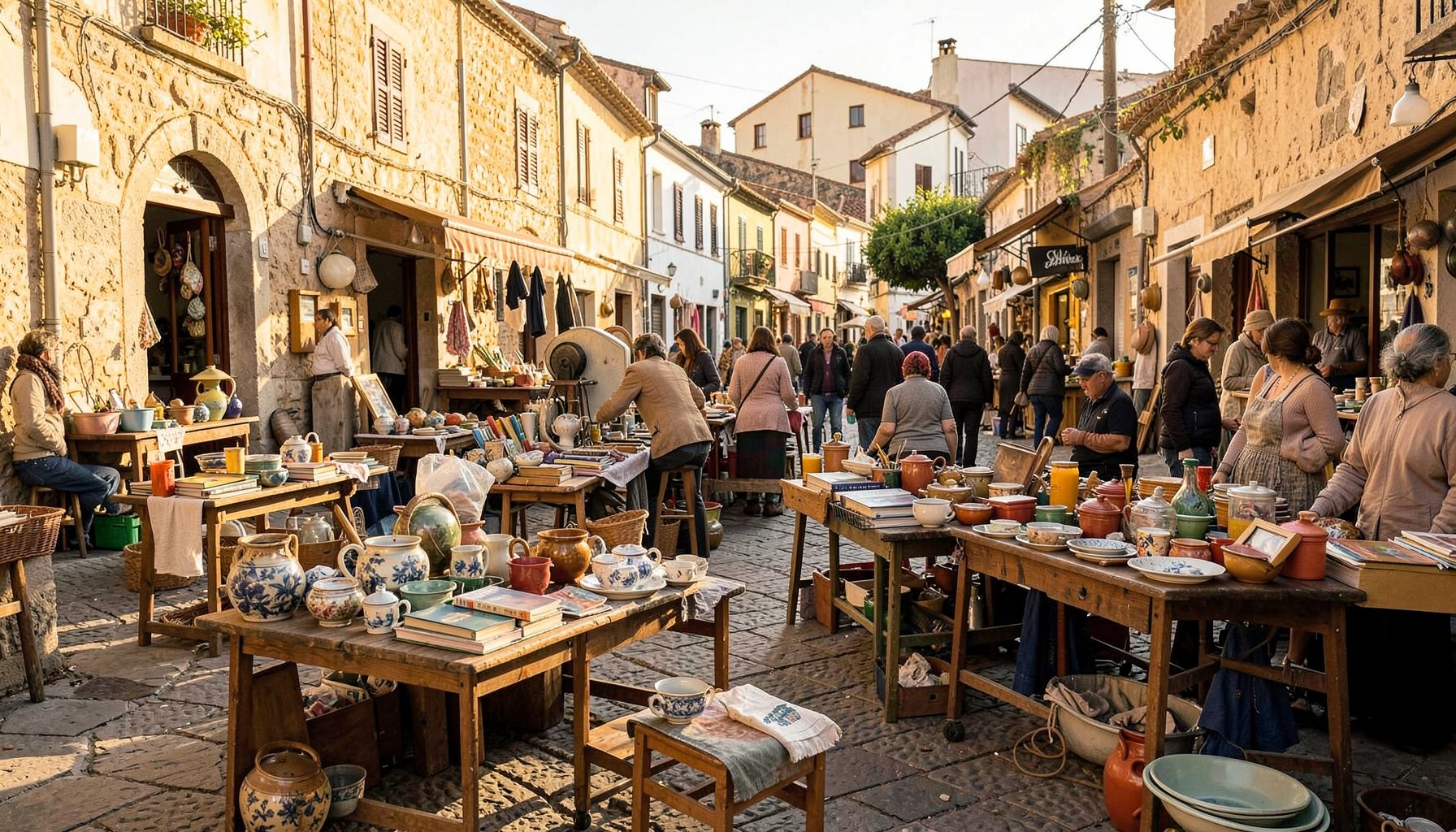
Browse local second-hand listings in the Agudo area. A convenient marketplace for buying and selling within the community.
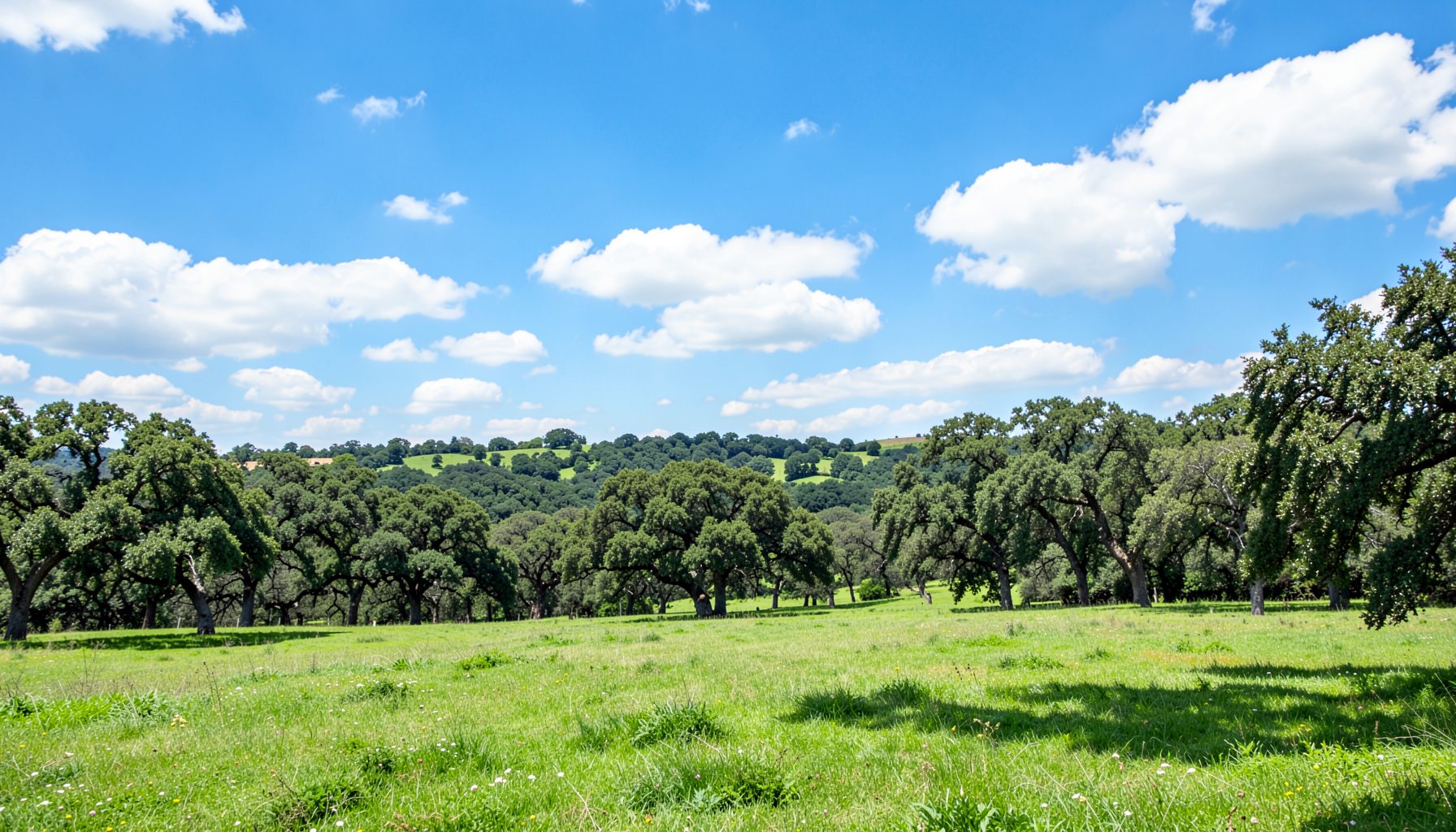
Explore our directory of recommended links, including the Ayuntamiento de Ciudad Real, Lagunas de Ruidera, Parque de Cabañeros, Agudo Joven, and Balneario Cervantes.
Access practical tools including Prensa links, radio, horóscopo, Loterías results, a leisure guide, recipes, a dictionary, and Street View integration.
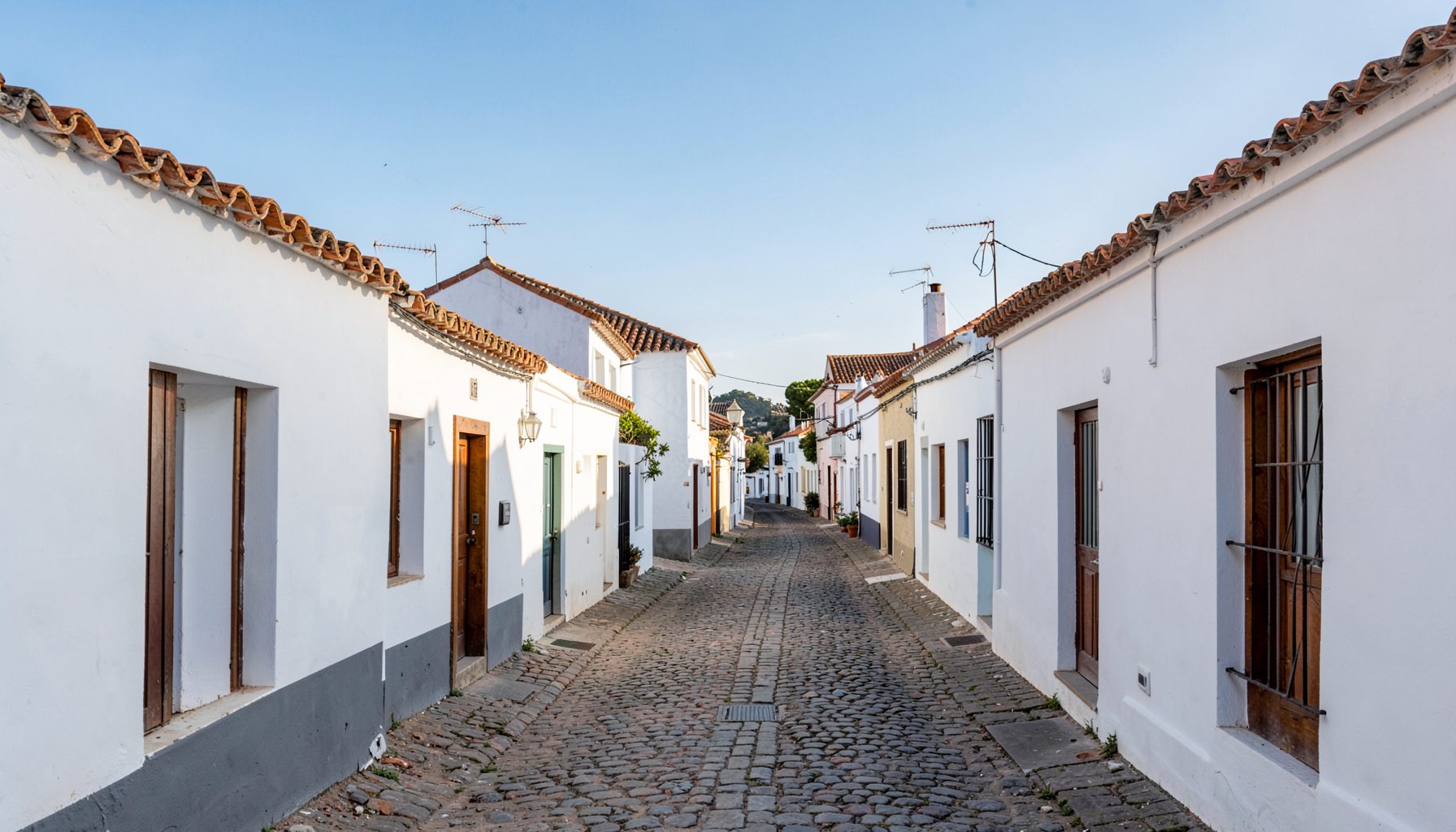
Watch videos showcasing Agudo and the surrounding region. A visual tour of local life, landscapes, and community events.