
Stay informed with local news updates covering Agudo and the surrounding region. Browse the Hemeroteca for past articles and keep up with what matters in the community.
The council has quietly introduced a new feature to the town's health centre: a small wooden book-crossing shelf tucked into the corner of the waiting room, stocked with a rotating collection of paperbacks, novels, and magazines. Anyone passing through can pick up a book to read on the spot, take it home, or leave one behind for the next visitor. The simple installation reflects a growing recognition that public spaces benefit from small touches of culture, and that even a brief medical appointment can become a little less tedious with the right reading material on hand.
The project joins a worldwide movement of informal book sharing, where readers pass volumes from hand to hand without the structure of a formal library. In places as varied as train stations, cafés, and ferry terminals, these exchanges have become small acts of community building, often noticed only when a stranger smiles at finding a long-sought title waiting in an unexpected spot.
Book-crossing began in the United States in 2001, when Ron Hornbaker realised that his overflowing bookshelves could become a resource for others if he simply labelled his books and left them in public places. The idea spread quickly, evolving into a global community with millions of registered books and dedicated tracking websites where readers can follow a particular volume across continents and decades.
The mechanics are deliberately simple. A person registers a book online, writes a unique identifier inside the cover, and then releases the book into the wild, leaving it on a park bench, in a waiting room, or at a café table. Whoever finds it can read it, keep it, or pass it on, logging the journey as they go. The system depends on trust, on the pleasure of unexpected discovery, and on a generally shared belief that books belong in motion rather than on shelves.
Waiting rooms are unusual spaces. Visitors often arrive anxious, in discomfort, or simply bored, and they tend to linger longer than expected. Studies on reading and stress have repeatedly shown that even a few minutes with a good book can lower heart rate and ease tension, which makes a waiting room one of the more practical places to install a book-crossing shelf.
The health centre in question serves a wide rural catchment, and patients sometimes wait well over an hour to see a clinician. Staff have noticed that the new shelf already draws people in: parents pull picture books for restless children, older patients settle into armchairs with detective novels, and visitors who arrived in a hurry find themselves slowing down. The atmosphere in the waiting area has become noticeably calmer, and conversations between strangers now begin with comments about a book rather than complaints about the wait.
| Initiative Type | Typical Location | Interaction Style | Average Lifespan of Materials |
|---|---|---|---|
| Book-crossing shelf | Waiting rooms, cafés, transit hubs | Anonymous exchange | 6–12 months per book |
| Little free library | Residential front gardens | Neighbourly drop-off | 1–2 years per book |
| Public library branch | Town centres | Formal lending system | 5–10 years per book |
| School book swap | Primary and secondary schools | Organised exchange events | 1 school term |
| Hospital book trolley | Wards and clinics | Staff-led rounds | 3–6 months per book |
The book-crossing shelf is not an isolated gesture. It sits within a broader cultural programme the council has been developing over recent years, one that treats public spaces as living rooms rather than waiting areas. Past projects have included outdoor reading corners in the municipal park, a small poetry trail along the riverbank, and partnerships with local schools to place lending collections in classrooms.
Officials have spoken about the importance of low-cost, high-impact interventions that invite participation rather than prescribe behaviour. A book shelf requires no app, no membership card, and no staff to operate. It simply asks people to trust one another, which is, in many ways, the foundation of community life. The approach also aligns with European cultural policy frameworks that emphasise access to reading as a basic public service, regardless of income or education level.
Early responses have been warmer than expected. Nurses report that the waiting room feels friendlier, and several visitors have asked whether they can donate boxes of books from home. The collection so far includes Spanish-language novels, a few English paperbacks left by tourists, a stack of gardening magazines, and a well-thumbed Spanish dictionary that has already changed hands twice.
Staff have set a few simple ground rules to keep the shelf running smoothly: books should be in good condition, magazines should be current, and nothing inappropriate for a shared public space should be left behind. A small sign explains the idea in plain language, and a notebook invites readers to leave short comments about the books they find. The first entry, written in shaky handwriting by an older patient, simply reads: "Thank you. I had forgotten how much I liked reading."
Community-led reading projects have a long history in Australia, where neighbourhood libraries and book exchanges have taken root in cities from Melbourne to Brisbane. In Melbourne's inner suburbs, little free libraries built from recycled materials have become a familiar sight on residential streets, often stocked with second-hand paperbacks, children's picture books, and the occasional out-of-print classic. Similar projects thrive in Sydney's eastern suburbs and in regional towns across Victoria and New South Wales.
Australian readers consistently rank among the most enthusiastic in the English-speaking world, supported by a strong public library network funded through state legislation and the federal National Library of Australia. Local councils in Australia often provide community grants to support reading initiatives, and many neighbourhood houses run weekly book swap mornings that draw retirees, young parents, and shift workers alike. The cultural logic is not so different from what the Agudo council is attempting: a small, trusted space where books move freely and reading becomes a quiet act of connection rather than a solitary pursuit.
Participation in the new shelf is intentionally informal. Anyone visiting the health centre can pick up a book, read it in the waiting room, and either return it or take it home. Those who finish a book elsewhere are encouraged to leave it somewhere new, whether that is another public shelf, a park bench, or a café table, and to keep the book in circulation rather than letting it gather dust.
Residents who want to contribute can drop off books at the health centre reception during opening hours, or contact the council's cultural office to arrange larger donations. Volunteers are already being sought to check the shelf each week, refresh tired covers, and ensure the collection stays balanced between genres and reading levels. The council has hinted that if the project succeeds, similar shelves could appear in other public buildings, from the senior centre to the local library annex.
Small civic gestures like this rarely make headlines, but they tend to leave a quiet mark on daily life. A book crossing a waiting room shelf can become the spark for a conversation between strangers, a moment of calm during a stressful day, or simply a reminder that a community is still curious about itself. The Agudo council's latest project asks very little of its residents, and in return offers something quietly valuable: a shared space for stories, however brief the visit.
For ongoing coverage of municipal projects and neighbourhood events, residents can follow the portal's news updates. Other ways to take part in community life include the riverbank cleanup day planned for later this season, which combines environmental work with a shared lunch for volunteers.
Stay informed with local news updates covering Agudo and the surrounding region. Browse the Hemeroteca for past articles and keep up with what matters in the community.
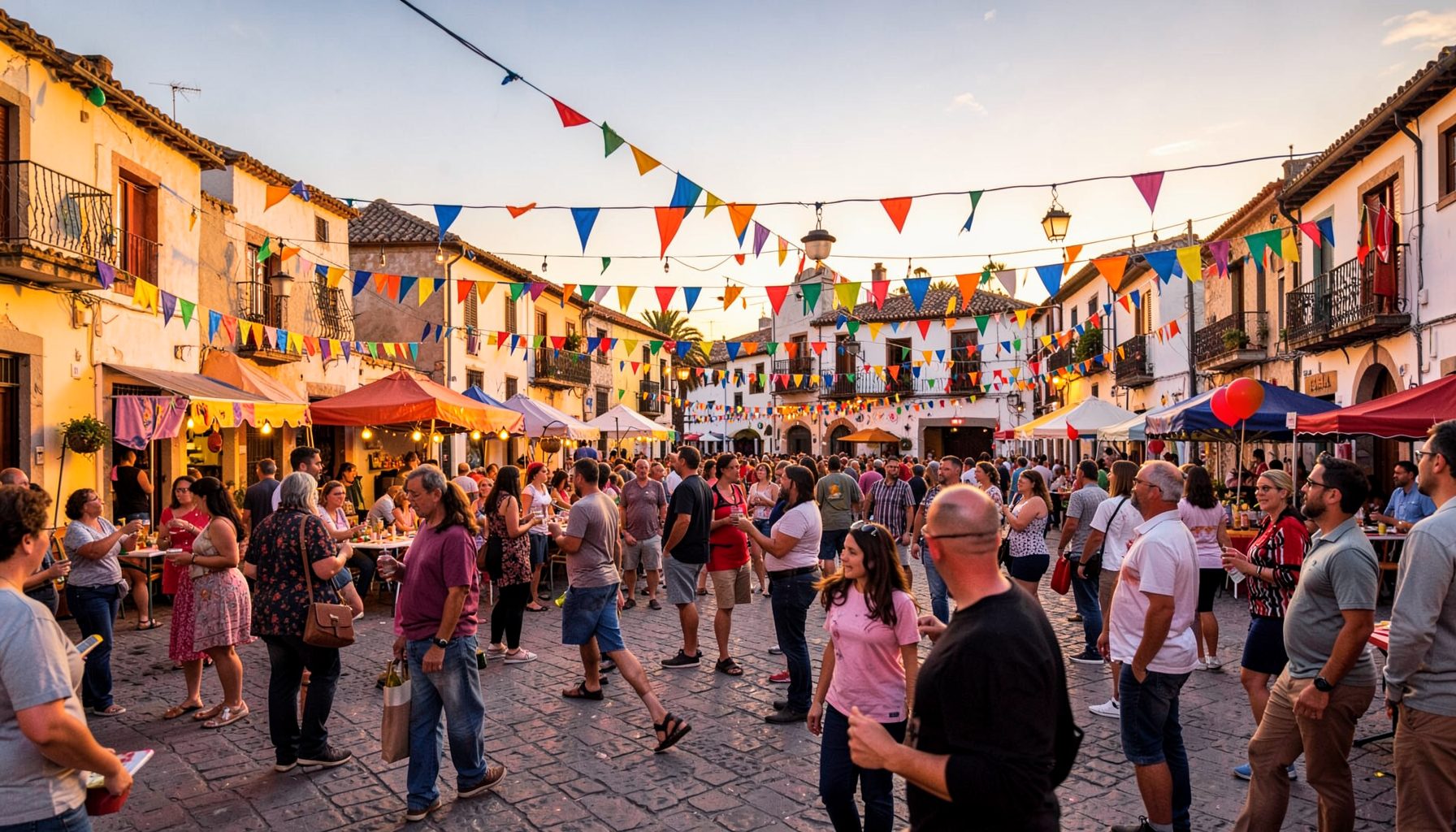
Join the conversation in the Agudo community forums. Access the Foro antiguo archive and participate in discussions with fellow residents and visitors.
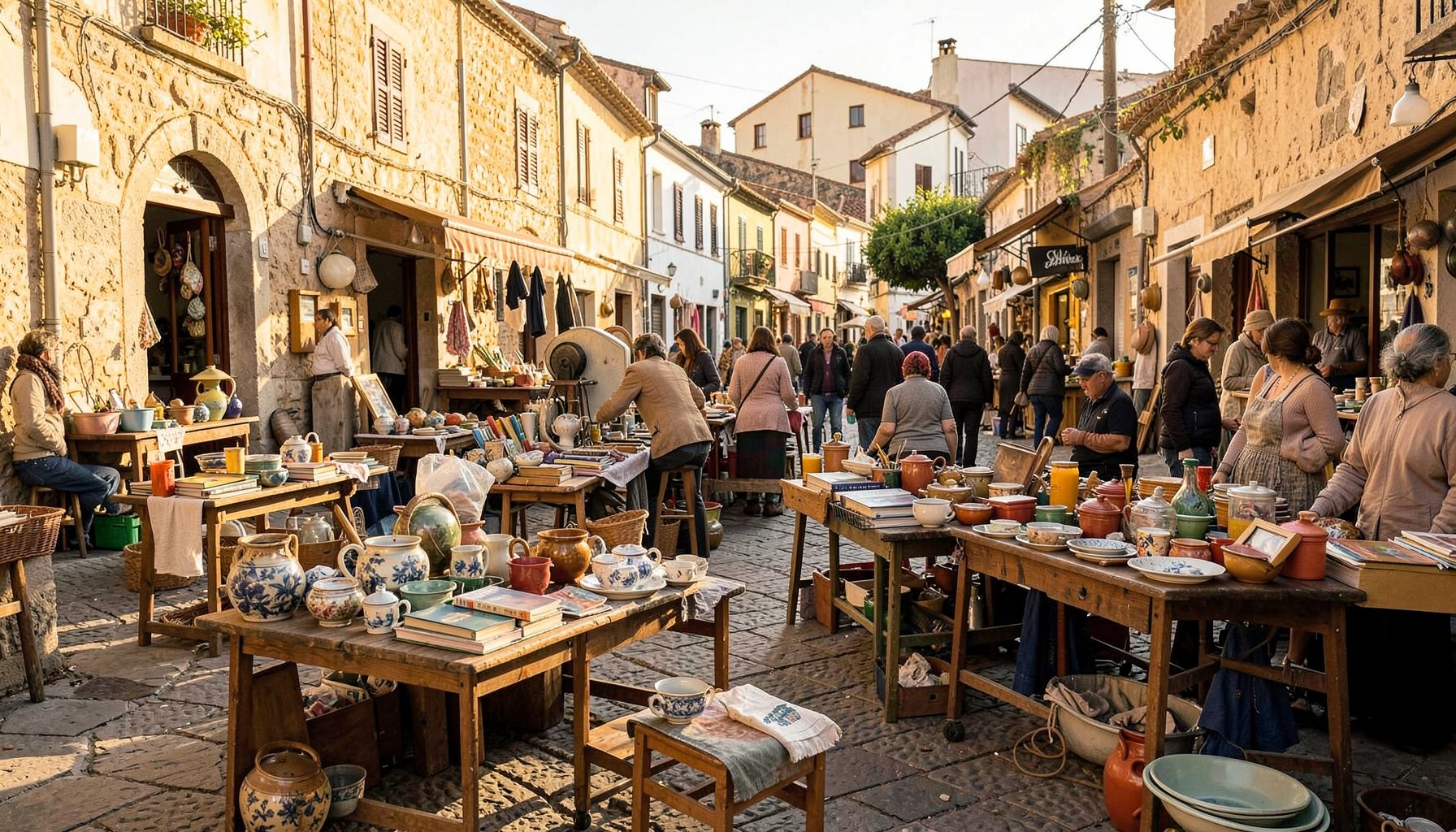
Browse local second-hand listings in the Agudo area. A convenient marketplace for buying and selling within the community.
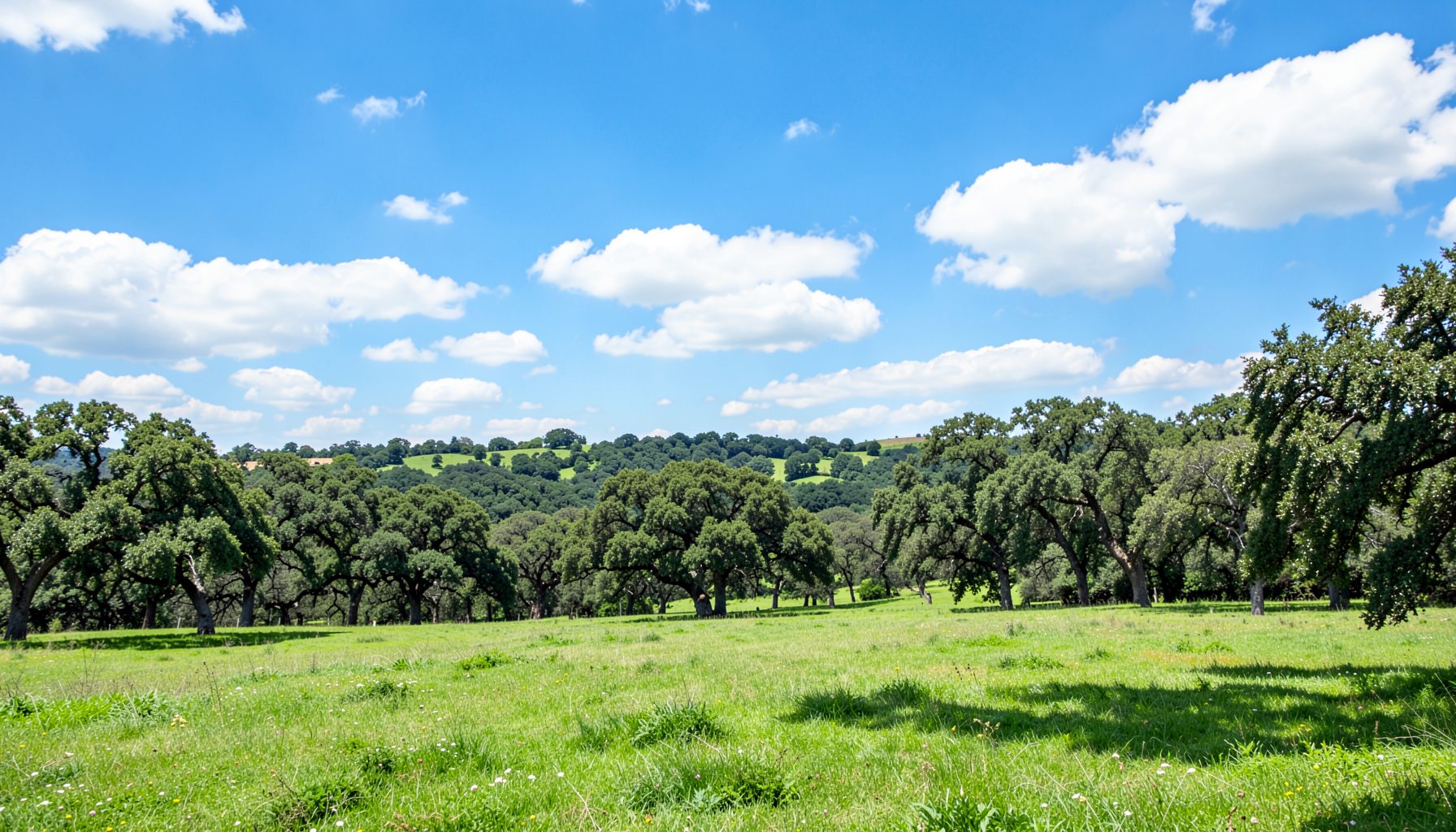
Explore our directory of recommended links, including the Ayuntamiento de Ciudad Real, Lagunas de Ruidera, Parque de Cabañeros, Agudo Joven, and Balneario Cervantes.
Access practical tools including Prensa links, radio, horóscopo, Loterías results, a leisure guide, recipes, a dictionary, and Street View integration.
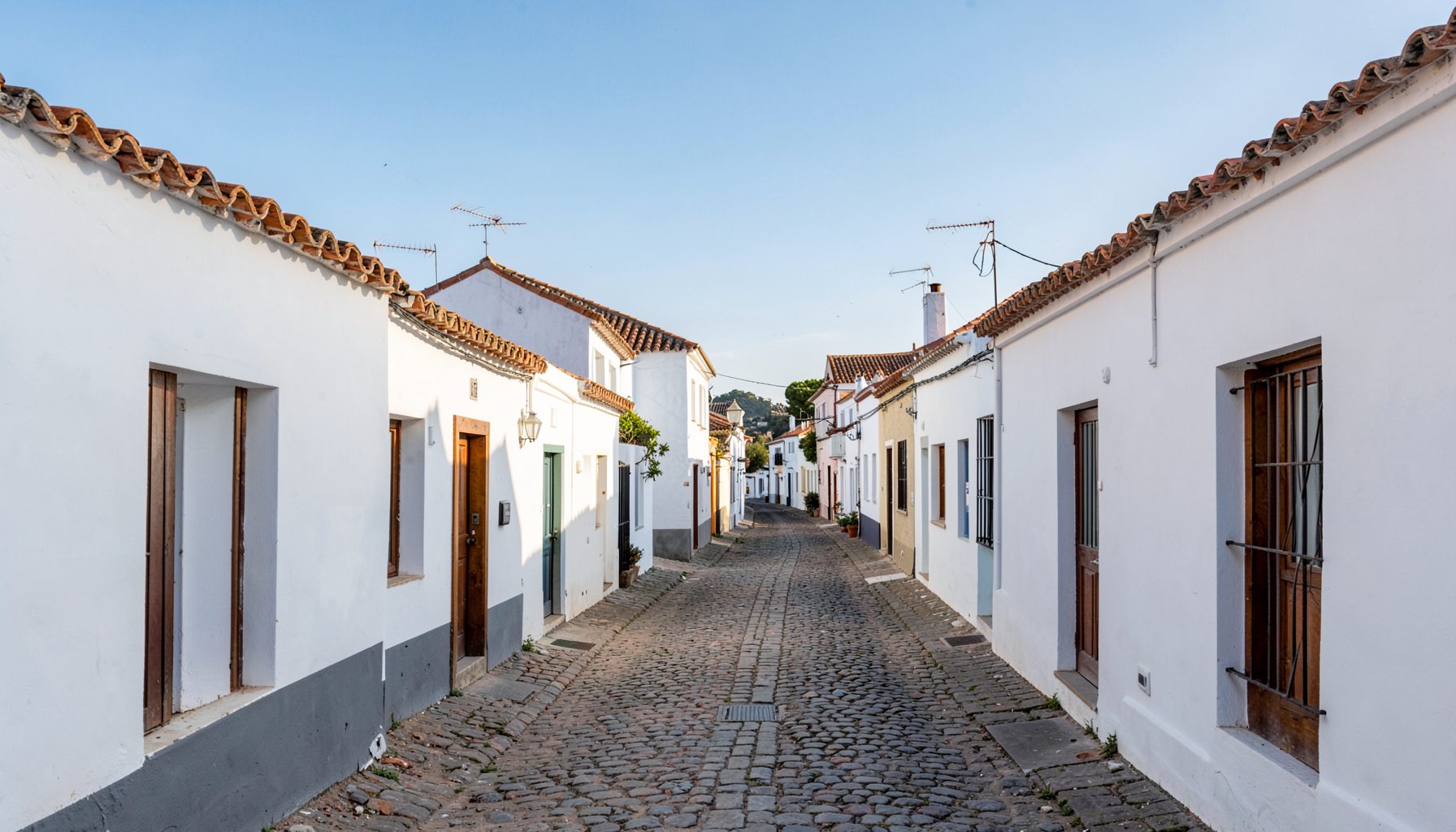
Watch videos showcasing Agudo and the surrounding region. A visual tour of local life, landscapes, and community events.