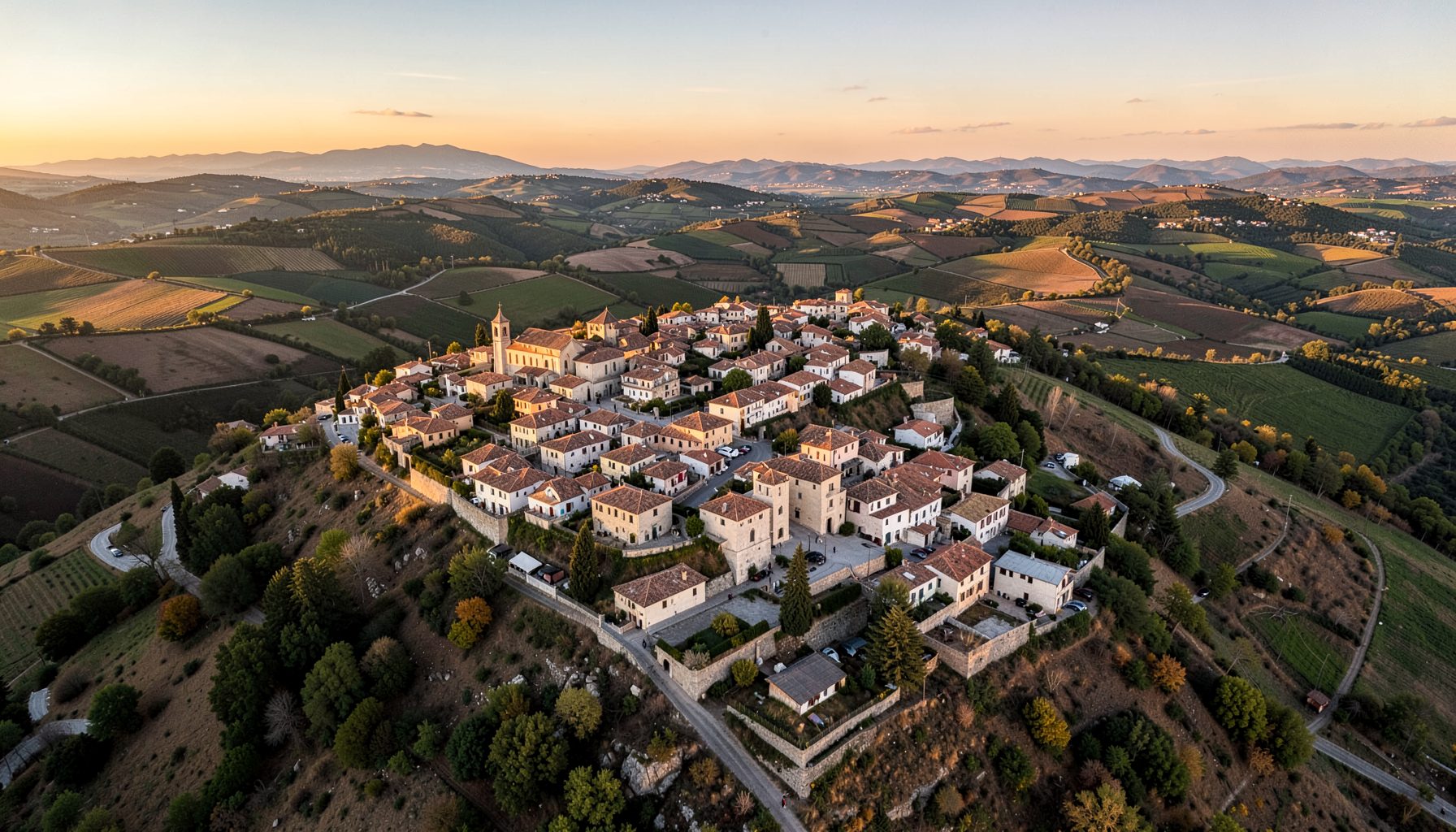
Stay informed with local news updates covering Agudo and the surrounding region. Browse the Hemeroteca for past articles and keep up with what matters in the community.
Workers in Agudo have finished mounting a series of large fabric canopies above the swings, slides and sandpit at the Parque de la Constitución, giving families a cooler spot to gather while children burn off their energy. The structure, financed through a modest municipal infrastructure budget line, was designed to keep the play area usable through the long, bright afternoons that already define late spring in this part of Ciudad Real.
The decision follows several summers in which parents in the town asked the ayuntamiento for more protection during peak UV hours. Local association representatives had also raised the issue at neighbourhood meetings, pointing out that without overhead cover the equipment becomes almost unusable between roughly two and five in the afternoon. The new shade sails are seen as a practical answer to that recurring complaint, modest in cost but likely to reshape how the park is used for a generation.
The canopies themselves are triangular in plan view and were tensioned between slim steel posts set in concrete footings just beyond the existing rubber safety surface. Council technicians chose a light beige fabric with a UV-stable coating, a colour that blends with the pale stone of nearby buildings rather than competing with them. From a distance the sails read almost as a continuation of the clear Castilian sky.
According to the brief published by the works department, the structure is rated to withstand the gusts that occasionally sweep down from the Sierra Madrona. Drainage was also taken into account, with a slight pitch built into each panel so that rainwater runs off toward planted borders instead of pooling above the children below. Small touches like this matter in a public playground where maintenance teams cannot visit every day.
In a region where summer temperatures regularly push past thirty-five degrees, the case for shaded play equipment is partly about comfort and partly about measurable health risk. Councils in southern Spain have been paying closer attention in recent years to paediatric guidance on heat stress, dehydration and sunburn during outdoor activity. A simple overhead barrier blocks a large share of direct and scattered UV radiation, which is the main driver of those problems.
Parents interviewed near the park said the change would allow toddlers to stay outside for longer stretches without retreating indoors for water and rest. One mother of two noted that she had been cutting visits short almost every afternoon in July and August, simply because the metal slides became too hot to touch. With sails in place, the same routines can resume from earlier in the day and continue later into the evening.
Australian local governments have wrestled with very similar questions for decades. In suburbs across Sydney, Melbourne, Brisbane and Adelaide, councils have installed shade sails, covered walkways and dedicated shade structures over play equipment under programs such as the Cancer Council's Shade Grant initiative. Schoolyards in Perth and Hobart routinely feature fabric canopies over sandpits and climbing frames, and the country's playground standard AS 4685 explicitly encourages the integration of shade into the original design.
Australian families are also used to the Slip, Slop, Slap messaging that has shaped public health campaigns since the 1980s. Sunscreen in the bag, a hat on the head and a shaded break every couple of hours are habits drilled into children from kindergarten onwards. Reading about a Spanish council adding the same kind of cover to a neighbourhood playground, then, feels less like foreign news and more like confirmation of a shared approach to hot-climate childhoods. The UV index that drives Slip Slop Slap in Australia is calculated in essentially the same way as the figures used by AEMET for Ciudad Real, even if the absolute numbers differ by latitude.
Fabric sails are not the only way to cover a playground. Permanent tiled pergolas, planted pergolas with climbing vines, retractable awnings and full-roof shelters each have their advocates. In Agudo the council chose sails because they are quick to install, relatively cheap to replace if damaged, and visually unobtrusive in a historic town centre where bulky new roofs would feel out of scale.
| Option | Approx. cost per square metre | Visual impact | Maintenance cycle | Best use case |
|---|---|---|---|---|
| Fabric shade sails | Low to moderate | Light, modern | 8–12 years | Small to medium playgrounds in heritage areas |
| Timber or steel pergola | Moderate to high | Heavy, traditional | 20+ years | Large parks with strong design brief |
| Retractable awning | High | Variable | 5–7 years | Cafés, terraces, occasional use |
| Living canopy with vines | Low upfront, slow growth | Soft, natural | Ongoing pruning | Eco-focused sites with patience for growth |
For a town the size of Agudo, the sail option is the most proportionate choice available, and the table helps illustrate why similar councils elsewhere tend to reach the same conclusion.
Early reactions on the ground have been quietly positive. Several regular users said the playground now feels finished rather than exposed, and a couple of grandparents mentioned that they would be more willing to bring grandchildren by in the late afternoon now that there is somewhere to sit in the shade. A few residents did ask whether more benches could be added beneath the sails so that supervising adults also benefit from the cover, a request the council has noted for the next minor works round.
There has been little visible opposition, which is itself notable for any infrastructure project in a small town. The most common criticism is simply that the sails do not extend far enough to cover the entire perimeter, something that could be addressed in a future phase if the current installation performs well through its first full summer.
The Parque de la Constitución sits only a short walk from the town's cultural centre, and the timing of the works is no coincidence. With the playground now usable through the hottest parts of the day, the council is hoping families will treat the park and the centre as a single afternoon outing rather than two separate errands. Anyone looking for a quieter indoor option can already look ahead to a flamenco guitar workshop at the cultural centre, which begins in October and is aimed squarely at people who have never held a Spanish guitar before.
This kind of pairing, an active outdoor space coupled with a creative indoor activity, reflects a pattern familiar in Australian suburbs where libraries, art spaces and shaded playgrounds are clustered within walking distance of each other. In both countries the goal is the same: make it easy to spend a whole day locally without needing a car, and let parents mix high-energy play with something a little more reflective.
The shade sails will be monitored over their first full summer to see how the fabric ages under the high UV loads of central Spain, how the steel posts weather, and whether usage of the playground genuinely shifts toward the middle of the day. Council staff have said they will publish a short report after the season, which will guide any decision to extend the system to other parks in Agudo or to adjust the design before it is rolled out further.
Residents who want to follow the progress, or who have suggestions for benches, water fountains or additional equipment beneath the new cover, can drop feedback through the usual municipal channels and keep an eye on the town's digital noticeboard. A short, well-shaded playground is a small piece of civic infrastructure, but in places like Agudo, where summer heat shapes the rhythm of daily life, it is the kind of modest project whose value is felt every single afternoon.
Stay informed with local news updates covering Agudo and the surrounding region. Browse the Hemeroteca for past articles and keep up with what matters in the community.
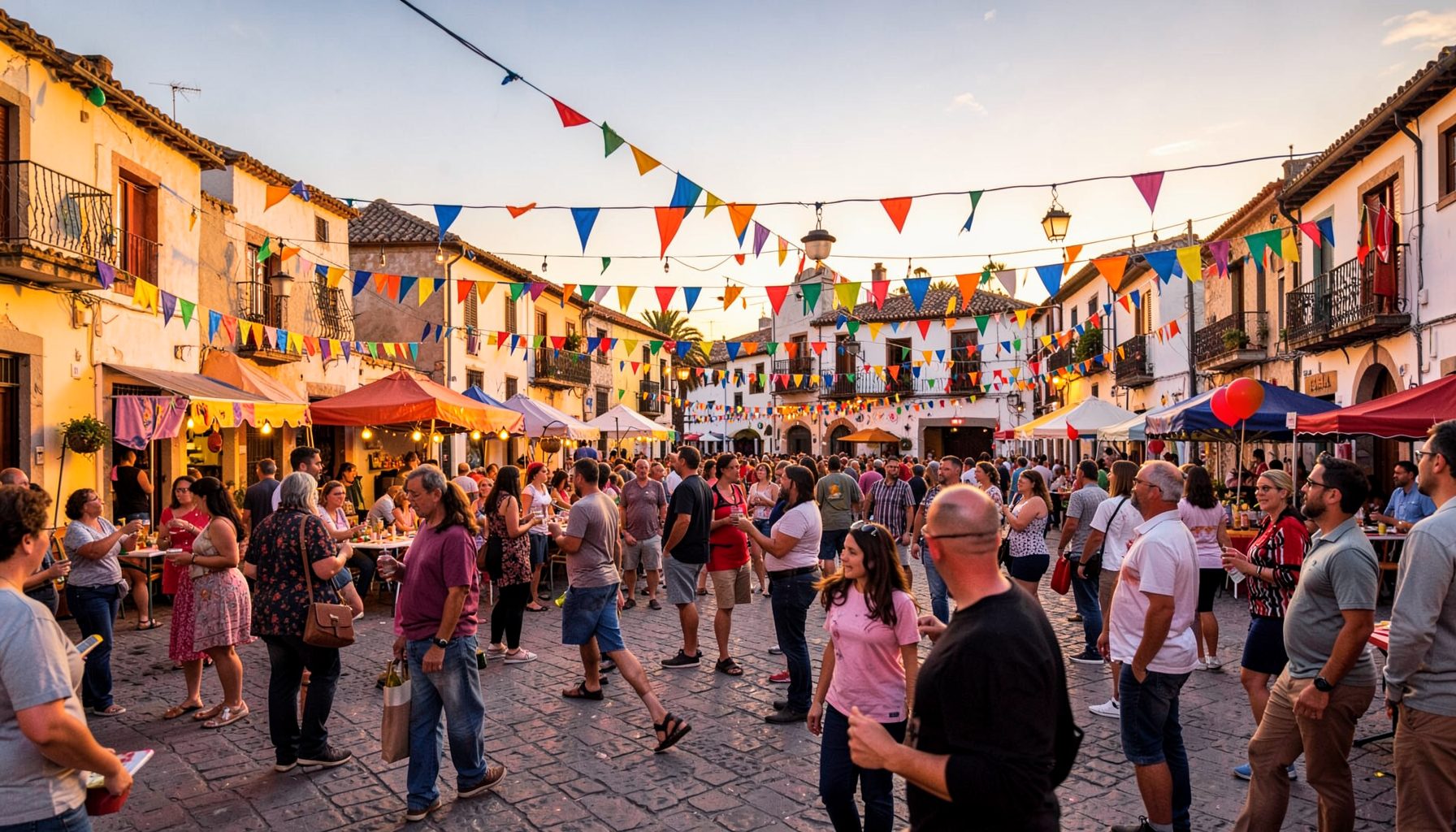
Join the conversation in the Agudo community forums. Access the Foro antiguo archive and participate in discussions with fellow residents and visitors.
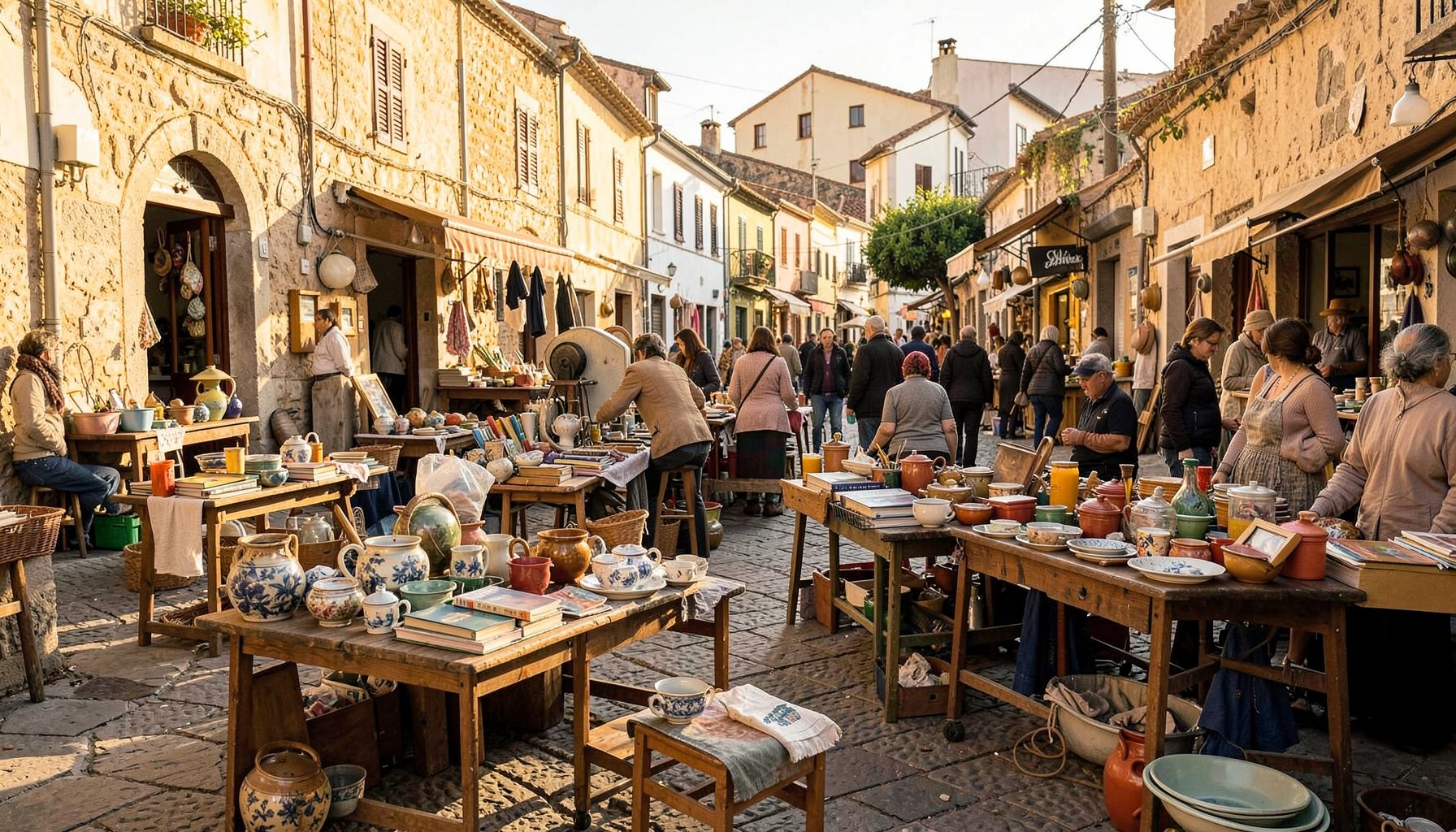
Browse local second-hand listings in the Agudo area. A convenient marketplace for buying and selling within the community.
Explore our directory of recommended links, including the Ayuntamiento de Ciudad Real, Lagunas de Ruidera, Parque de Cabañeros, Agudo Joven, and Balneario Cervantes.
Access practical tools including Prensa links, radio, horóscopo, Loterías results, a leisure guide, recipes, a dictionary, and Street View integration.
Watch videos showcasing Agudo and the surrounding region. A visual tour of local life, landscapes, and community events.