


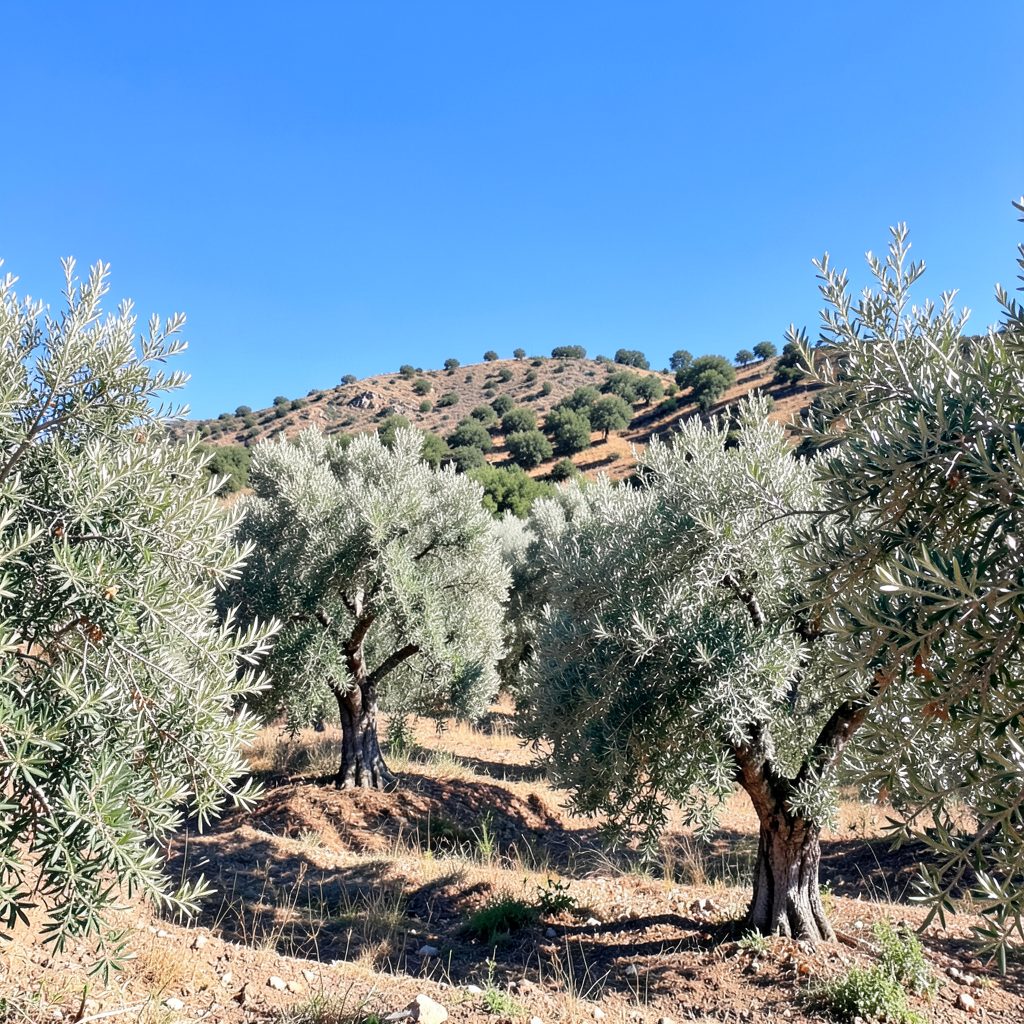
Stay informed with local news updates covering Agudo and the surrounding region. Browse the Hemeroteca for past articles and keep up with what matters in the community.

Agudo is set to reduce disposable plastic across its municipal buildings and public celebrations, changing the way council meetings, local activities and fiestas serve food and drinks. The policy will remove many single-use plates, cups, cutlery and food containers from council-controlled spaces, replacing them with reusable or lower-waste alternatives.
The council bans plastic single-use tableware in municipal buildings and during fiestas as part of a wider effort to reduce litter, improve waste collection and make public events more responsible. For residents, the change may be most visible at community lunches, cultural programmes, sporting gatherings and seasonal celebrations.
The decision will interest people who live in Agudo, former residents following local news from Australia, and nearby communities in Ciudad Real. Updates, photographs and public discussion can be followed through the Agudo local news portal, which provides a useful connection to the town’s civic and social life.
Disposable plastic is convenient for a short event, yet it can remain in the environment for decades. During busy fiestas, lightweight cups and food packaging can be blown into streets, fields and drainage channels. Mixed waste also makes collection harder, particularly when food scraps are left inside containers or recyclable items are placed in general rubbish.
Municipal buildings create a second opportunity for reducing waste. Council offices, meeting rooms, cultural venues and activity centres regularly host workshops, receptions and public meetings. A consistent rule means staff, organisers and suppliers can plan around durable crockery, washing arrangements and clearly marked waste stations rather than deciding requirements for every event.
The policy also reflects a broader European move away from throwaway products. Spain’s waste rules increasingly encourage prevention, reuse and better separation at source. For Agudo, a local ban can turn those broad environmental goals into a visible everyday practice that residents encounter in familiar places.
The restrictions are expected to cover council-owned or council-managed premises, including rooms used for associations, educational activities, public meetings and cultural events. They may also apply to municipal stalls, temporary food service areas and official refreshment points during fiestas. Event organisers should check the precise local rules before ordering supplies, especially where a venue is shared with private groups.
The practical focus is likely to be on plastic plates, forks, knives, spoons, cups, straws and takeaway containers. Items made from paper, cardboard, wood or certified compostable materials may be permitted in some circumstances, but “biodegradable” does not automatically mean suitable for every waste system. A product can require industrial composting that is unavailable locally, so disposal instructions will matter.
For a community group planning a charity meal or a neighbourhood activity, the safest approach is to ask the council or venue manager what is accepted. Reusable tableware may need to be collected, counted and washed after use. Caterers may also need to provide a plan for storage, transport and hygiene instead of arriving with cartons of disposable products.
Residents are unlikely to notice a major change at ordinary council appointments, but public events will require more preparation. Visitors may be asked to bring a reusable bottle or cup, use shared crockery, or place waste into separate containers. Clear signs in Spanish, and where useful in other community languages, can prevent confusion during crowded celebrations.
Market traders, bars, mobile food vendors and local associations will have to review their supplies. The best option will depend on the event: washable plates can work well for a seated meal, while sturdy reusable cups may suit a busy outdoor concert. A small deposit system can encourage people to return cups rather than leave them on tables or in the street.
For Australian readers, the idea will feel familiar. Councils in Melbourne and Sydney often set conditions for outdoor events, while reusable-cup schemes are increasingly common at cafés, festivals and sporting venues. Agudo’s smaller scale may allow organisers to rely on volunteers, local clubs and familiar suppliers, but it also means a few missed collection points could be highly visible.
Practical preparations could include:
The most important distinction is between avoiding disposable items and simply replacing plastic with another throwaway material. A paper cup may reduce persistent plastic pollution, but it still creates waste and may contain a lining that complicates recycling. Reuse usually delivers the strongest result when the washing system is efficient and items are returned reliably.
The comparison below shows how common options may work in a municipal building or fiesta setting. Actual permission will depend on the council’s final wording, venue facilities and local waste arrangements.
| Option | Waste impact | Practical strengths | Points to check |
|---|---|---|---|
| Reusable plastic or hard cups | Low after repeated use | Durable and suitable for large events | Washing, storage and loss |
| Ceramic plates and metal cutlery | Very low over long use | Familiar for meals and indoor functions | Breakage, transport and cleaning |
| Paper or cardboard items | Medium | Light and easy to distribute | Recycling, food residue and coatings |
| Wooden cutlery | Medium | Useful for some takeaway foods | Sourcing, comfort and disposal |
| Compostable products | Depends on the system | Can suit controlled food-service events | Local industrial composting access |
| Single-use conventional plastic | High | Cheap and convenient | Prohibited under the new approach |
For traders, price comparisons should include the whole event rather than the purchase price alone. Reusable equipment may involve an initial investment, but it can serve many fiestas. A deposit, washing partnership or shared stock managed by a local association could make the transition more affordable for smaller operators.
A plastic reduction policy should preserve the social character of Agudo’s celebrations. Fiestas often bring together families, older residents, children, visitors and people returning from other parts of Spain or overseas. Food, music and conversation should remain central, with the environmental requirements designed around the event rather than treated as a barrier to participation.
Local customs can help. A community lunch with durable crockery, a shared water station near a sports ground, or a return point beside the food stalls can become part of the event routine. In Australia, organisers of a sausage sizzle, school fete or weekend farmers’ market commonly plan waste stations and reusable serving items in advance; similar habits can transfer effectively to Agudo.
The council could support organisers with standard guidance, approved supplier details and a small equipment library. Local schools, sports clubs and cultural associations may also be able to share washing tubs, crates, cups and signs. This approach would turn the ban into a cooperative community project rather than a rule applied only at the final point of sale.
Clear communication will determine whether the policy feels manageable. The council should publish the affected venues, product definitions, exemptions and start dates well before major celebrations. Traders need enough time to use existing stock responsibly, identify alternatives and calculate any effect on prices.
A short transition period could allow pilot events to test collection and cleaning arrangements. Feedback from stallholders, residents and venue staff would reveal whether there are enough bins, whether signs are understandable and whether reusable items are returning at the expected rate. The results could then guide larger fiestas and municipal activities.
Useful steps for organisers and suppliers include:
The transition may also create opportunities for local businesses. Catering companies could offer reusable service packages, laundries could handle event washing, and community groups could manage cup deposits or equipment hire. Keeping those services close to Agudo would help more of the environmental and economic benefit remain in the local area.
Agudo’s policy is a small municipal decision with a clear public effect. Its success will depend on practical details: reliable washing, sensible exemptions, affordable supplies and messages that reach traders before the next major gathering. Residents can help by carrying reusable items when appropriate, following sorting instructions and treating shared equipment as community property.
Follow local notices, event updates and visual reports through Agudo community news, and share the council’s guidance with family members, associations and suppliers preparing for upcoming fiestas. A well-organised change can keep Agudo’s public celebrations lively while leaving streets, parks and municipal buildings cleaner.
Stay informed with local news updates covering Agudo and the surrounding region. Browse the Hemeroteca for past articles and keep up with what matters in the community.
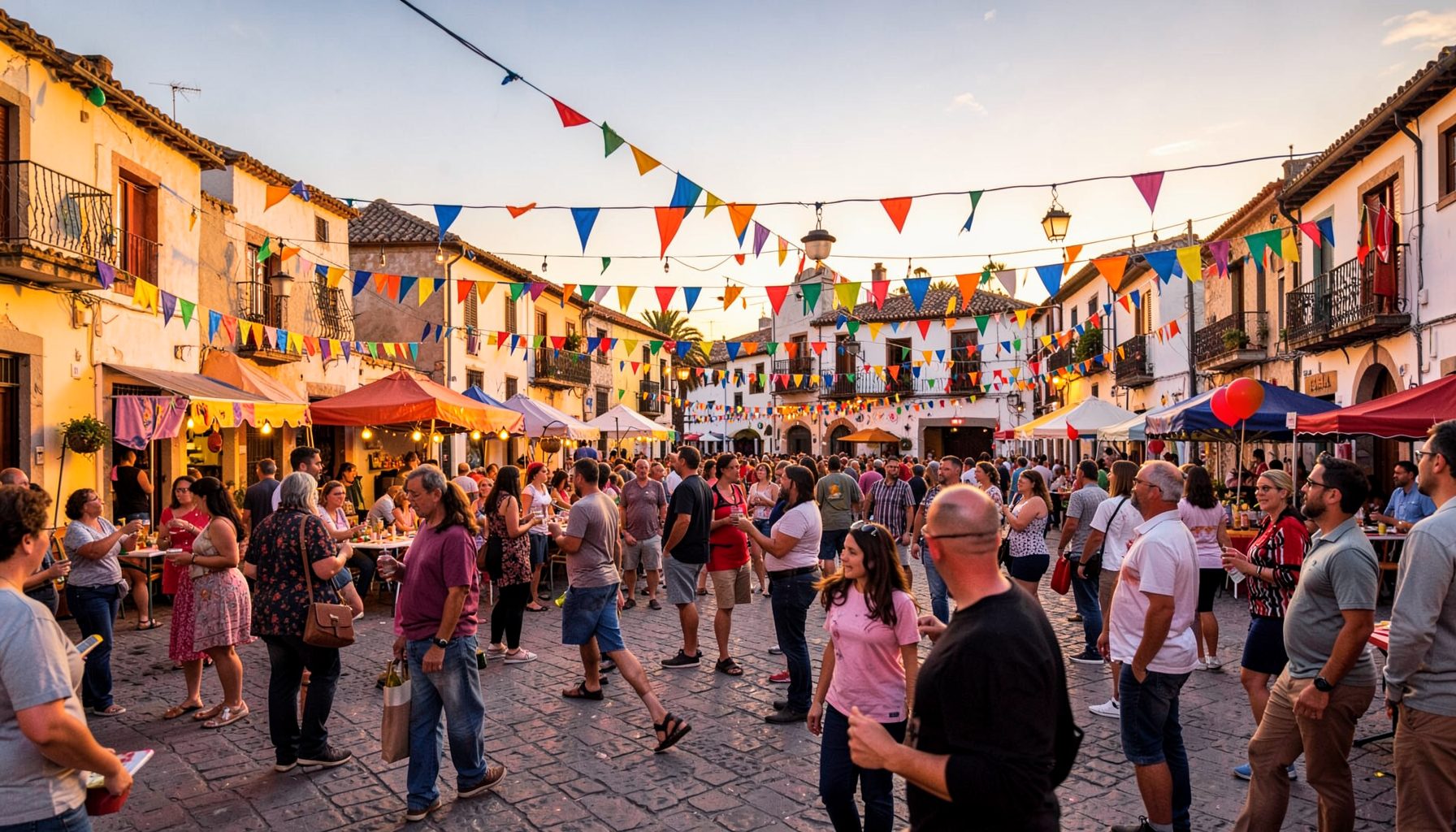
Join the conversation in the Agudo community forums. Access the Foro antiguo archive and participate in discussions with fellow residents and visitors.
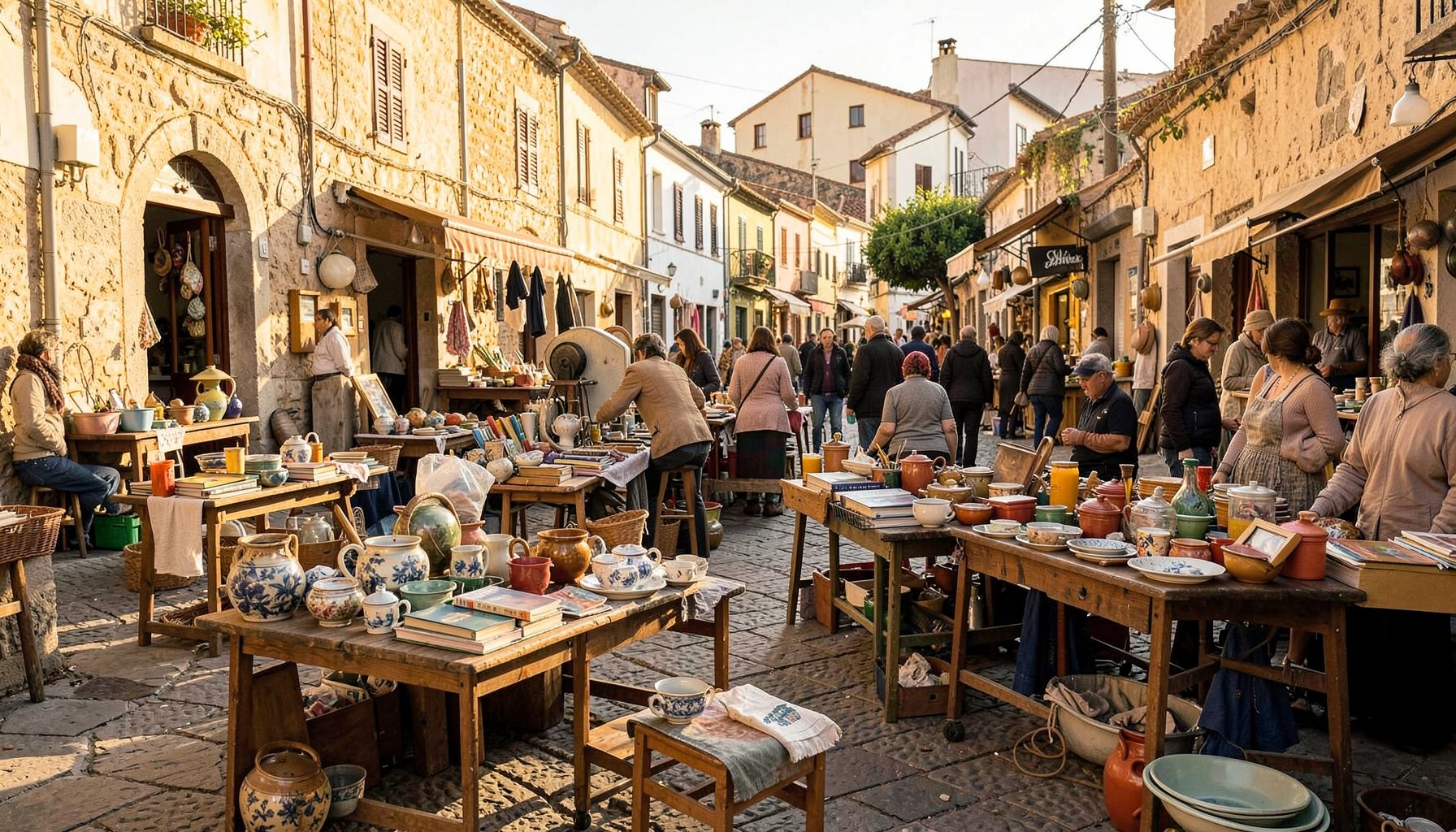
Browse local second-hand listings in the Agudo area. A convenient marketplace for buying and selling within the community.

Explore our directory of recommended links, including the Ayuntamiento de Ciudad Real, Lagunas de Ruidera, Parque de Cabañeros, Agudo Joven, and Balneario Cervantes.

Access practical tools including Prensa links, radio, horóscopo, Loterías results, a leisure guide, recipes, a dictionary, and Street View integration.

Watch videos showcasing Agudo and the surrounding region. A visual tour of local life, landscapes, and community events.