


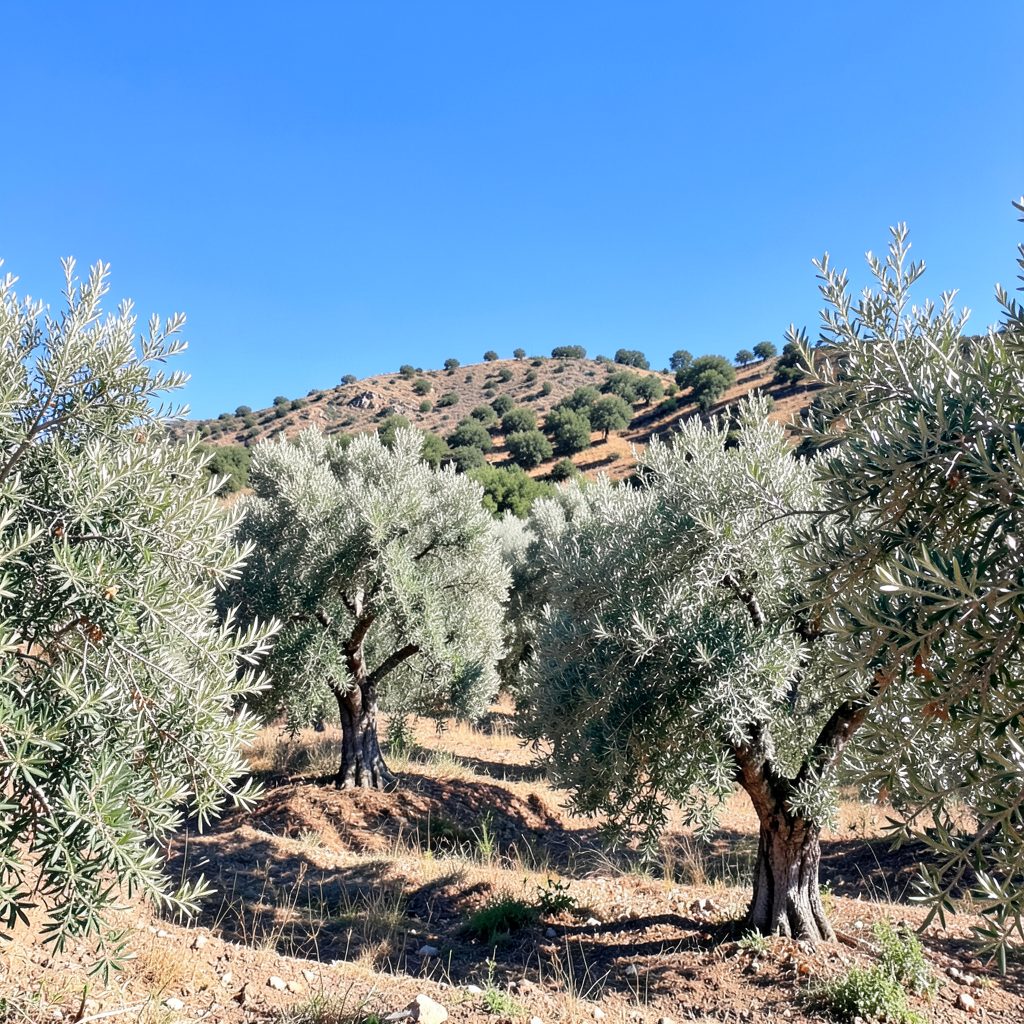
Stay informed with local news updates covering Agudo and the surrounding region. Browse the Hemeroteca for past articles and keep up with what matters in the community.
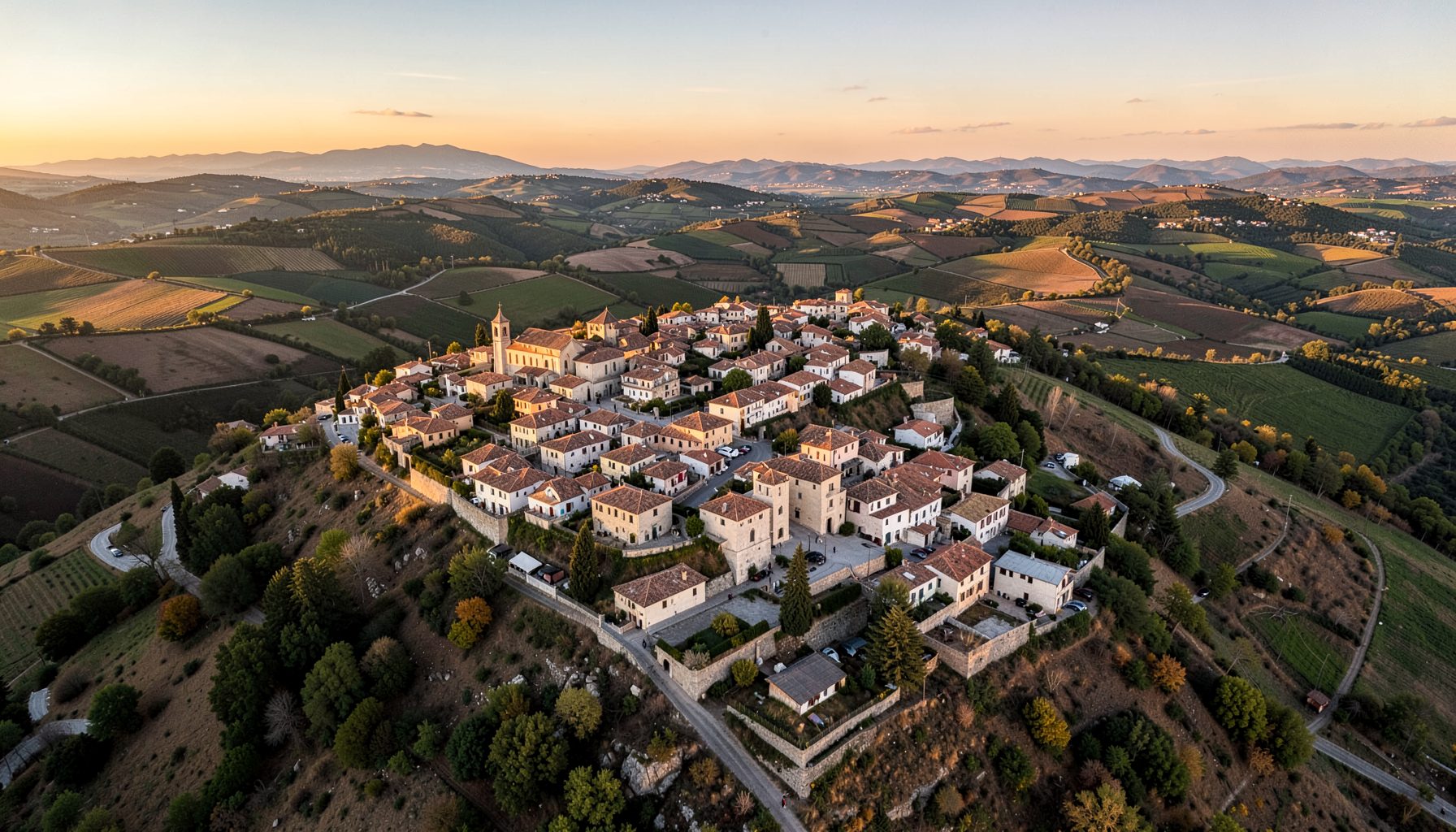
Agudo’s local council has approved a plan to reduce flood risk by rehabilitating five streams that are usually dry. The project focuses on restoring natural drainage routes, improving the condition of streambeds and banks, and helping rainwater move safely through the municipality during intense storms.
The decision matters because dry channels can appear harmless for most of the year, yet fill quickly when heavy rain falls across the countryside. For residents, farmers, visitors and former locals following news from afar, the work represents a practical investment in safer roads, homes, agricultural land and public spaces around Agudo.
| Area | Current situation | Planned response | Expected value |
|---|---|---|---|
| Five dry streams | Water flow is intermittent and channels may be obstructed | Rehabilitate beds, banks and drainage points | Faster, safer runoff |
| Rural paths and roads | Heavy rain can damage crossings and access routes | Improve vulnerable sections and water passages | Better mobility |
| Homes and public areas | Sudden runoff may carry mud and debris | Direct and contain stormwater | Reduced local damage |
| Farmland | Erosion can remove soil and affect boundaries | Stabilise banks and restore vegetation | Greater land protection |
| Emergency response | Flooding can develop rapidly | Improve monitoring and access | More time to act |
The five waterways may remain without visible water for long periods, but that does not make them inactive. In Mediterranean climates, short and intense rainfall can send water from hillsides and fields into narrow channels within minutes. Blocked culverts, accumulated sediment and damaged banks can then force the flow into roads or nearby properties.
Agudo’s landscape makes careful water management especially important. The municipality sits within a rural setting where farmland, tracks and scattered homes meet natural drainage routes. Maintaining these routes can reduce erosion and help keep runoff within areas designed to carry it.
A rehabilitated stream does not mean turning a dry channel into a permanent river. The objective is to restore its ability to receive, direct and release stormwater safely. This approach can protect the surrounding land while respecting the seasonal character of the local environment.
The approved programme is expected to centre on clearing obstructions, repairing unstable sections and reshaping points where water regularly spills over. Works may include removing excess sediment, reinforcing vulnerable banks and improving small crossings that connect rural properties or agricultural plots.
Vegetation management will also be important. Deep-rooted native plants can help hold soil in place, while selective clearance can prevent branches, rubbish and invasive growth from forming temporary dams. Any intervention needs to balance flood control with the ecological value of stream corridors.
The success of the plan will depend on maintenance after construction. A channel that is restored today can become blocked again after storms, fallen branches or further erosion. Regular inspections before and after the wettest periods will help identify problems before they become emergencies.
Flood prevention is often measured by what does not happen: a road remains open, a garage does not fill with muddy water and a field avoids losing its topsoil. By improving the five streams, the council is addressing several risks at the same time rather than relying on emergency pumping or last-minute road closures.
Rural producers may benefit from more reliable access to their land. Erosion around crossings and field entrances can make tractors, delivery vehicles and maintenance equipment difficult to move. Stabilised banks and better drainage can reduce repeated repair costs, particularly after severe rainfall.
The work could also support the safety of pedestrians and drivers near low-lying crossings. Residents should still treat flooded roads as dangerous, even when the water appears shallow. Fast-moving water can conceal damaged surfaces, debris or washed-out edges.
The plan will be familiar to people in Australia, where councils regularly manage flash flooding, creek restoration and stormwater capacity. Brisbane’s subtropical downpours, Sydney’s sudden urban flooding and regional communities affected by overflowing creeks show how quickly conditions can change after intense rain.
Australian residents often receive warnings through council channels, state emergency services and local weather alerts. The same principle applies in Agudo: residents need clear information about road conditions, temporary closures and safe routes before a storm arrives. The Spanish equivalent of practical, early community messaging can save time when rainfall becomes dangerous.
Local customs also shape how communities respond. Neighbours checking on older residents, farmers securing equipment before bad weather and families avoiding flooded crossings are simple actions with a real effect. In places such as regional New South Wales or Queensland, State Emergency Service volunteers are a familiar part of flood response; in Agudo, cooperation among residents, municipal staff and emergency teams can provide similar support.
People who live near the five streams often know where water gathers first, which paths become impassable and which culverts need attention. Their observations can complement technical surveys. A resident’s report about repeated overflow near a track may reveal a pattern that is not obvious during a dry inspection.
The council can strengthen the project by communicating its timetable, affected access points and environmental safeguards. Photographs taken before and after the work may also help residents understand how the channels are being restored. Clear updates are especially useful for former Agudo residents who follow local affairs from Madrid, Valencia, Melbourne or Perth.
Community discussion has a place in this process. Residents can exchange observations, images and practical information through the Agudo community forums, particularly when heavy rain affects different parts of the municipality at the same time.
Flood prevention intersects with everyday economic life. Agudo’s rural roads support agriculture, trades, deliveries and access to local services. When a crossing is damaged, the effect can reach beyond one property, delaying work and making it harder for goods or machinery to move through the area.
The local market also depends on reliable access. Producers preparing seasonal goods for a town market, village celebration or weekend sale need confidence that customers and suppliers can reach them. A farmer or small trader can use the local classifieds to advertise equipment, services or produce, but safe roads remain essential to completing those transactions.
Australian readers will recognise this connection from community markets in towns such as Bendigo, Toowoomba or Newcastle, where weather can influence attendance, deliveries and stall arrangements. In Agudo, better drainage can help protect the routine activity that keeps rural communities connected.
Municipal infrastructure can reduce danger, but household and farm preparation remains important. Residents near a stream should keep drainage entrances clear on their own property, secure loose objects and avoid storing valuable materials in low areas. Landowners should also monitor signs of bank collapse, fresh gullies or blocked channels after major rain.
A few practical measures can make a difference:
Residents should never attempt to clear a blocked channel while water is moving. A small obstruction can release a sudden surge, and unstable ground may give way without warning. Reporting the issue allows trained personnel to assess the hazard safely.
The rehabilitation of five dry streams gives Agudo a chance to address flood risk through prevention, maintenance and local cooperation. Its value will be seen through safer access, less erosion and better protection for homes, fields and community infrastructure when storms arrive.
Updates on construction stages, road access, weather conditions and local events will help residents plan with confidence. Follow Agudo’s community information channels, share reliable local observations and stay alert when heavy rainfall is forecast. Supporting informed, practical participation will help turn the approved plan into lasting protection for the municipality.
Stay informed with local news updates covering Agudo and the surrounding region. Browse the Hemeroteca for past articles and keep up with what matters in the community.

Join the conversation in the Agudo community forums. Access the Foro antiguo archive and participate in discussions with fellow residents and visitors.
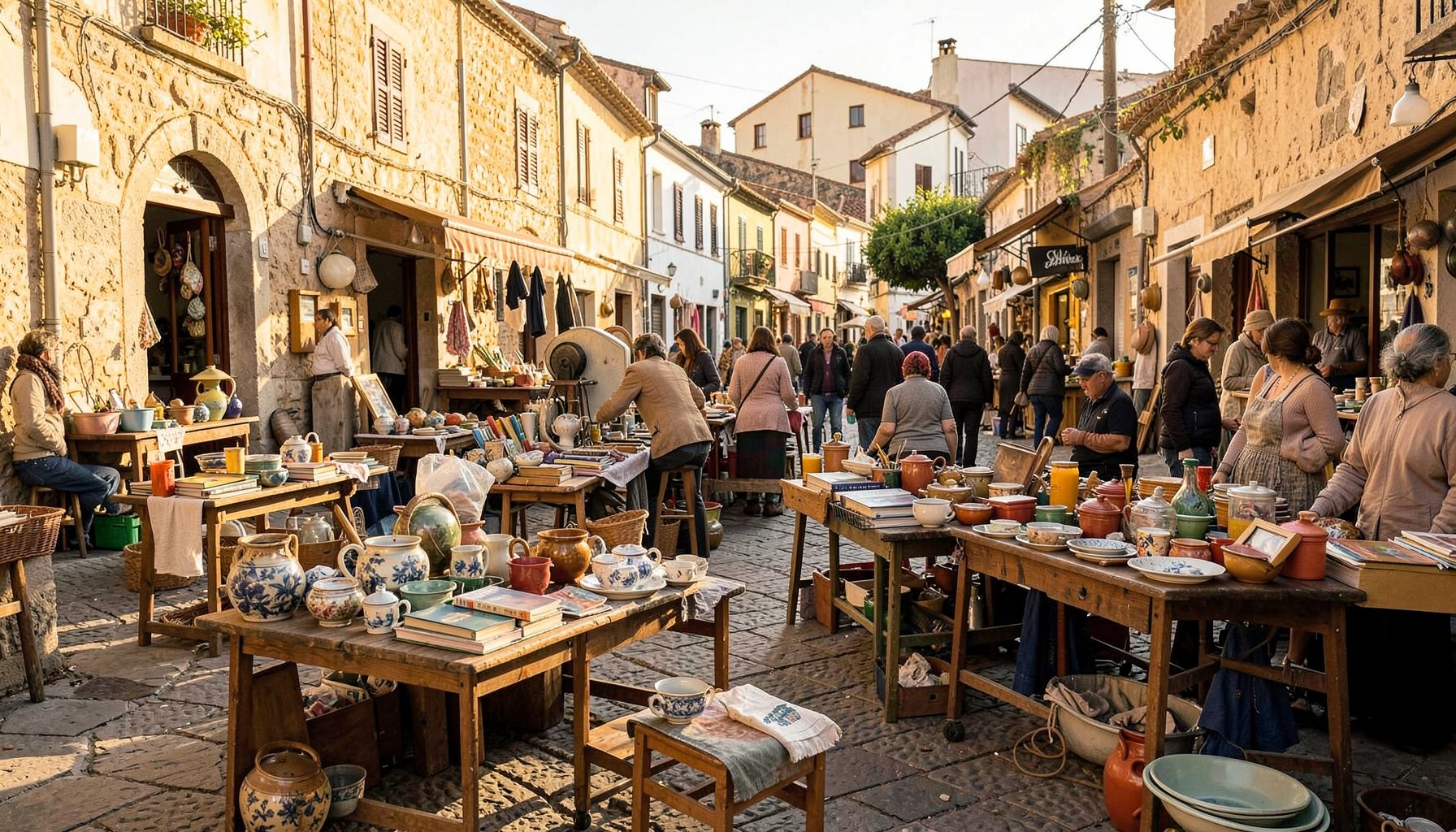
Browse local second-hand listings in the Agudo area. A convenient marketplace for buying and selling within the community.
Explore our directory of recommended links, including the Ayuntamiento de Ciudad Real, Lagunas de Ruidera, Parque de Cabañeros, Agudo Joven, and Balneario Cervantes.

Access practical tools including Prensa links, radio, horóscopo, Loterías results, a leisure guide, recipes, a dictionary, and Street View integration.

Watch videos showcasing Agudo and the surrounding region. A visual tour of local life, landscapes, and community events.