
Stay informed with local news updates covering Agudo and the surrounding region. Browse the Hemeroteca for past articles and keep up with what matters in the community.
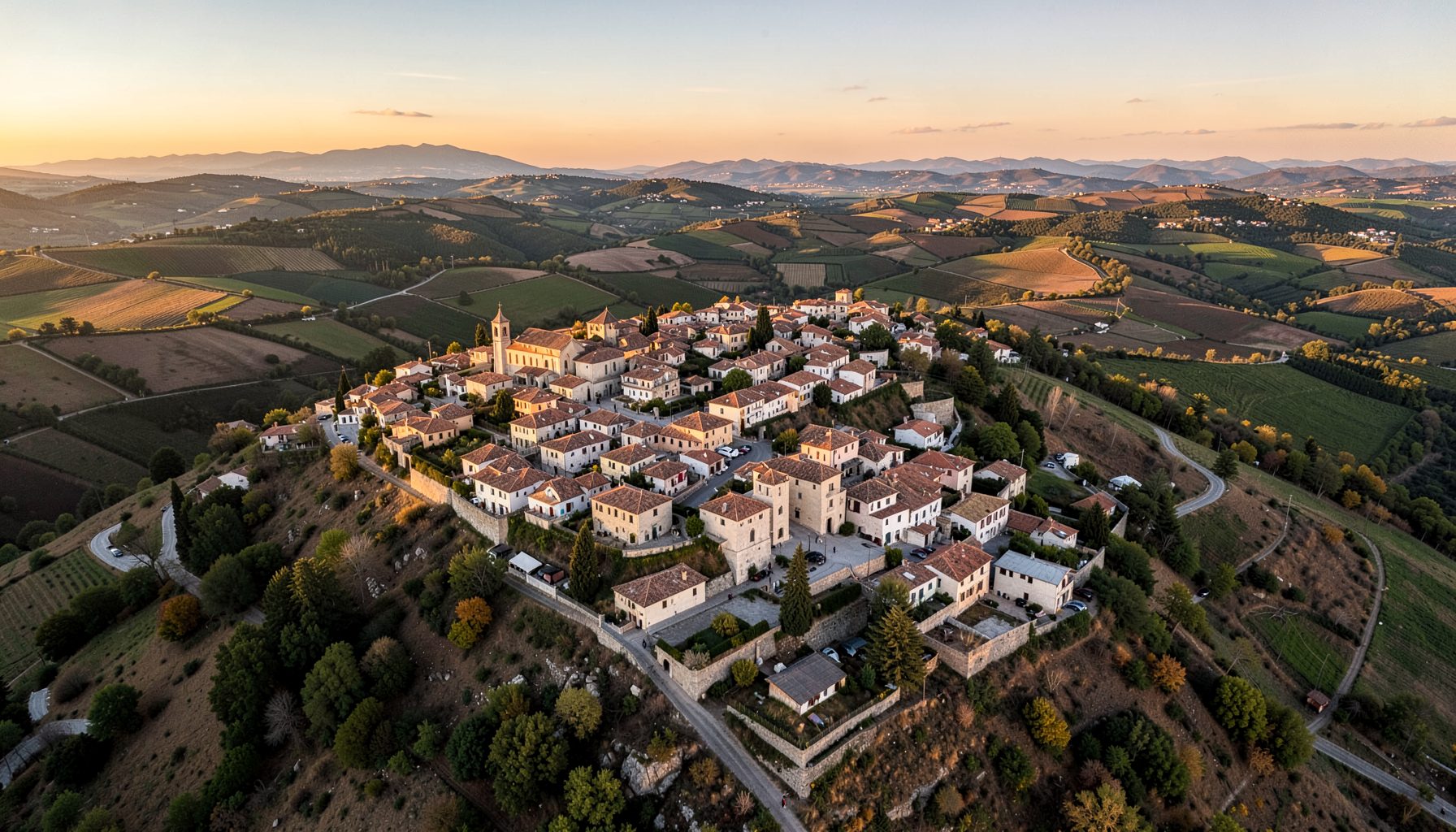
Residents and regular visitors of Agudo can finally mark their calendars. The Ayuntamiento has confirmed that the next phase of paving works along the Camino de las Viñas will begin in May, ending months of speculation about when the heavy machinery would return to one of the most photographed rural routes in the municipality.
The announcement came during a routine plenary session and was followed by a short technical briefing from the works department. Local associations, vineyard owners and walkers have been waiting for this green light since the first stretch was completed last autumn, and the council has now laid out a clear calendar stretching through the warmer months.
For anyone planning a visit, a photography trip or simply a Sunday walk, the news also clarifies what to expect on the ground. Detours will be signposted, parking near the upper terraces will be restricted, and several council services will shift to temporary offices during the busiest weeks of the project.
The official document published by the council sets out a three-month window for the next phase, beginning on 12 May and running until early August, with a short pause during the town's patron saint festivities. The works will cover roughly 1.8 kilometres of roadway between the lower junction near the cooperative winery and the bend that overlooks the old stone water trough.
According to the brief read aloud by the councillor responsible for roads, the company awarded the contract has already mobilised its equipment in the nearby town of Almadén and will transfer the rollers and pavers to Agudo during the first week of May. The project manager will hold an on-site kickoff meeting with neighbourhood representatives on the morning of 9 May, a date that locals compare to the way Australian councils often hold a drop-in session at the local hall before kicking off major civil works in places like Penrith or Geelong.
Residents who normally use the lane to reach their vineyards will be given temporary access passes, valid only between sunrise and 9am, so that harvesting and pruning work can continue. The council has also coordinated with the regional bus operator to add a morning shuttle from the Casa de Cultura to the upper car park, a service some locals have jokingly nicknamed the grape bus along the lines of what Sydneysiders might call a community shuttle.
The next phase goes well beyond a simple resurfacing. Engineers will widen the existing platform by about 80 centimetres to allow safer two-way traffic for agricultural vehicles, install a new drainage channel along the southern edge, and replace two small culverts that have been patched up repeatedly since the heavy rains of 2023.
Asphalt will be laid in two layers, with a base of 8 centimetres and a wearing course of 4 centimetres, designed to handle the weight of loaded grape trailers during the September vendimia. A short section near the chapel of San Isidro will be finished with a decorative red-toned aggregate, matching the look of the first phase and tying the route together visually.
| Element | Phase 1 (completed) | Phase 2 (May start) |
|---|---|---|
| Length paved | 1.2 km | 1.8 km |
| Lane width | 4.5 m | 5.3 m |
| Asphalt depth | 9 cm single layer | 12 cm two-layer |
| Drainage upgrade | Basic side gutter | New channel + 2 culverts |
| Estimated cost | €245,000 | €312,000 |
The specifications closely follow what Australian readers would recognise as standard practice for rural road upgrades funded through state-level programs. The same logic of stabilise, drain, then pave appears in projects delivered across the wheat belt of New South Wales and along the back roads of the Barossa in South Australia, where councils balance heritage character with the practical needs of farming traffic.
Life along the Camino will not stop while the machinery is operating. The council has confirmed that waste collection will continue, with bins to be left at the lower junction on collection days, and that the rural post service will maintain its existing rounds, although delivery times may slip by half an hour during concrete curing.
Parents who usually drive their children to the school bus stop near the cooperative will need to use the alternative route through Calle Olivar, a small detour that adds about four minutes but avoids the active works zone. The local police have been asked to monitor speed along the diversion, especially during the early morning rush when tractors and cars share the narrow street.
For casual visitors, the council has prepared a temporary signposted walking loop that runs along the upper terraces and rejoins the main track just before the chapel. The route is around 3.2 kilometres long and offers the same panoramic views that make the Camino a favourite subject for landscape photographers, including those planning to enter this year's annual photography contest.
The total budget for the next phase stands at €312,000, drawn from the council's own infrastructure fund and a small top-up from the Diputación Provincial. Councillors stressed that no new borrowing will be needed and that the money had already been ringfenced before the start of the current fiscal year.
A sizeable share of the cost, around 18 per cent, is being spent on improving the drainage rather than on the visible asphalt itself. Officials argue that this is a more honest use of public money, echoing the kind of plain-speaking approach Australian ratepayers hear from local mayors in places like Warrnambool or Launceston when they explain why a boring pipe upgrade matters more than a shiny new footpath.
The paving project is part of a wider rural roads plan that also includes a smaller resurfacing job in the hamlet of La Rabita and the rebuilding of a retaining wall near the cemetery. Council records show that more than €1.1 million will be invested across the municipality this year, a figure that puts Agudo roughly in line with comparable rural councils of its size in the Castilla-La Mancha region.
At the same time, residents are watching closely how the council balances other priorities, from the proposed wind farm proposal to ongoing maintenance of street lighting in the casco antiguo. Several speakers at the plenary asked for reassurance that rural road investment would not be sidelined if larger energy projects move forward.
Reaction in the village has been broadly positive, with vineyard cooperatives welcoming the certainty around timing. The president of the local growers' association said the May start gives the village exactly the window it needed between pruning and the early summer treatments.
A small number of residents remain concerned about noise, dust and the impact on a family of foxes that den near the upper bend. The council has responded by agreeing to keep one short section untouched during the fox breeding season and by limiting noisy compaction work to a six-hour window each morning, a compromise that reminds some long-time observers of the practical give-and-take seen in suburban Melbourne when councils retrofit tram corridors through quiet streets.
Where to follow the project updates
Practical steps for residents near the route
Volunteers are also being invited to help with the small touches that will follow the main paving: planting lavender along the new kerb, restoring the wooden signposts, and organising a community breakfast on the day the last section is opened.
To make the most of the works period, residents and visitors are encouraged to plan ahead, respect the signed detours, and share their photos and observations with the council through the usual channels. Whether you are a winemaker checking your terraces, a walker looking for a quiet corner of La Mancha, or an Australian reader who simply enjoys following rural life on the other side of the world, this next phase is the one that finally ties the whole Camino together. Drop into the Casa de Cultura, tune in to Radio Agudo, or just keep an eye on the council's online feed, because the asphalt will be cooling long before the first grapes of the new season are picked.
Stay informed with local news updates covering Agudo and the surrounding region. Browse the Hemeroteca for past articles and keep up with what matters in the community.

Join the conversation in the Agudo community forums. Access the Foro antiguo archive and participate in discussions with fellow residents and visitors.
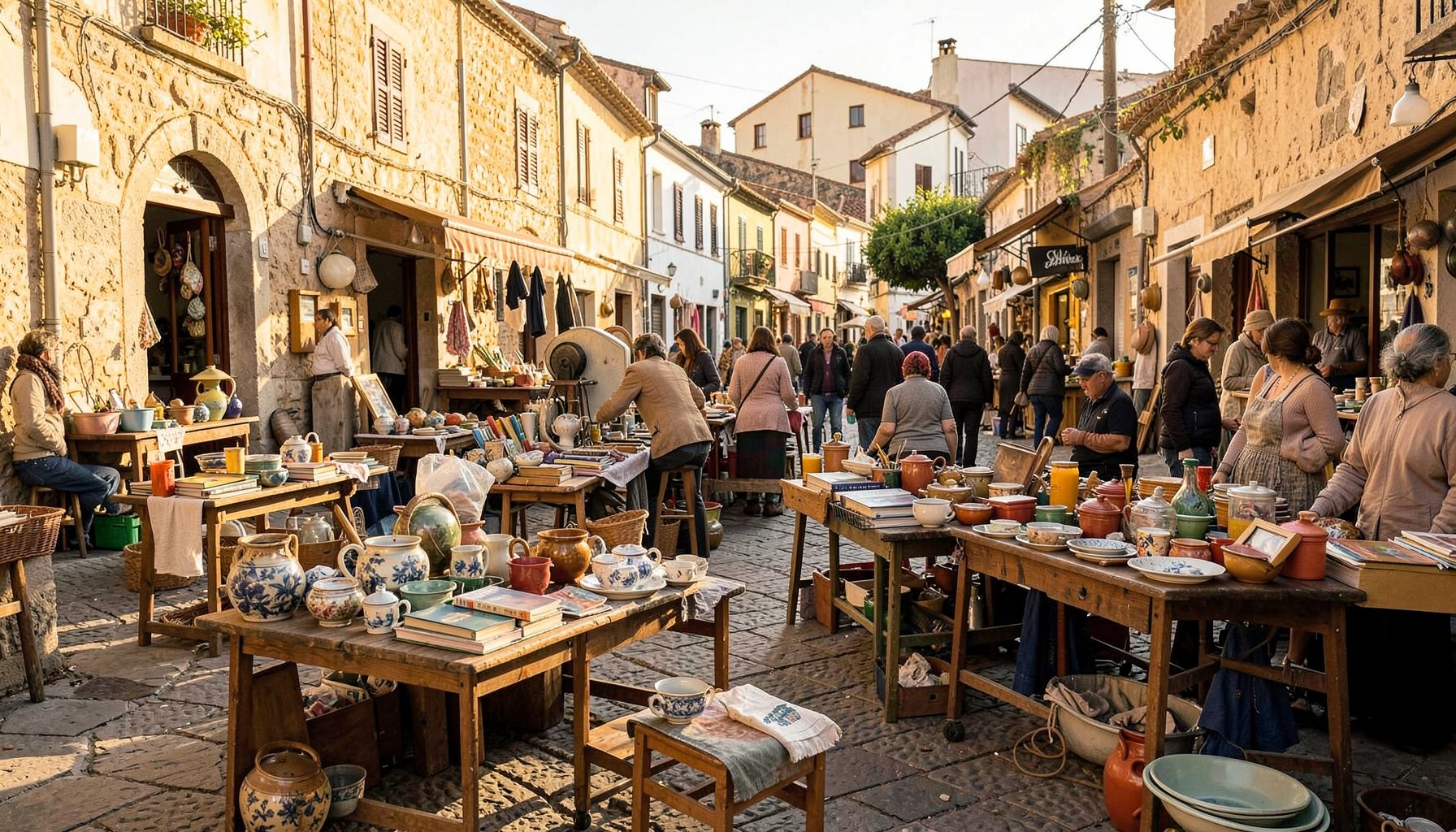
Browse local second-hand listings in the Agudo area. A convenient marketplace for buying and selling within the community.
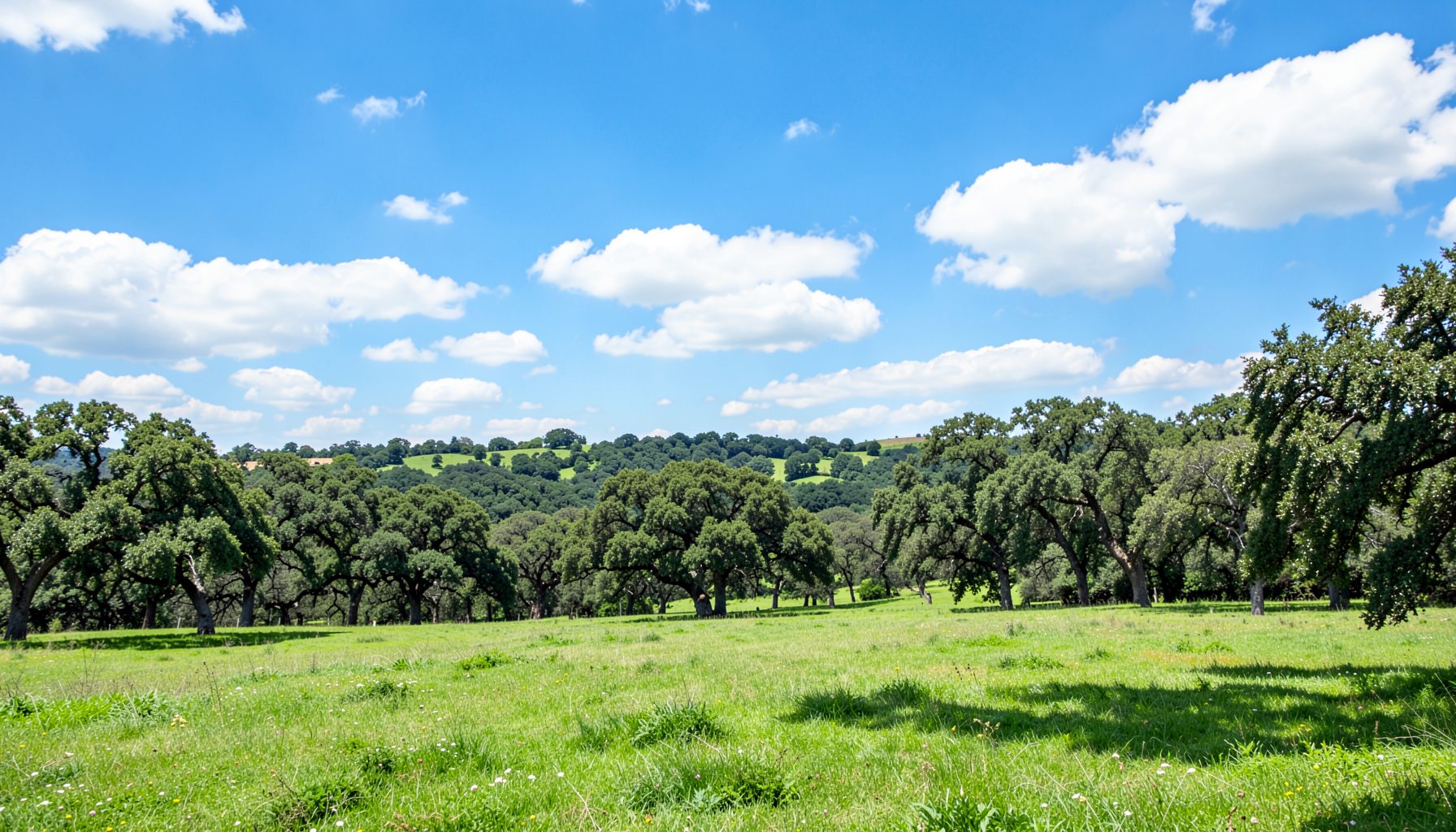
Explore our directory of recommended links, including the Ayuntamiento de Ciudad Real, Lagunas de Ruidera, Parque de Cabañeros, Agudo Joven, and Balneario Cervantes.

Access practical tools including Prensa links, radio, horóscopo, Loterías results, a leisure guide, recipes, a dictionary, and Street View integration.

Watch videos showcasing Agudo and the surrounding region. A visual tour of local life, landscapes, and community events.