Stay informed with local news updates covering Agudo and the surrounding region. Browse the Hemeroteca for past articles and keep up with what matters in the community.
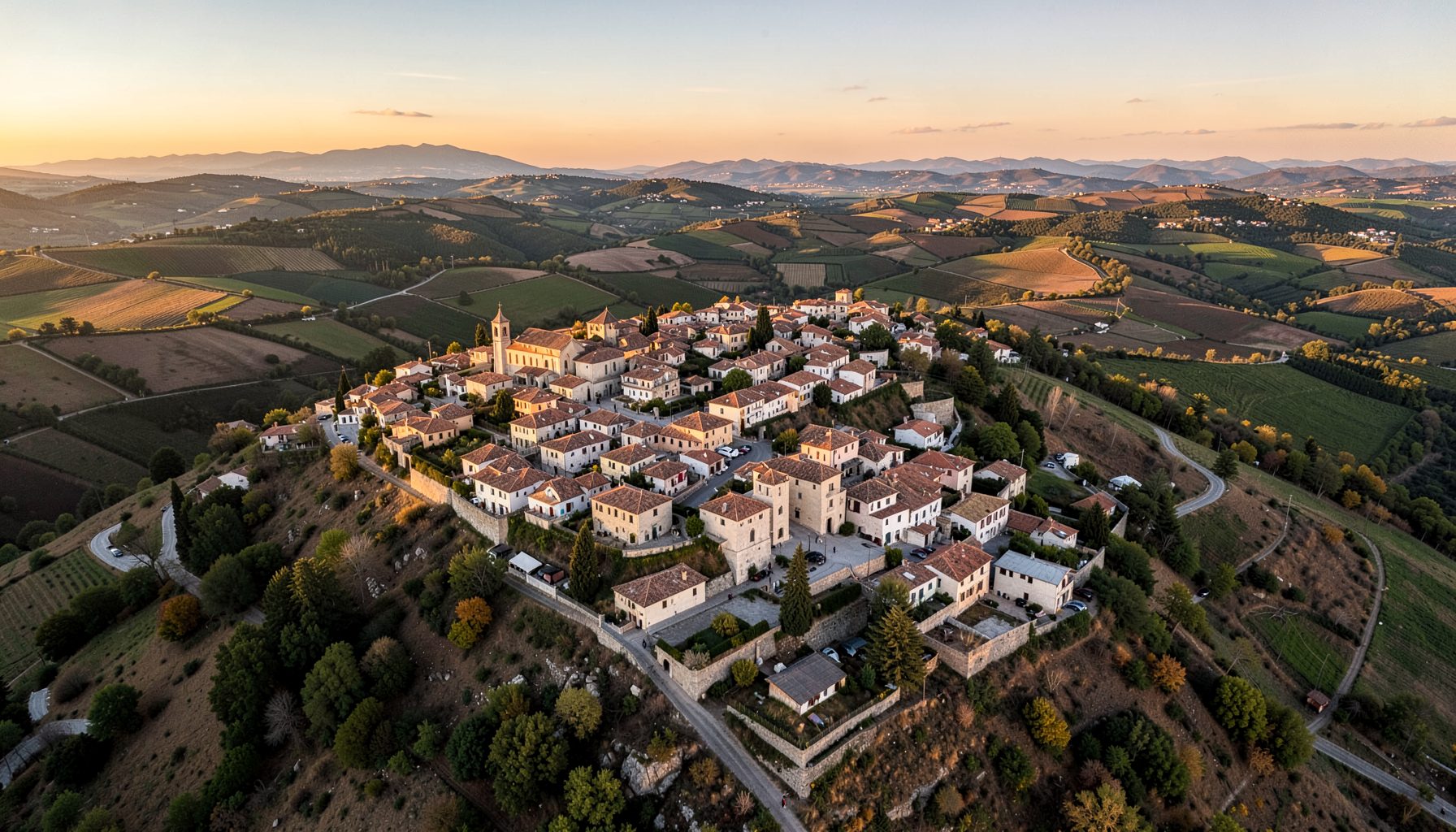
The youth council in Agudo has announced a fresh community initiative that will send teams of teenagers and adults racing through the narrow lanes of the town's historic centre after dark. Using only a map, a compass and a series of checkpoints, participants will navigate between centuries-old buildings in an event that combines physical activity with local heritage. The announcement has generated quiet excitement among residents who have watched similar activities flourish in cities such as Melbourne, where night runs and urban adventure races are regular fixtures on the social calendar.
Orienteering relies on reading terrain and making quick decisions under pressure. While the discipline has roots in military training across northern Europe, modern versions emphasise fun, navigation skills and teamwork. In Spain, clubs in regions like Castilla-La Mancha have slowly expanded their presence, and Agudo's young organisers see this event as a way to introduce the sport to people who might never have considered joining an outdoor athletics group.
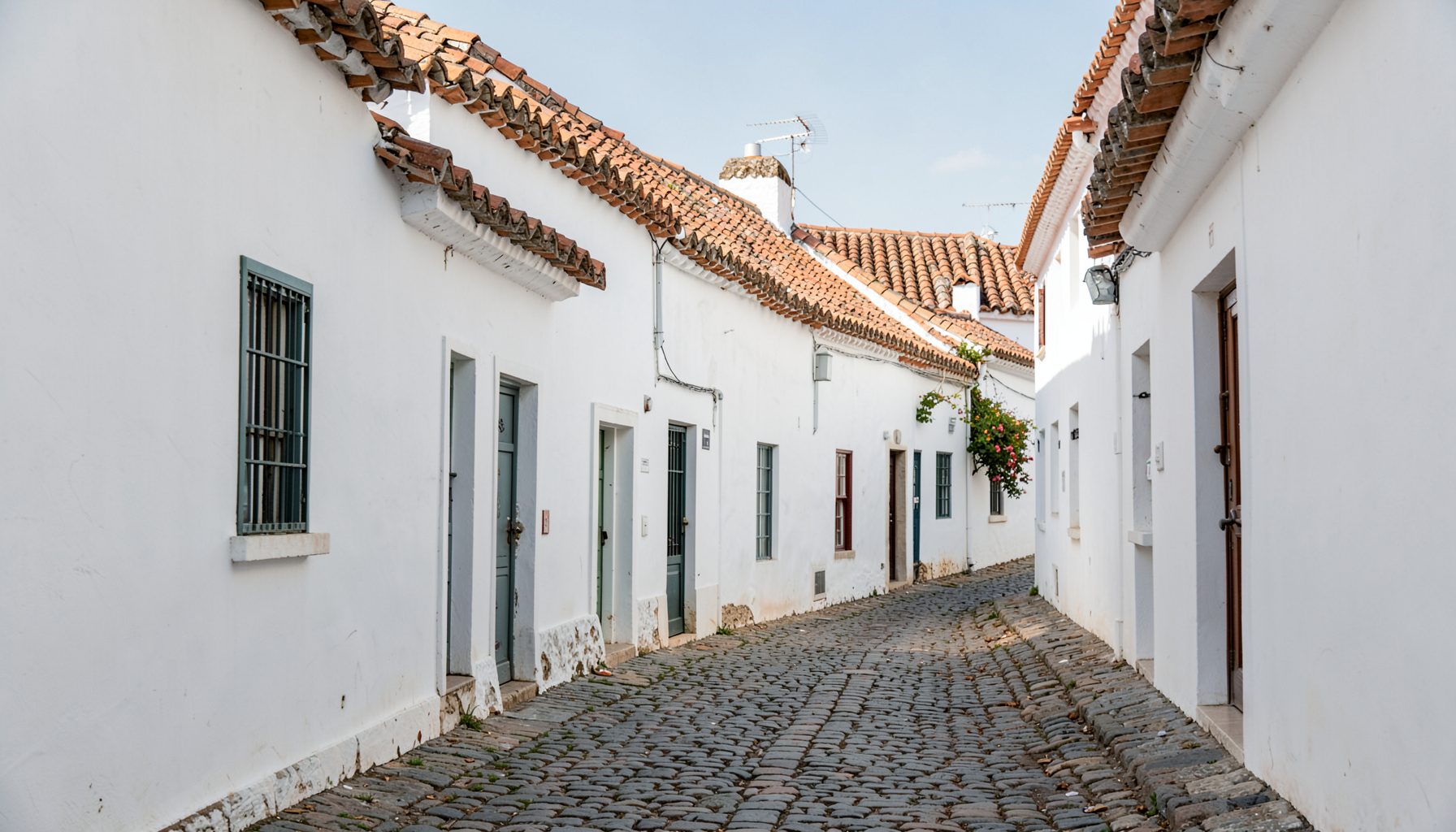
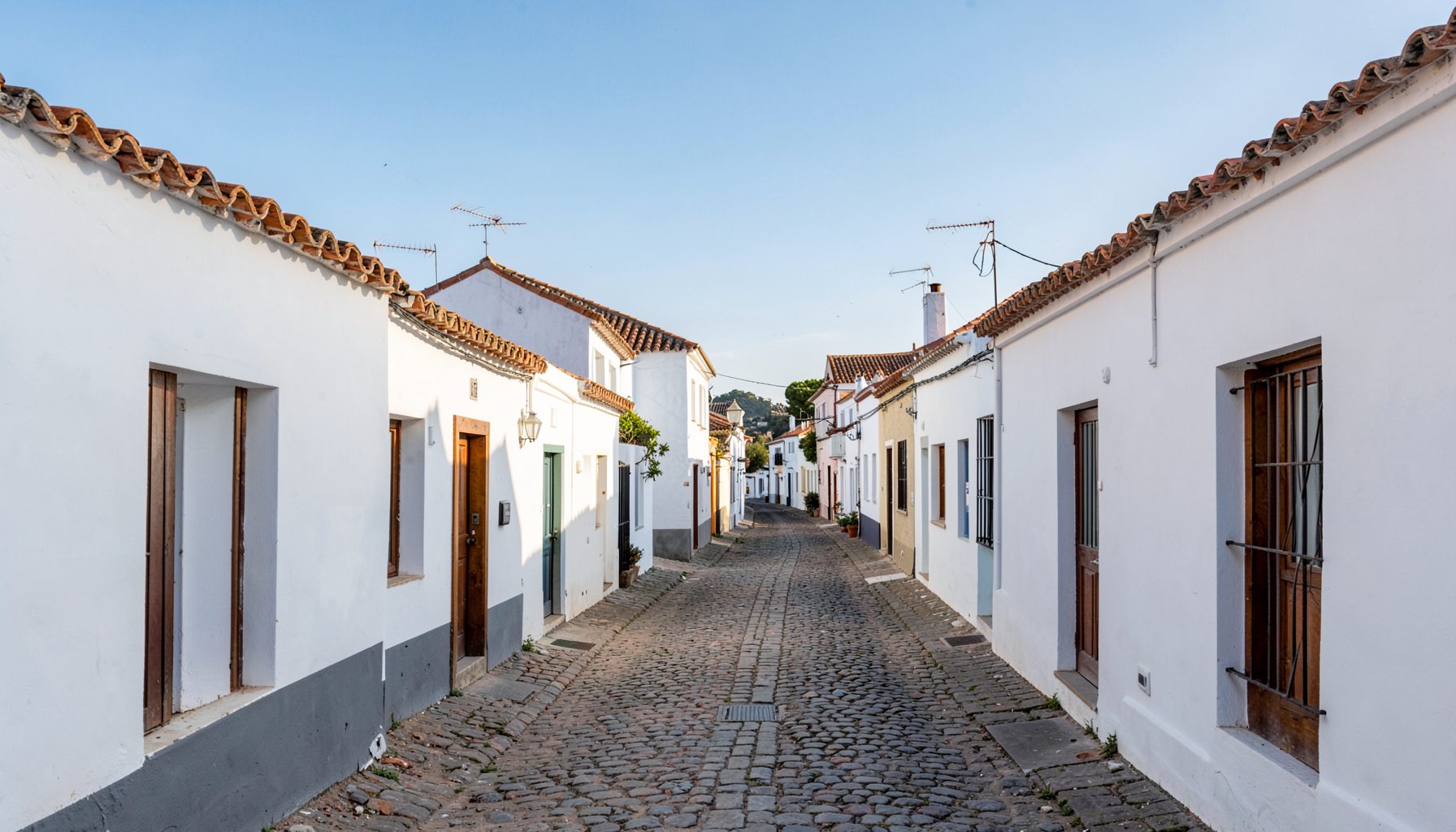
The setting adds a layer of complexity. Agudo's old town features steep gradients, blind corners and stone archways that date back generations. After sunset, these features transform into an obstacle course where street lighting is uneven and shadows play tricks on the eyes. Local teachers have compared the challenge to navigating the backstreets of Sydney's Rocks district during a festival, where every alley seems to lead somewhere unexpected.
Beyond the physical challenge, the event aims to strengthen ties between different age groups. Parents, grandparents and teenagers will be encouraged to form mixed teams, echoing the intergenerational sport programs that have gained traction in Australian suburbs from Perth to Brisbane. With help from local sponsors and municipal support, the council hopes the evening will become an annual fixture on the community calendar.
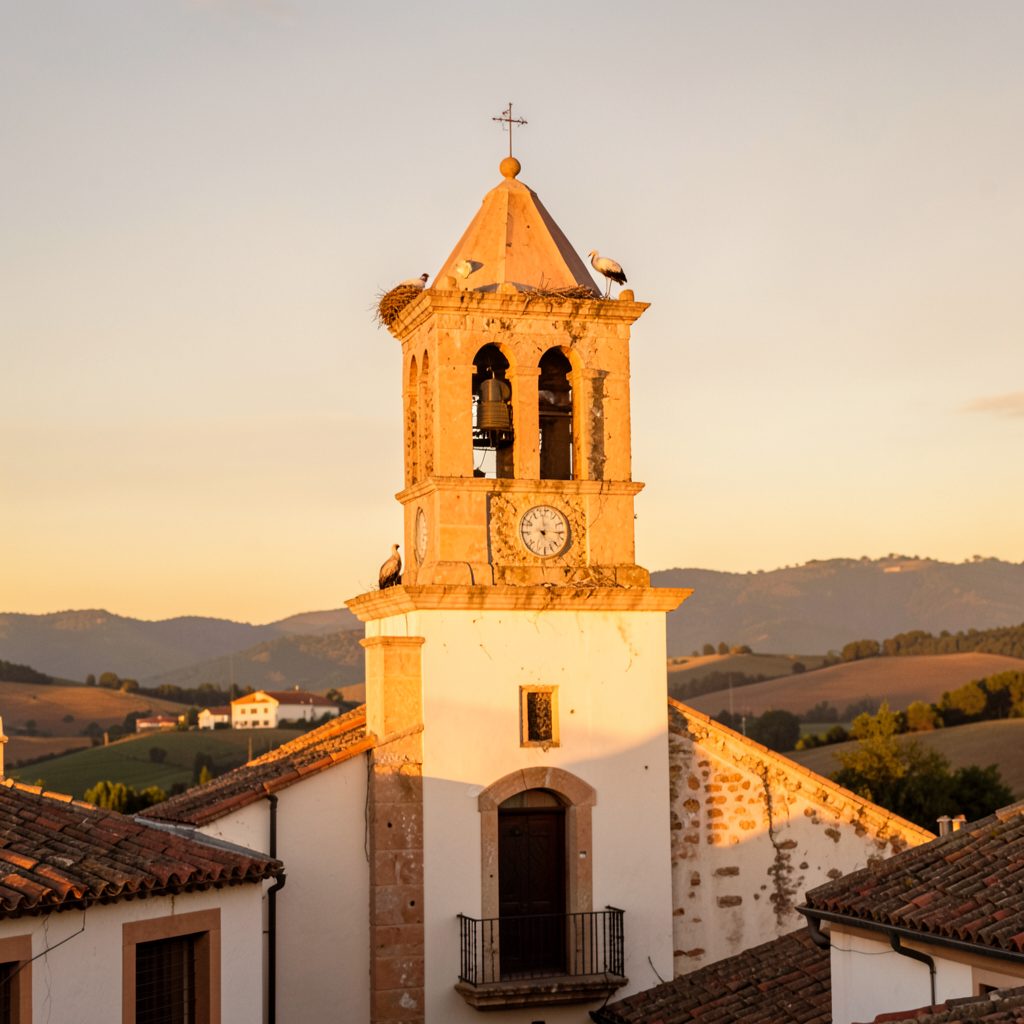
Maps distributed to participants will highlight more than a dozen control points scattered across the historic quarter. Each marker will be placed near a building of cultural significance, such as the parish church, the old washhouse and a restored 18th-century house that once belonged to a local notable. Organisers have deliberately chosen checkpoints that tell a story about Agudo's past, transforming the race into a walking history lesson.
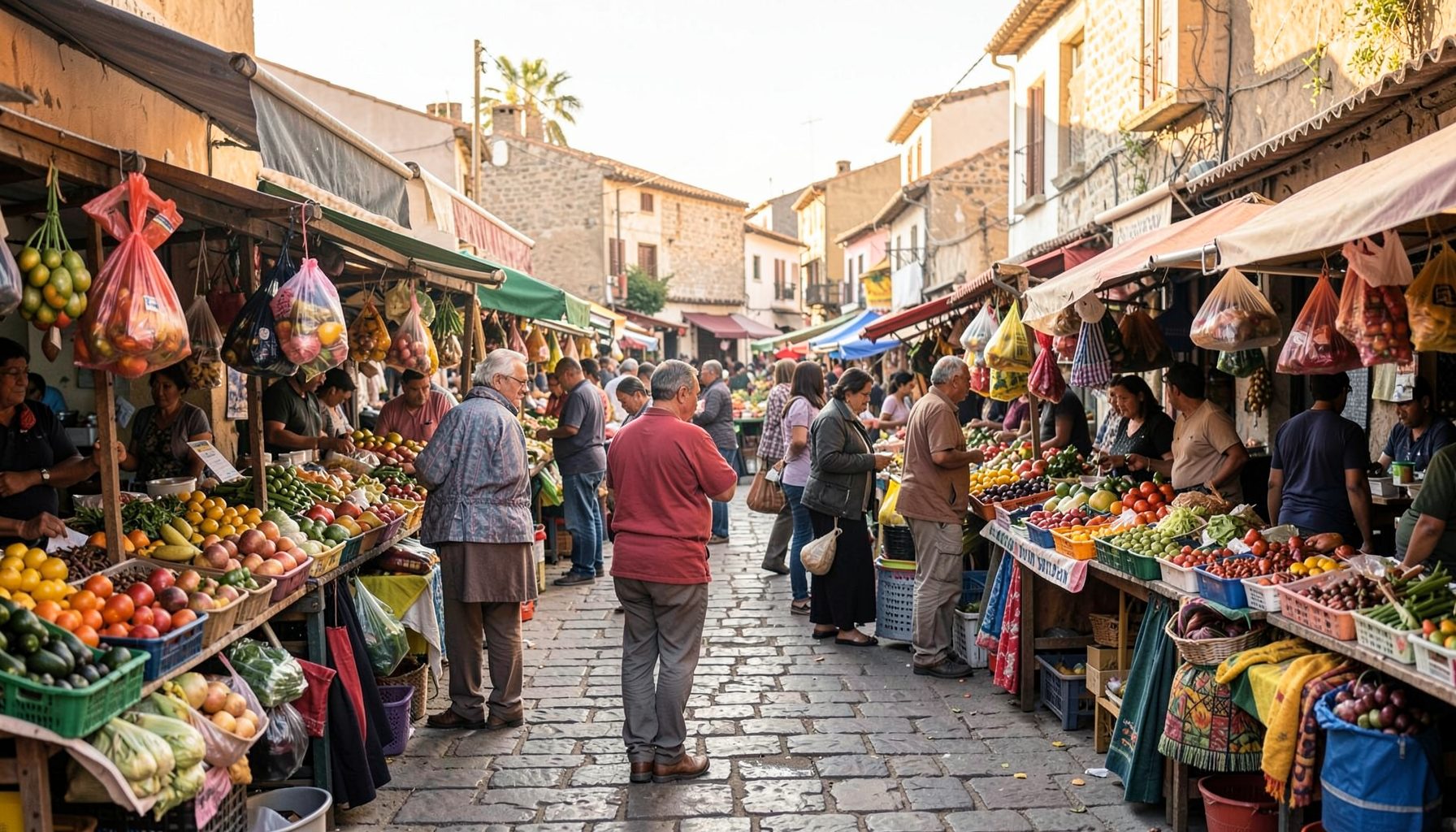
Course designers spent weeks measuring distances on foot, noting where cobblestones become slippery and where steps rise unexpectedly. They have scheduled the event to avoid the busiest market days, ensuring local traders are not disrupted. This attention to detail mirrors the careful planning seen in Australian orienteering clubs in states like Victoria and Queensland, where course setters must account for terrain, vegetation and private property boundaries.
For younger runners, the route includes a shorter loop that avoids the steepest climbs, making the activity accessible to children aged ten and above. This inclusive approach reflects a broader trend in community sport, where organisers recognise that not every participant wants a gruelling physical test. In Adelaide, family-friendly orienteering events have helped the sport grow beyond its traditional base of serious competitive athletes.
The Agudo youth council, known locally as Consejo de la Juventud, began planning the night orienteering event six months ago. Members met weekly to discuss route options, recruit volunteers and secure permissions from the town hall. Their work involved drafting risk assessments, arranging first aid cover and coordinating with the local police to manage vehicle traffic during the start window.
Funding came from small contributions by local businesses, including a bakery that donated bread for the post-event gathering and a sports shop that supplied reflective vests. These gestures are reminiscent of the sponsorship culture seen in Australian community sport, where local bakeries in towns like Ballarat or Geelong often chip in to cover jerseys or finish-line refreshments.
The council also worked with teachers from the local school to design educational materials. Before the race, students will attend a workshop on map reading and compass use, skills that organisers believe are increasingly rare among young people. Similar workshops have been trialled in schools around Hobart, where geography teachers have partnered with orienteering clubs to teach navigation as part of the national curriculum.
Night events require careful attention to safety, and the Agudo organisers have drawn up a comprehensive plan. Every participant will be issued with a headlamp, a whistle and a phone number for emergency contact. Marshals will be stationed at key intersections to guide runners and prevent anyone from wandering into restricted areas. The plan includes a protocol for missing persons, with a central meeting point established at the plaza in case anyone loses their bearings.
In Australia, any large-scale community event must comply with the Work Health and Safety Act 2011, which requires organisers to conduct risk assessments and ensure the wellbeing of participants and spectators. While Spain has its own safety regulations under the Ley de Prevención de Riesgos Laborales, the underlying principles are similar. Both legal frameworks emphasise the duty of care owed by event organisers to those taking part, particularly when activities take place after dark or involve physical exertion.
Another consideration involves working with children. Australian volunteers who supervise minors often need a Working with Children check, depending on the state or territory. In Castilla-La Mancha, youth council members organising events for teenagers must follow regional guidelines, including background checks for adults. These overlapping requirements demonstrate a shared international concern for child safety, which is why the council has coordinated with local emergency services to ensure ambulances can reach the narrow streets quickly. This preparation reflects advice given by Australian local councils, which recommend identifying access points for first responders well in advance of race day.
| Aspect | Agudo night event | Typical Australian orienteering |
|---|---|---|
| Setting | Historic urban streets, cobblestones, steep gradients | Bushland parks, coastal reserves, suburban streets |
| Time of day | After dark, evening | Weekend mornings, occasional twilight series |
| Equipment | Compass, basic map, headlamp | Compass, detailed topographic map, electronic dibber |
| Participation | Mixed ages, families, casual entrants | Club members, competitive ranks, families |
| Cultural focus | Local heritage, historical buildings | Nature appreciation, navigation skills, fitness |
Orienteering in Australia is overseen by Orienteering Australia, which coordinates events in every state and territory. Major carnivals attract hundreds of competitors who travel to regional forests for multi-day competitions. While the Agudo event is far smaller in scale, it captures the same spirit of self-reliant navigation and outdoor adventure that defines the sport worldwide.
In Victoria, the Melbourne Orienteering Club regularly hosts night events in parks such as Lysterfield, where participants navigate using artificial light and pre-marked controls. These events use more technical maps than the one prepared for Agudo, but the thrill of moving through unfamiliar terrain after sunset is remarkably similar. The comparison highlights how the same activity can be adapted to vastly different environments, from a small Spanish town to the sprawling suburbs of a major Australian city.
Early registration numbers suggest strong interest, with more than eighty people already signed up two weeks before the event. Many of the registrations come from families looking for a novel way to spend a Saturday evening together. Local social media groups have been buzzing with speculation about the route, and several residents have offered to help set up the start and finish areas.
For the youth council, this engagement represents a significant milestone. The group has worked for years to create events that appeal to young people while remaining inclusive. Organisers believe that building a portfolio of activities helps retain young residents, a challenge shared by rural councils across Australia where youth migration to larger cities remains persistent.
Local businesses are also preparing for an influx of visitors. Several bars and restaurants near the course have extended their opening hours, and one café has created a special menu of quick snacks and hot drinks. This entrepreneurial response mirrors what happens in Australian towns hosting major sporting events, such as the Bathurst 1000 or local football finals, when hospitality venues prepare for increased trade.
The Agudo youth council hopes the night orienteering event will become a fixture on the town's social calendar, bringing together residents of all ages for an evening of fun and discovery. Anyone interested in volunteering for future events, sharing route suggestions or connecting with other community members can visit the community forums to join the conversation. Whether you are a former resident of Agudo, a visitor planning a trip to Ciudad Real or simply someone who enjoys urban adventure, the forums offer a welcoming space to exchange ideas and stay informed about upcoming activities in the area.
Stay informed with local news updates covering Agudo and the surrounding region. Browse the Hemeroteca for past articles and keep up with what matters in the community.
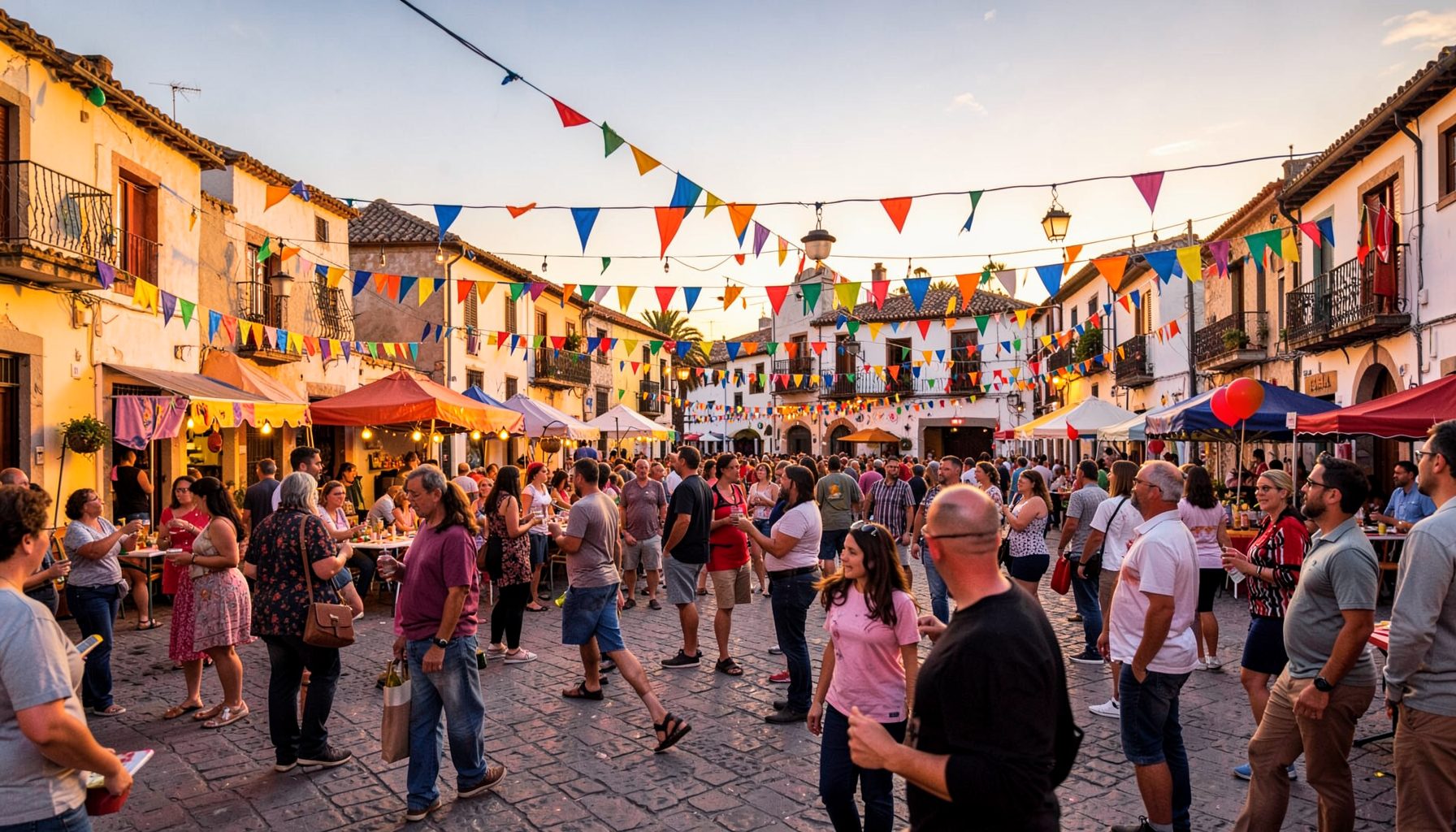
Join the conversation in the Agudo community forums. Access the Foro antiguo archive and participate in discussions with fellow residents and visitors.
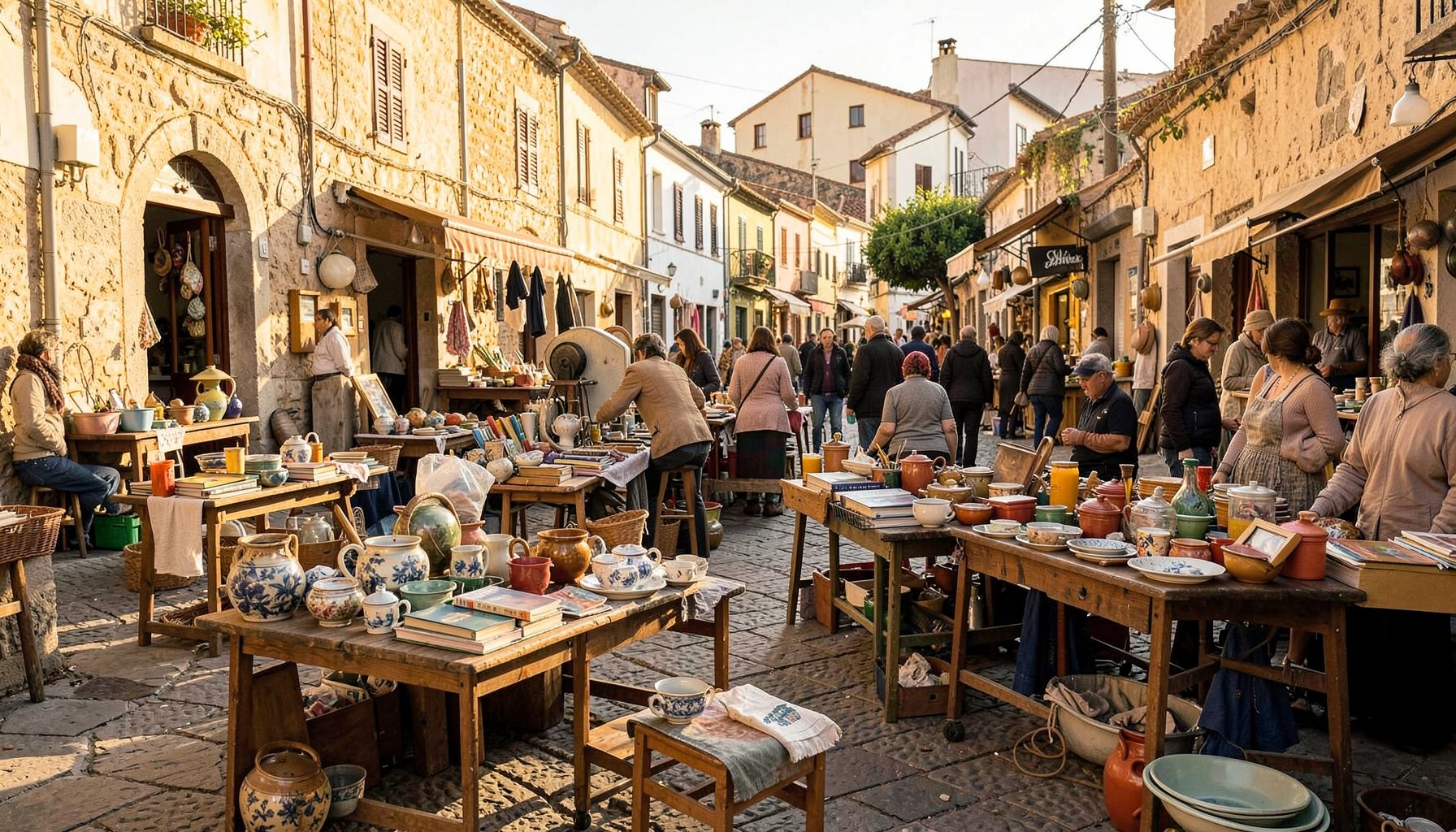
Browse local second-hand listings in the Agudo area. A convenient marketplace for buying and selling within the community.
Explore our directory of recommended links, including the Ayuntamiento de Ciudad Real, Lagunas de Ruidera, Parque de Cabañeros, Agudo Joven, and Balneario Cervantes.

Access practical tools including Prensa links, radio, horóscopo, Loterías results, a leisure guide, recipes, a dictionary, and Street View integration.
Watch videos showcasing Agudo and the surrounding region. A visual tour of local life, landscapes, and community events.