
Stay informed with local news updates covering Agudo and the surrounding region. Browse the Hemeroteca for past articles and keep up with what matters in the community.
In Agudo, a women’s association has turned a familiar household craft into a gentle act of community care. Members gathered for a sewing circle to make small comfort dolls for children receiving treatment in hospital, combining colourful fabrics, practical skills and the warmth of handmade gifts.
The dolls are designed to be soft, washable and easy for small hands to hold. Their simple faces and bright clothing can offer reassurance during an unfamiliar hospital visit, while the making process gives local women a meaningful way to support families they may never meet.
For readers in Australia, the idea will feel familiar. It has the same community spirit found in a CWA hall in regional New South Wales, a craft group in a Victorian town or a neighbourhood sewing room in Queensland. The setting is Agudo, in Ciudad Real, but the kindness behind the project travels well.
The sewing circle brought together women who already knew how to cut fabric, handle a needle and transform leftover materials into useful objects. Some may have learned these skills from mothers and grandmothers, while others have developed them through years of dressmaking, embroidery or patchwork. In the group, each person could contribute at her own pace.
The project also gave the association a shared purpose beyond its regular social calendar. A morning spent choosing fabrics, stitching seams and checking the dolls’ finish became a practical demonstration of neighbourly support. In a small inland community, where people often know one another across generations, a local initiative can quickly become a collective effort.
The dolls do not need elaborate decoration to make an impression. A bright shirt, patterned skirt or felt detail can give each one a distinct personality. The most important qualities are safety, softness and durability, especially when the finished items are intended for use around young patients.
Projects like this often begin with a straightforward conversation: someone identifies a need, another person offers materials and the association agrees to bring its skills together. Fabric remnants, cotton thread, stuffing and washable trimmings can all find a new purpose. That practical approach keeps costs low and makes the activity accessible.
A hospital donation also requires care in the final stages. Items may need to meet specific hygiene rules, avoid detachable parts and withstand repeated washing. The women’s association can therefore provide more than handmade creativity; it can organise a reliable production process, from measuring and cutting to finishing and packing.
The making process can include several simple tasks:
Agudo’s community portal helps place this activity within the wider life of the town. Readers can explore Agudo’s local archive alongside information about local news, cultural activity and community events, creating a fuller picture of the people and organisations that keep the area connected.
A hospital can feel large, noisy and confusing, particularly for a child facing tests, treatment or an overnight stay. A small doll provides something familiar to hold during a wait, a procedure or a difficult conversation. It can also support imaginative play, giving children a way to express feelings when direct explanation is hard.
Comfort objects are not a replacement for professional care, family support or hospital play services. Their value lies in the emotional detail they add to a clinical environment. A handmade item carries evidence that somebody spent time thinking about the recipient, and that message can be reassuring even when the giver and child never meet.
There is a clear parallel with community fundraising and hospital support in Australia. Local groups regularly knit neonatal garments, sew library bags, prepare care packs or raise money for children’s wards. In regional areas, the nearest major hospital may be hours away, so small volunteer projects can help families feel remembered across distance.
The dolls may offer several forms of support:
The project’s method would be easy to recognise in many Australian towns. A local hall, library meeting room or RSL community space could host a similar gathering, with volunteers bringing sewing machines, fabric boxes and thermoses of tea. Australians might describe it as a working bee, although the atmosphere would be just as social as productive.
Regional groups also understand the importance of using what is available. Op shops, school uniform donations and fabric remnants can provide materials, while local businesses may contribute thread, stuffing or postage. In places such as Dubbo, Bendigo or Toowoomba, a well-organised network can connect craft volunteers with hospitals, family services and charities without requiring every participant to travel to a capital city.
There are practical differences between Spain and Australia. Agudo’s association operates within a close village network, while Australian community groups may need to coordinate with larger hospital systems and comply with state-based policies. Both settings, however, rely on the same essentials: clear communication, safe materials, dependable volunteers and respect for the people receiving the gifts.
| Community setting | Typical strengths | Practical consideration |
|---|---|---|
| Agudo, Ciudad Real | Close personal networks and shared local traditions | Coordinate delivery with the relevant hospital or charity |
| Regional New South Wales | Active service clubs, CWA branches and community halls | Consider long travel distances and postal costs |
| Regional Victoria | Strong craft, quilting and op-shop networks | Check hospital requirements before making items |
| Queensland towns | Warm-weather fabrics and broad volunteer participation | Choose breathable, washable materials |
| Remote Australian communities | Resourceful local groups and strong mutual support | Plan supply deliveries and reliable transport |
The comparison shows why the Agudo initiative has wider relevance. Its success does not depend on expensive equipment or a large organisation. It depends on a clear purpose, manageable tasks and people willing to give their time.
The comfort dolls can become a lasting symbol of the women’s association’s role in Agudo. They show how community groups respond to social needs through cooperation rather than waiting for a formal programme to appear. The project may also encourage new members to attend, share skills and discover that their everyday abilities can help someone else.
There is an educational dimension as well. Younger residents can learn basic sewing, repair and textile reuse from older participants. That exchange preserves local knowledge while giving traditional crafts a contemporary purpose. Instead of treating sewing as an old-fashioned pastime, the group demonstrates its usefulness in health, care and community life.
The project also offers a model for responsible volunteering. Donated items should be made to an agreed standard, delivered through an appropriate channel and accepted by the hospital or organisation receiving them. These steps protect patients and volunteers alike, ensuring that goodwill becomes genuinely useful support.
For Australian readers, the story is a reminder that meaningful community action can begin with ordinary materials and a shared afternoon. A fabric scrap, a spool of thread and a few willing hands may seem modest, yet together they can create a comforting presence for a child far from home.
Support for local initiatives starts with attention. Read the latest community coverage from Agudo, share the story with Spanish and Australian community groups, and help handmade acts of care reach the people who need them.
Stay informed with local news updates covering Agudo and the surrounding region. Browse the Hemeroteca for past articles and keep up with what matters in the community.
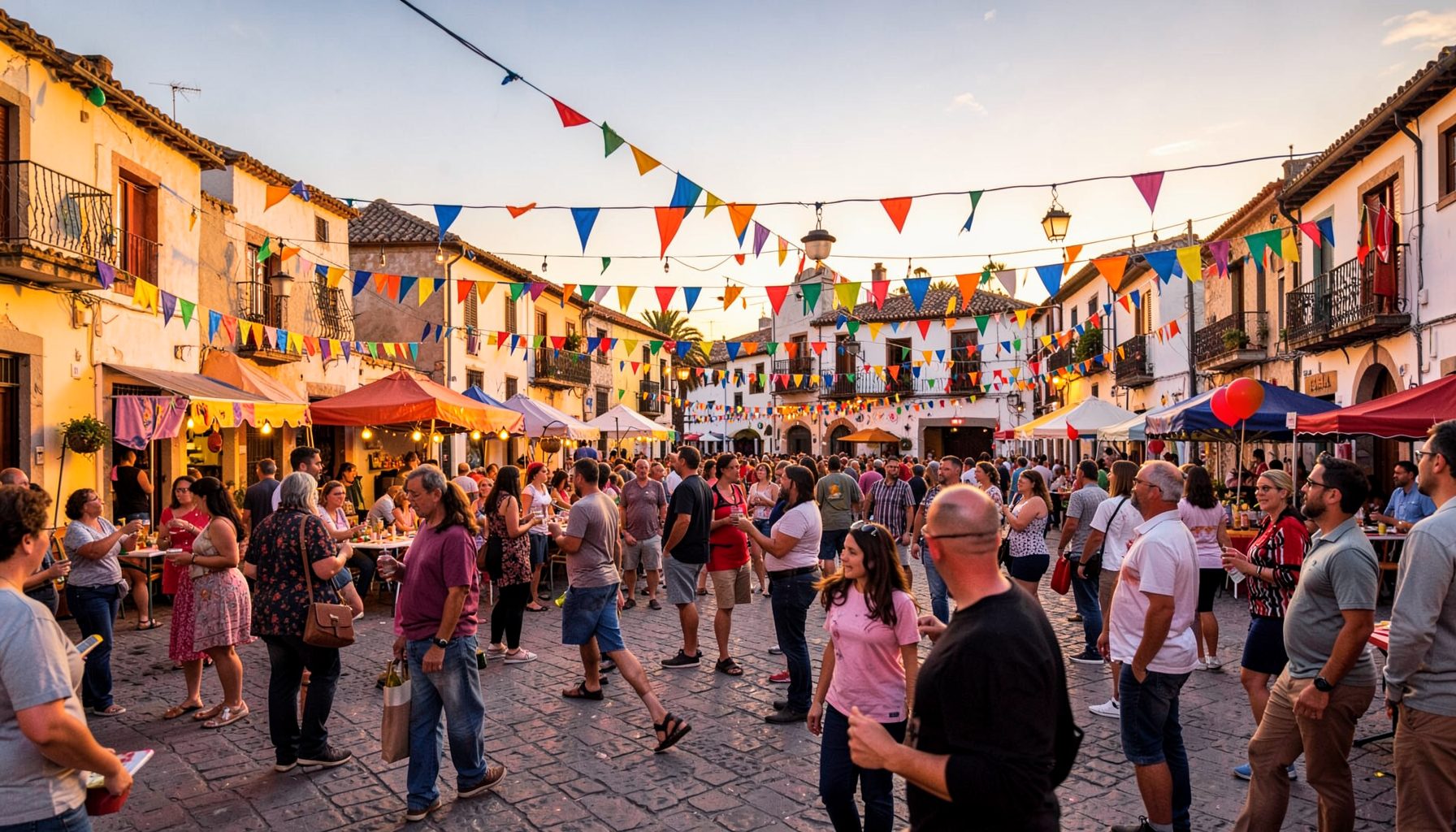
Join the conversation in the Agudo community forums. Access the Foro antiguo archive and participate in discussions with fellow residents and visitors.
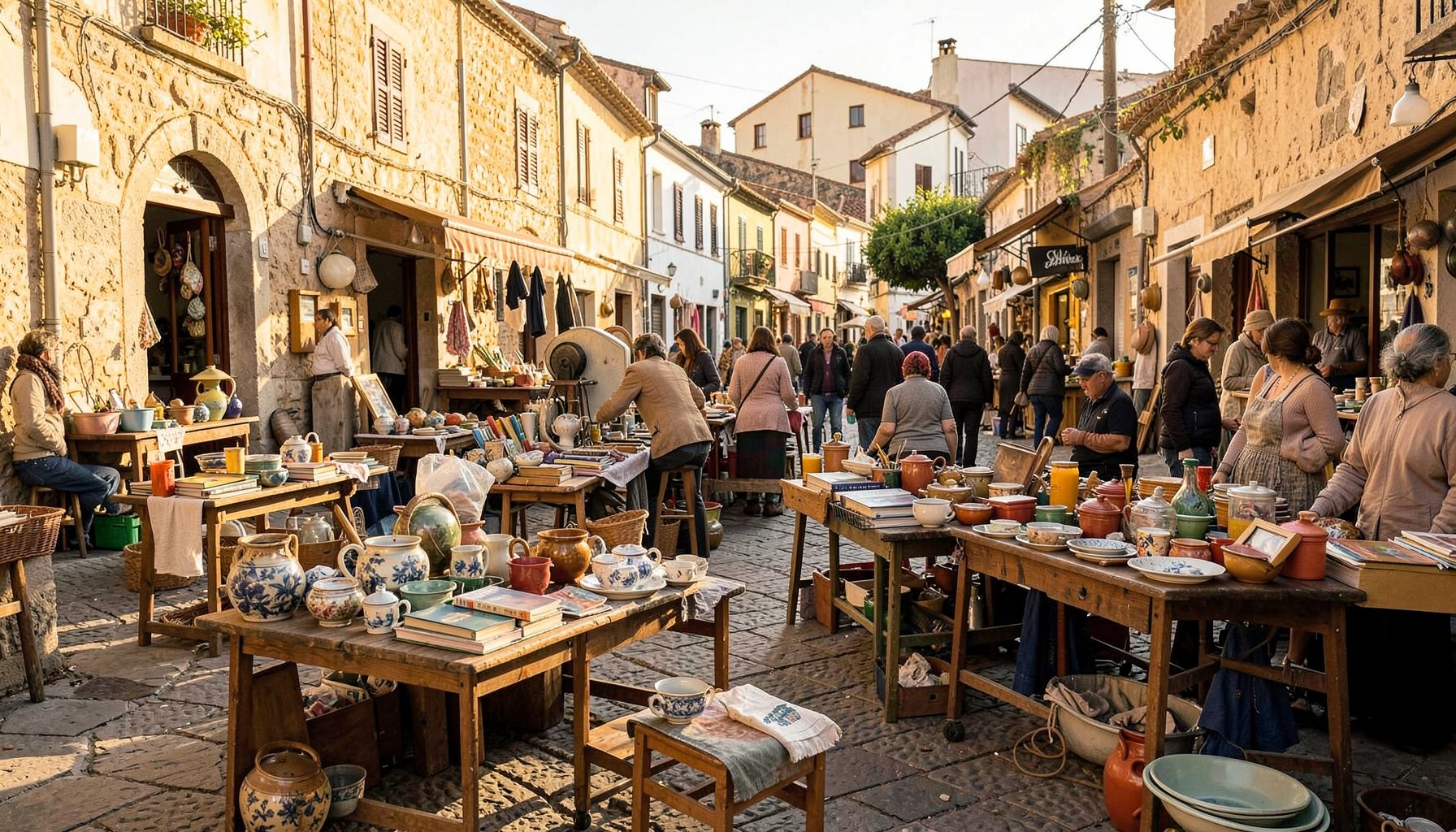
Browse local second-hand listings in the Agudo area. A convenient marketplace for buying and selling within the community.
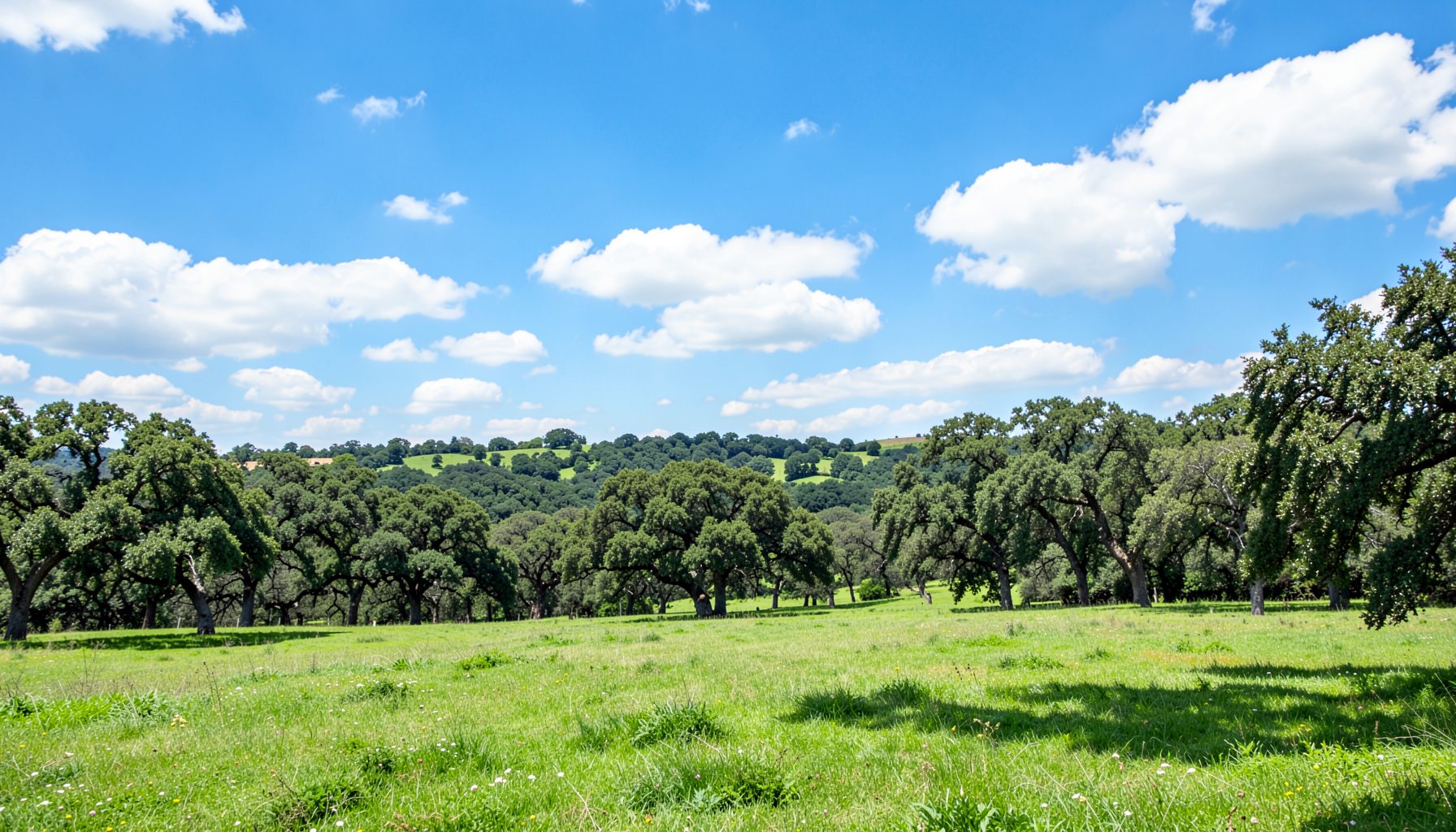
Explore our directory of recommended links, including the Ayuntamiento de Ciudad Real, Lagunas de Ruidera, Parque de Cabañeros, Agudo Joven, and Balneario Cervantes.
Access practical tools including Prensa links, radio, horóscopo, Loterías results, a leisure guide, recipes, a dictionary, and Street View integration.
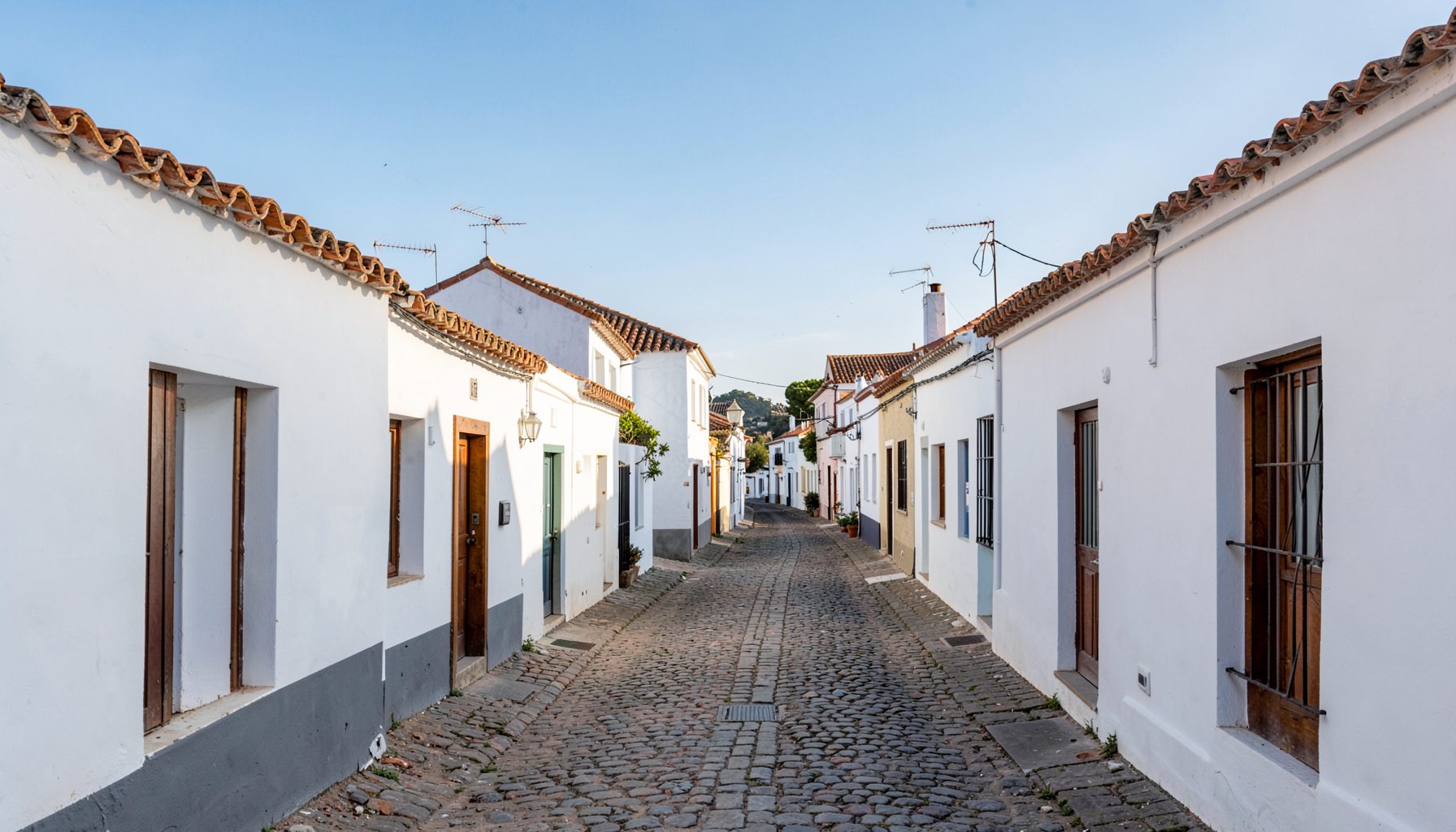
Watch videos showcasing Agudo and the surrounding region. A visual tour of local life, landscapes, and community events.