Stay informed with local news updates covering Agudo and the surrounding region. Browse the Hemeroteca for past articles and keep up with what matters in the community.
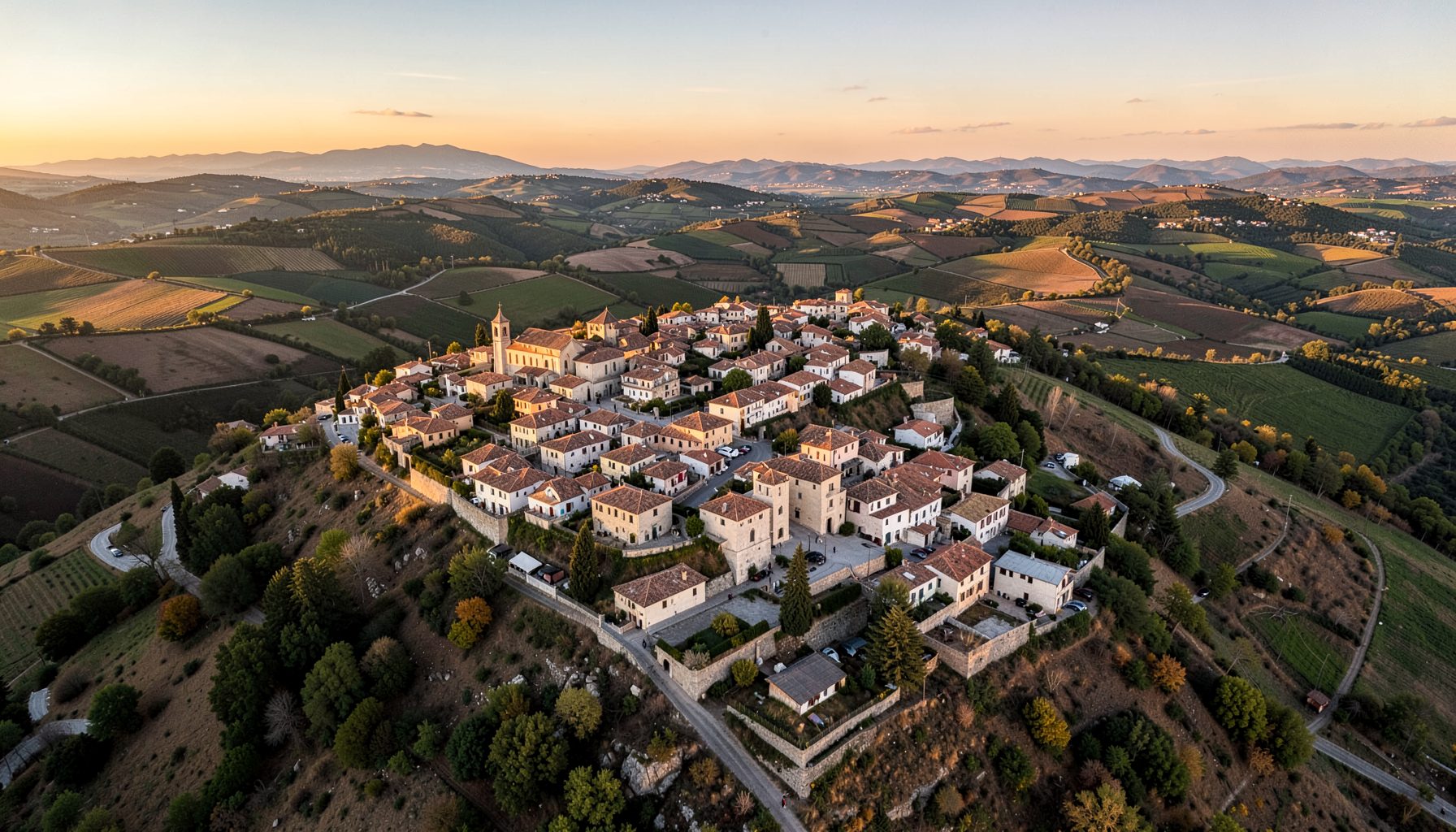
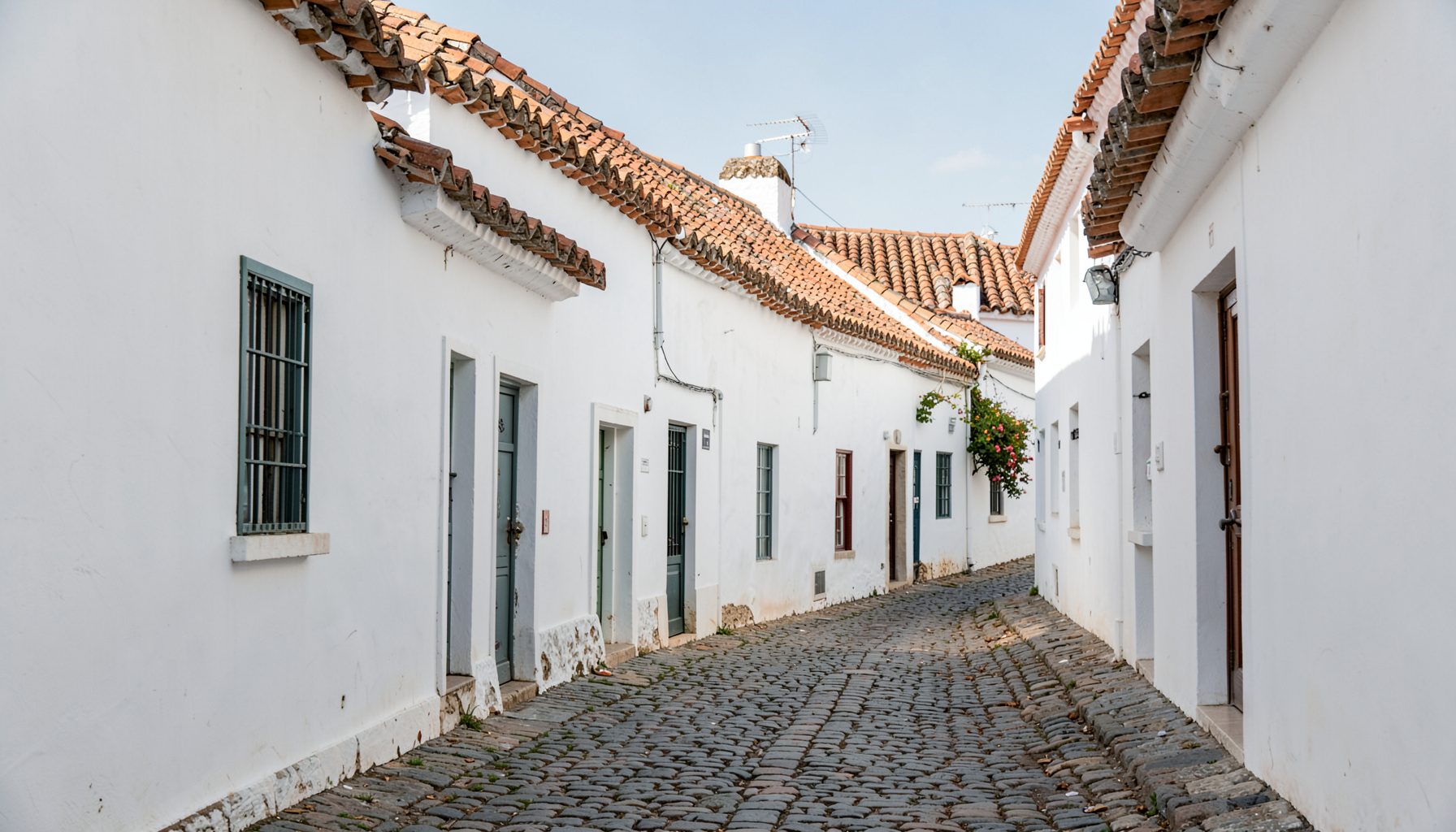
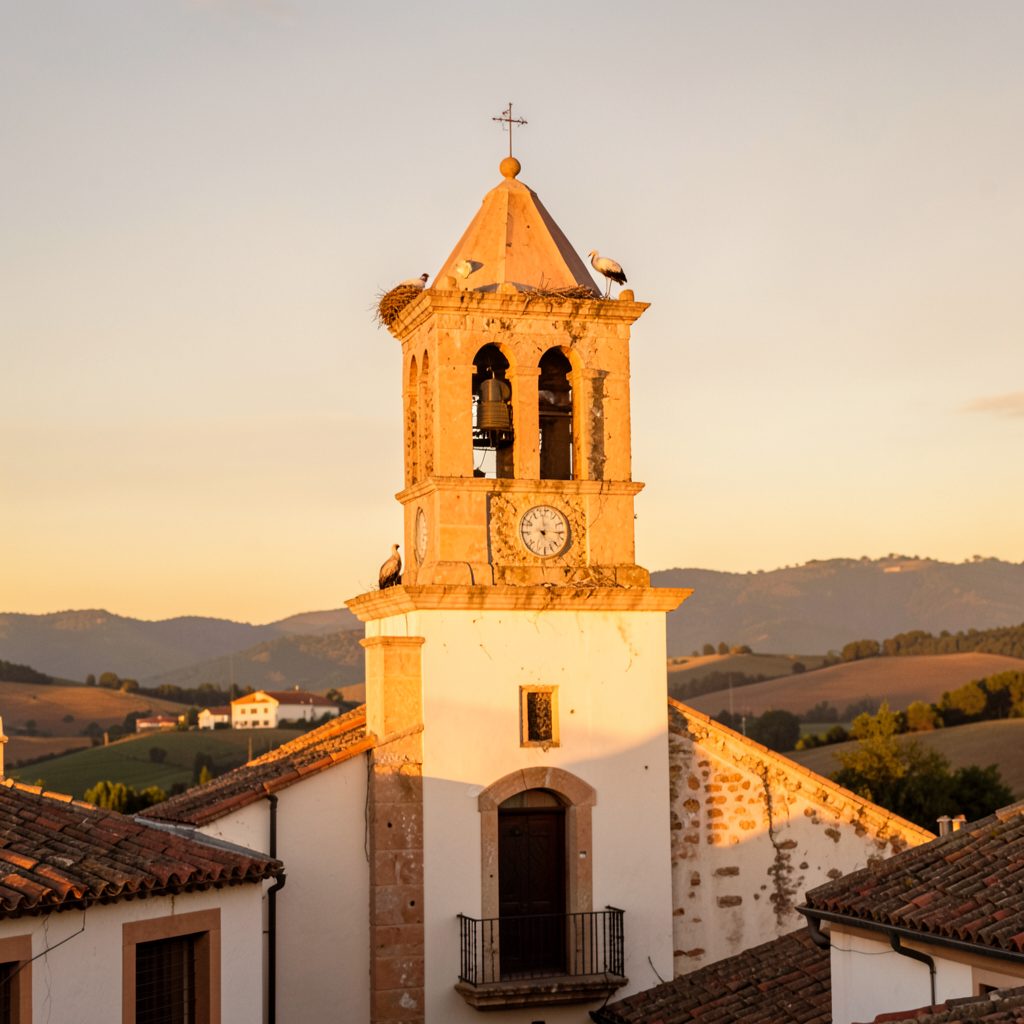
In the quiet streets of Agudo, a small town in the province of Ciudad Real, a group of nine-year-olds has taken on an unusual responsibility. Their third-grade class at the local school has formally adopted an olive tree that has been quietly producing fruit for what experts estimate to be several hundred years. The adoption is the centrepiece of a year-long learning project that will see the children measure, sketch, photograph and write about the tree through every season.
What might sound like a small-town initiative has echoes far beyond the La Mancha region. Australian classrooms from Melbourne to Mildura have run similar projects, and educators say the Spanish experiment offers a useful model. The pupils, their teacher and the local council hope that by the end of the year, the children will understand both how an olive tree lives and how a community can care for something far older than themselves.
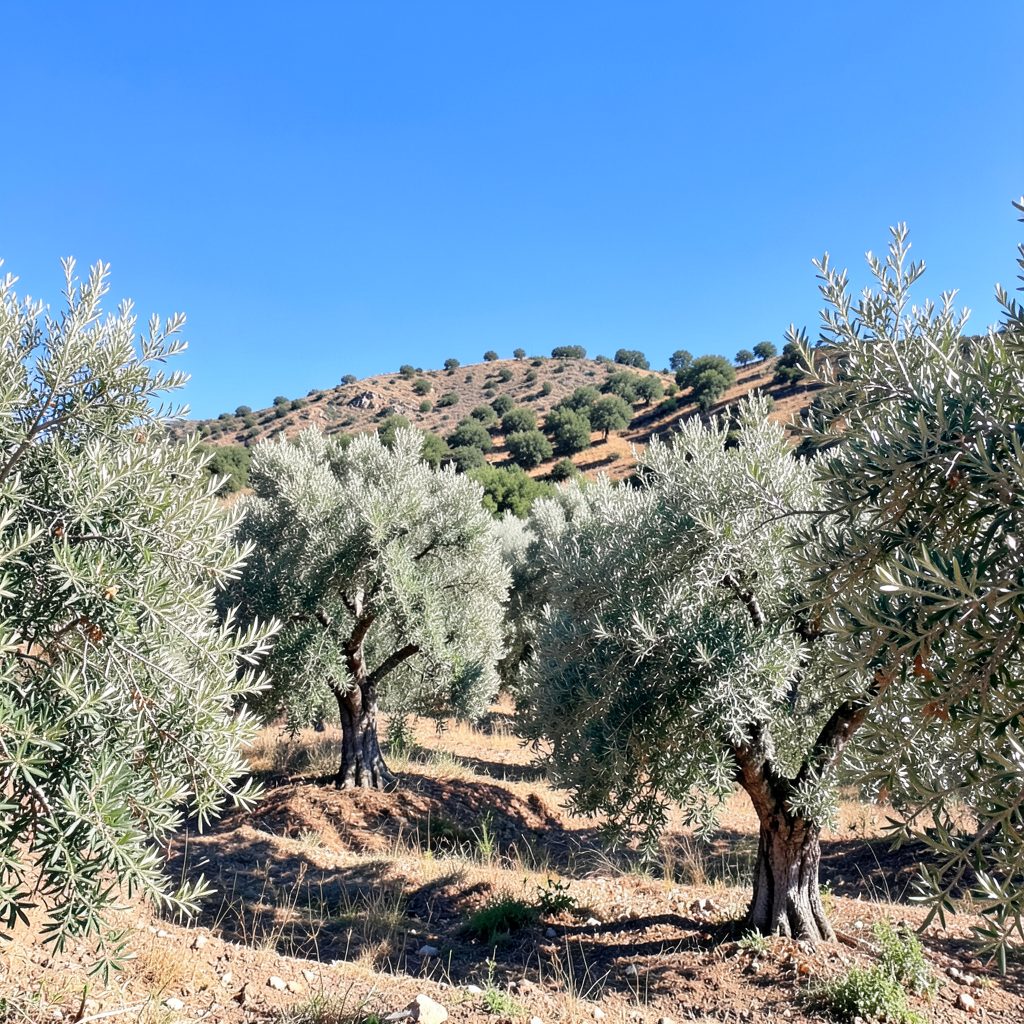
The tree stands on the edge of a small parcel of land near the centre of Agudo, on a slope that has been cultivated for centuries. Local families remember it from their own childhoods, and the man who owns the surrounding grove, Don Vicente, agreed without hesitation when the school asked if the class could "adopt" it for the year. He handed over a hand-drawn map of the tree's position, a rough measurement of its trunk circumference, and a promise to share whatever pruning advice the children might need.
Olive specialists from the regional agricultural office visited the site and estimated the tree could be anywhere between three and five centuries old, based on the girth of its trunk and the pattern of its bark. That estimate puts its early life somewhere in the late 1400s or early 1500s, an era that predates the arrival of Europeans in places like Sydney Harbour or Botany Bay by a couple of centuries. The pupils were told this on their first visit, and several, according to their teacher, simply sat and stared at the gnarled trunk in silence.
For the children, the tree has quickly become a character in their school year. They have given it a name, Olivo, and a small wooden sign now hangs from a low branch. The sign is the work of the school's woodwork club, and it lists the class's promise to visit at least once a fortnight, to record everything they see, and to leave the area tidier than they found it.
The project is not an extra; it is woven into the regular curriculum. Each fortnight the class walks the short distance from the school to the tree, equipped with notebooks, measuring tapes, magnifying glasses and a basic weather kit. Back in the classroom, the observations feed into lessons in mathematics (measuring growth), science (life cycles, photosynthesis, soil), Spanish language (descriptive writing), art (sketching and watercolours) and citizenship (the history of olive cultivation in the region).
The structure mirrors approaches used in Australian schools where outdoor learning is built into the curriculum. The Stephanie Alexander Kitchen Garden program, which began in a Melbourne primary school and has since spread to hundreds of schools across the country, similarly asks pupils to tend a living thing across the seasons. The difference here is the age of the patient: Olivo has already survived longer than any of the children's grandparents.
Key activities the pupils will undertake include:
The Spanish experiment resonates with Australian teachers because both countries share an interest in olive cultivation. Australia produces around thirty thousand tonnes of olive oil a year, with groves stretching from the Sunraysia region of Victoria and the Riverland of South Australia to parts of Western Australia and Tasmania. School excursions to olive presses near Mildura, McLaren Vale or the Adelaide Hills are a regular feature of Australian food and geography curricula, and teachers often look overseas for project ideas that can be adapted to local conditions.
A useful comparison can be drawn between the two countries' approaches to teaching through olive trees:
| Aspect | Agudo, Spain | Australia |
|---|---|---|
| Tree age studied | 300-500 years, living specimen | Often younger trees in commercial groves |
| Primary setting | School grounds and historic groves | Botanical gardens, commercial farms, school gardens |
| Curriculum link | Science, maths, Spanish, art, history | Sustainability, geography, food technology |
| Community partner | Local farmer and municipality | Growers, mill operators, Indigenous land managers |
| Seasonal focus | Spring blossom to winter pruning | Harvest festivals and autumn pressing |
The Australian reference points are not a gimmick. They give the Agudo children a sense that their work belongs to a wider conversation about food, sustainability and respect for old things. In return, the Spanish project offers Australian teachers a reminder that a single tree can anchor a year of learning, even when, perhaps especially when, that tree has already been growing for half a millennium.
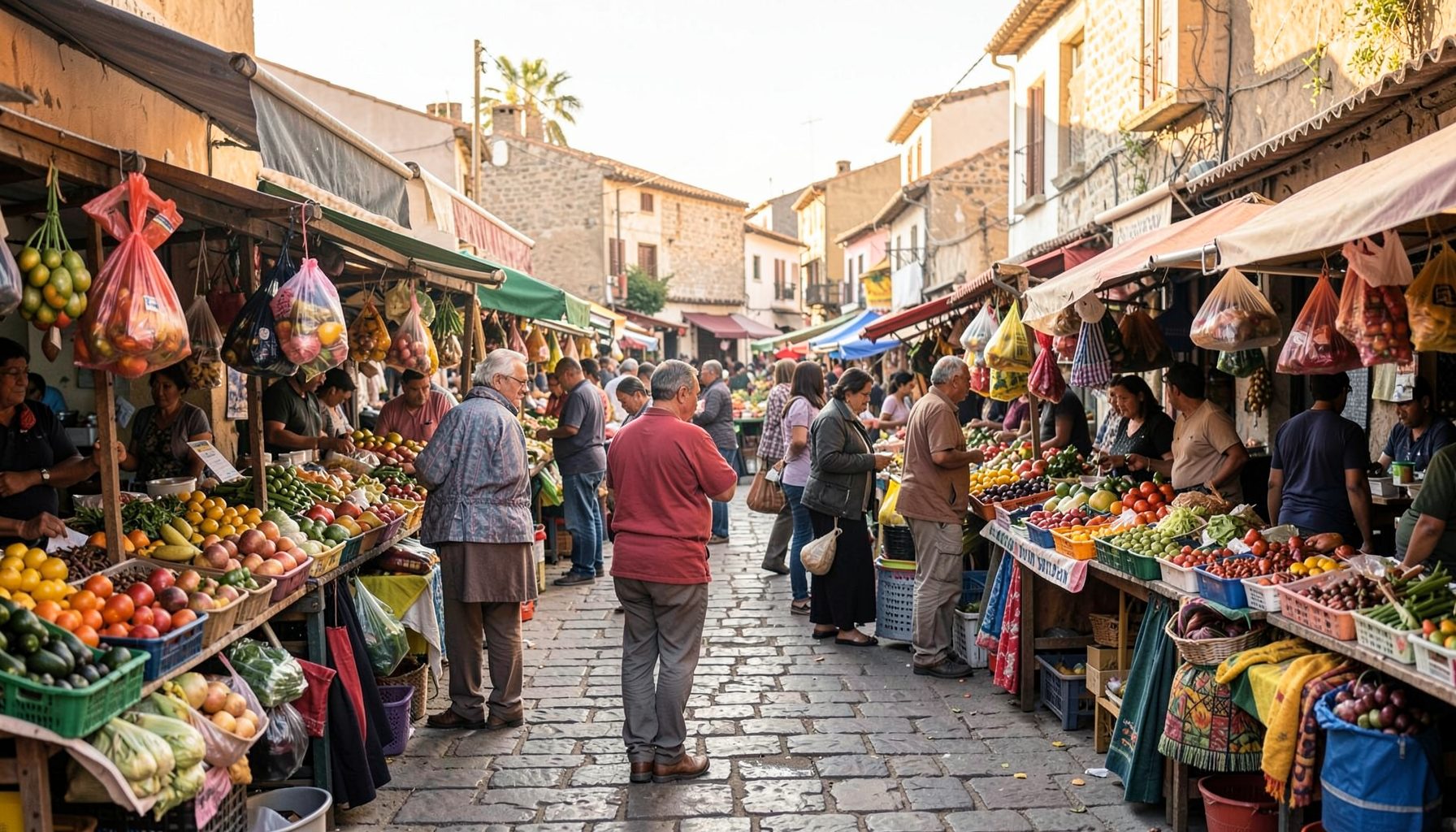
Adoption does not end at the classroom door. Parents have formed a small rota to accompany the children on visits, and the local bakery has offered to bake a small batch of olive-oil cakes at the end of the project to mark the year. The municipal library has agreed to host a small exhibition of the children's drawings in the autumn, and the town's retired farmers' association has volunteered to come in and talk to the class about olive varieties, grafting and the long memory of the land. Updates from the project, including seasonal notes and photographs, will be shared through the Agudo Ciudad Real community portal.
Several families have already begun their own small traditions around the project. One grandmother knits woollen scarves for the children to wear on winter visits. Another family has started an album of photographs taken by the pupils' parents. The teacher, Señorita Reyes, says these small gestures are the part of the project that she values most. "The tree is the excuse," she says. "The real lesson is that a community can decide to look after something together, and that decision can last a year or it can last a century."
People interested in following or supporting similar projects in their own area can:
The class has divided the year into four observation blocks, each tied to a season. In spring, attention will focus on the tiny cream-coloured flowers that appear briefly on the branches, and the children will count how many bees visit on a typical morning. In summer, the focus will shift to the hardening of the olives and the deepening green of the leaves. Autumn brings the harvest, when the class will help gather a small sample of fruit for pressing at a local mill. Winter is reserved for observation of the bare branches and a visit from a pruner who will explain how the tree is prepared for the cold months.
The data will be kept in a shared notebook that travels with the class and is added to by each child in turn. At the end of the year, the notebook will be bound and added to the school library, where it will sit alongside the children's drawings and a short film they plan to make about the experience. The plan is that next year's third-grade class will take over the project, and the cycle will begin again with a fresh set of curious eyes.
The story of Olivo and the third-grade class of Agudo will continue to unfold over the coming months, and updates will be posted on the news page as the seasons turn. Readers who want to see the children's drawings, read the seasonal notes and watch the short films can check back regularly for fresh entries from the classroom and the grove.
Whether you live in Adelaide or Albury, Brisbane or Broome, the lessons of a small Spanish village are worth keeping an eye on. A nine-year-old standing beneath a tree that was already old when the First Fleet arrived can teach us something about patience, care and the long view, and that is a lesson that travels well.
Stay informed with local news updates covering Agudo and the surrounding region. Browse the Hemeroteca for past articles and keep up with what matters in the community.
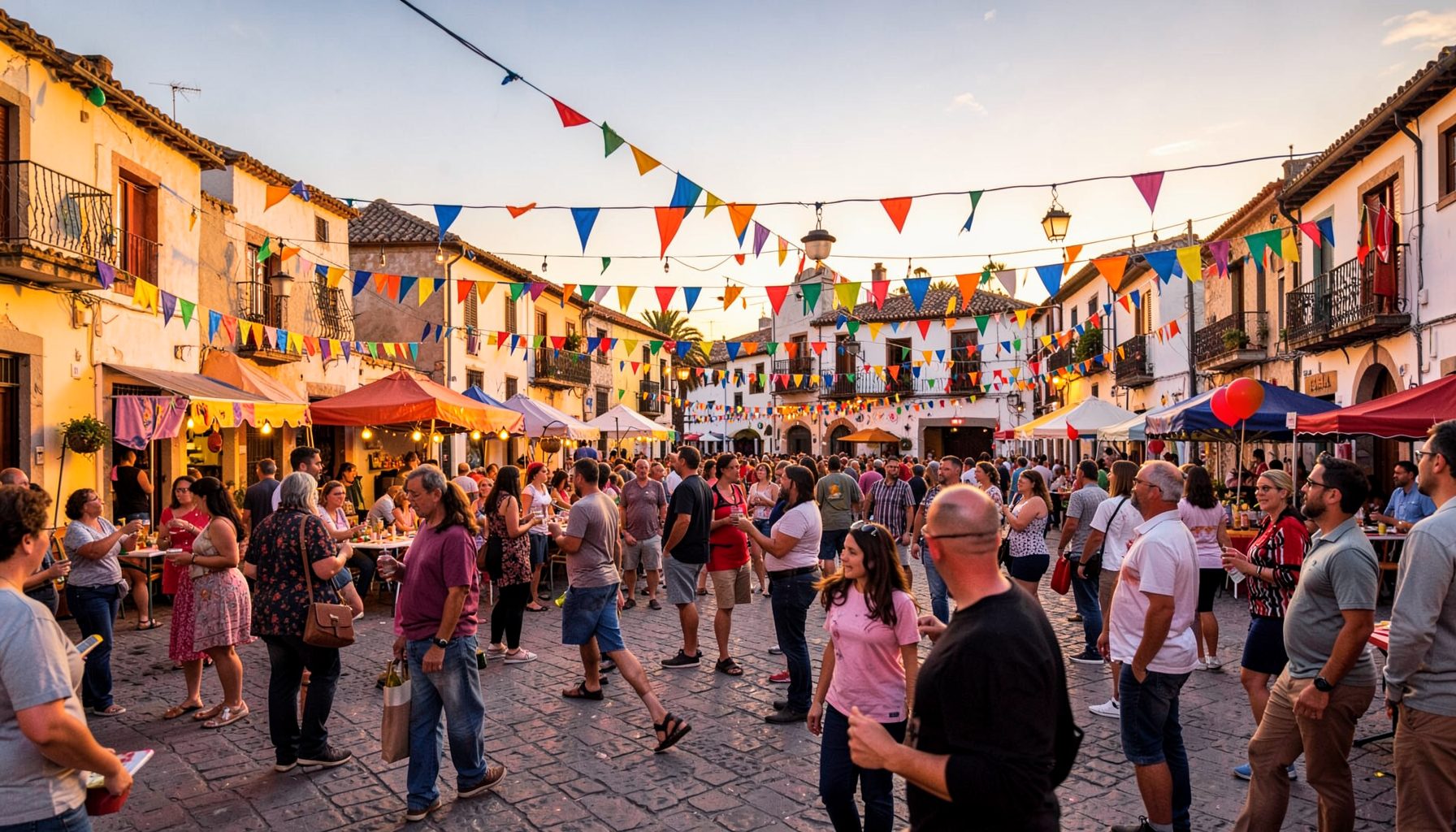
Join the conversation in the Agudo community forums. Access the Foro antiguo archive and participate in discussions with fellow residents and visitors.
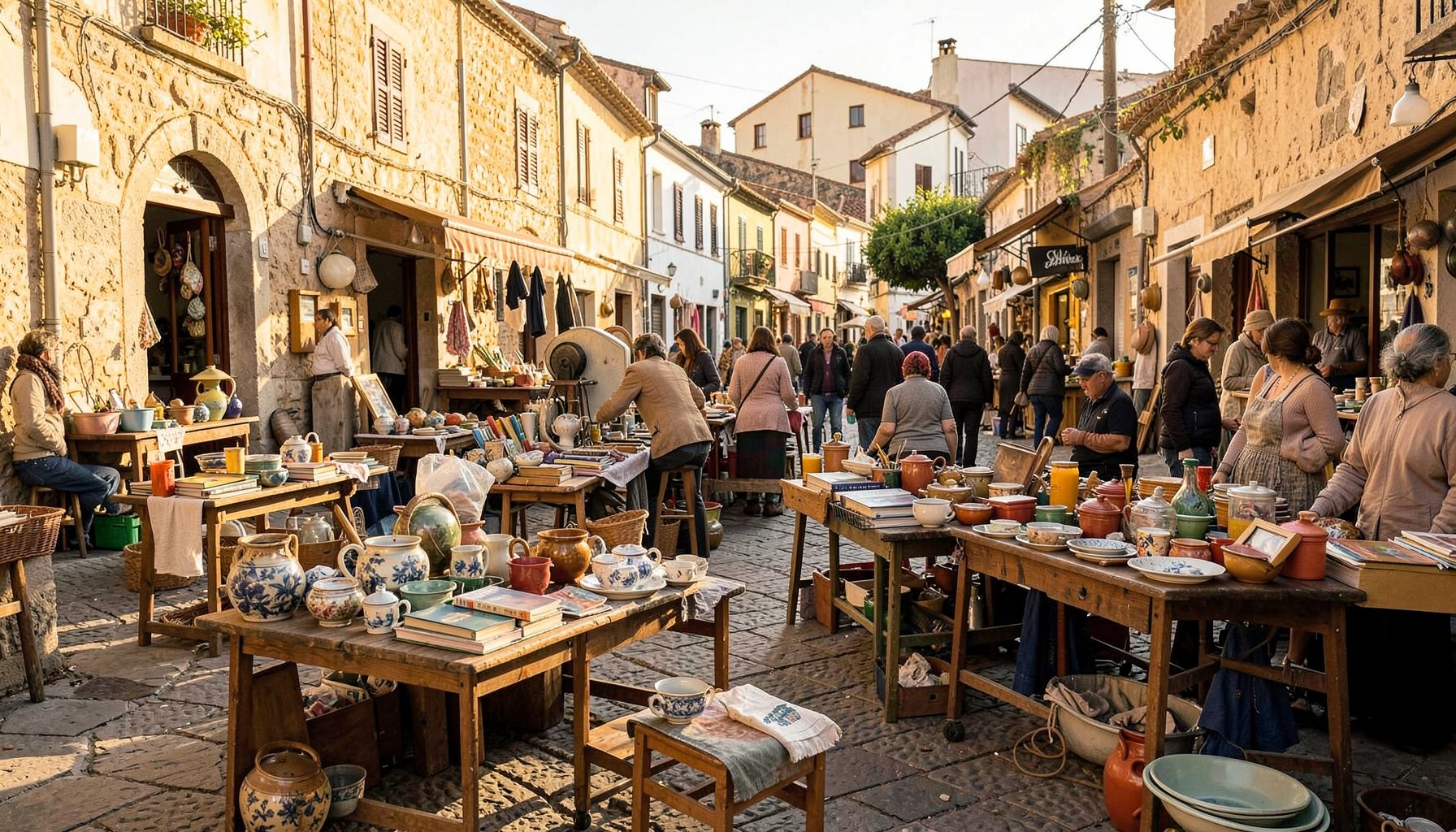
Browse local second-hand listings in the Agudo area. A convenient marketplace for buying and selling within the community.
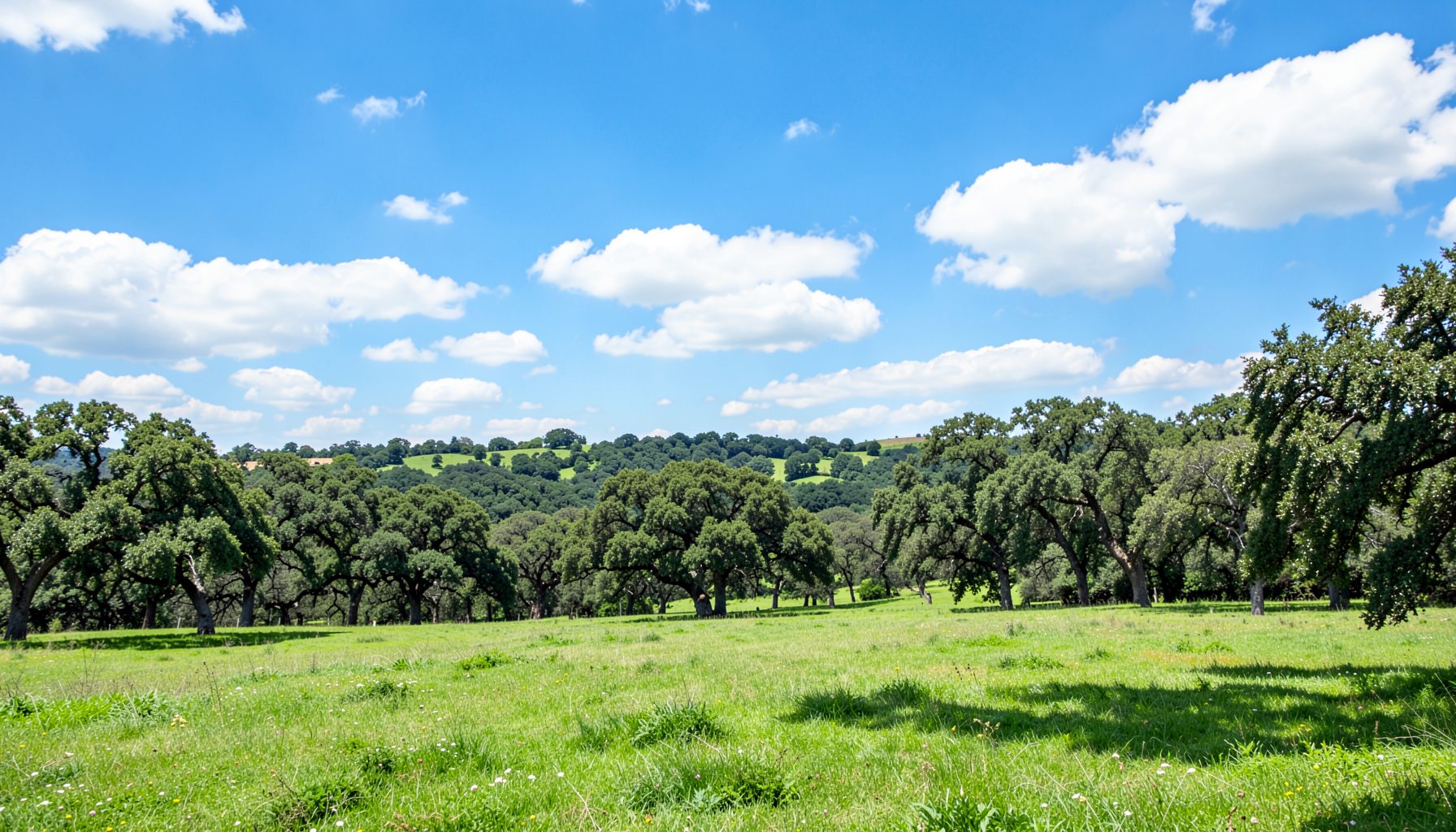
Explore our directory of recommended links, including the Ayuntamiento de Ciudad Real, Lagunas de Ruidera, Parque de Cabañeros, Agudo Joven, and Balneario Cervantes.
Access practical tools including Prensa links, radio, horóscopo, Loterías results, a leisure guide, recipes, a dictionary, and Street View integration.
Watch videos showcasing Agudo and the surrounding region. A visual tour of local life, landscapes, and community events.