Stay informed with local news updates covering Agudo and the surrounding region. Browse the Hemeroteca for past articles and keep up with what matters in the community.
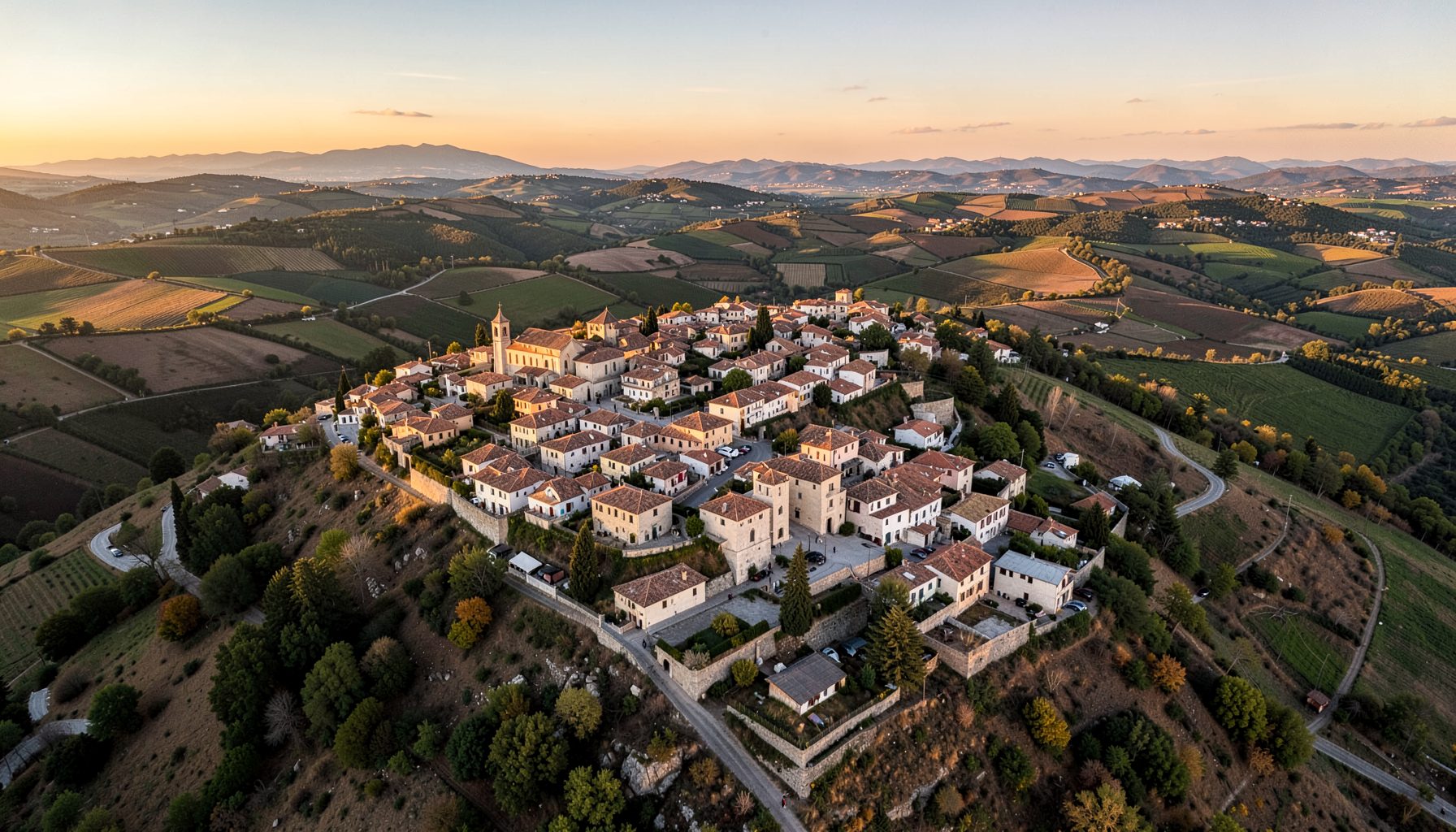
The theatre group of Agudo has taken to the stage once again, this time with a heartfelt production centered on the life of a village postman. Performed in the town's historic casino hall, the play draws audiences into a world where letters, footsteps, and small daily rituals shape the rhythm of rural existence. The production marks another chapter in the group's growing reputation for bringing intimate stories to local audiences.
The choice of subject reflects a broader interest in community storytelling that resonates far beyond the borders of Ciudad Real. Village postmen have long occupied a special place in the cultural imagination of rural Spain, serving as messengers of news, carriers of secrets, and silent witnesses to the passing seasons. The Agudo troupe has tapped into this rich vein of nostalgia and emotional connection.
For audiences in Australia, where similar tales of mail carriers and outback posties form part of the national folklore, the themes of the play carry familiar echoes. Australian bush ballads and stories of the Flying Doctor service evoke comparable sentiments about communication in remote areas. Cross-cultural resonances like these help explain why simple narratives about postal workers continue to captivate theatre lovers across continents.
Local cultural organisations in regions such as Victoria and New South Wales have long championed amateur dramatics as a vehicle for community cohesion. The Agudo production arrives at a time when many Australian rural towns are rediscovering the value of live performance in their own historic halls, much like the casino hall that now hosts the Spanish troupe.
The play unfolds through the eyes of a postman who has spent decades delivering mail across the hills surrounding Agudo. Each scene captures a different era of his service, from the early days of horseback routes to the arrival of motorised vehicles. The narrative weaves together encounters with villagers whose lives are touched, however briefly, by his daily rounds.
Director and lead actor Miguel Ángel Ruiz explained in a recent interview that the script draws heavily on oral histories collected from older residents. Many of these anecdotes recount how the postman was often the first person to learn of a birth, a death, or a long-awaited letter from a distant relative. The production honours these quiet acts of service that once held communities together.
Stage design uses minimal props, relying instead on evocative lighting and the sound of footsteps on a wooden floor to evoke the postman's journey. A battered post bag, a stack of yellowed letters, and a worn pair of boots serve as the central visual anchors. The simplicity of the staging allows the emotional weight of the story to take centre stage.
Performances continue throughout the month, with weekend matinees attracting families and school groups. The troupe has also scheduled evening shows for adults, recognising that the themes of memory and loss resonate strongly with older audiences who remember the heyday of the rural postal service.
Agudo's casino hall provides a fitting backdrop for a production rooted in community memory. The building, constructed in the early 1900s, has served as a gathering place for dances, political meetings, and festive celebrations for more than a century. Its high ceilings and ornate plasterwork lend a sense of occasion to theatrical events that smaller venues cannot match.
The hall's recent restoration was supported by regional cultural programmes similar to those offered by bodies like Create NSW or the Victorian Arts Council in Australia. These funding mechanisms recognise that heritage buildings play a vital role in sustaining local identity. The Agudo troupe has benefited from such investment, which has helped cover lighting equipment and seating improvements.
For Australian readers familiar with Mechanics' Institutes in towns like Ballarat or Bendigo, the casino hall represents a parallel tradition of civic architecture. Both types of venue were built to serve multiple community functions, from education to entertainment. The shared legacy highlights how similar social needs give rise to comparable architectural solutions across the globe.
The acoustics of the hall, often noted by visiting performers, enhance the intimacy of dialogue-driven scenes. Audiences seated in the front rows report feeling fully immersed in the postman's world, as if standing alongside him on his route. This sensory connection is something that larger commercial theatres in capital cities rarely achieve.
Community theatre thrives in both rural Spain and regional Australia, though the contexts differ in fascinating ways. In Agudo, the local troupe relies heavily on volunteer actors who balance rehearsals with day jobs in agriculture and small business. Funding often comes from municipal budgets and regional arts grants, supplemented by ticket sales and local sponsorships.
In Australia, amateur dramatic societies operate under similar constraints, with groups in places like Tamworth, Toowoomba, and Warrnambool staging productions in converted halls and community centres. The Country Press Association and regional arts boards often provide support, while Australia Post itself has occasionally sponsored theatrical works exploring postal heritage. These parallels underscore a shared commitment to preserving local stories through performance.
| Aspect | Agudo, Spain | Regional Australia |
|---|---|---|
| Primary venue | Historic casino hall | Mechanics' Institute or RSL hall |
| Funding sources | Municipal grants, ticket sales | Regional arts boards, sponsorships, ticket sales |
| Rehearsal pattern | Evenings and weekends | Evenings and weekends |
| Typical productions | Rural dramas, comedies | Rural dramas, musicals, classics |
| Audience size | 80–150 per night | 60–200 per night |
The comparison reveals structural parallels that go beyond surface similarities. Both regions face challenges such as declining populations in remote areas, the lure of metropolitan entertainment, and the rising costs of production. Yet both also demonstrate remarkable resilience, with new generations of volunteers stepping forward to carry on the tradition.
Across many cultures, the figure of the rural postman carries symbolic weight as a bringer of news and connection. In Spain, the cartero rural has inspired novels, songs, and films that celebrate his role as a lifeline to the outside. The Agudo production joins this tradition by focusing on the personal relationships that develop along a postal route.
Australia's own history features iconic postal figures, from the mounted postmen of the 19th century to the modern-day postal workers who serve remote stations across the outback. The romance of the "postie" bike routes in places like Alice Springs or the long-haul delivery runs across the Nullarbor Plain forms part of national identity. Stories like these find a natural home on the stage.
The play also touches on the changing nature of communication in the digital age. Younger characters in the production grapple with instant messaging and email, while the postman himself remains committed to the physical letter. This tension between tradition and modernity gives the work a contemporary relevance that transcends its rural Spanish setting.
Audience members have responded strongly to these thematic layers, with many reporting that the play prompted memories of their own grandparents or elderly relatives who worked in similar roles. The emotional impact has been particularly strong among migrant communities in both Spain and Australia, who see in the postman a symbol of enduring human connection.
Early reviews of the production have been enthusiastic, with local critics praising the sincerity of the performances and the careful attention to historical detail. The casino hall has been filled to capacity for most performances, prompting the troupe to consider adding extra dates. Word-of-mouth recommendations have brought visitors from neighbouring villages and even from the regional capital.
The play's success has also sparked conversations about the future of the casino hall as a cultural venue. Local officials have indicated that further restoration work may be undertaken, particularly to improve accessibility for elderly patrons. Such investments reflect a growing recognition that cultural infrastructure contributes directly to community wellbeing.
For those interested in following the troupe's future projects or exploring other community initiatives in the area, the Agudo Ciudad Real portal offers regular updates on local events, cultural programmes, and municipal news. The site serves as a valuable resource for residents and former residents alike who wish to stay connected with the town's evolving story.
As the final performances approach, the troupe has announced plans to take the production on tour to nearby towns, provided that funding and venue availability can be secured. This ambition mirrors the touring circuits that Australian community theatres have maintained for decades, bringing live performance to audiences who might otherwise lack access to professional productions.
Stay informed with local news updates covering Agudo and the surrounding region. Browse the Hemeroteca for past articles and keep up with what matters in the community.
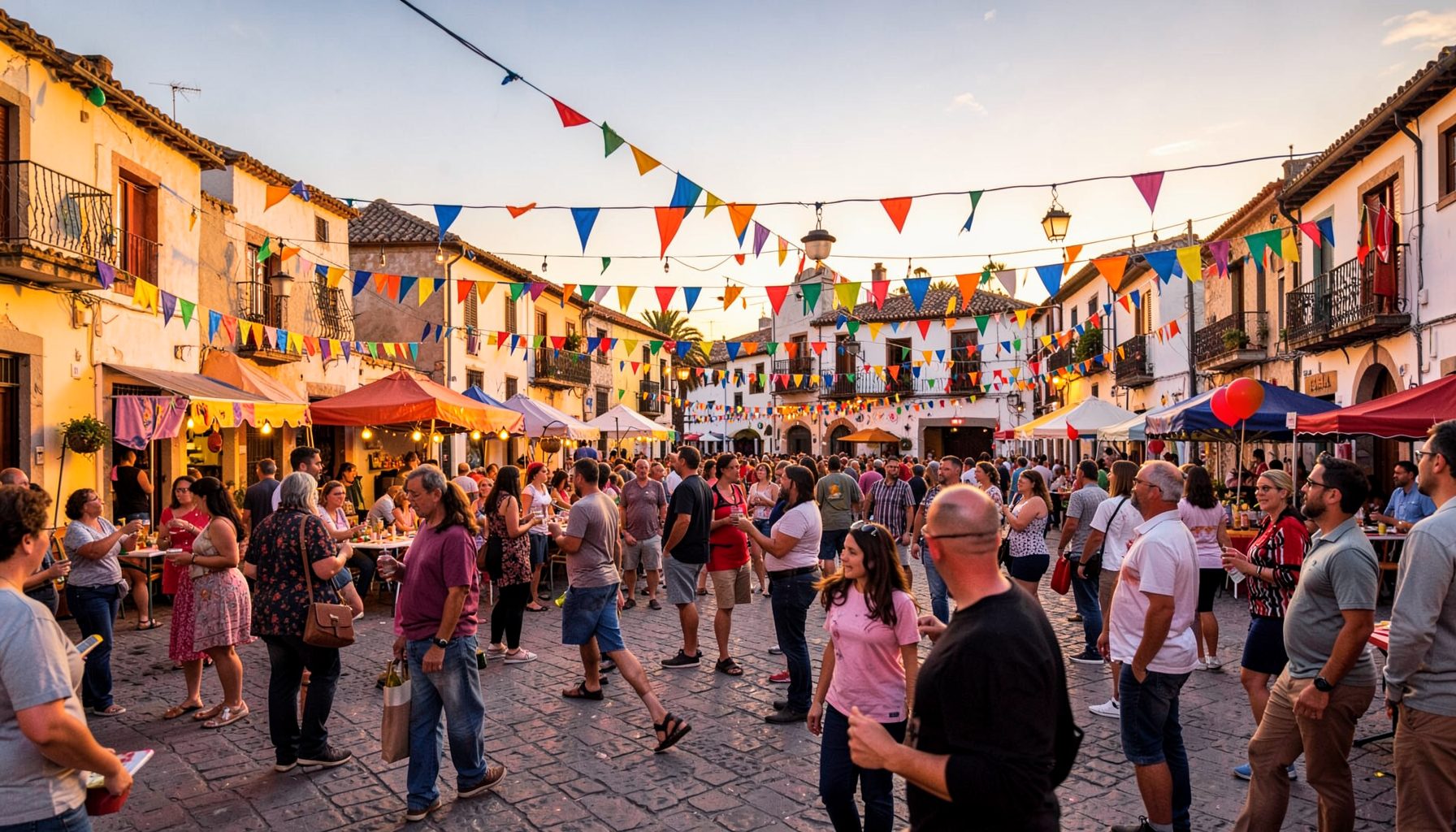
Join the conversation in the Agudo community forums. Access the Foro antiguo archive and participate in discussions with fellow residents and visitors.
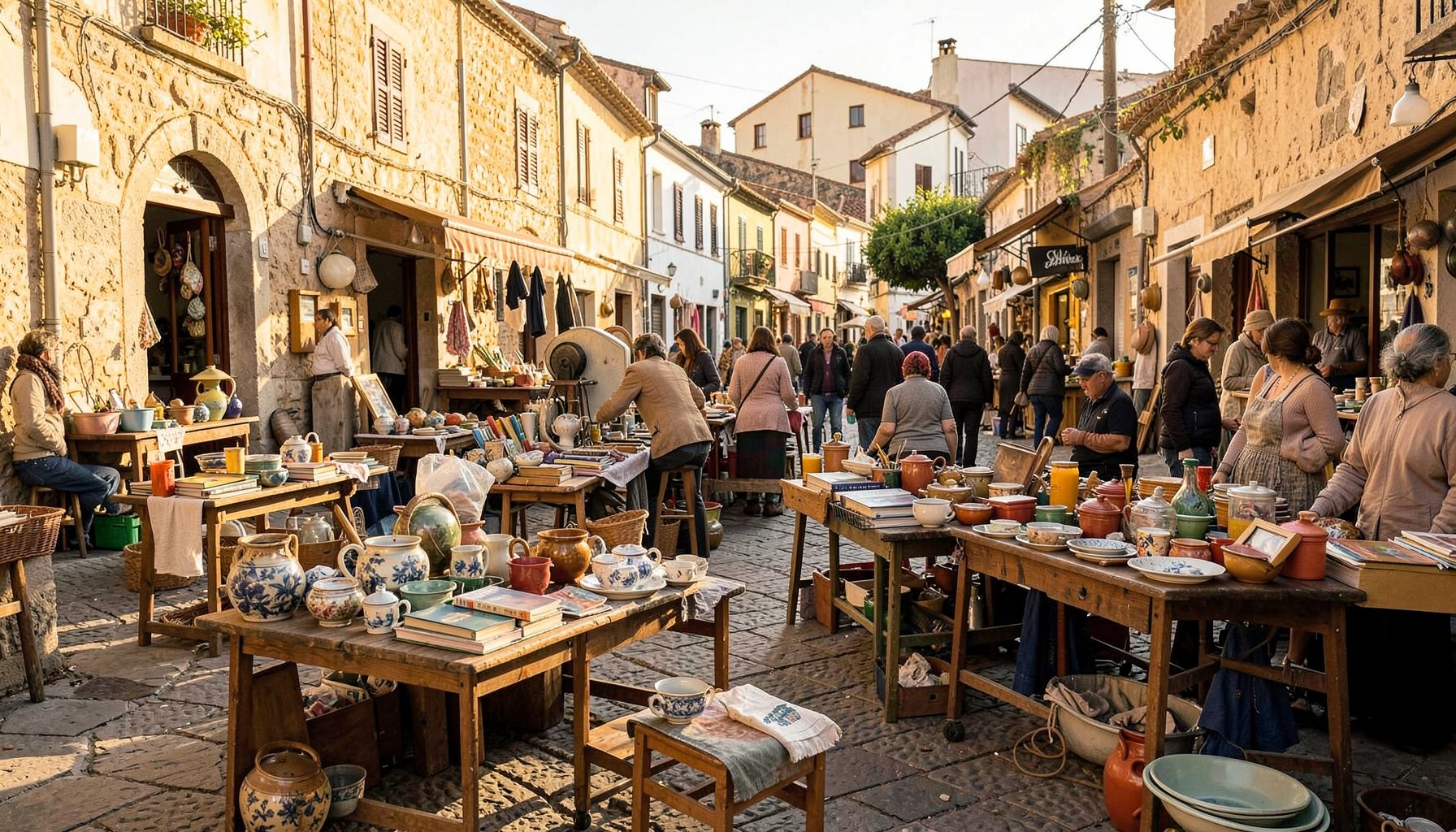
Browse local second-hand listings in the Agudo area. A convenient marketplace for buying and selling within the community.
Explore our directory of recommended links, including the Ayuntamiento de Ciudad Real, Lagunas de Ruidera, Parque de Cabañeros, Agudo Joven, and Balneario Cervantes.
Access practical tools including Prensa links, radio, horóscopo, Loterías results, a leisure guide, recipes, a dictionary, and Street View integration.
Watch videos showcasing Agudo and the surrounding region. A visual tour of local life, landscapes, and community events.