


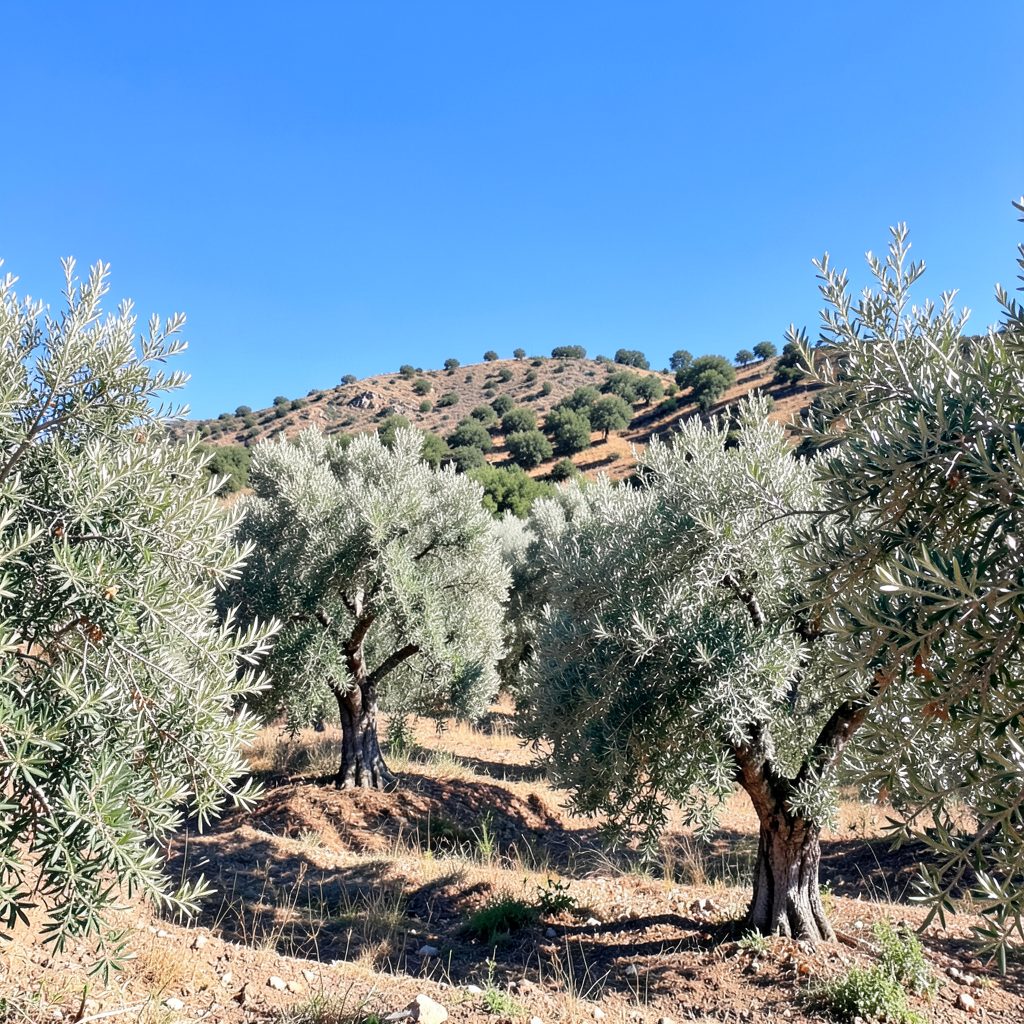
Stay informed with local news updates covering Agudo and the surrounding region. Browse the Hemeroteca for past articles and keep up with what matters in the community.
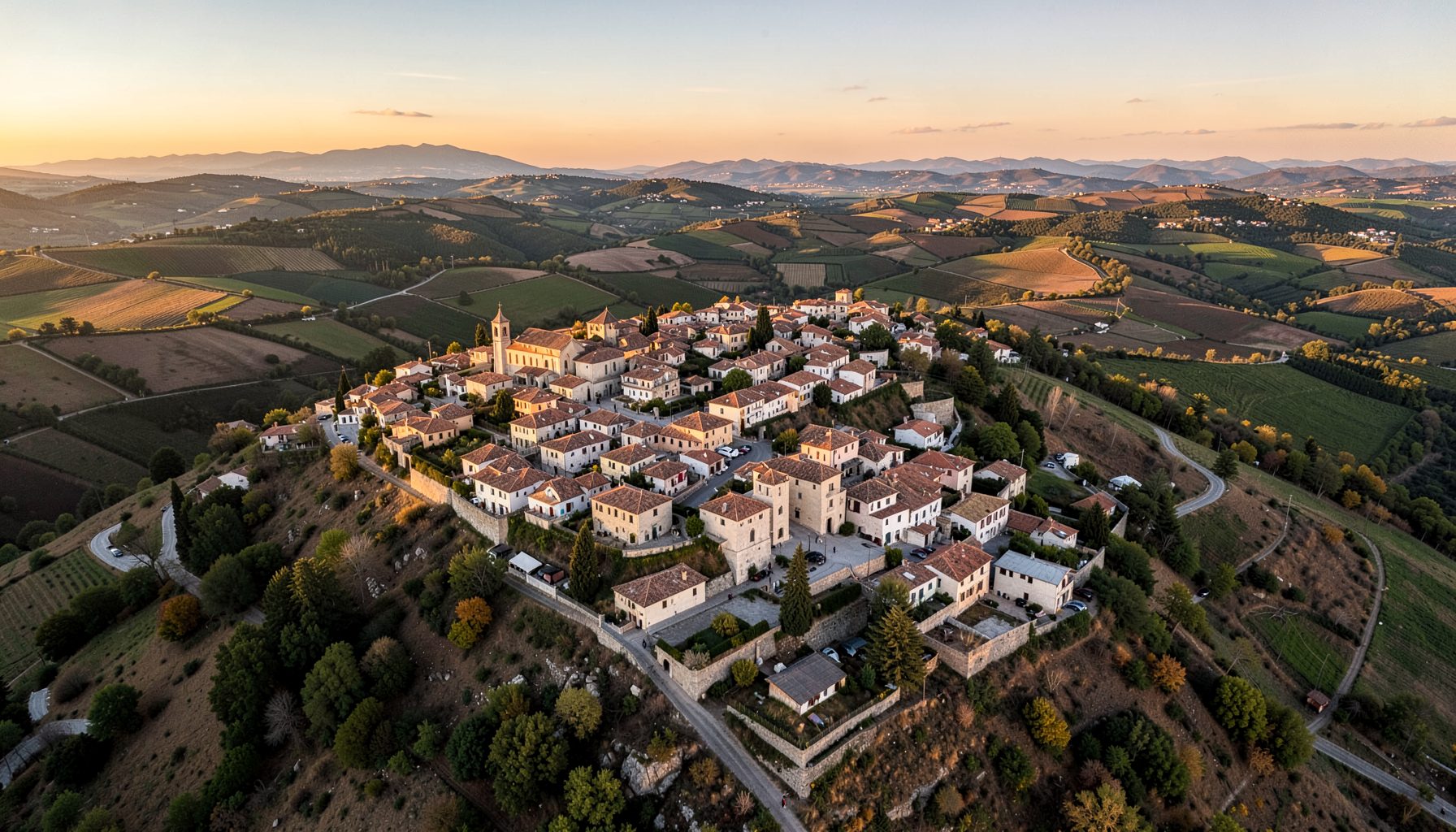
Agudo’s social services have started a weekly walking group for residents aged over 65, adding a practical health and community activity to the town’s local support network. The sessions are designed to encourage regular movement, social contact and greater confidence among older people, with a nurse available to provide guidance during the walks.
The initiative reflects a simple idea: staying active is easier when exercise becomes part of a familiar weekly routine. For people in Agudo, the group can offer companionship close to home, while former residents and Australian readers may recognise similarities with seniors’ walking clubs, community health programmes and neighbourhood gatherings across regional New South Wales, Victoria and Queensland.
Walking is a low-cost form of physical activity that can suit many older adults. A steady group stroll may help participants maintain mobility, balance and stamina without the pressure associated with competitive sport or a demanding gym programme. The pace can be adjusted, with opportunities to pause and rest when needed.
A regular meeting also creates structure. Knowing that a walk takes place each week can make it easier to leave the house, plan around other commitments and build an enduring habit. In a small town such as Agudo, where neighbours often know one another, that routine may become a valuable point of contact for people living alone or spending much of the day at home.
Australian communities use similar approaches. Seniors’ walking clubs in Melbourne’s suburbs, morning groups around Adelaide parks and gentle coastal walks near Brisbane often combine physical activity with conversation. Agudo’s warmer inland climate means organisers will need to consider sun protection, comfortable footwear, water and the time of day, especially during summer.
The presence of a nurse gives the activity an added layer of safety and practical health knowledge. A healthcare professional can observe whether participants are coping comfortably, encourage sensible pacing and remind walkers about hydration, medication routines and warning signs that should not be ignored.
This does not turn the walking group into a medical appointment. Instead, it creates an informed environment where older residents can take part with greater confidence. Participants with ongoing health concerns may still need advice from their own doctor or care team before changing their exercise routine. In Australia, that could mean speaking with a general practitioner through Medicare or checking an existing plan with an allied health professional.
The social services team can also use the sessions to share information about falls prevention, nutrition, sleep and seasonal health. These conversations are often more approachable when they happen during a community activity rather than in a formal office setting. Clear guidance can help participants understand their limits while keeping the focus on enjoyment and independence.
A walking group can become more than a health service. It can connect older residents with local news, municipal information and cultural life. A short route through familiar streets may encourage participants to notice changes in public spaces, discuss neighbourhood concerns and pass useful information between households.
Improved wayfinding can make these outings more welcoming for visitors and relatives as well. Agudo’s bilingual street signs are intended to help people find important places, and clearer directions may benefit anyone accompanying an older participant, including international family members returning to the town.
The group may also support local businesses indirectly. Walkers stopping for coffee, visiting a shop or attending a community market can contribute to the town centre. Australian readers will understand this connection from local farmers’ markets, weekend craft stalls and small-town cafés, where regular community activity can make a noticeable difference to traders.
Loneliness can affect older people in both large cities and rural communities. A weekly walk gives participants a predictable chance to talk, exchange stories and notice when someone has been absent. Those ordinary interactions can strengthen informal support without making anyone feel that they are receiving charity or being singled out.
The group may also encourage intergenerational contact. Adult children, grandchildren and carers can learn about the activity and help relatives attend when transport or mobility is an issue. Discussions about family responsibility and community values can sit alongside wider conversations, including this Christian parenting perspective, which considers how families support children and preserve their values in changing social settings.
Cultural events offer another reason for participants to remain engaged in town life. A walk could lead to an outing, a local performance or a conversation about upcoming activities. Agudo’s youth orchestra concert shows how music can bring generations together in a shared civic setting.
For the initiative to remain useful, practical details will matter. Routes should be sufficiently even, with rest points and access to shade where possible. Organisers can offer different walking speeds so that a participant who prefers a gentle stroll does not feel left behind, while more active members remain interested.
Communication should be simple and regular. Notices through social services, the town’s information channels, local associations and word of mouth can help residents understand where to meet and what to bring. It is also helpful to explain whether a booking is required, whether a support person may attend and what arrangements apply in poor weather.
The comparison below shows how Agudo’s programme relates to familiar Australian community activities while recognising that each place has its own climate, services and local habits.
| Feature | Agudo walking group | Comparable Australian activity |
|---|---|---|
| Main participants | Residents aged over 65 | Seniors’ walking clubs and gentle exercise groups |
| Health support | A nurse accompanies or supports the activity | GP, community nurse or allied health guidance may be available |
| Setting | Streets and community spaces around Agudo | Parks, shared paths, beaches or suburban reserves |
| Social purpose | Weekly contact, companionship and local connection | Exercise followed by morning tea, coffee or community activities |
| Key planning needs | Safe routes, pacing, shade and hydration | Heat, UV exposure, uneven paths and transport access |
| Wider benefit | Stronger links with local services and town life | Greater participation in neighbourhood centres and markets |
The new programme gives Agudo’s older residents a friendly way to move, talk and remain connected to the place they call home. Residents, relatives and community organisations can support its success by sharing accurate information, welcoming new walkers and helping older neighbours attend their first session. A small weekly commitment can become a lasting part of local life.
Stay informed with local news updates covering Agudo and the surrounding region. Browse the Hemeroteca for past articles and keep up with what matters in the community.

Join the conversation in the Agudo community forums. Access the Foro antiguo archive and participate in discussions with fellow residents and visitors.
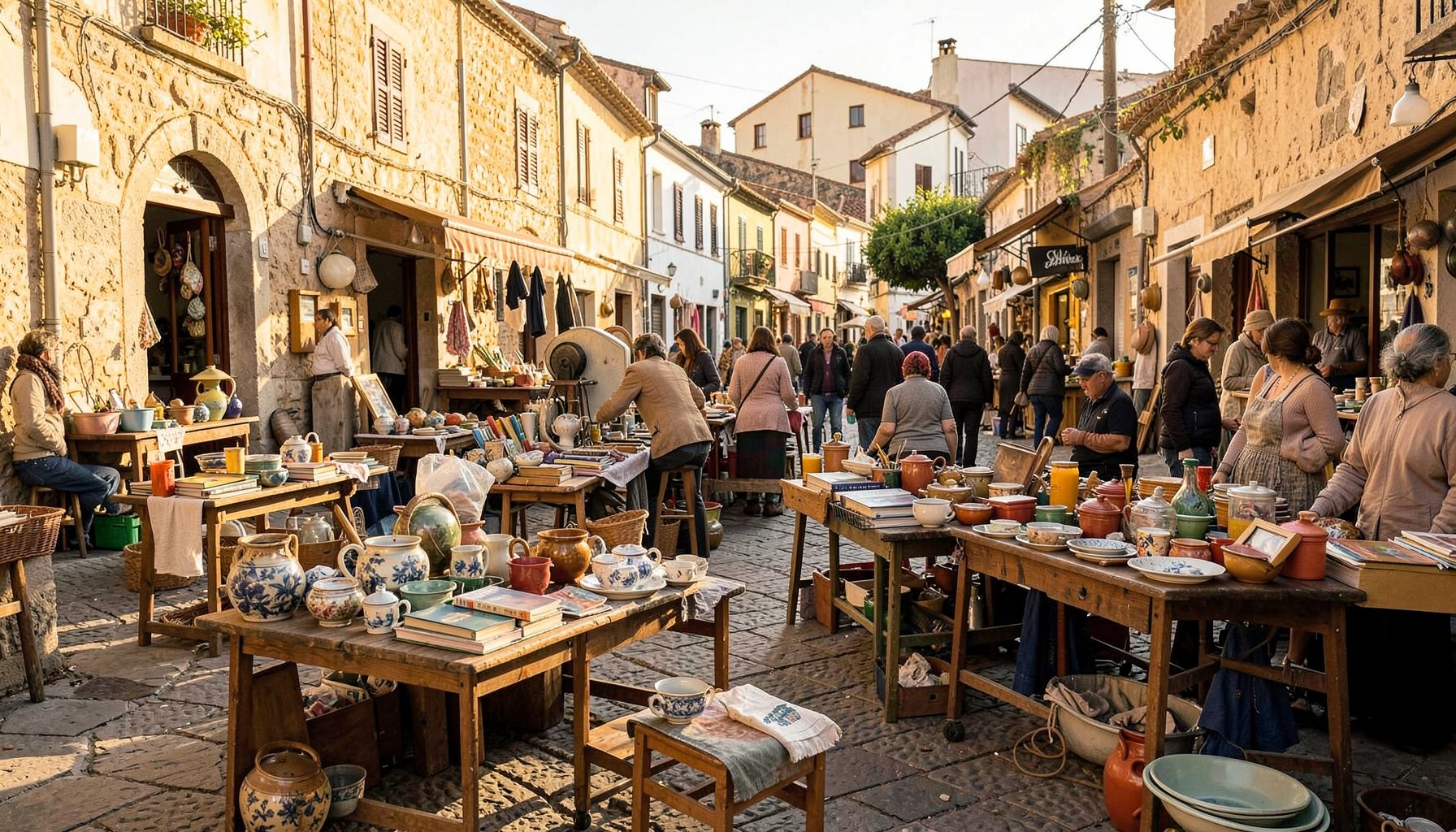
Browse local second-hand listings in the Agudo area. A convenient marketplace for buying and selling within the community.
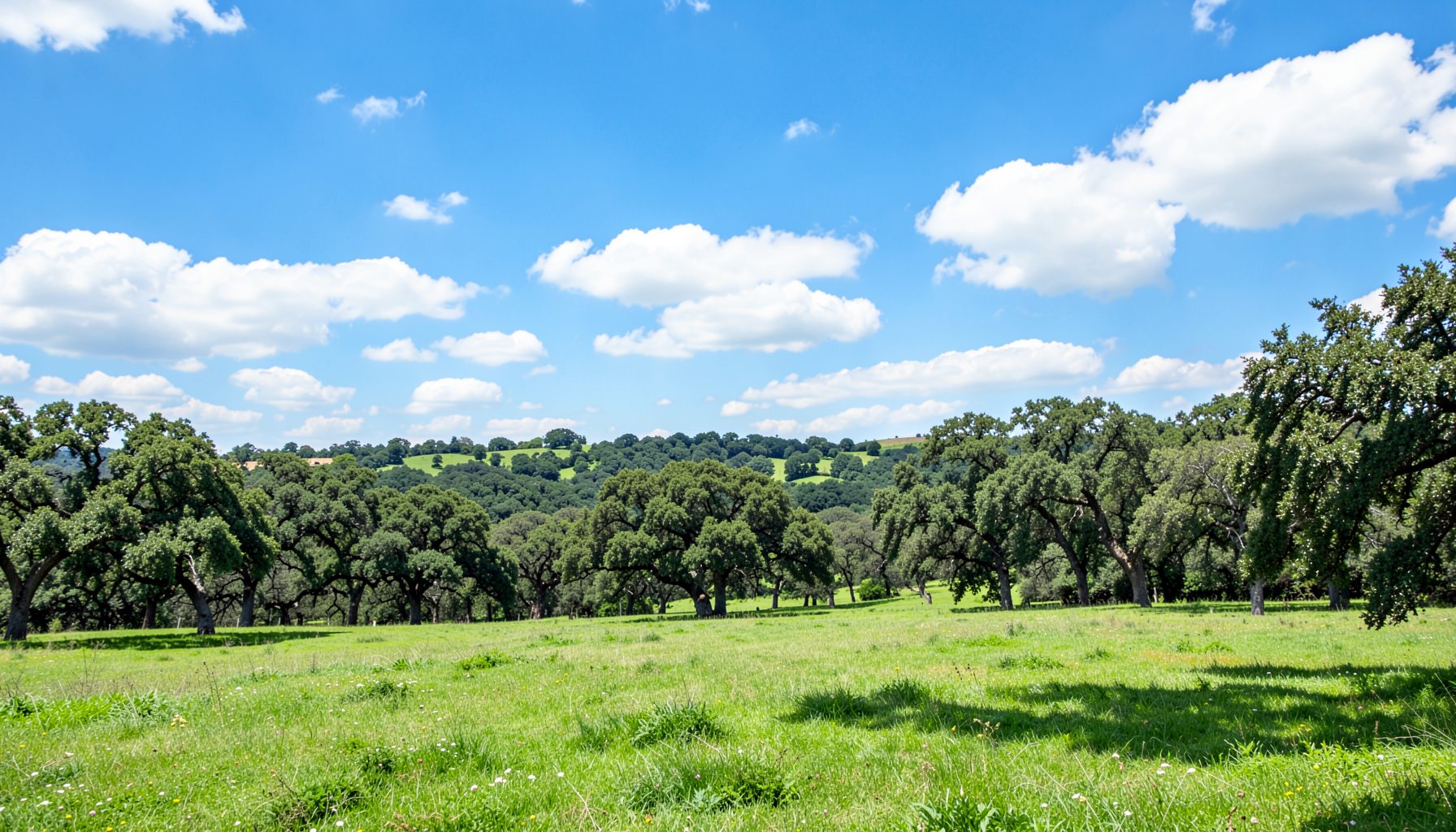
Explore our directory of recommended links, including the Ayuntamiento de Ciudad Real, Lagunas de Ruidera, Parque de Cabañeros, Agudo Joven, and Balneario Cervantes.
Access practical tools including Prensa links, radio, horóscopo, Loterías results, a leisure guide, recipes, a dictionary, and Street View integration.

Watch videos showcasing Agudo and the surrounding region. A visual tour of local life, landscapes, and community events.