

Stay informed with local news updates covering Agudo and the surrounding region. Browse the Hemeroteca for past articles and keep up with what matters in the community.
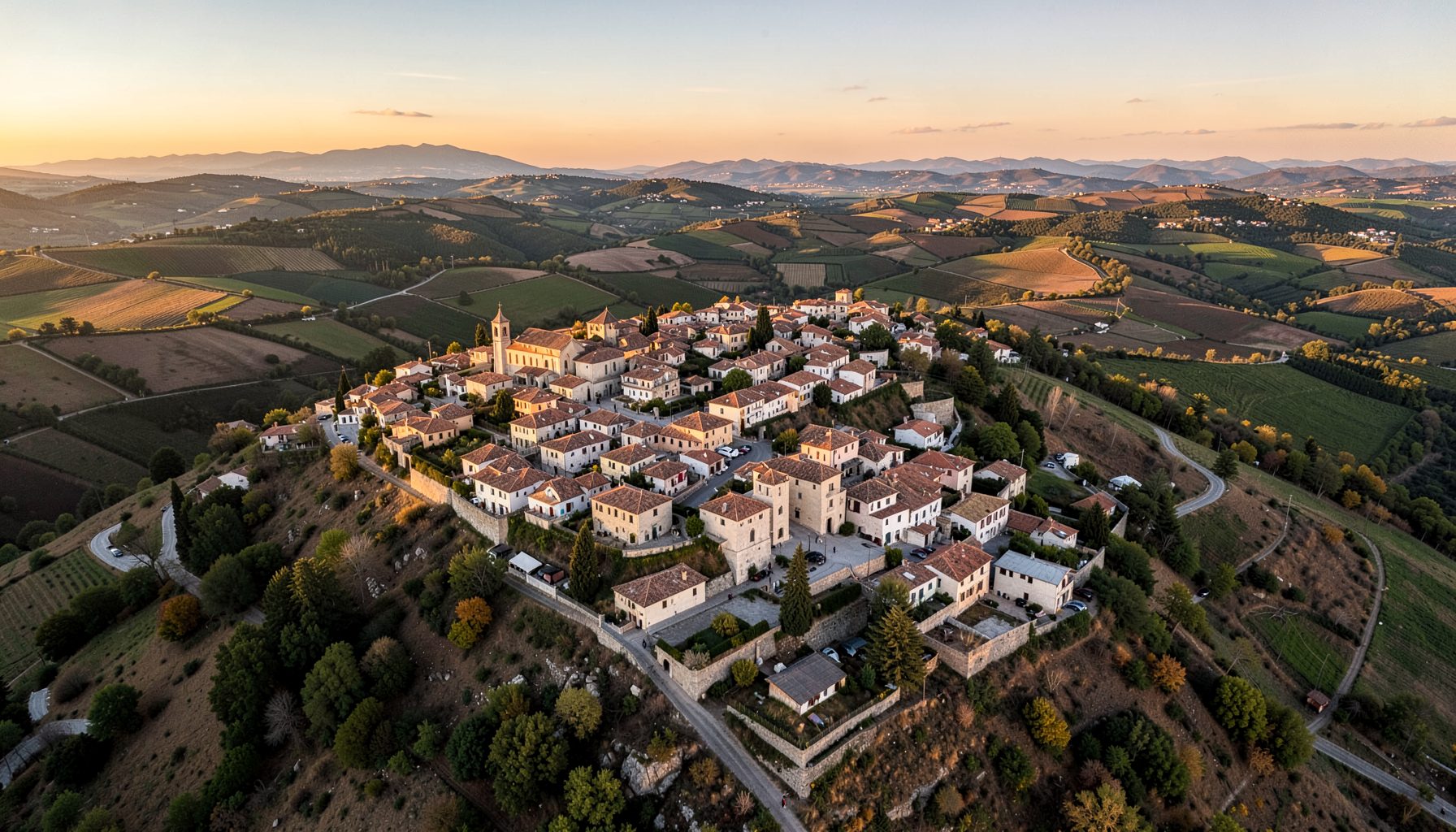
Agudo’s sevillanas group is bringing a lively new activity to local families with weekly classes for children at the town’s sports hall. The sessions offer an accessible way for younger residents to discover a traditional Andalusian dance while spending time with friends and neighbours.
Sevillanas combines repeated steps, hand movements, turns and partner work. Although it is closely associated with fairs and celebrations in southern Spain, its clear structure makes it suitable for beginners. Children can learn at their own pace, develop confidence and enjoy music in a friendly community setting.
For former residents and families following Agudo from Australia, the classes are also a reminder of how local activities help maintain a town’s social life. A rehearsal in a municipal sports facility can become a meeting point for parents, grandparents, children and visitors returning to the area.
The children’s sessions create a regular place for learning outside the classroom. Each week gives participants the chance to practise familiar movements, remember previous material and gradually feel more comfortable performing with others.
That continuity matters. Dance is easier to enjoy when children see the same classmates and teacher regularly, rather than attending a one-off workshop. A weekly timetable can also help families organise transport, homework, meals and other after-school activities around a dependable local appointment.
The initiative adds another option to Agudo’s community calendar alongside sport, cultural events and neighbourhood gatherings. It reflects the role that local associations play in creating activities that are close to home and open to different generations.
Sevillanas is usually learned through a sequence of choreographies, often called coplas. Children repeat sections until the rhythm, footwork and gestures become familiar. The repetition gives beginners a clear sense of progress, while the music keeps lessons energetic and expressive.
The dance also develops skills that extend beyond movement. Participants must listen carefully, remember patterns, share space and respond to a partner. These habits support concentration and cooperation, while performing a short sequence can help a shy child become more willing to take part in group activities.
Parents may notice that the classes balance discipline with play. There is room for mistakes, laughter and individual style, yet the group still works towards a shared routine that can later be presented at a town celebration or cultural event.
Holding the lessons in the sports hall gives the group a practical, recognisable venue. Sports facilities are already familiar to many children through football, basketball or school activities, so the setting can make a new cultural pastime feel less intimidating.
The hall also provides space for movement, music and small groups without requiring families to travel outside Agudo. That convenience is especially valuable in a rural municipality, where distance and limited public transport can affect how easily children attend activities in larger towns.
Families visiting from Australia may recognise the same community pattern in local basketball stadiums, netball courts and recreation centres in cities such as Melbourne or Brisbane. In both settings, a public facility can serve as much more than a place for competition: it becomes a base for learning, friendships and local identity.
The exact class routine will depend on the group’s age and experience, but introductory lessons commonly move from warm-up exercises to basic steps, arm positions and short combinations. Teachers can then join the elements together as children become more confident.
Comfortable clothes and shoes that allow safe movement are likely to be more useful than formal dancewear at the beginning. Families should follow any instructions from the group about footwear, arrival times, water and hair tied back during activity.
A practical first-day checklist may include:
A children’s dance group can help pass cultural knowledge from older residents to a younger generation. Sevillanas carries musical traditions, gestures and social customs that are often experienced during fairs, family celebrations and community performances.
It can also strengthen the connection between local life and the wider province of Ciudad Real. Agudo has its own character and traditions, while activities such as dance allow residents to participate in the broader cultural life of Castilla-La Mancha without leaving their municipality.
For Australians, the closest comparison may be a community flamenco class, a bush-dance group or a multicultural performance programme held through a council recreation centre. Australian families are accustomed to enrolling children during school terms, checking online timetables and fitting activities around weekend sport. The Agudo classes follow the same practical idea, even though the dance tradition is distinctly Spanish.
Parents may also appreciate the social opportunities around the lessons. Waiting before class, sharing lifts and talking after practice can help families build connections that are easy to lose in a busy week.
Families in Australia will recognise several everyday considerations when following news about children’s activities overseas. In Sydney, Perth or Adelaide, parents often look for clear start times, enrolment information, cancellation notices and payment details before committing to a weekly class. The same information is useful for relatives arranging attendance in Agudo.
Australian child-related activities commonly involve Working with Children Checks, child-safe procedures and state-based safeguarding rules. Spain has its own legal and organisational requirements, so families should rely on the group or venue for current information about supervision, permissions and collection arrangements rather than assuming that Australian procedures apply directly.
Useful questions to check before attending include:
The local market and community calendar may also shape attendance. In Australia, Saturday markets, school fêtes and council events often compete for family time; in Agudo, local festivals, religious celebrations and municipal activities can have a similar influence. A flexible approach helps children enjoy the classes without turning a cultural activity into another source of pressure.
The value of the sevillanas programme can continue outside the weekly lesson. Children may practise a few steps at home, parents may share photographs with relatives abroad, and the group may eventually contribute to a festival, school event or community gathering.
Local coverage is important for residents who cannot attend every activity. News reports, images and videos can help former Agudo residents in Australia stay connected with familiar streets, local faces and the changing rhythm of town life. Community discussion can also provide updates about schedules, performances and related events through the Agudo community forum.
The classes can be viewed through several simple lenses:
| Feature | Agudo families | Australian families following from abroad |
|---|---|---|
| Venue | Municipal sports hall in the town | Similar to a council recreation centre or indoor court |
| Activity | Weekly children’s sevillanas practice | Comparable to dance, netball or cultural classes |
| Main benefit | Cultural learning and local friendships | A way to stay connected with family and Spanish traditions |
| Organisation | Group timetable and local arrangements | Often managed around school terms and online bookings |
| Wider role | Supports festivals and community life | Encourages cultural participation across generations |
With children learning the steps week by week, the sports hall becomes a small stage for Agudo’s cultural continuity. Families can follow announcements through local channels, support the organisers and encourage young dancers as they find their own rhythm. For anyone living in Australia but keeping an eye on life in Ciudad Real, this is a cheerful example of community culture in motion.
Stay informed with local news updates covering Agudo and the surrounding region. Browse the Hemeroteca for past articles and keep up with what matters in the community.
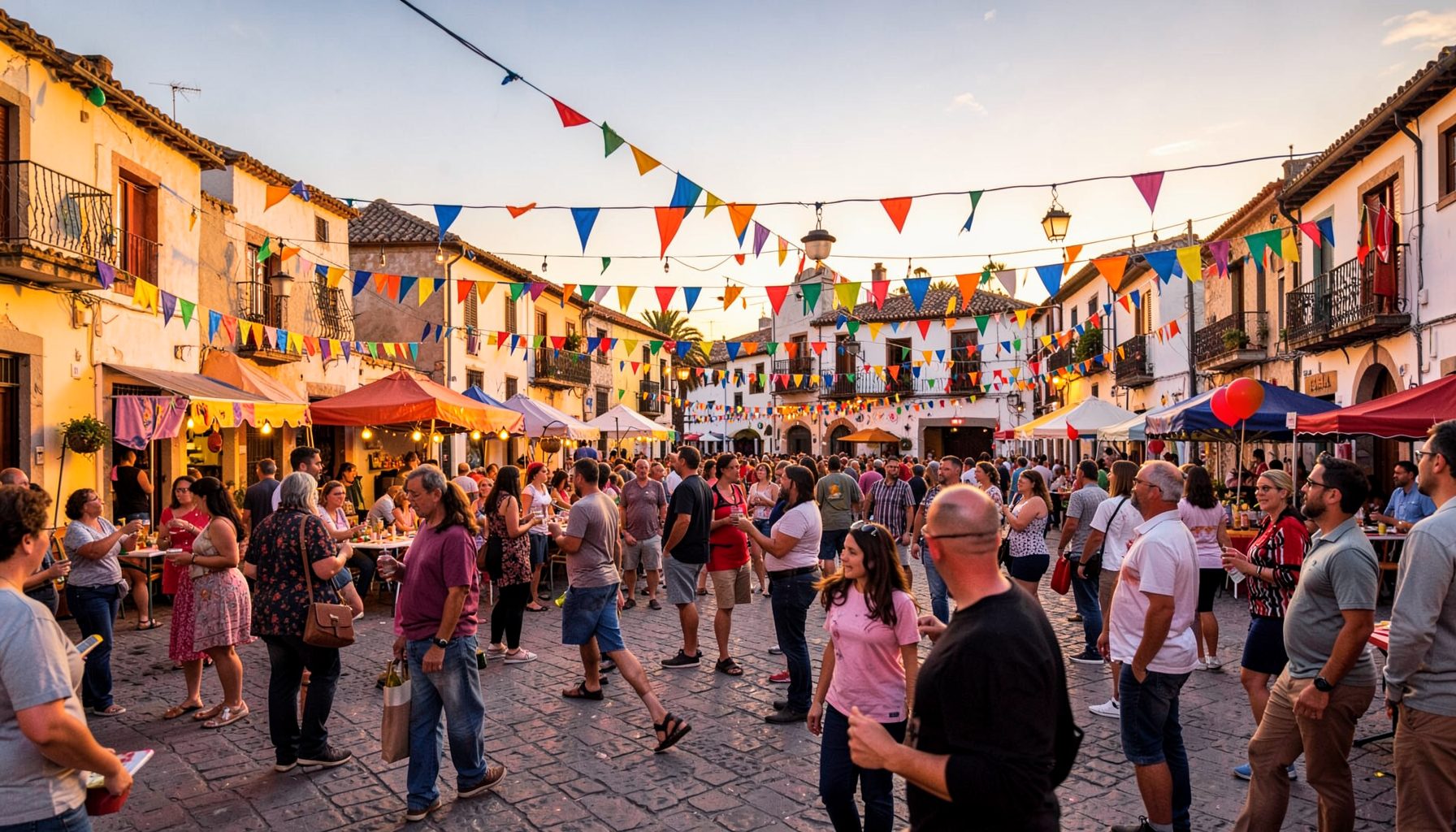
Join the conversation in the Agudo community forums. Access the Foro antiguo archive and participate in discussions with fellow residents and visitors.
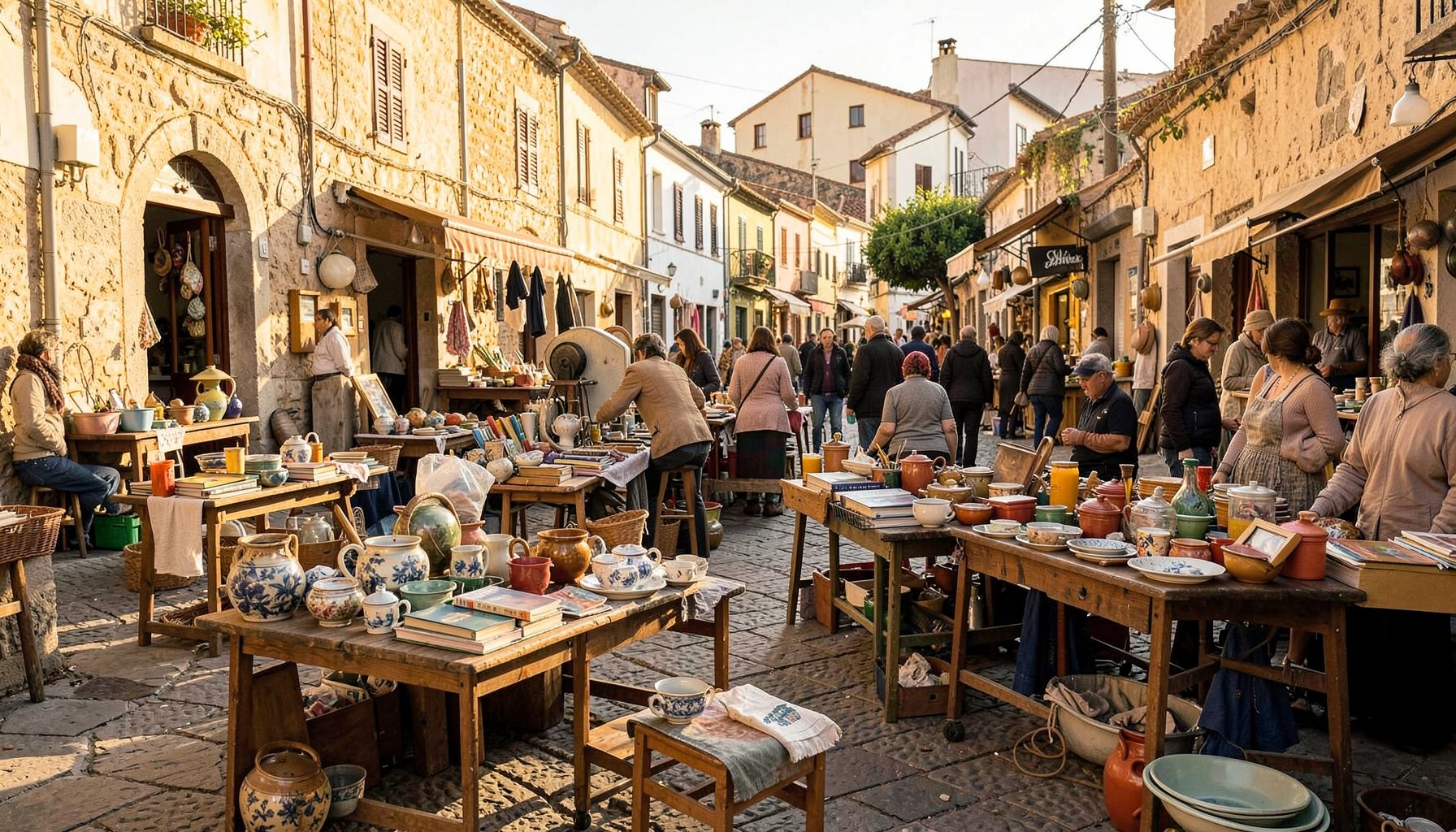
Browse local second-hand listings in the Agudo area. A convenient marketplace for buying and selling within the community.
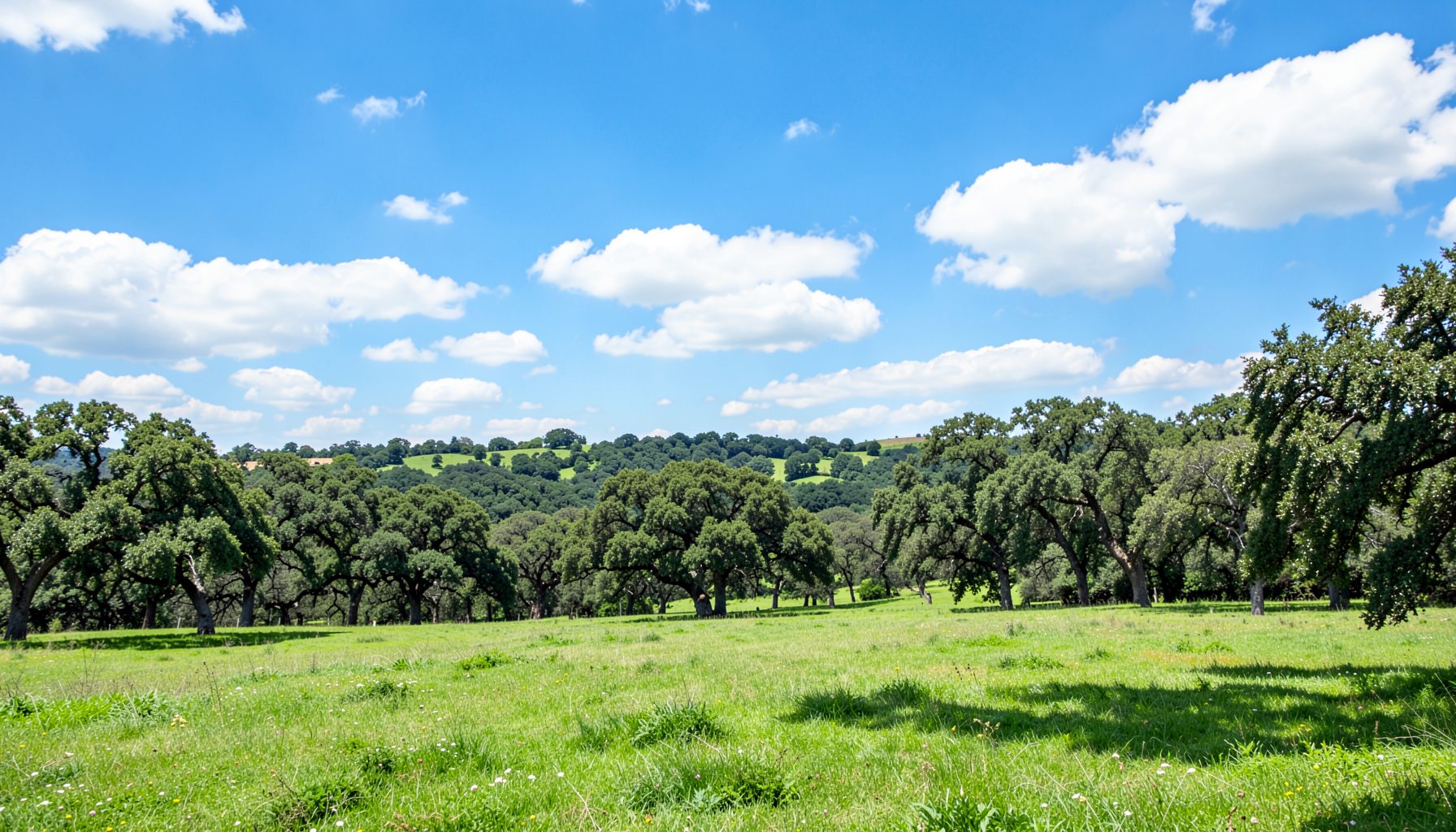
Explore our directory of recommended links, including the Ayuntamiento de Ciudad Real, Lagunas de Ruidera, Parque de Cabañeros, Agudo Joven, and Balneario Cervantes.
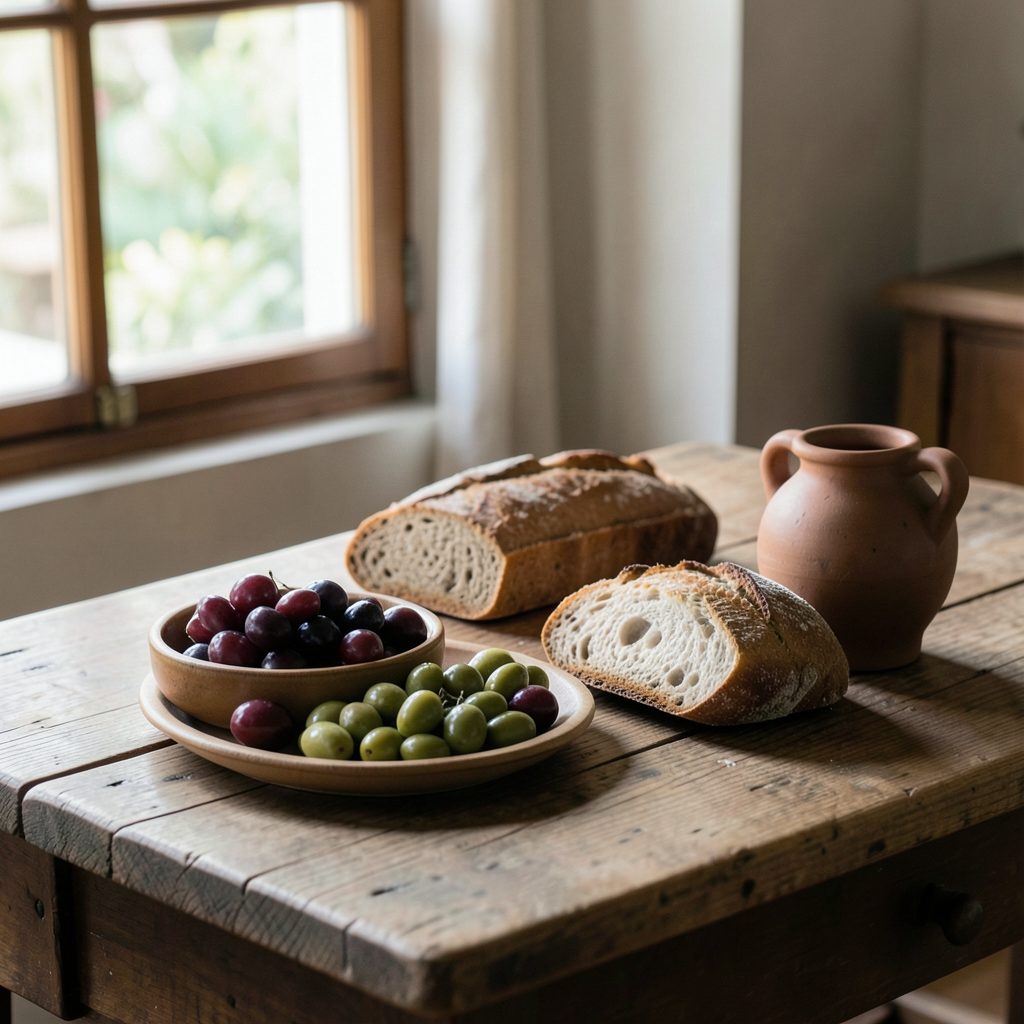
Access practical tools including Prensa links, radio, horóscopo, Loterías results, a leisure guide, recipes, a dictionary, and Street View integration.
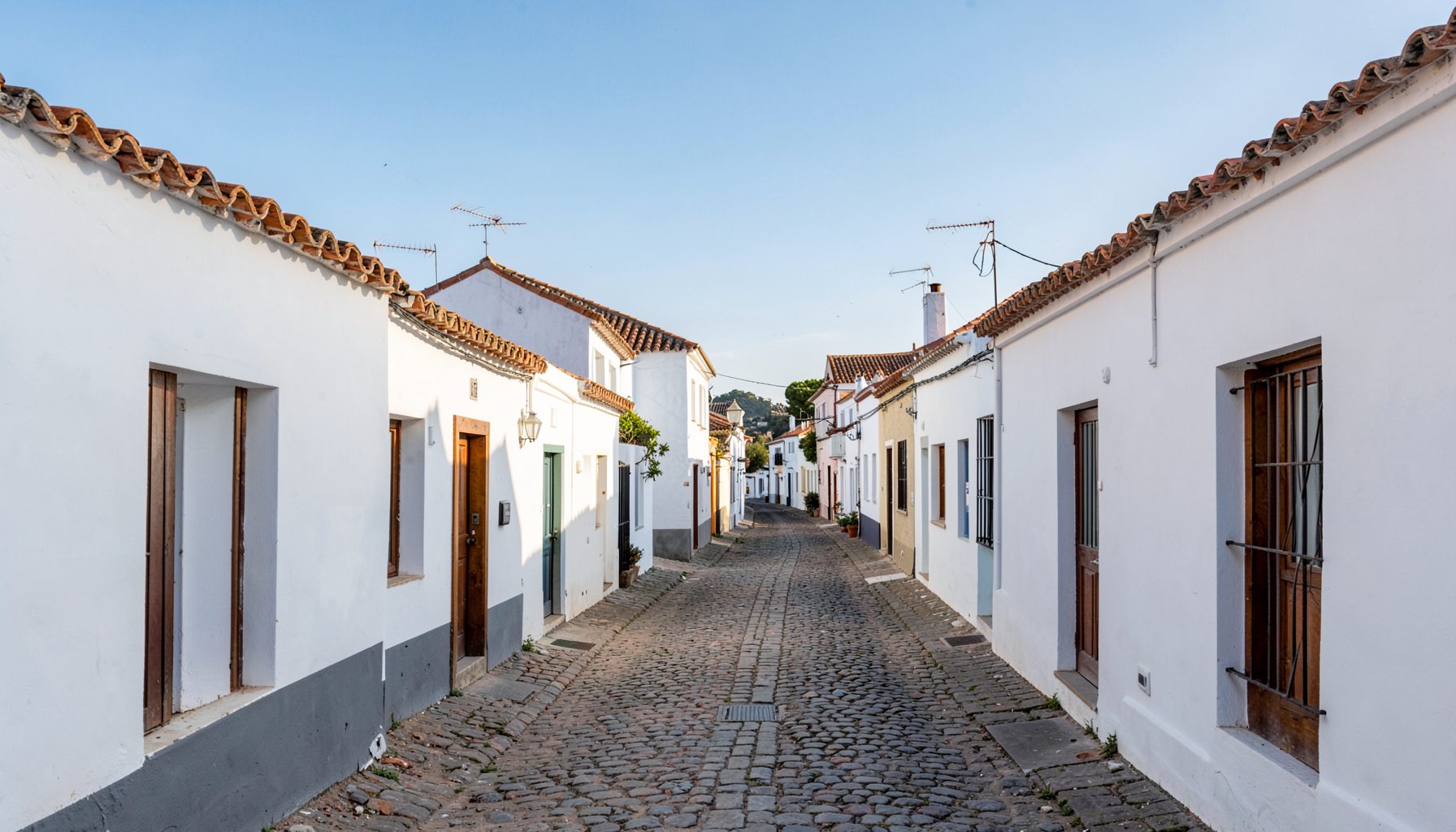
Watch videos showcasing Agudo and the surrounding region. A visual tour of local life, landscapes, and community events.