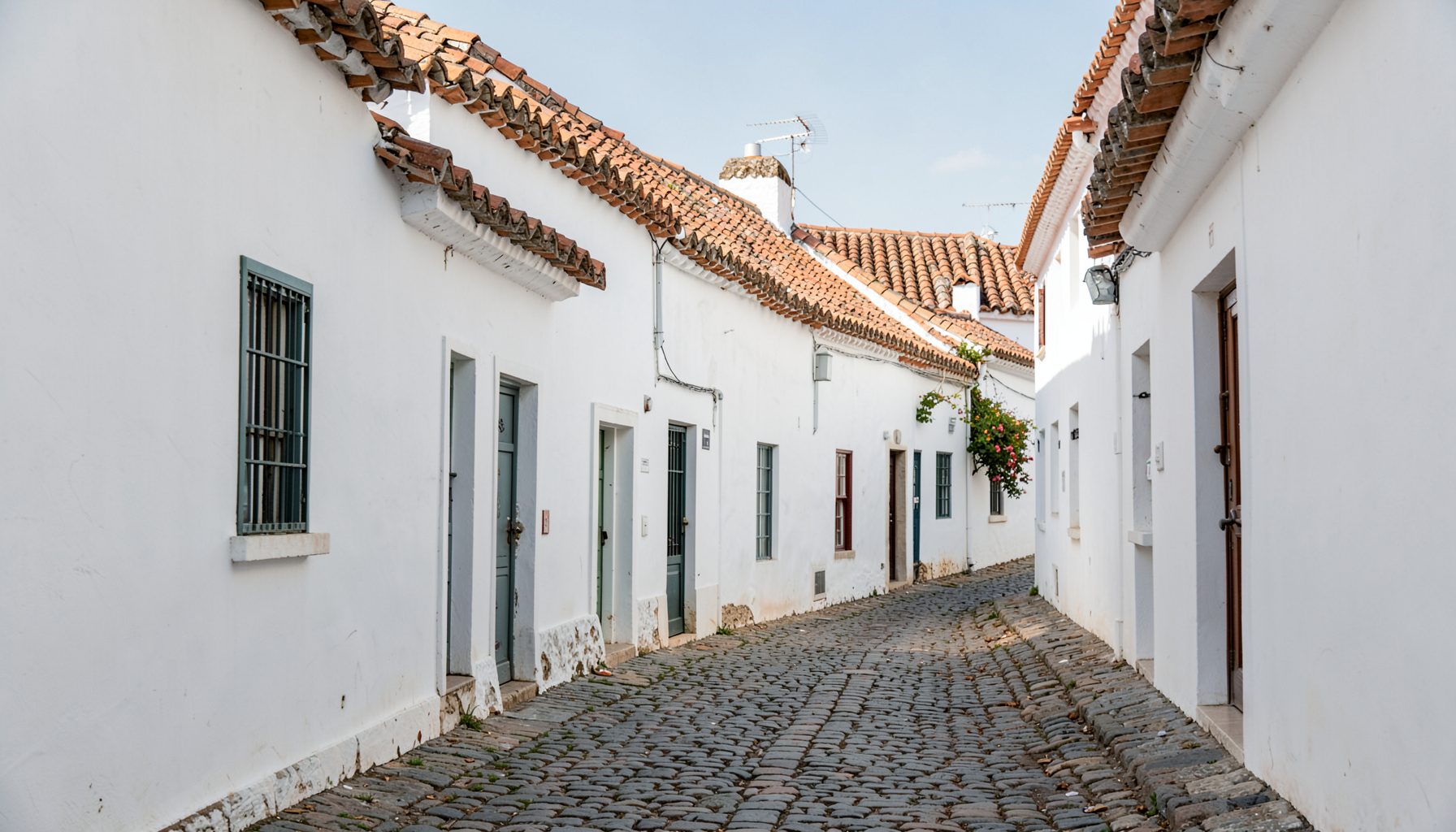
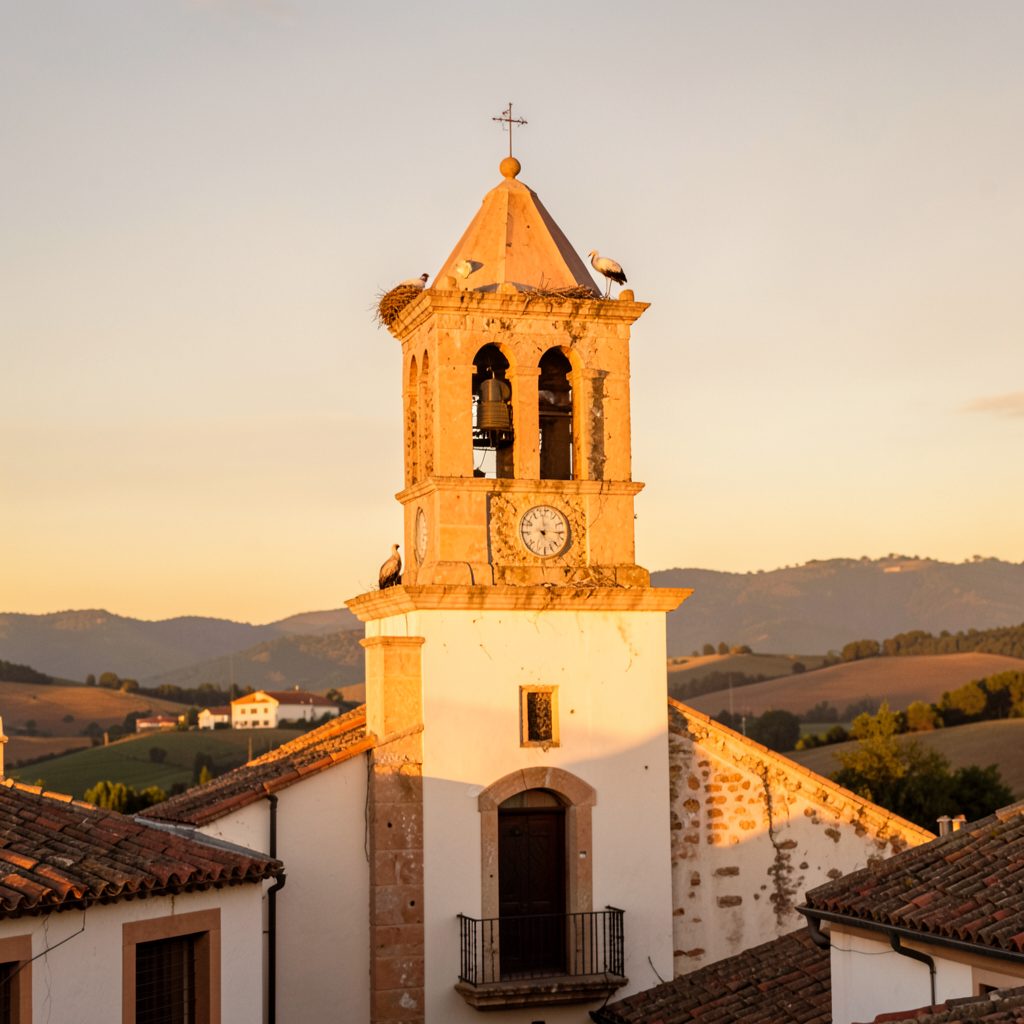
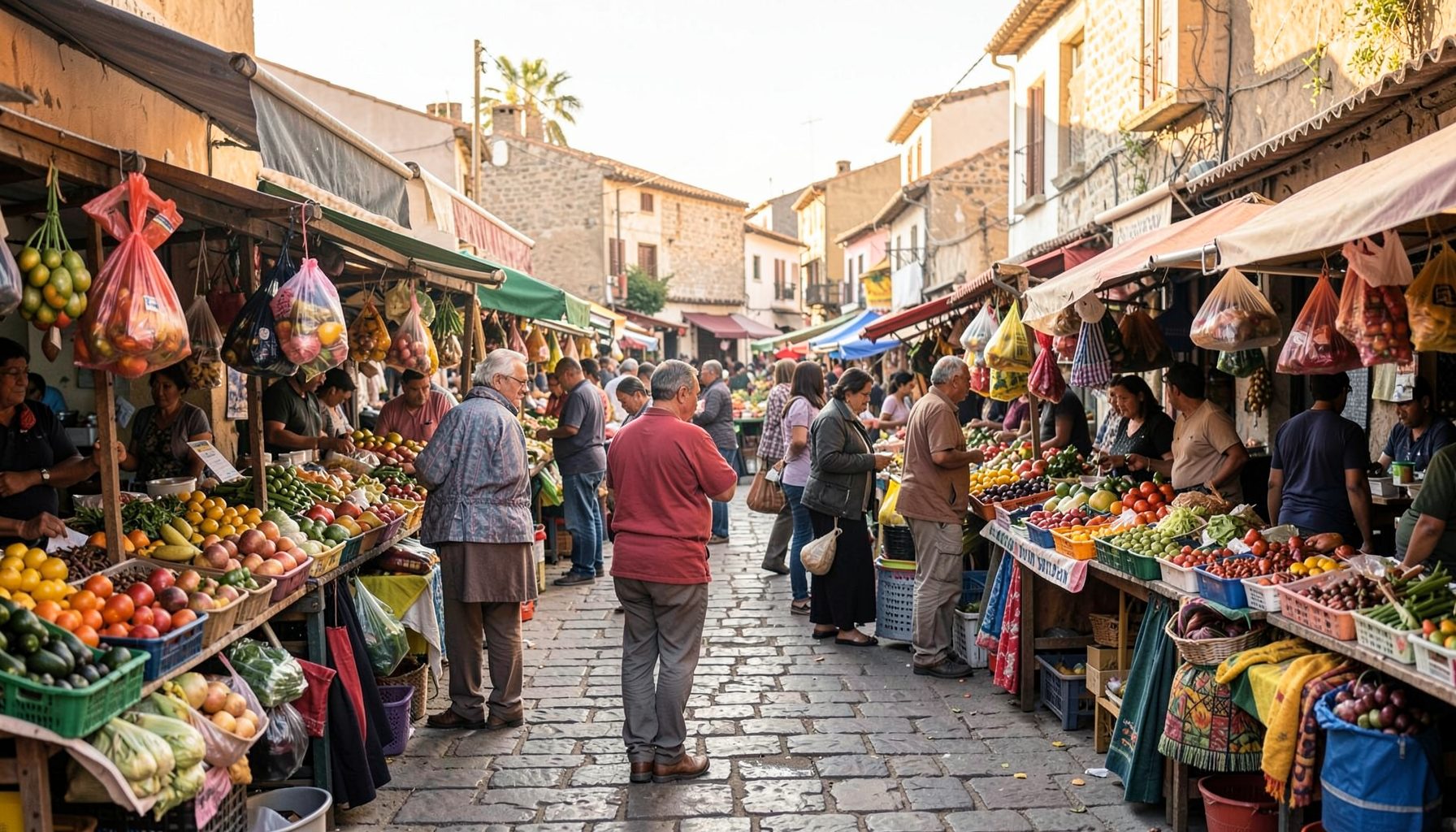
Stay informed with local news updates covering Agudo and the surrounding region. Browse the Hemeroteca for past articles and keep up with what matters in the community.
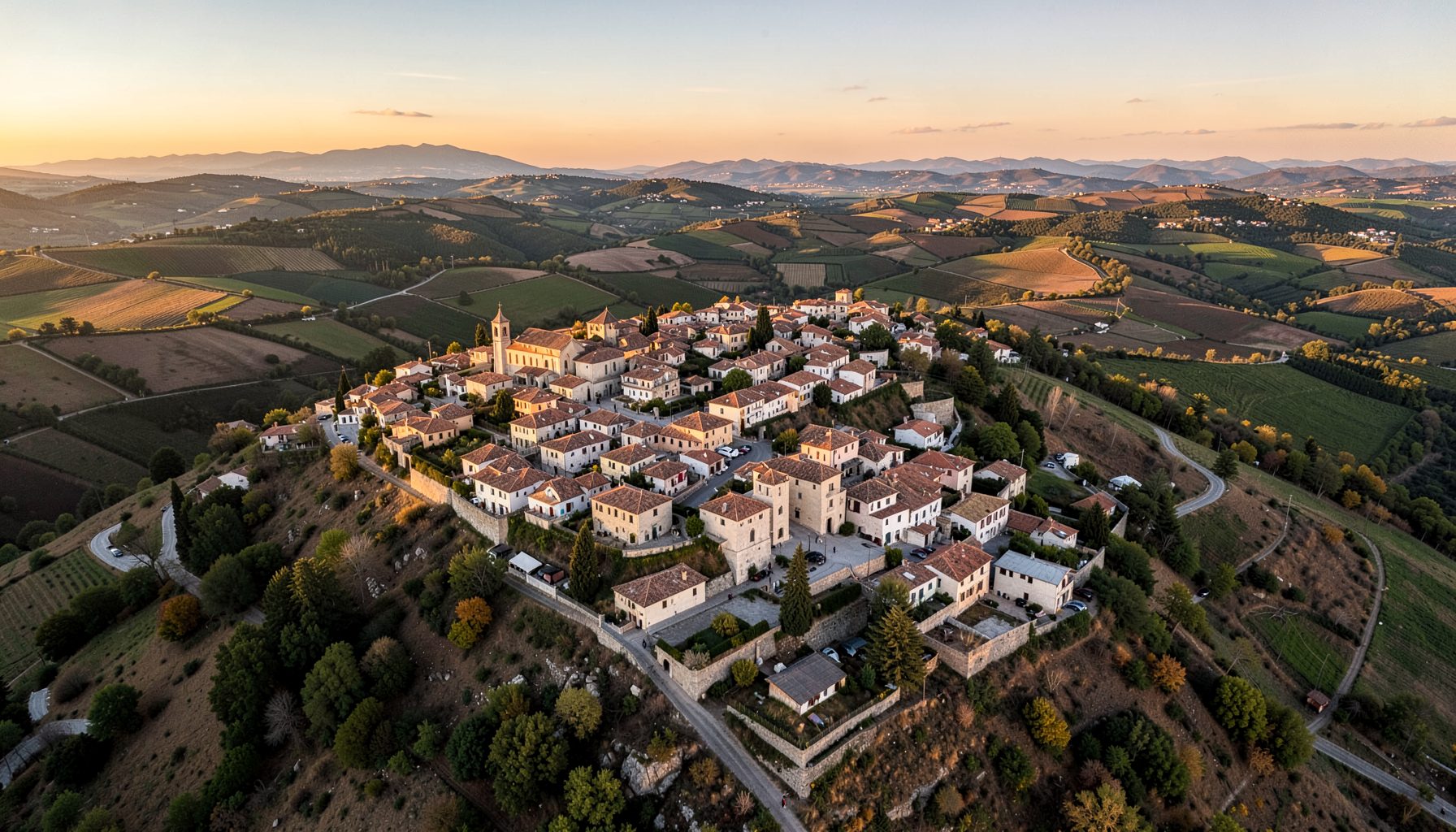
Tucked away in the quiet streets of this small La Mancha town, a group of dedicated amateur photographers has spent the past two years assembling an exhibition that few expected to move them quite so much. The collection, currently on display at the Casa de Cultura, gathers black-and-white family portraits taken in Agudo during the late 1950s and 1960s, a period when entire households packed their lives into cardboard suitcases and boarded northbound trains.
The 1960s were the peak of Spain's rural exodus, when villages across Ciudad Real, Toledo, and Cuenca lost significant shares of their young populations to industrial centres like Madrid, Barcelona, and Bilbao, and to opportunities abroad in France, Germany, and Switzerland. For Agudo, a municipality of fewer than two thousand people today, those departures reshaped the social fabric so profoundly that several neighbourhood associations have spent decades trying to trace the scattered branches of once-prominent local families.
The local photography club, founded in the early 1990s and known informally as Foto Agudo, decided to act before the remaining visual evidence disappeared altogether. Members approached descendants, rummaged through old trunks in attics, and digitised prints that had begun to fade around the edges. The result is an intimate, sometimes raw visual record that treats migration not as an abstract statistic but as a series of human faces.
The exhibition occupies three rooms in the municipal cultural centre and is organised thematically rather than chronologically. One room gathers formal studio portraits, the kind of stiff, posed images families commissioned when a son was about to leave for the factory floors of Frankfurt or the construction sites of Geneva. Another room collects informal snapshots: children playing in doorways, women hanging laundry against whitewashed walls, men leaning on the bar of the village taberna after Sunday mass.
A third space is given over to the artefacts of departure itself. There are reproduced letters, train timetables from the Madrid-Chamartín era, and a few of the actual cardboard suitcases that still survive in family cupboards. The curators have resisted the temptation to over-interpret, preferring to let the photographs speak in the unsentimental language that monochrome tends to encourage.
The club's president, Encarna Sánchez, explained that the aim was never nostalgia for its own sake. Visitors are encouraged to look for the small details that betray what was about to change: a young man in a suit that looks slightly too new, a woman's hand resting on the shoulder of a child who will grow up knowing her mostly through postcards.
There is something about monochrome portraiture that crosses borders unusually well. Australians of Southern European descent often recognise the precise cultural moment these photographs capture, because their own family albums from the postwar decades look remarkably similar. In suburbs like those around Sydney's Marrickville or Melbourne's Brunswick, attics still hold the same kind of studio portrait, taken before a grandparent boarded a ship at Genoa or a plane from Lisbon.
The parallels between the Spanish rural exodus and Australian demographic shifts run deeper than visual style. Between 1966 and 1971, the Australian government actively encouraged emigration from non-British countries to address labour shortages, particularly in manufacturing and infrastructure. Towns in regional New South Wales and country Victoria lost young people to Sydney and Melbourne in patterns that echoed the depopulation of villages like Agudo, even if the receiving cities were different. Many descendants of those who left Spain in the 1960s eventually settled in Adelaide, Perth, and parts of Brisbane, contributing to the multicultural character that fair dinkum Australians now take for granted.
The contemporary comparison is harder to ignore. Sydney and Melbourne housing markets have priced younger generations out of inner suburbs entirely, while mining towns in the Pilbara and agricultural shires across the wheat belt watch their young people drift towards Brisbane or the Gold Coast. The faces in Foto Agudo's exhibition look across half a century and recognise the same dilemma: stay, or go.
Visitors travelling through the region often combine a stop at the exhibition with a slow walk around the village itself, and the recently opened signposted walking route now makes it easier to follow the paths those earlier residents once walked.
| Aspect of the exhibition | Studio portraits | Informal snapshots | Departure artefacts |
|---|---|---|---|
| Period covered | Mostly 1958 to 1968 | 1955 to 1972 | 1960 to 1975 |
| Subjects | Individuals and couples | Extended families | Suitcases, letters, documents |
| Emotional register | Solemn, formal | Lived-in, candid | Quiet, material |
| Source of prints | Professional studios, private collections | Family albums | Borrowed heirlooms, club archive |
Club members admit that the most difficult part of the project was not the printing, the framing, or the curatorial sequencing. It was knocking on doors. Several families had never shown their photographs to anyone outside the immediate household. Some had kept prints in envelopes marked with the name of the town where a relative had settled, others had simply stored everything in biscuit tins in the cellar.
The club worked through neighbourhood associations, the parish, and the local school to identify households that had lost members to migration. In a few cases, they tracked down emigrant descendants through municipal records and wrote to them abroad. Several replied with their own photographs, scanned and emailed from kitchens in Lyon, Buenos Aires, and, in one memorable case, from a farm outside Geelong in Victoria.
The Australian thread in the project is small but real. At least three of the families represented in the exhibition have members who settled in Australia, and the club has exchanged correspondence with Spanish-Australian community organisations in Melbourne that helped absorb many of those arrivals in the 1970s. Visitors to the exhibition who happen to be travelling through Spain often remark that the story could just as easily be set in a wheat town outside Horsham or along the Murray.
There is a temptation, when assembling an exhibition like this, to present the photographs in colour even when the originals were monochrome, by tinting or digitally restoring them. Foto Agudo refused. Black-and-white, the club argues, carries the weight of the period more honestly. Skin tones softened by decades of fading are not flaws to be corrected; they are part of what these photographs mean now.
Several photographers in the club have shot their own contemporary work in monochrome specifically to echo the older prints. A series at the back of the exhibition shows the same doorways, courtyards, and street corners that appear in the 1960s portraits, photographed today but processed in silver gelatin style. The effect is to remind viewers that Agudo is still here, still inhabited, still making memories, even as the exhibition mourns what left.
For visitors used to the saturated colour of Australian tourist photography, from the ochre of Uluru to the turquoise of the Reef, the monochrome of Foto Agudo's rooms can feel almost shocking at first. Within minutes, the lack of colour becomes the point, focusing attention on faces, hands, and the geometry of posture.
The exhibition runs until the end of autumn at the Casa de Cultura, with reduced hours during the town's patron saint festivities. Entry is free, and the club has produced a small printed catalogue in both Spanish and English, the latter aimed at the steady stream of heritage tourists who pass through on their way to the Tablas de Daimiel or the windmills of Campo de Calatrava.
The photography club meets fortnightly in the same building and welcomes new members, including visitors who may be in town for only a short stay. Anyone interested in contributing prints, stories, or technical advice can contact the club through the municipal website, which also covers local services such as waste collection, healthcare contacts, and the community noticeboard.
Anyone with a connection to Agudo, whether they live around the corner in Puertollano, in a flat in Sydney's Inner West, or on a property somewhere in country Queensland, is warmly invited to step inside while the portraits are still on the walls. Bring a story if you have one, and add it to the visitors' book that sits open at the entrance. Photographs, like the families they preserve, deserve to be seen.
Stay informed with local news updates covering Agudo and the surrounding region. Browse the Hemeroteca for past articles and keep up with what matters in the community.
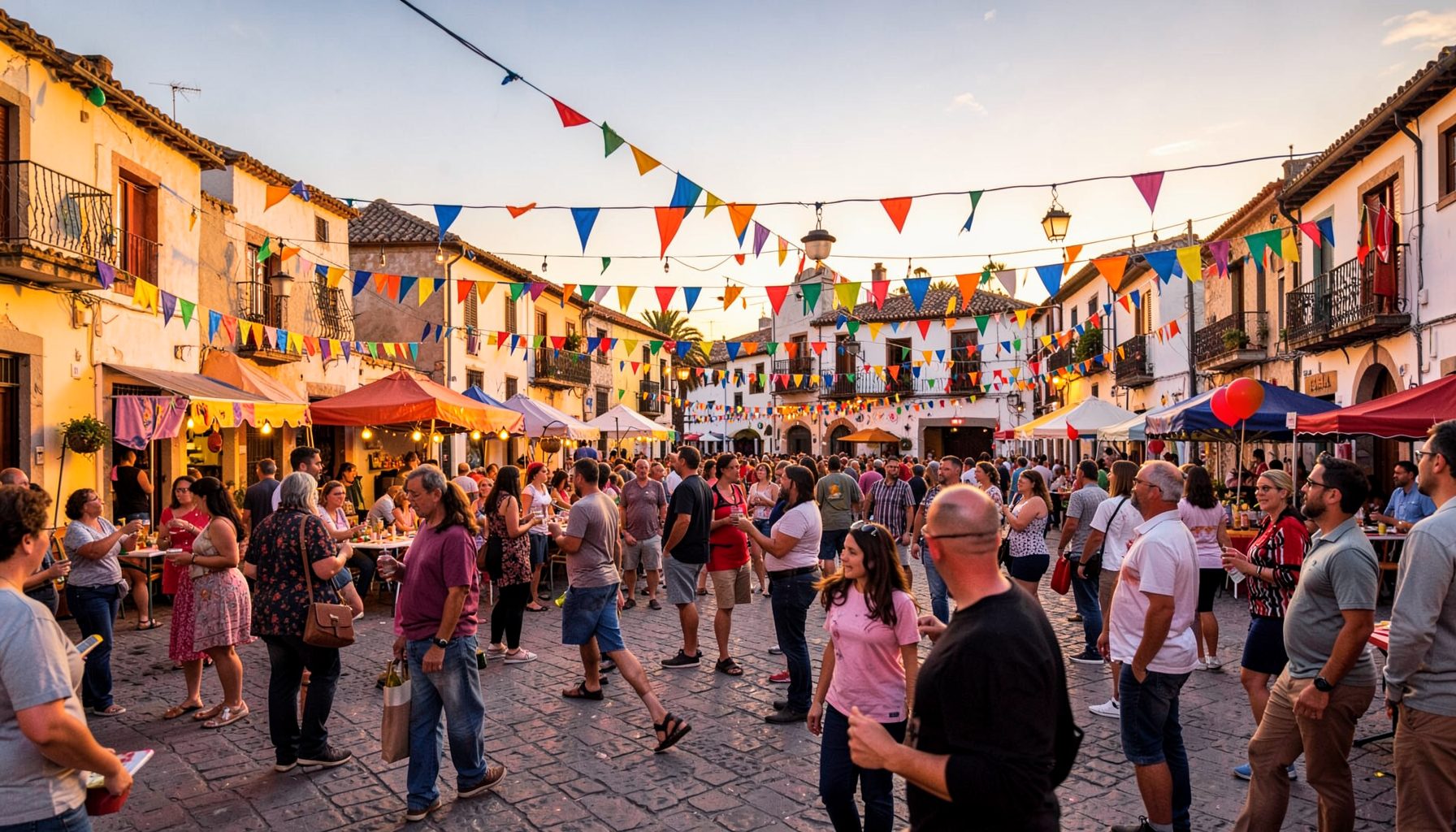
Join the conversation in the Agudo community forums. Access the Foro antiguo archive and participate in discussions with fellow residents and visitors.
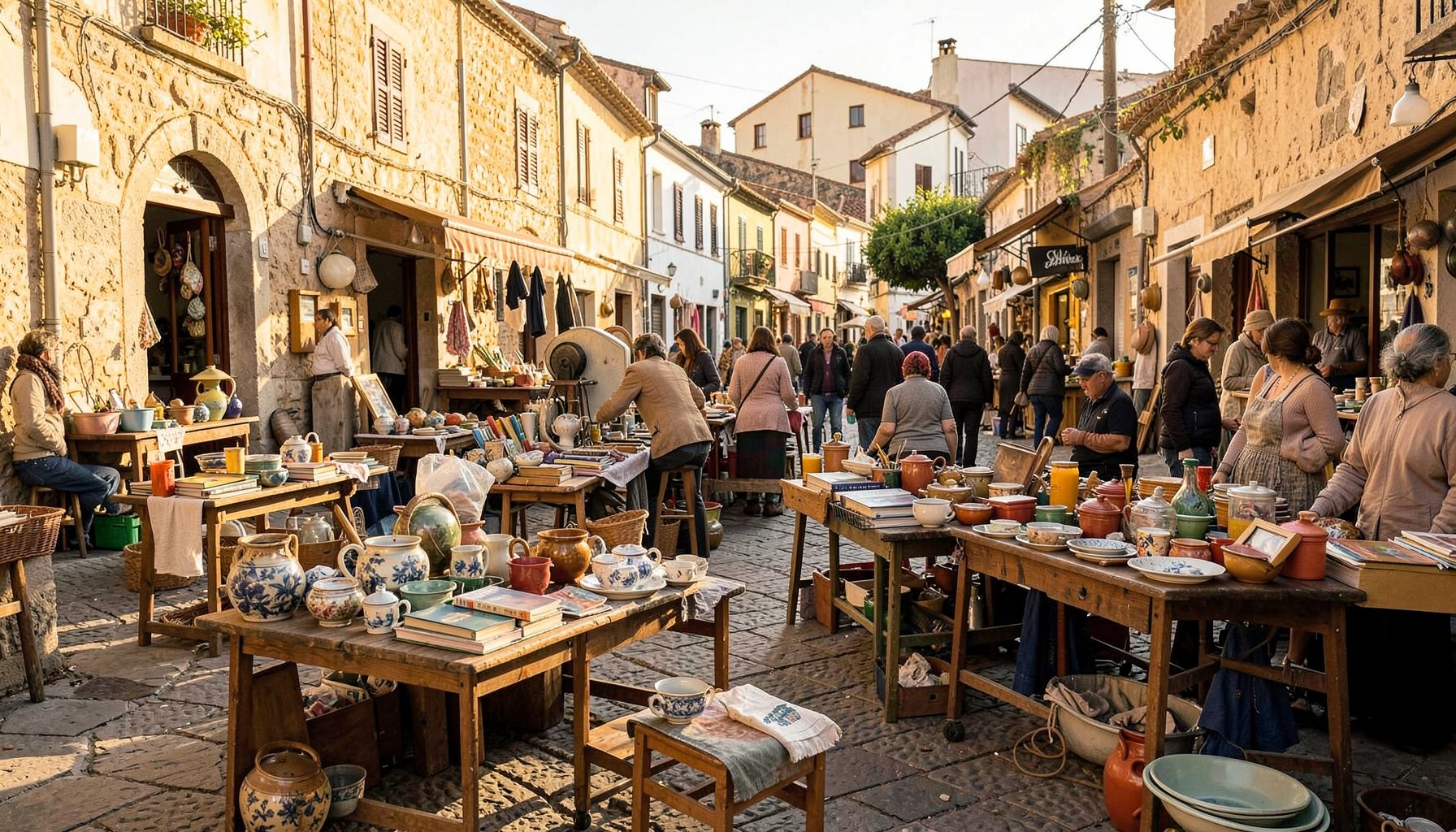
Browse local second-hand listings in the Agudo area. A convenient marketplace for buying and selling within the community.
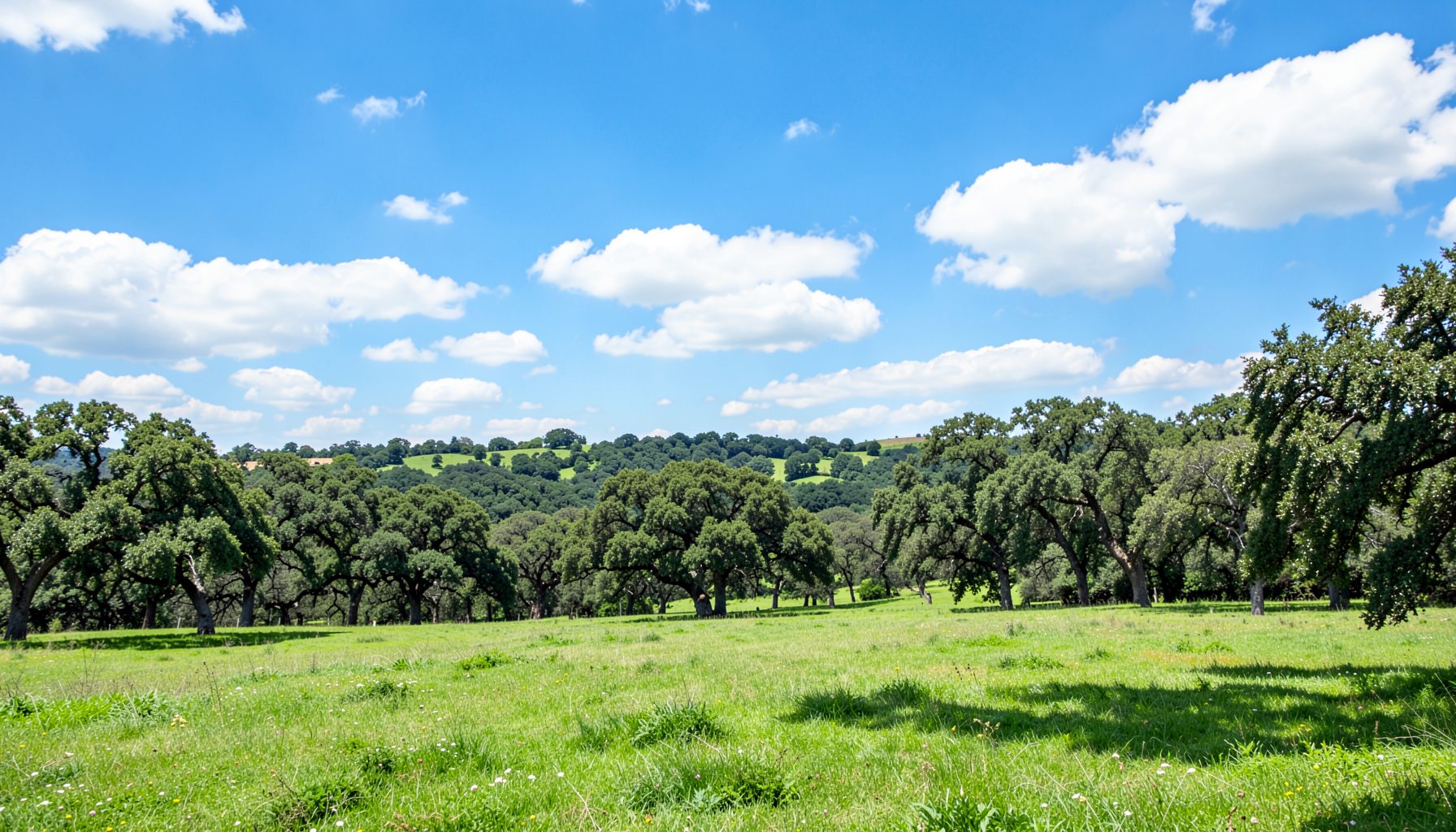
Explore our directory of recommended links, including the Ayuntamiento de Ciudad Real, Lagunas de Ruidera, Parque de Cabañeros, Agudo Joven, and Balneario Cervantes.
Access practical tools including Prensa links, radio, horóscopo, Loterías results, a leisure guide, recipes, a dictionary, and Street View integration.
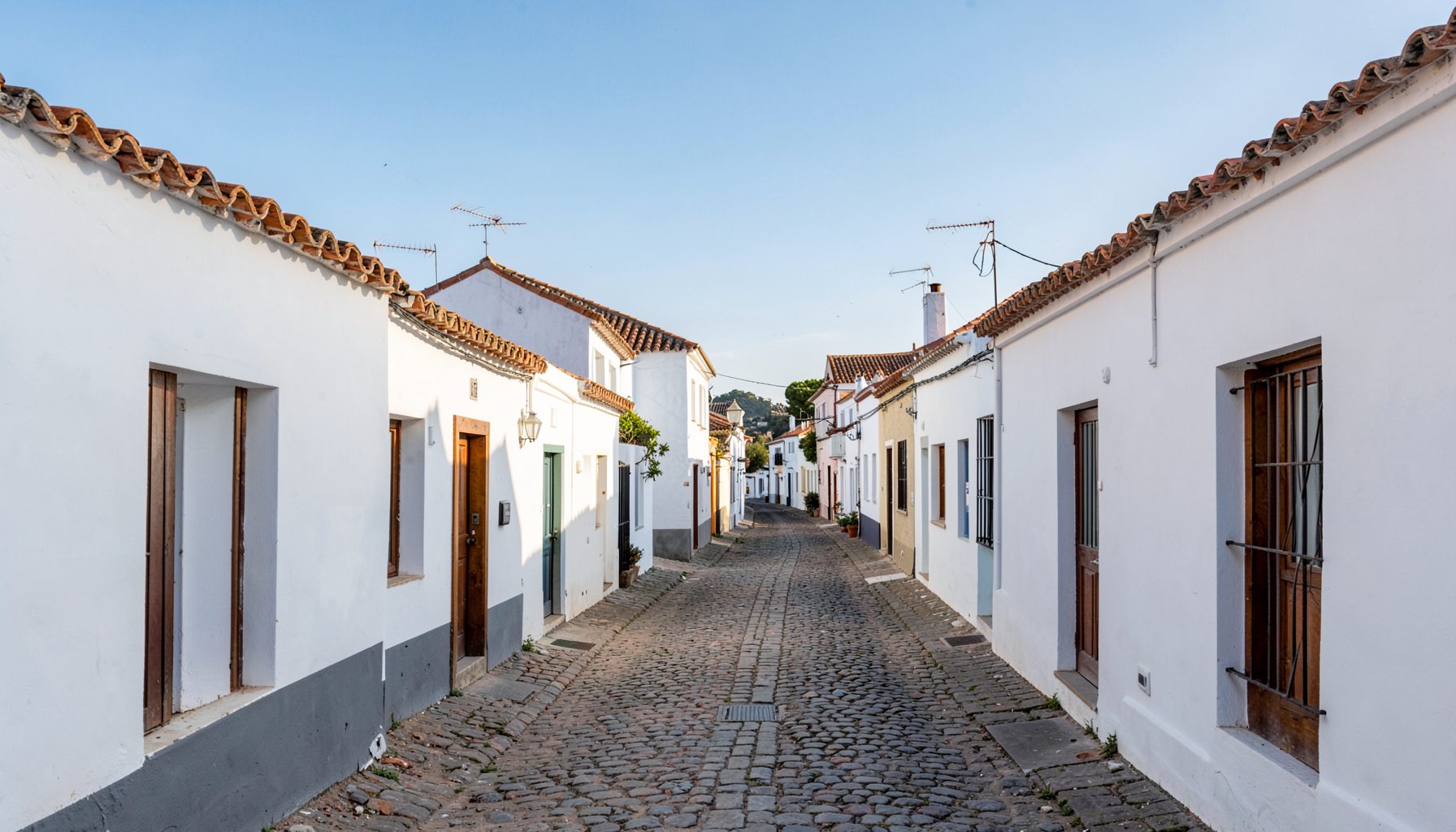
Watch videos showcasing Agudo and the surrounding region. A visual tour of local life, landscapes, and community events.