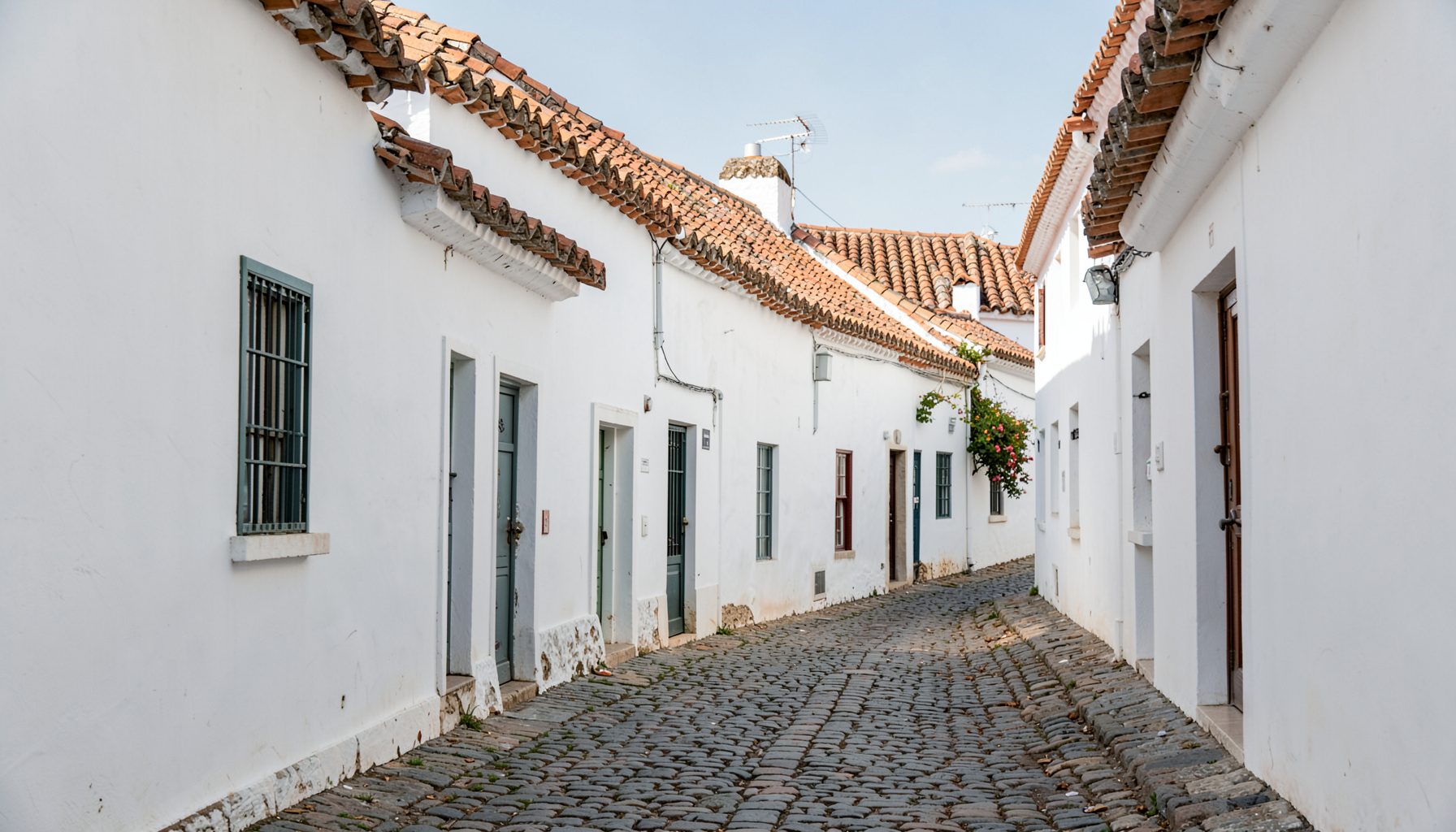
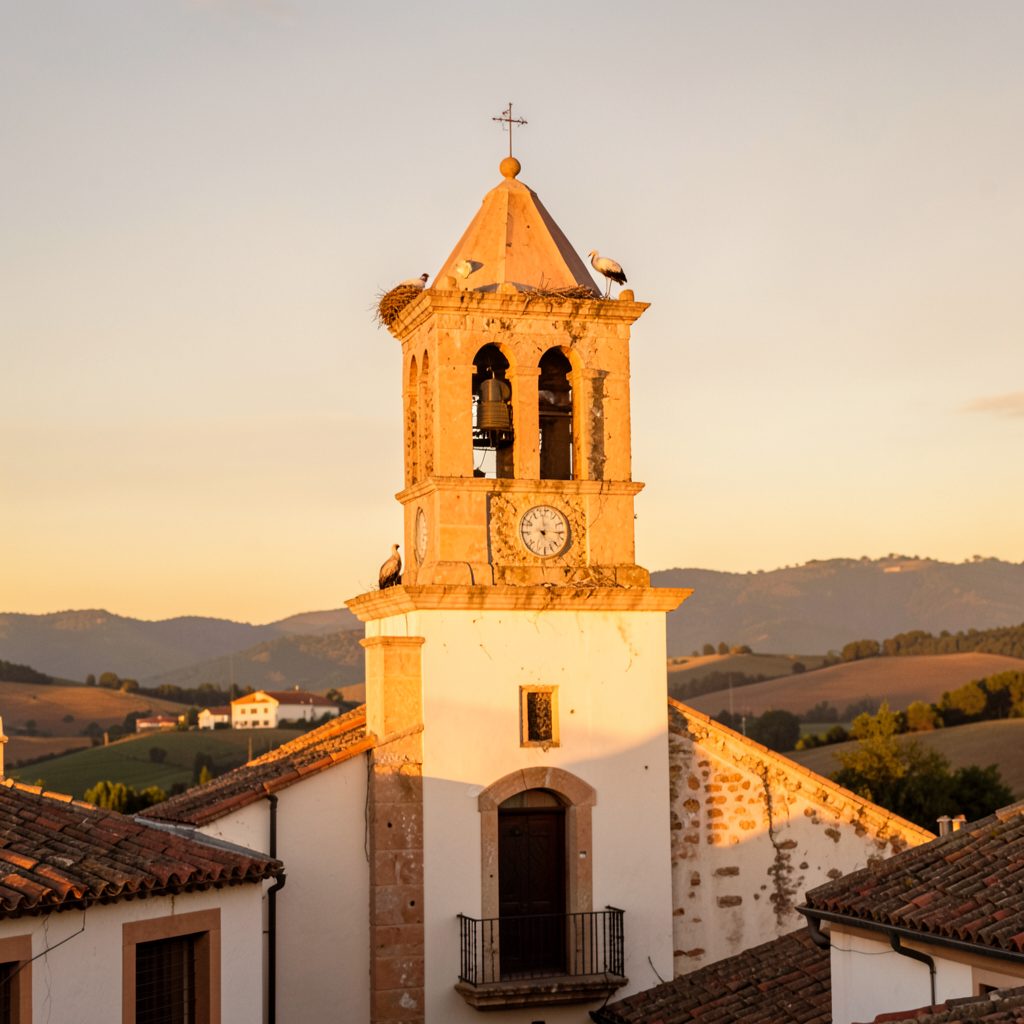

Stay informed with local news updates covering Agudo and the surrounding region. Browse the Hemeroteca for past articles and keep up with what matters in the community.
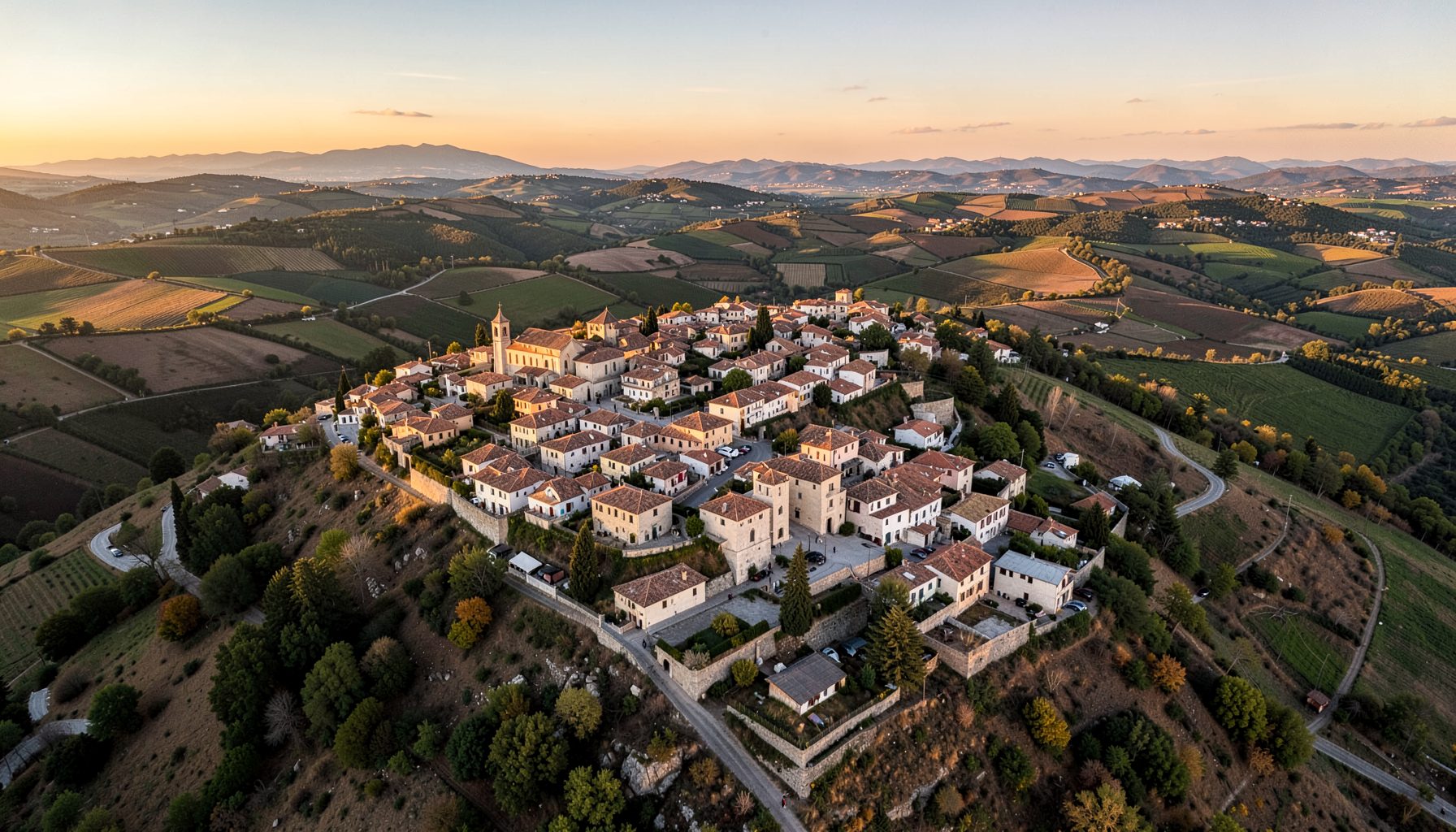
The philharmonic society of Agudo has opened its doors to a new generation of musicians, calling on boys and girls who play the flute, clarinet, oboe, bassoon or saxophone to take part in its youth training group. The invitation comes at a time when community bands across rural Spain are looking for ways to refresh their ranks and pass down local musical traditions to younger players. Families across the comarca are being encouraged to come along, listen to a short demonstration rehearsal, and ask questions about what daily practice involves.
Behind the scenes, the society has been quietly rebuilding its rehearsal space, refreshing chairs and music stands, and polishing instruments that have spent long winters in storage. The trainers point families towards the municipal music school in nearby Almadén for absolute beginners, where group lessons run during the autumn and spring terms. The overall aim is to create a feeder pipeline that will, within three or four seasons, supply a steady stream of confident players to the main concert band that performs at the summer fiestas and Christmas concerts.
What makes this moment unusual is the blend of formal recruitment and informal welcome. The philharmonic has published notices in the local school, on the town hall noticeboard, and on the digital archive of this portal, but it has also relied on word of mouth through parents who marched in the band themselves. Several of the current committee members learned their scales in the very same rehearsal room they now help to run, and they are keen to welcome back the children of former players.
| Stage | Who it is for | Weekly commitment | Repertoire focus | Cost to families |
|---|---|---|---|---|
| Taster sessions | Children aged 7 to 9 with no prior experience | One 45-minute visit | Rhythmic games, first sounds on a mouthpiece | Free |
| Junior ensemble | Players with six months of lessons | Two 60-minute rehearsals | Simple arrangements of regional pasodobles | Small term fee |
| Intermediate group | Players comfortable with key signatures | Two 90-minute rehearsals plus sectionals | Film scores, light classical, folk dances | Small term fee |
| Senior band | Confident readers with two or more years of playing | Three rehearsals and occasional Sunday performances | Full concert programmes | Annual subscription |
The pathway is designed to feel gradual, not competitive, so that a child who picks up a clarinet at the start of one autumn term can realistically be playing alongside adults at the open-air concerts two summers later. Trainers stress that moving between groups is based on readiness rather than age, which removes a common source of pressure on families used to year-based school cohorts.
The training group is open to all the standard concert-band woodwinds, although some families may not realise how varied the family actually is. Flutes form the bright upper line that carries many melodies, and the flute section is usually the largest because the instrument is relatively inexpensive and easy to transport. Clarinets, in B flat and occasionally A, are the workhorses of the ensemble, often taking both melody and harmony duties. The oboe brings a penetrating, slightly plaintive tone that is harder to master but indispensable in classical arrangements.
Saxophones are an interesting case. Strictly speaking they are woodwinds, even though they are made of brass, and the soprano, alto, tenor and baritone sizes each contribute a different colour to the band. Bassoons, while less common in youth ensembles, are highly prized by conductors because skilled players are so rare. For Agudo's group, the committee has hinted that it would particularly like to hear from families who already own a saxophone or a bassoon gathering dust in a wardrobe, because those instruments can be put to work straight away without a large purchase.
Rehearsals take place in the band room behind the old market hall, a space that smells faintly of rosin and old coffee. The junior group meets on Tuesdays just after school lets out, while the intermediate and senior ensembles share the room on Thursday evenings. Each session opens with collective warm-ups, breathing exercises drawn from the traditions of military and civic bands, and then breaks into smaller sectional practice where older players mentor the newer ones.
Section leaders are drawn from the senior band members, many of whom went through the same training pathway when they were young. They give one-to-one tips on embouchure, fingering, and how to count rests without losing the pulse of the piece. Parents who stay to watch are often surprised at how disciplined the room becomes within minutes of the conductor raising a hand, and at how quickly a hesitant young player begins to find their place in the texture of the music.
The philharmonic sits at the heart of village life in Agudo, and its training group is treated as much as a social project as a musical one. Children who might otherwise spend their evenings in front of a screen find themselves forming friendships across year groups, going to the same summer concerts, and travelling together to regional band festivals in Castilla-La Mancha. The friendships made in the rehearsal room often outlast the children's time in the band itself.
The same spirit was visible in the recent effort when volunteers paint the benches and railings of the promenade for the summer season, a morning when parents and pensioners worked side by side on the riverside walk. The committee hopes that the new training intake will produce a similar blend of ages and backgrounds, because bands that mix generations tend to last longer and to weather the inevitable turnover of small-town life.
For readers in Australia, the parallels with community brass and concert bands are striking. Towns such as Ballarat in Victoria, Ipswich in Queensland, and Port Augusta in South Australia all run community bands that recruit young woodwind players through similar low-pressure pathways, often using instruments donated by retiring musicians. The Australian National Association of School Music has long argued that ensemble playing develops skills that complement classroom learning, and state-based working-with-children checks have made it routine for adult volunteers to supervise rehearsals in the same way they coach junior football on a Saturday morning.
Many Australian families will recognise the logistics too: ferrying a child to a rehearsal on a cold weeknight, packing a music stand into the car, and negotiating practice time against homework and weekend sport. The cost-of-living pressures on Australian households in 2025 have pushed many parents in Sydney and Melbourne to look for low-cost extracurriculars, and a community band with a small term fee often compares favourably with private music tuition. The Agudo model, with its emphasis on shared instruments and peer mentoring, offers a familiar template for small communities looking to keep music alive.
Anyone interested is asked to contact the secretary of the philharmonic through the contact form on this portal, or to drop into the band room on a Tuesday afternoon during term time. There is no audition in the strict sense, although trainers will ask a child to play a short scale and a few bars of a simple piece so they can be placed in the right group. Beginners without an instrument can borrow one from the society's pool, provided they commit to regular attendance.
Parents who play an instrument themselves are warmly welcomed, and the committee is also looking for adults who can help with administration, instrument repair, or simply driving younger members to weekend events. Anyone who has ever wondered what their old flute is worth, or whether the clarinet in the attic still works, is encouraged to bring it along. The society has a small repair budget and an experienced technician who can coax surprisingly good sounds out of neglected instruments.
The philharmonic's invitation will stay open through the autumn, and the first public performance of the new training group is scheduled for the patron saint festivities in late September. Anyone who has been thinking about picking up an instrument again, or who knows a child who lights up at the sound of a marching band, can find more details on the society's page within the Agudo Ciudad Real archive. Drop in, ask questions, and let the rehearsal room do the rest of the convincing.
Stay informed with local news updates covering Agudo and the surrounding region. Browse the Hemeroteca for past articles and keep up with what matters in the community.
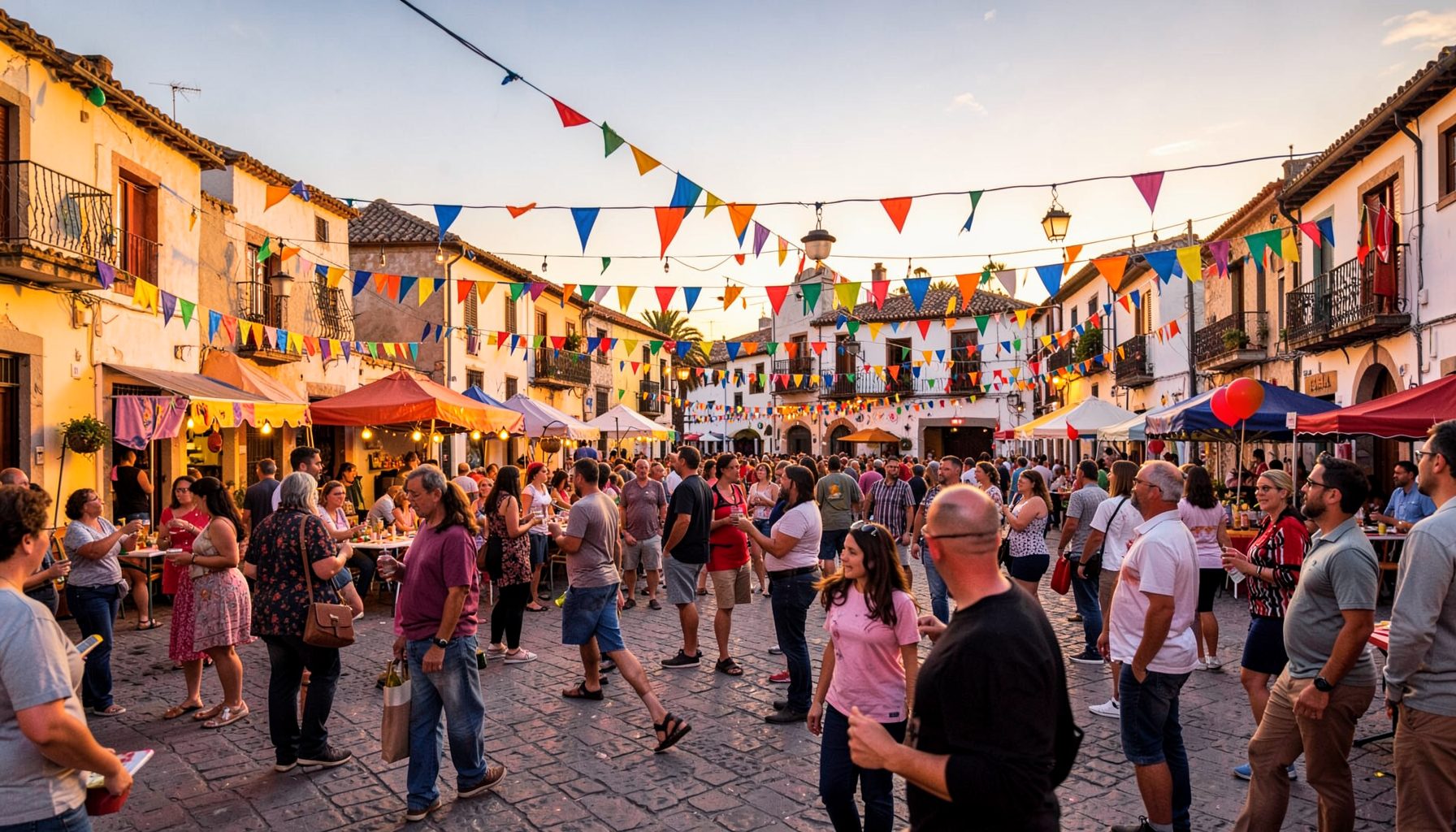
Join the conversation in the Agudo community forums. Access the Foro antiguo archive and participate in discussions with fellow residents and visitors.
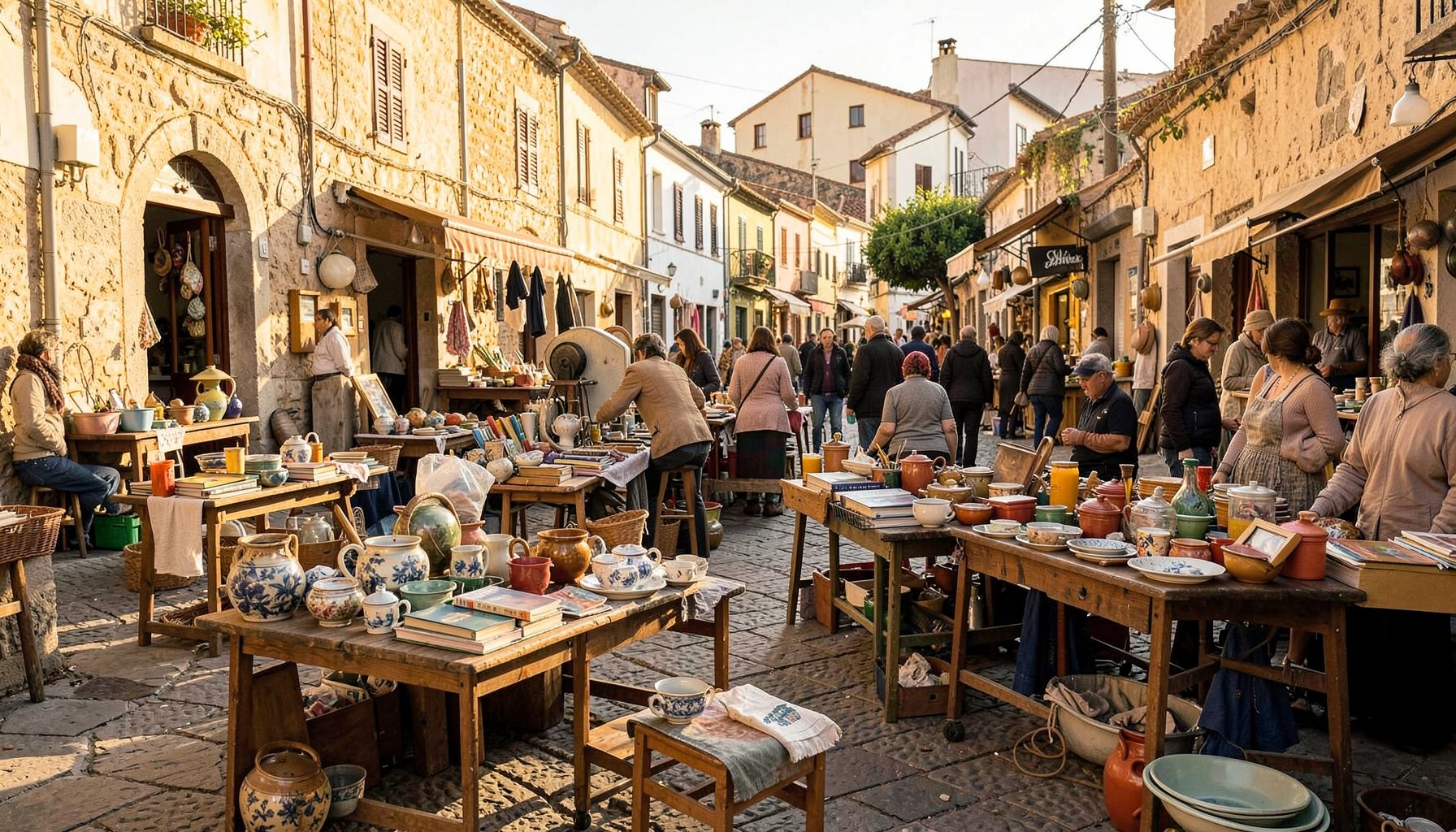
Browse local second-hand listings in the Agudo area. A convenient marketplace for buying and selling within the community.
Explore our directory of recommended links, including the Ayuntamiento de Ciudad Real, Lagunas de Ruidera, Parque de Cabañeros, Agudo Joven, and Balneario Cervantes.
Access practical tools including Prensa links, radio, horóscopo, Loterías results, a leisure guide, recipes, a dictionary, and Street View integration.
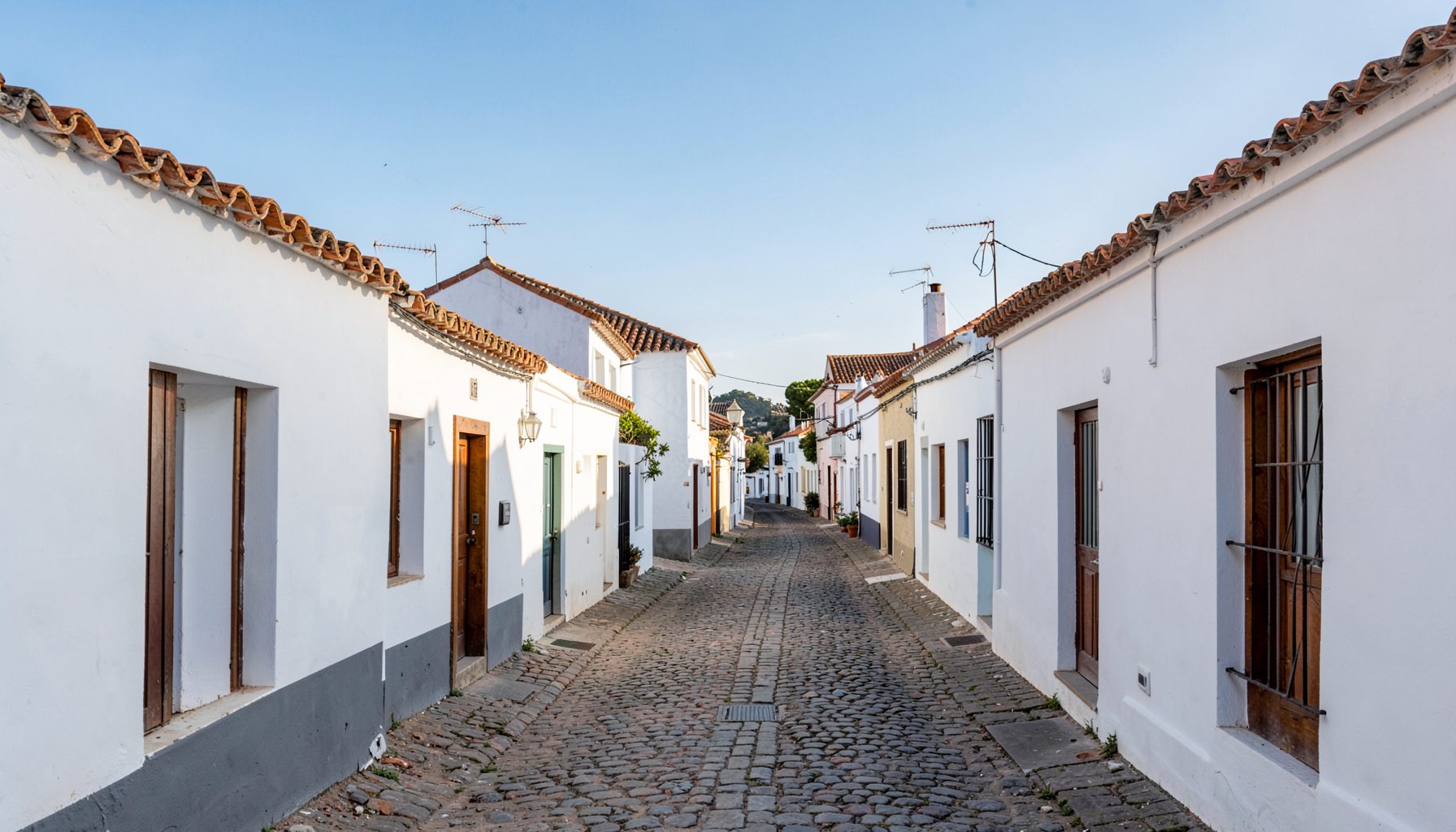
Watch videos showcasing Agudo and the surrounding region. A visual tour of local life, landscapes, and community events.