Stay informed with local news updates covering Agudo and the surrounding region. Browse the Hemeroteca for past articles and keep up with what matters in the community.
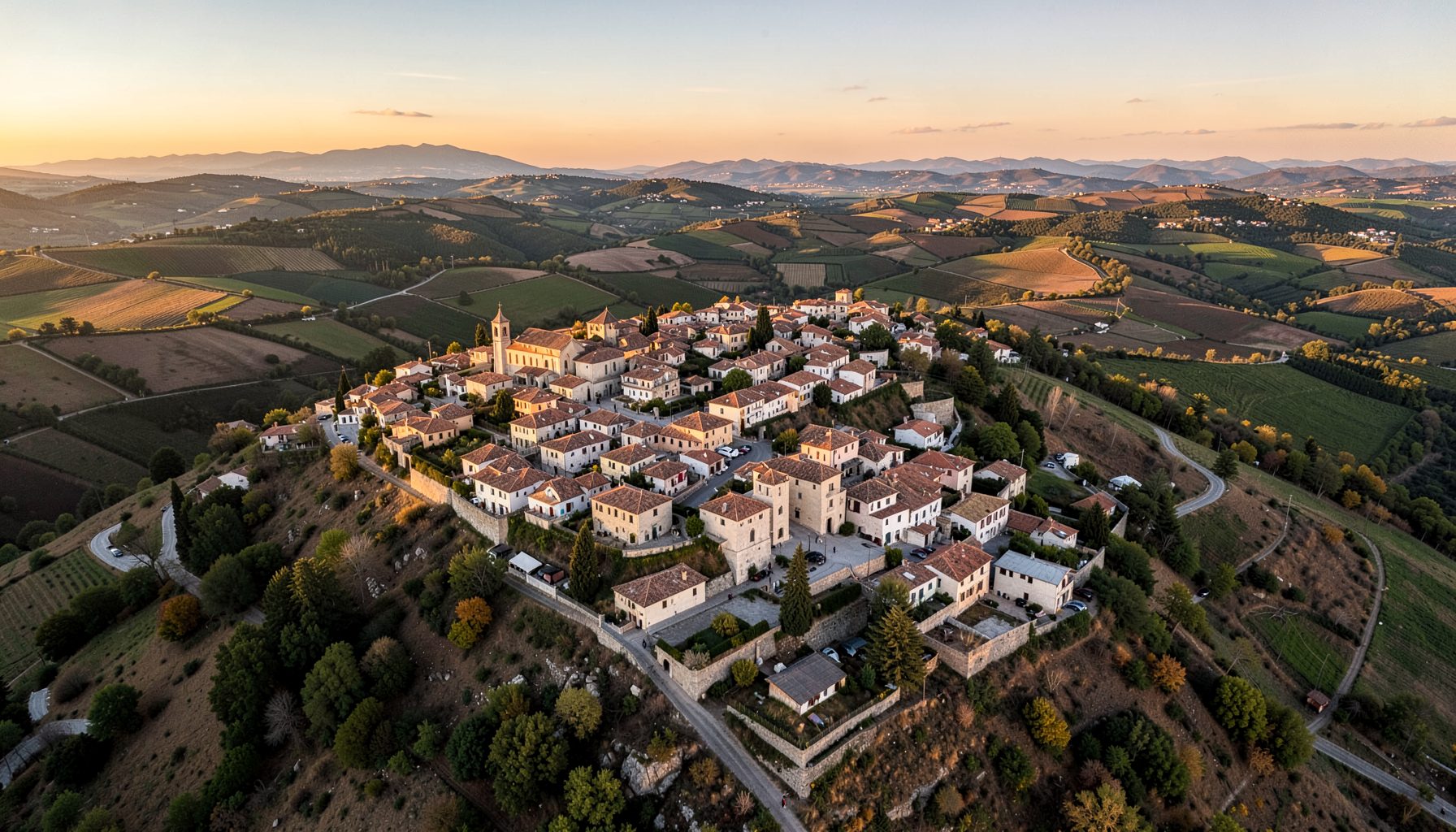
Agudo’s museum of rural life has received a meaningful donation of antique farming tools from a local family, adding practical objects and personal history to the town’s cultural record. The collection reflects the work, skill and patience once required to cultivate fields around Agudo, long before modern machinery changed the rhythm of agricultural life.
For residents, the arrival of these implements is more than an addition to a display case. Each hoe, plough component, sickle or hand tool can help explain how families worked the land, repaired equipment and passed knowledge between generations. Together, the objects offer a direct link to the rural traditions of Agudo and the wider Ciudad Real region.
The donation also gives former residents and visitors a reason to revisit familiar stories. Many families who moved to Madrid, Valencia or further afield still recognise the tools used by parents and grandparents. For Australian readers, the idea may feel familiar: regional museums from Bendigo to Toowoomba often preserve agricultural machinery as a record of changing communities and local livelihoods.
The museum’s growing collection can support school visits, oral-history projects and community events. It may also encourage other families to look through sheds, farm buildings and storage rooms for objects that deserve careful preservation rather than being discarded as obsolete equipment.
| Feature | Why it matters |
|---|---|
| Hand tools and implements | Show the physical work involved in traditional farming |
| Family donation | Connects the museum collection with local memory |
| Rural-life display | Helps visitors understand Agudo’s agricultural heritage |
| Educational value | Provides material for schools, researchers and guided tours |
| Community benefit | Encourages residents to share photographs, stories and objects |
The donated tools carry a value that goes beyond their age. Their worn handles, repaired edges and traces of use can reveal how intensively they served a household. Before agricultural work became increasingly mechanised, maintaining tools was part of everyday life, and a well-kept implement could remain useful across many seasons.
A local family’s decision to place these objects in the museum gives them a public future. Instead of remaining in a private storeroom, the tools can be viewed by neighbours, younger generations and visitors seeking a clearer picture of life in rural Spain. The donation also acknowledges the contribution of farming families whose work shaped Agudo’s economy and identity.
Objects such as these often prompt detailed memories. An older visitor may recognise a particular blade or describe how it was used during harvest. A child may learn why different tools were designed for pruning, digging, cutting or preparing the soil. Those conversations can turn a static exhibition into a living community archive.
Traditional implements were designed for specific tasks and conditions. A sickle was associated with cutting crops by hand, while hoes and mattocks helped prepare or maintain the soil. Wooden handles needed replacing, metal edges required sharpening, and farmers had to understand how each tool performed in dry ground, stubble or cultivated plots.
The collection can therefore help visitors follow the agricultural calendar. Preparing fields, planting, tending crops and gathering the harvest demanded different equipment and different forms of cooperation. The tools make those stages easier to imagine than written descriptions alone.
The display may be especially valuable for schools. Students can compare hand-powered equipment with tractors, harvesters and irrigation systems used today. They can also discuss how technological change affected labour, household routines and the size of rural communities.
A museum of rural life protects knowledge as carefully as it protects objects. Display labels can explain local names, materials and uses, while photographs can show similar tools in action. Short recordings of residents describing farm work would add voices and pronunciation that formal catalogues cannot capture.
Families with related objects may feel encouraged to contribute photographs or lend items for temporary exhibitions. Useful material could include handwritten farm records, old seed packets, workshop tools, account books and images of harvest gatherings. These pieces can provide context without requiring families to give up treasured possessions permanently.
For the museum, conservation will be important. Metal should be checked for corrosion, wood should be kept stable, and every item should be catalogued with its donor, estimated date and known history. Simple documentation now will make the collection more useful to researchers and future curators.
The new display belongs to Agudo, but its themes reach across rural regions. Australian visitors may recognise similar patterns in the agricultural museums of Ballarat, Wagga Wagga or the Riverina, where old machinery and hand tools explain how farming shaped local settlement. In both countries, regional collections help balance national history with the experiences of small towns and working families.
The museum can also connect the donation with existing community activity. Local forums, image archives and videos may help identify tools or locate people who remember them. A short interview with the donating family could record where the implements were used, who owned them and why they were kept for so long.
Community heritage is strongest when it includes many kinds of participation. Residents might contribute memories, teachers could prepare classroom activities, and local groups could organise demonstrations using safe replica equipment. Such events would give younger visitors a practical understanding of rural work without putting fragile originals at risk.
The town’s civic life already shows the value of participation, including the volunteer mediation initiative, which reflects how local knowledge and cooperation can support the community. The museum donation belongs to the same broader spirit of neighbours contributing to Agudo’s shared life.
A visit can appeal to people with different interests. History enthusiasts may focus on changing agricultural methods, families may enjoy the personal stories behind the objects, and photographers may find texture and detail in the tools themselves. Visitors travelling through Ciudad Real can combine the museum with a walk around Agudo and a look at local services and community spaces.
For Australians planning a cultural trip through Spain, a small-town museum offers a different experience from major attractions in Madrid or Barcelona. It provides a closer view of regional customs, family histories and the practical work that sustained communities. The setting may be particularly appealing to travellers accustomed to country shows, farmers markets and local heritage centres.
Visitors can look for details that make the collection easier to understand:
The museum may also become part of a broader day out. A visit could coincide with a market, a cultural activity or a sporting event, giving travellers a fuller sense of how Agudo functions today. The community calendar, rather than a single attraction, often provides the best picture of local life.
The donation arrives at a time when local institutions can use digital tools to reach people beyond the town. Clear photographs, short videos and translated summaries could help former residents and overseas visitors explore the collection before travelling. Digital records would also protect access if an object needs to be removed temporarily for conservation.
There is room for creative programming around the tools. A seasonal exhibition could focus on harvest traditions, while a workshop might explain how handles were made or how metal tools were maintained. Any demonstration should use suitable modern replicas or non-fragile examples, preserving the donated objects while keeping the experience engaging.
Agudo’s community calendar can strengthen these efforts. The town’s regional chess tournament shows how an event can bring residents and visitors together around a shared interest. Cultural programming around the museum could create a similar meeting point for families, schools and visitors interested in rural heritage.
The antique farming tools now have a new role: they can connect generations, encourage local research and give visitors a tangible understanding of Agudo’s past. Residents and former residents can help extend that story by sharing photographs, memories or information about similar objects with the museum and the Agudo Ciudad Real community portal.
Stay informed with local news updates covering Agudo and the surrounding region. Browse the Hemeroteca for past articles and keep up with what matters in the community.
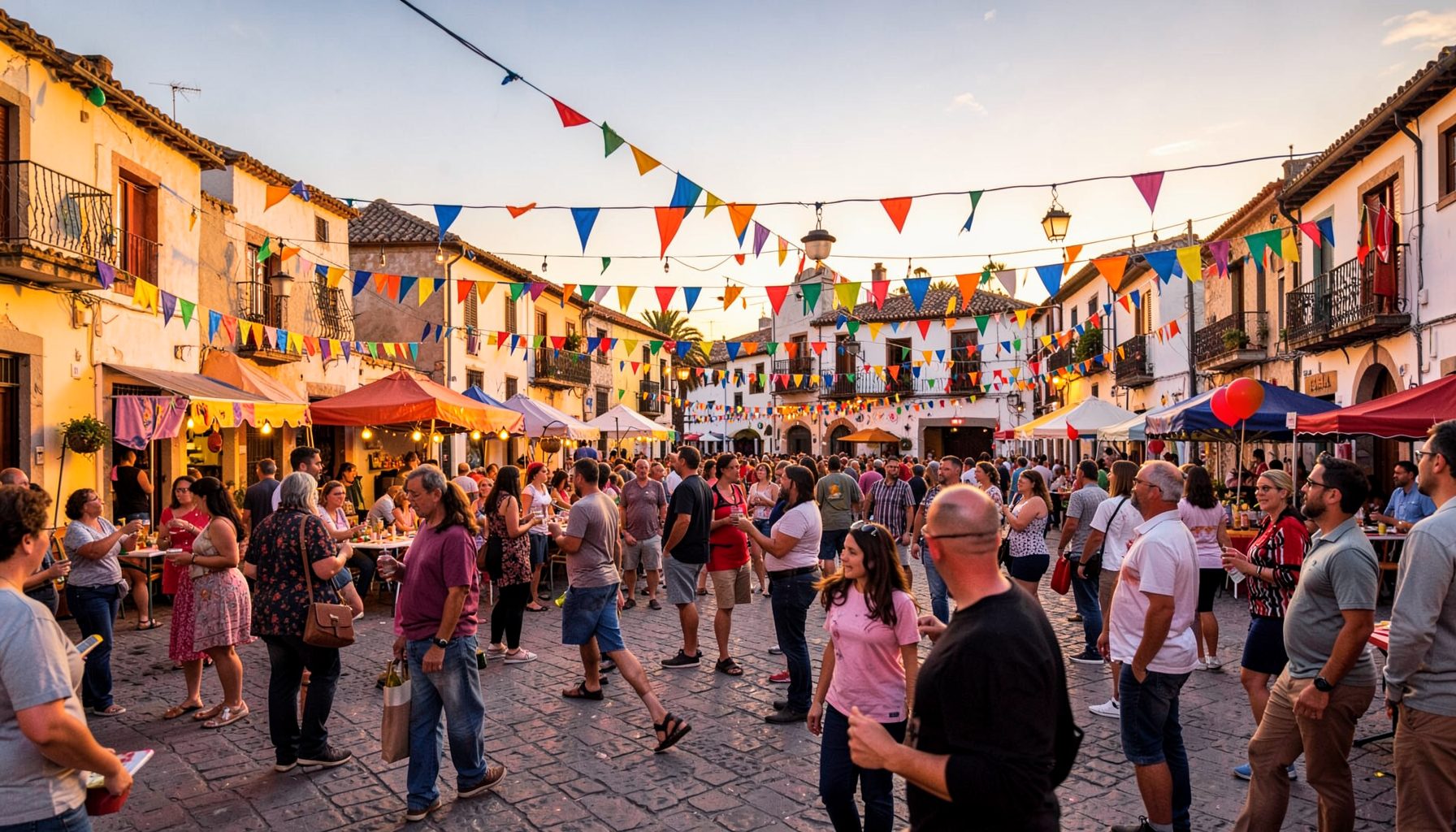
Join the conversation in the Agudo community forums. Access the Foro antiguo archive and participate in discussions with fellow residents and visitors.
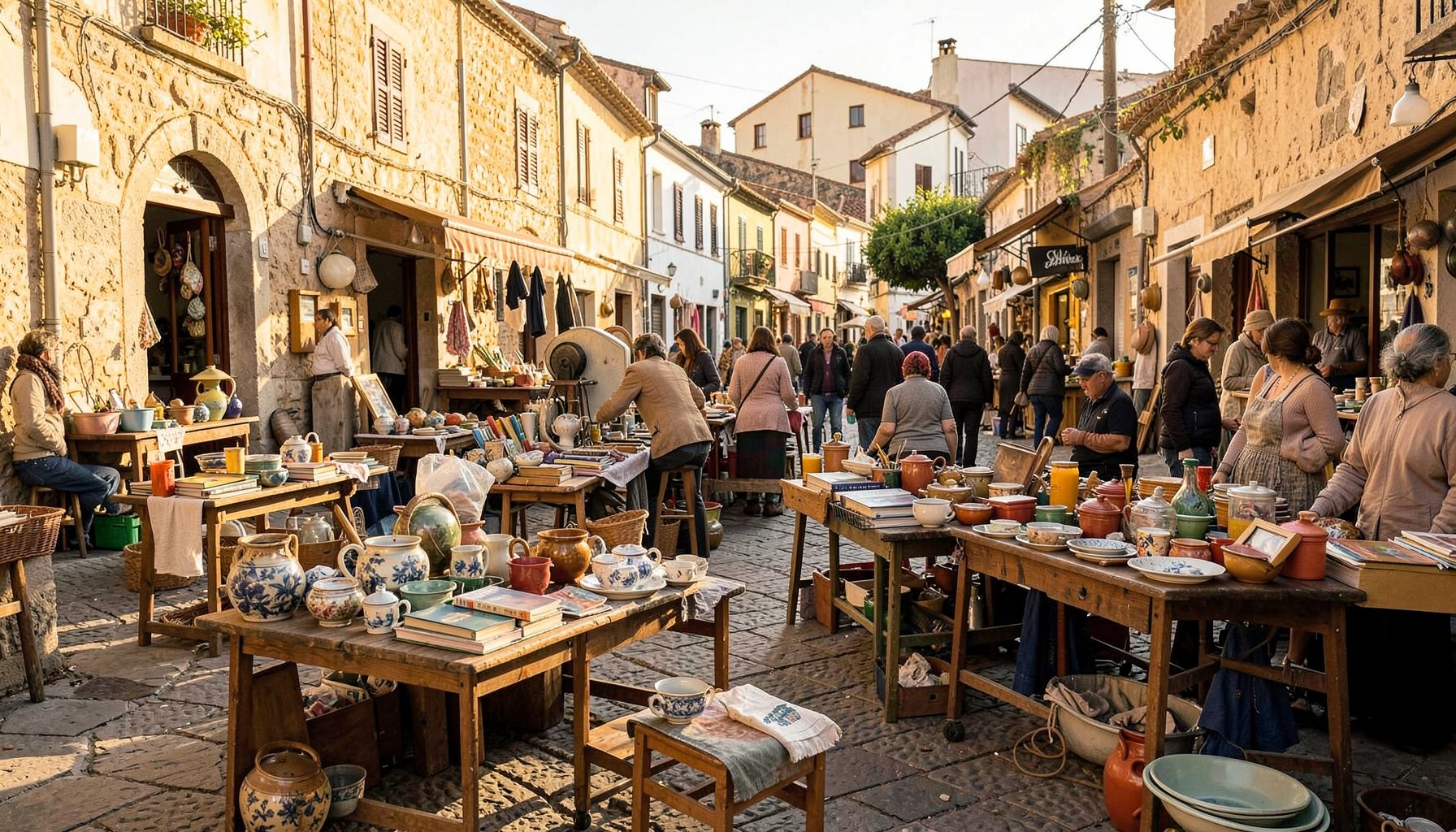
Browse local second-hand listings in the Agudo area. A convenient marketplace for buying and selling within the community.
Explore our directory of recommended links, including the Ayuntamiento de Ciudad Real, Lagunas de Ruidera, Parque de Cabañeros, Agudo Joven, and Balneario Cervantes.
Access practical tools including Prensa links, radio, horóscopo, Loterías results, a leisure guide, recipes, a dictionary, and Street View integration.
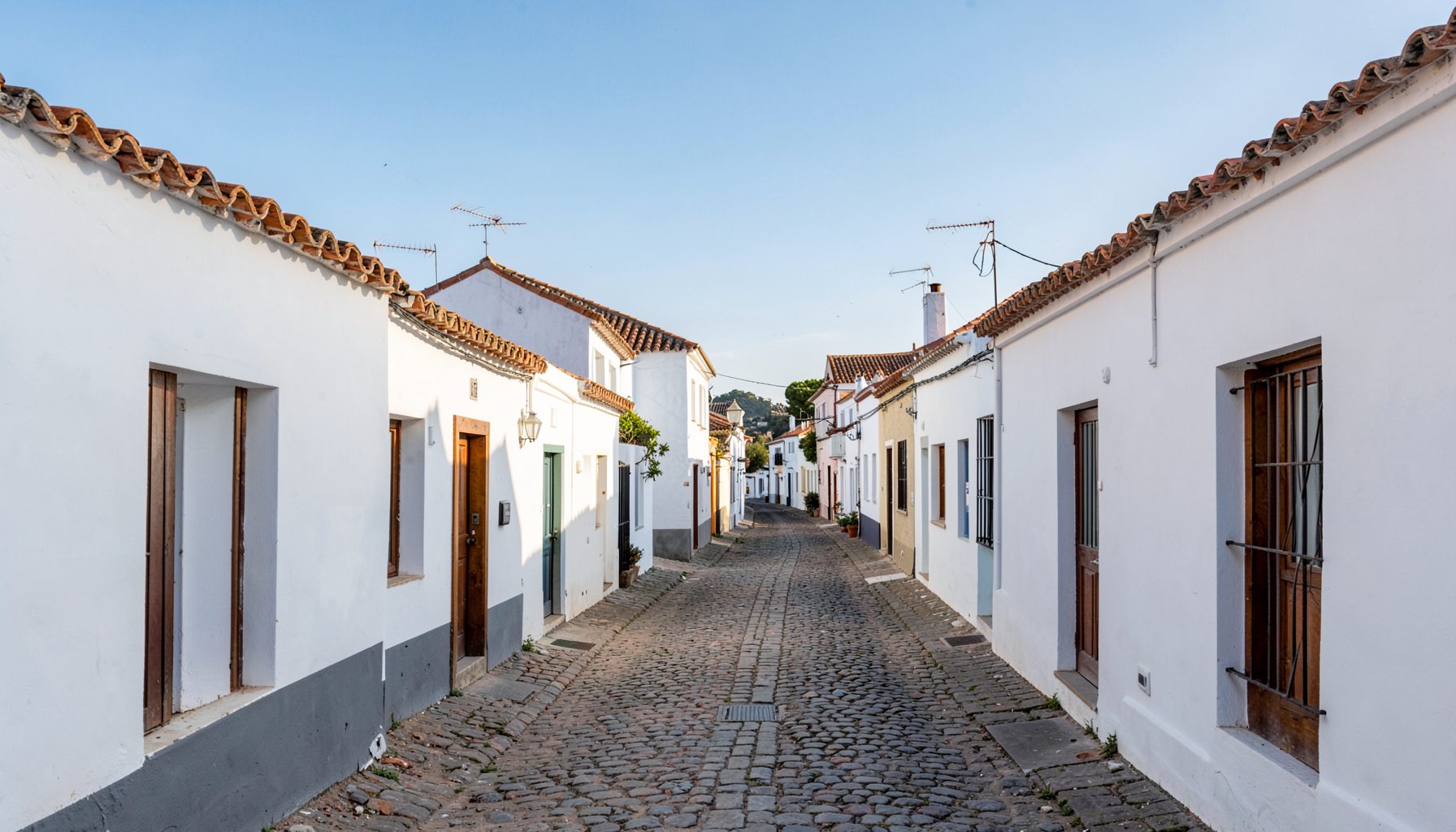
Watch videos showcasing Agudo and the surrounding region. A visual tour of local life, landscapes, and community events.