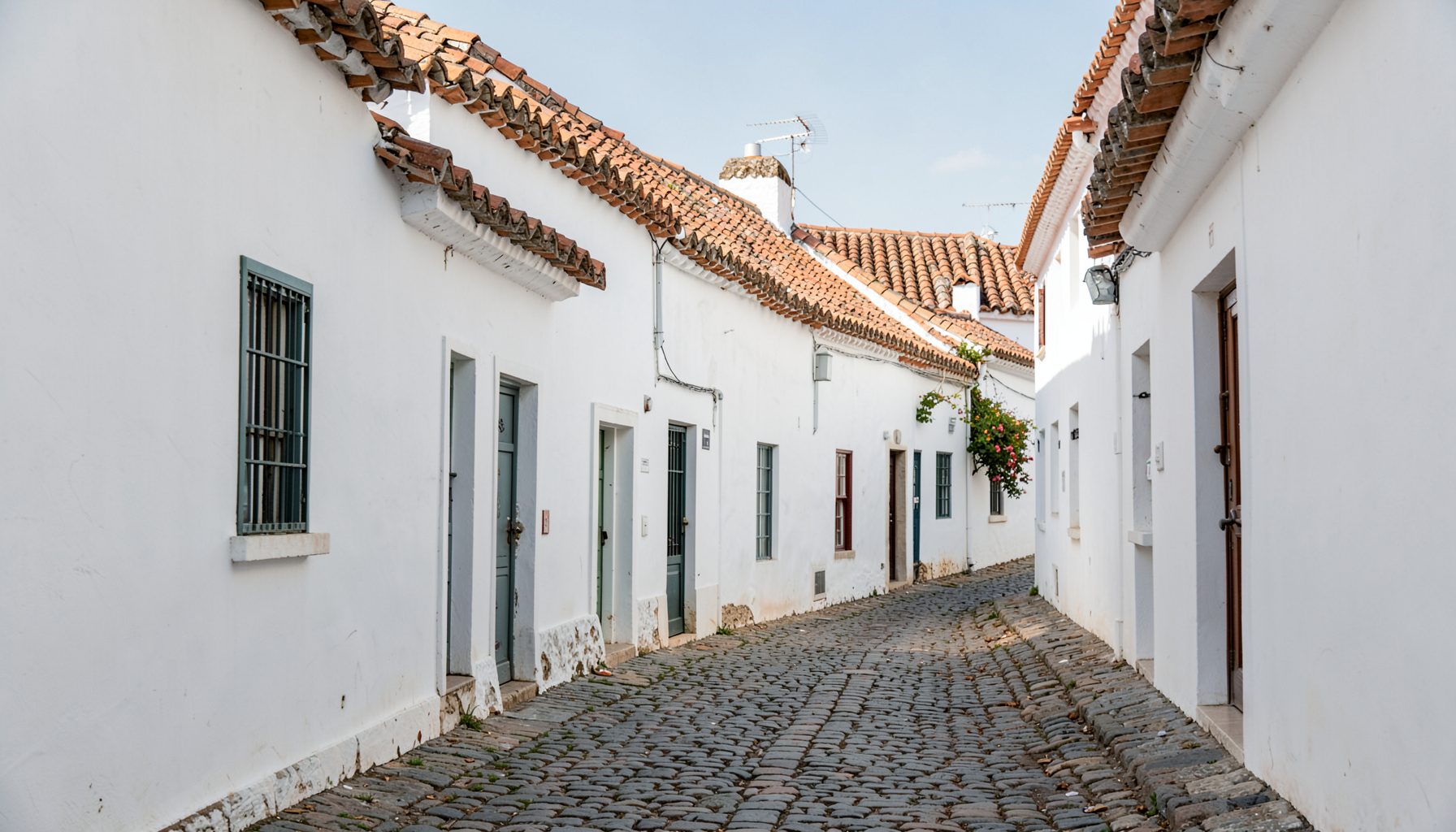


Stay informed with local news updates covering Agudo and the surrounding region. Browse the Hemeroteca for past articles and keep up with what matters in the community.
The pitches next to the municipal pool in Agudo are busier than anyone in the local federation remembers. Children in matching kits dart between cones while parents shift folding chairs along the touchline, and a hand-painted banner flutters in the wind above the only covered stand. This season the town's football school has expanded from a handful of youth teams to more than double that number, and coordinators are now scrambling to find qualified adults willing to take charge of the new squads before matchdays begin.
Across the world, community football faces a similar squeeze. In Brisbane, Melbourne and Perth, junior clubs have spent recent years courting volunteers as registration lists have grown and parents juggle shift work in mining towns, hospitals and hospitality venues. The pattern in rural Spain looks different on paper, yet the underlying problem is identical: a generation of children eager to play, and a thin pool of trained adults able to guide them. That is the situation now unfolding in Agudo, where coordinators have turned to the wider public for help.
Until last season the Agudo football school organised its youngest players into three age-group squads that trained twice a week on the artificial pitch behind the sports pavilion. According to figures from the most recent parents' meeting, enrolment for the current campaign has reached seven teams, covering children from pre-benjamín age through to under-thirteen. Two of those squads are entirely new, formed after a flood of requests arrived over the summer.
Coaches describe training nights as joyful chaos. Cones are dragged from the council storeroom, parents are roped into holding bibs during drills, and the goalkeeper gloves donated last year are already wearing thin. The school has kept training fees modest by sharing facilities with the senior club, but each squad adds fresh costs for balls, first-aid supplies and the small travel stipends that help assistants reach outlying villages. Local shops have noticed the change, from the sports shop on Calle Arenal to the bakery near the plaza, which now sets aside extra snack packs for the morning rush.
Several overlapping reasons explain the surge. Coordinators point to a renewed appetite for outdoor activity after long stretches indoors, alongside the growing influence of LaLiga broadcasts that have made professional footballers household names even in the smallest villages of Castilla-La Mancha. Schoolteachers in Agudo have also noticed that families want structured after-school options that keep children off screens during the long hours between the school bell and parents finishing work in the fields, the cooperative, or the regional hospital in Puertollano. The municipal biblioteca has joined that effort by installing a children's book exchange shelf in the reading room, a small gesture that pairs neatly with the football school's expansion.
A generational shift is also at work. Parents who once left for the city in their twenties are returning to the pueblo with young children, hoping to offer them the stable community life they remember. Many of those returning families have played in amateur leagues themselves and want their sons and daughters to enjoy the same opportunity. Girls' participation has grown noticeably, with one of the new squads open to mixed registration for the first time in the school's history.
The dynamic feels familiar to anyone who watches junior sport in Australia. In the western suburbs of Melbourne, the Hills District of Adelaide and along the riverside ovals of Brisbane, clubs have reported record pre-season sign-ups as parents search for affordable, structured activities. Whether the backdrop is the Sierra Morena or the Yarra Ranges, the appeal is the same: a team that fits around school, does not demand a long drive, and lets children belong to something larger than themselves.
For every new squad the school launches, it ideally needs at least one head coach and one reliable assistant. With four extra teams this season, that is roughly eight extra adults required to give the children the attention and safety standards the federation expects. The club president, speaking at a recent assembly in the Centro Social, conceded that only three of those eight positions are currently filled, and the training calendar is already printed.
The main barrier is time. Many adults in Agudo work in seasonal agriculture, at the local cheese factory, or commute to construction sites in Ciudad Real. Weekday evenings and Saturday mornings, the only practical training windows, are exactly when those workers are either still on the job or resting before another shift. Regional coaching certificates offered through the Federación de Castilla-La Mancha are short, but even those few weekends of coursework can be difficult for parents without flexible employment.
A similar tension exists in Australian community sport, where Auskick and MiniRoos programmes in Sydney's north shore or Hobart's eastern shore depend on parent volunteers who often burn out after a season. Clubs in Darwin have responded by paying small honorariums, while some Brisbane associations have introduced job-share arrangements so two parents share one role across a week. The Agudo board has begun studying these models and plans to visit two sister clubs in the Valencia region this autumn.
Australian volunteer clubs have spent decades refining the small things that keep a parent-coach in the job, and several of their habits translate well to a Castilian village:
Cultural touches matter too. The Bunnings sausage sizzle, an almost sacred Australian fundraising ritual, has raised millions for junior clubs from Cairns to Geelong, and a similar event could fund a season's worth of equipment in Agudo. In Adelaide, parent-run canteens share profits between the club and the host school, a model that could easily fit the local CEIP Virgen de la Blanca. Small touches, such as naming games after local streets, help children feel the club is theirs.
The football school is asking anyone connected to the village, or simply moved by the story, to consider one of these steps:
No prior experience is required. The federation runs short introductory courses each season, and current coaches are happy to mentor newcomers through their first sessions. Many parents discover that time on the training pitch becomes some of the most rewarding hours of their week, a finding echoed by volunteer coaches from Launceston to Liverpool in suburban Sydney.
| Area | Current situation | Target by season end |
|---|---|---|
| Youth squads | 7 | 7 |
| Qualified head coaches | 3 | 7 |
| Assistant coaches | 4 | 7 |
| Average training nights per coach | 4 | 2 to 3 |
| Girls' teams | 1 mixed squad | 2 dedicated squads |
| Equipment budget | €1,200 | €2,800 |
The board's longer-term ambition is to put Agudo on the regional map as a model for small-town youth development. Talks are underway with the regional ministry of education about integrating football modules into the primary school timetable, and a small grant has been secured to refurbish the floodlights. Coaches who come on board this season will help a generation of children learn to love the game and shape the kind of club Agudo becomes over the next decade.
Anyone with a few hours to spare or a desire to see the town's children thrive is invited to step forward. Drop into the Centro Social on Thursday evenings, message the club's social pages, or reach out through the portal that hosts so much of village life. The training pitch behind the pavilion is waiting, the bibs freshly washed, and the youngest members of the football school ready to run.
Stay informed with local news updates covering Agudo and the surrounding region. Browse the Hemeroteca for past articles and keep up with what matters in the community.
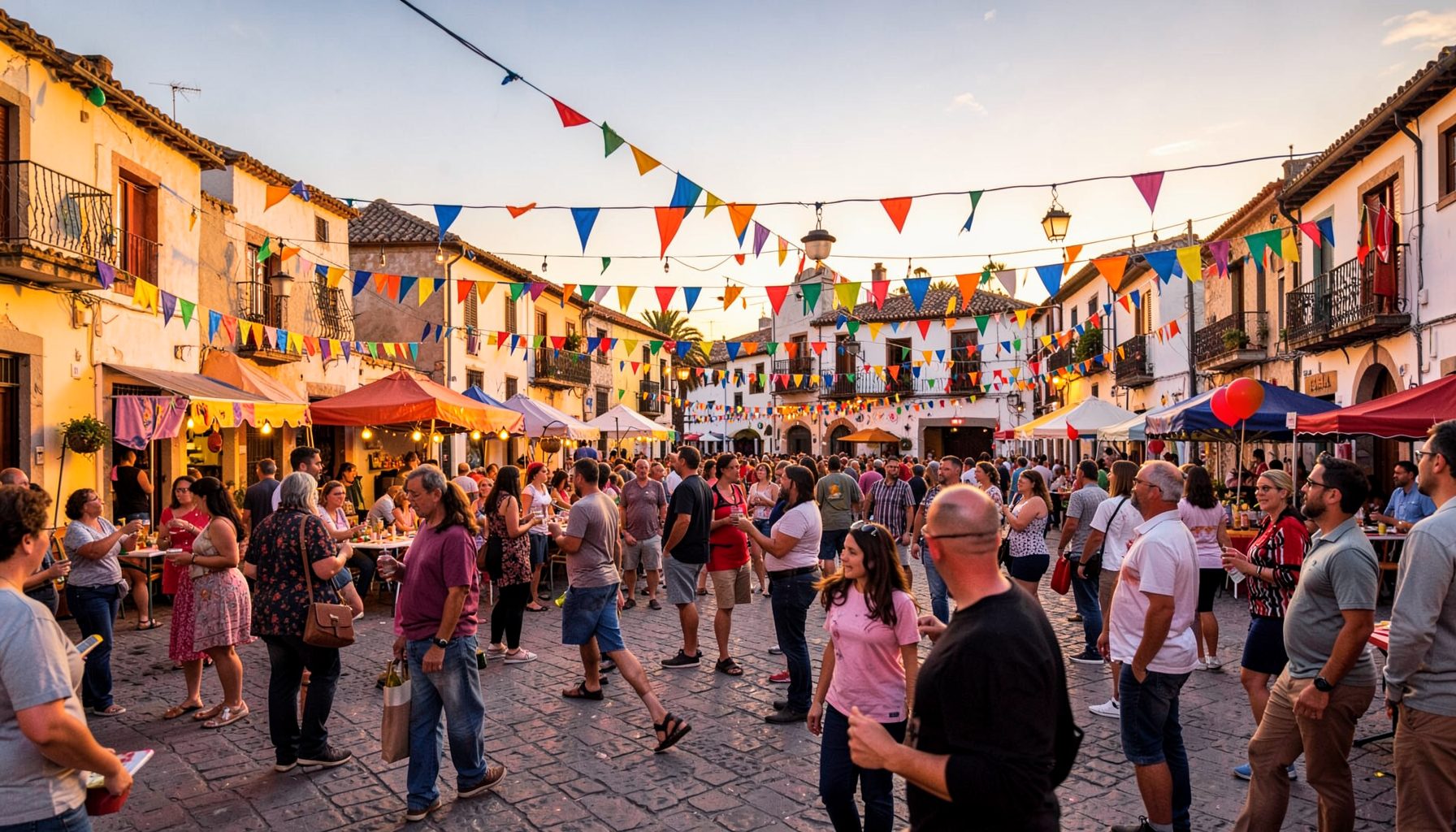
Join the conversation in the Agudo community forums. Access the Foro antiguo archive and participate in discussions with fellow residents and visitors.
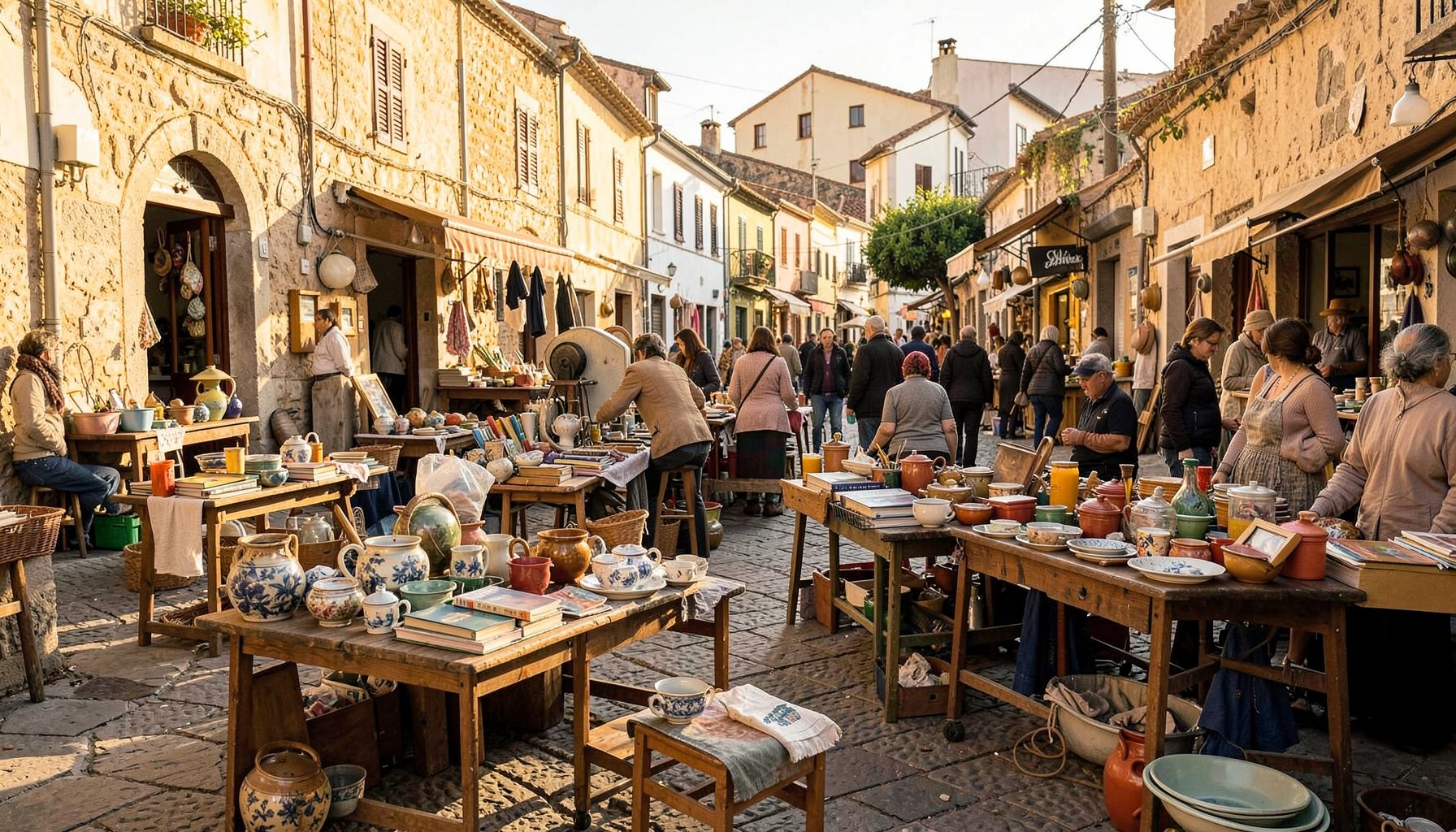
Browse local second-hand listings in the Agudo area. A convenient marketplace for buying and selling within the community.
Explore our directory of recommended links, including the Ayuntamiento de Ciudad Real, Lagunas de Ruidera, Parque de Cabañeros, Agudo Joven, and Balneario Cervantes.
Access practical tools including Prensa links, radio, horóscopo, Loterías results, a leisure guide, recipes, a dictionary, and Street View integration.
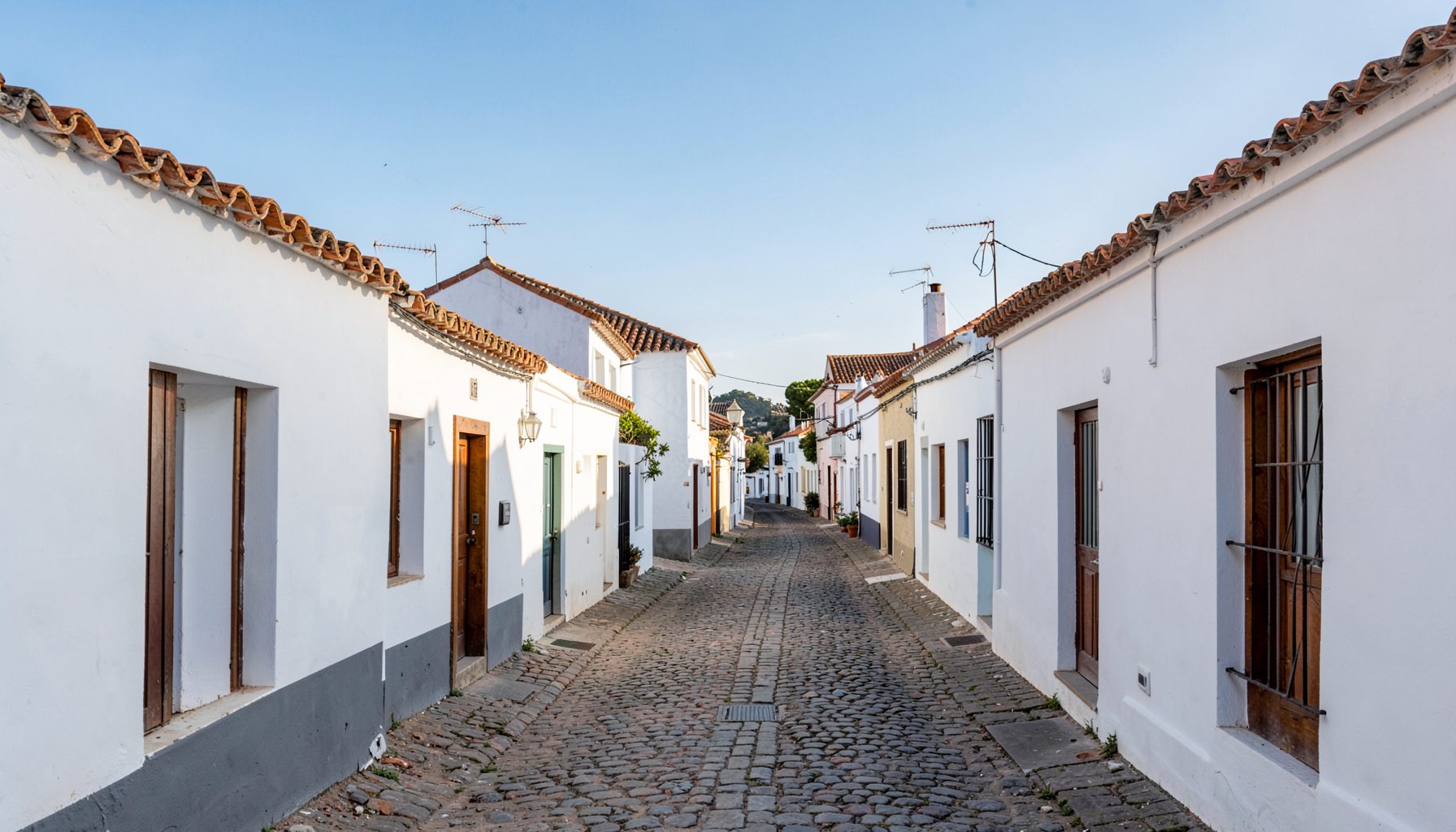
Watch videos showcasing Agudo and the surrounding region. A visual tour of local life, landscapes, and community events.