Stay informed with local news updates covering Agudo and the surrounding region. Browse the Hemeroteca for past articles and keep up with what matters in the community.
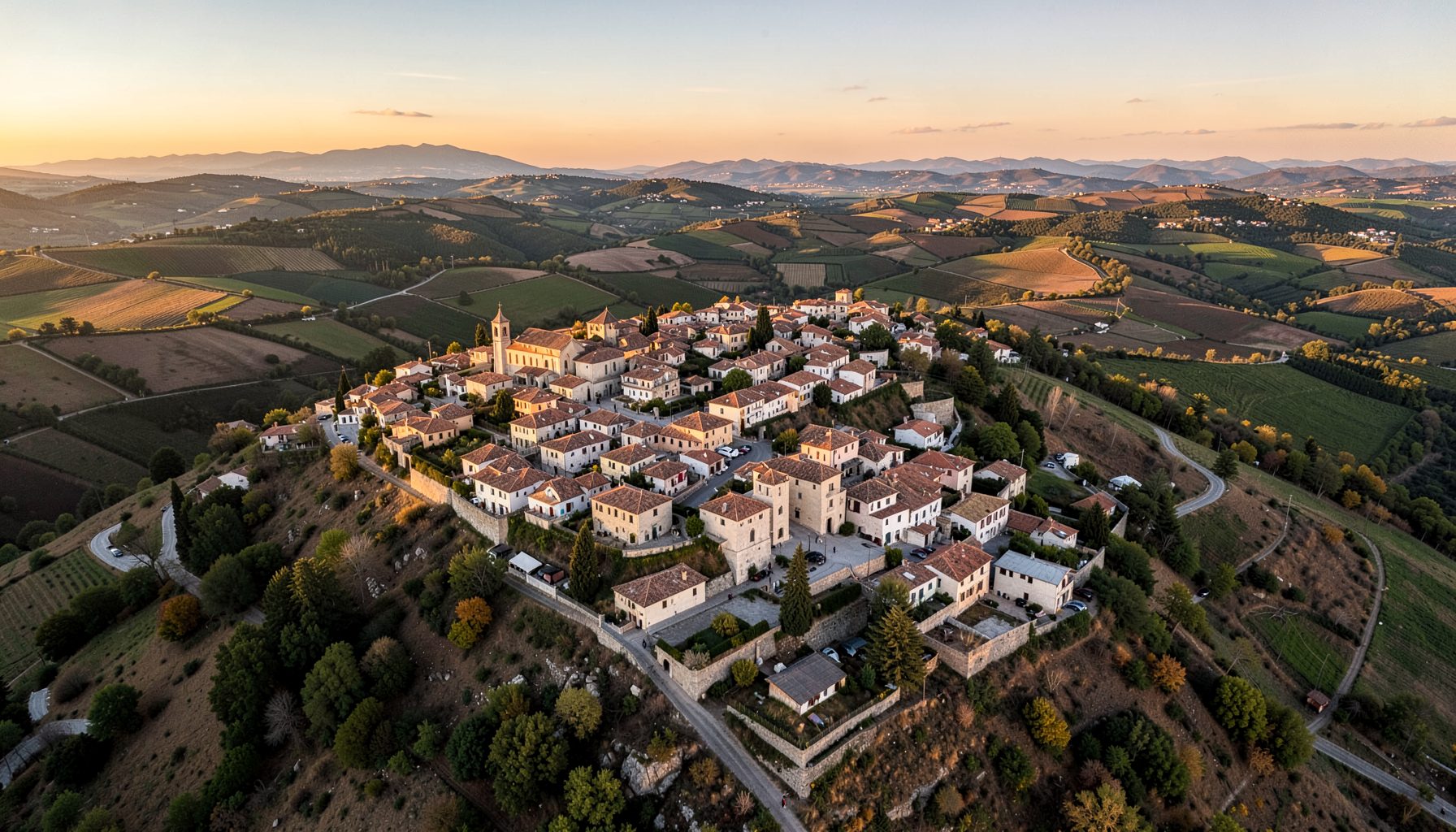
Agudo’s fire association has presented a photo book documenting the history of the town’s volunteer brigade, bringing together images, memories and local records from across several generations. The publication offers more than a visual timeline of emergency response: it shows how neighbours organised themselves to protect homes, farmland, roads and public spaces in a rural part of Ciudad Real. Learn more about Forums.
For readers in Australia, the story will feel familiar in important ways. Small communities from regional New South Wales to Queensland often depend on volunteers who know the terrain, the weather patterns and the people at risk. Agudo’s album places that same culture of practical service into a Spanish setting, where a close-knit town has preserved its firefighting heritage through photography and personal testimony.
| Feature | Agudo’s volunteer brigade | Comparable Australian experience |
|---|---|---|
| Community role | Local residents serving their own town and surrounding countryside | CFA, RFS, CFS and other rural volunteer units |
| Historical record | Photographs, equipment, uniforms and shared memories | Station archives, brigade histories and community displays |
| Main environment | Dry Mediterranean landscapes, farms and wooded areas | Bushland, grasslands, farms and drought-affected regions |
| Public value | Protecting local identity as well as lives and property | Building resilience, preparedness and community connection |
The fire association’s publication gives Agudo a way to tell its own story through visual evidence. Old group photographs, images of vehicles and snapshots from local activities can reveal changes that official reports often miss. Uniforms evolve, equipment becomes more specialised and the brigade’s role expands as the town changes.
A photo book also gives former residents a way to reconnect with home. Someone now living in Madrid, Valencia or overseas may recognise a street, a relative or a familiar face in the pages. For people who have moved from regional Australia to Sydney, Melbourne or Brisbane, this kind of archive can carry a similar emotional weight, especially when family stories have been passed down without written records.
The presentation is therefore both a civic event and a cultural one. It celebrates those who responded to emergencies while acknowledging the organisers, photographers and families who helped keep the material safe.
Volunteer brigades often begin with a simple local need: someone must act quickly when a fire starts, and professional resources may be some distance away. In a rural municipality such as Agudo, residents understand the roads, tracks, farm entrances and water points that can make a difference during an emergency.
Over time, that informal readiness develops into a more organised service. Members learn procedures, maintain equipment and work together under pressure. The photographs in the book can show this transition, from earlier generations using more basic tools to a modern brigade operating with clearer training and stronger coordination.
This pattern will be recognisable to Australians familiar with the Rural Fire Service or Country Fire Authority. A volunteer might spend a weekday doing ordinary work, then attend training at night or respond during a hot, windy afternoon. The language and uniforms may differ, but the commitment to “having a go” for the community is remarkably close.
Agudo’s firefighting history is shaped by its surroundings. The municipality sits in a dry inland landscape where summer heat, limited rainfall and vegetation can increase the risk of grass and bush fires. Agricultural land, rural roads and scattered properties create conditions in which local knowledge is particularly valuable.
The same environmental pressure is understood across Australia during bushfire season. Residents in places such as the Adelaide Hills, the Riverina or the outer regions of Perth pay close attention to fire danger ratings, wind changes and warnings from emergency authorities. In Agudo, the terminology and system are different, yet the practical concerns are familiar: clear access, protect vulnerable people, watch conditions and act early.
A Spanish rural fire brigade does not operate in exactly the same legal or organisational framework as an Australian service. Australia has state-based systems, formal incident classifications and public alerts that vary between jurisdictions. Still, the underlying principle remains shared: local volunteers strengthen the response because they are already connected to the landscape and the community.
A historical photograph can make emergency work personal. Instead of presenting a brigade as an abstract institution, it shows the people who stood beside the vehicles, attended community events or gathered for training. Faces help younger residents understand that the service was built by ordinary neighbours, including people whose names may still be familiar in Agudo.
Equipment provides another record of change. A helmet, hose, radio or vehicle can mark a particular period in the brigade’s development. Captions and recollections may explain when an item arrived, how it was used and who maintained it. For families, these details can turn a general history into a collection of recognisable stories.
Local archives often become more valuable when residents contribute their own material. A photograph kept in a kitchen drawer, a newspaper clipping or a handwritten account may fill a gap in the official record. Agudo’s community forums can provide a useful place for residents and former residents to share memories, identify people and discuss images connected with the brigade’s past.
Australian readers may notice the role of place in the book’s story. In many country towns, the fire station is more than an operational building. It can be a meeting point, a symbol of reliability and a place where generations of volunteers have served. The same may be true in Agudo, where public life is closely connected through municipal events, neighbourhood activities and long-standing family networks.
There is also a practical difference in how people talk about emergencies. Australians might refer to a “firie”, a brigade, a fire shed or an arvo callout, while people in Spain use their own local expressions and institutional terms. These language differences add character rather than distance. They show how each community adapts the idea of voluntary service to its own culture.
The book may also interest Australians involved in local history, historical societies or community museums. A small publication assembled from personal collections can have a lasting effect, particularly in places where rapid change threatens to separate younger generations from earlier community life.
A photo book about the volunteer brigade is valuable because it records service before memories disappear. People who witnessed early incidents, helped organise equipment or supported volunteers at home may not always appear in formal accounts. Their contribution is part of the wider history, even when it took place away from the fireground.
That wider contribution matters. Volunteers rely on families, employers and neighbours who make time available for training and response. During a serious incident, local shops, farms, schools and community groups may all be affected. The history of a brigade is therefore also the history of the town around it.
For Agudo, the publication can become a starting point for further research. More photographs may emerge, dates may be clarified and personal accounts may add detail to the archive. Schools, local associations and future exhibitions can use the material to explain both the risks of rural fires and the value of organised community action.
The presentation also reinforces an important civic message: local heritage is created by people who choose to participate. Preserving the brigade’s story honours past volunteers while giving current residents a clearer sense of what community responsibility looks like.
Residents, former residents and readers interested in rural firefighting can help keep this history active by sharing photographs, identifying people and recording family memories connected with the brigade. Following local coverage, contributing reliable information and passing the story to younger generations will ensure that Agudo’s volunteer fire service remains visible in the community archive.
Stay informed with local news updates covering Agudo and the surrounding region. Browse the Hemeroteca for past articles and keep up with what matters in the community.
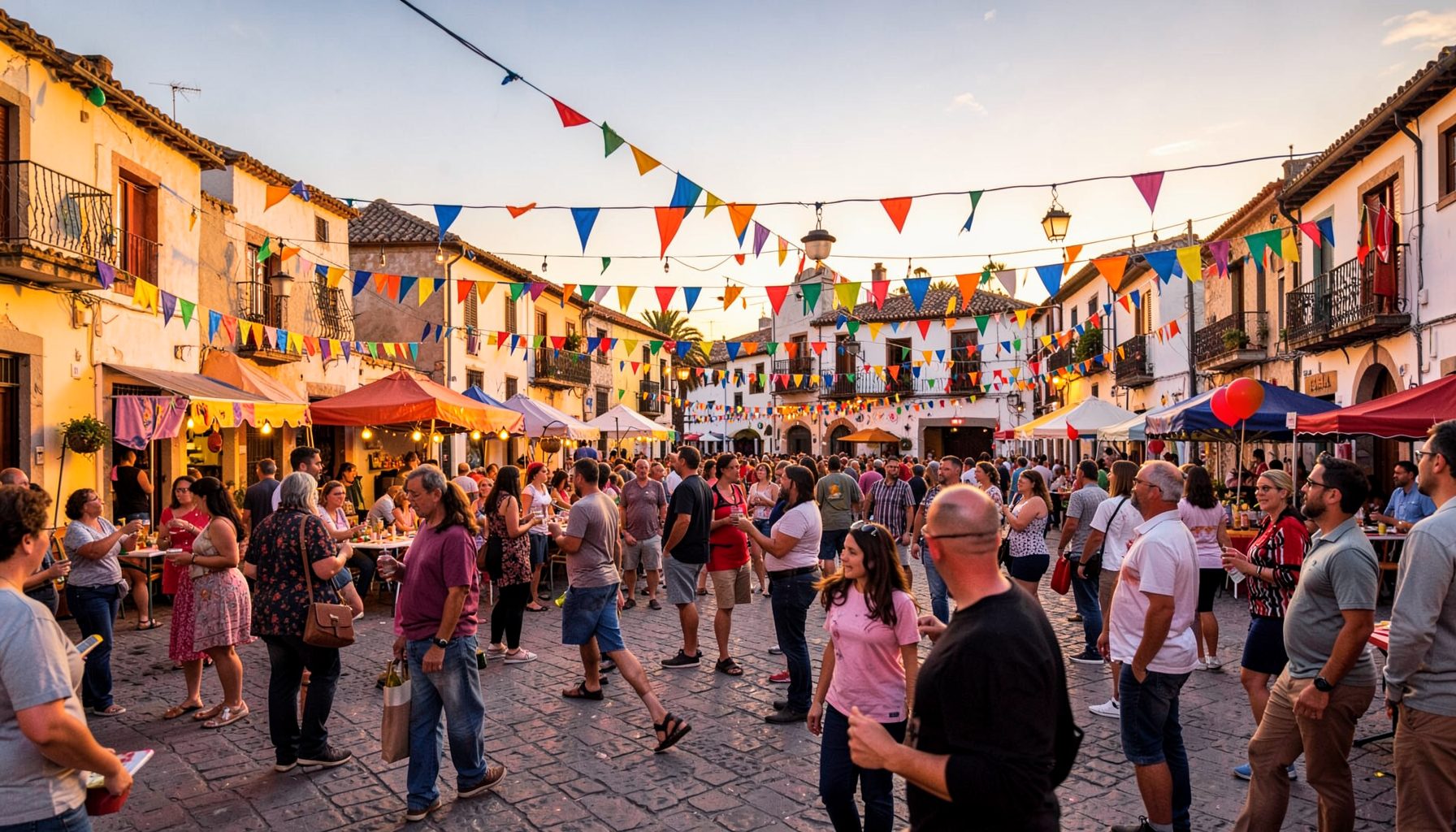
Join the conversation in the Agudo community forums. Access the Foro antiguo archive and participate in discussions with fellow residents and visitors.
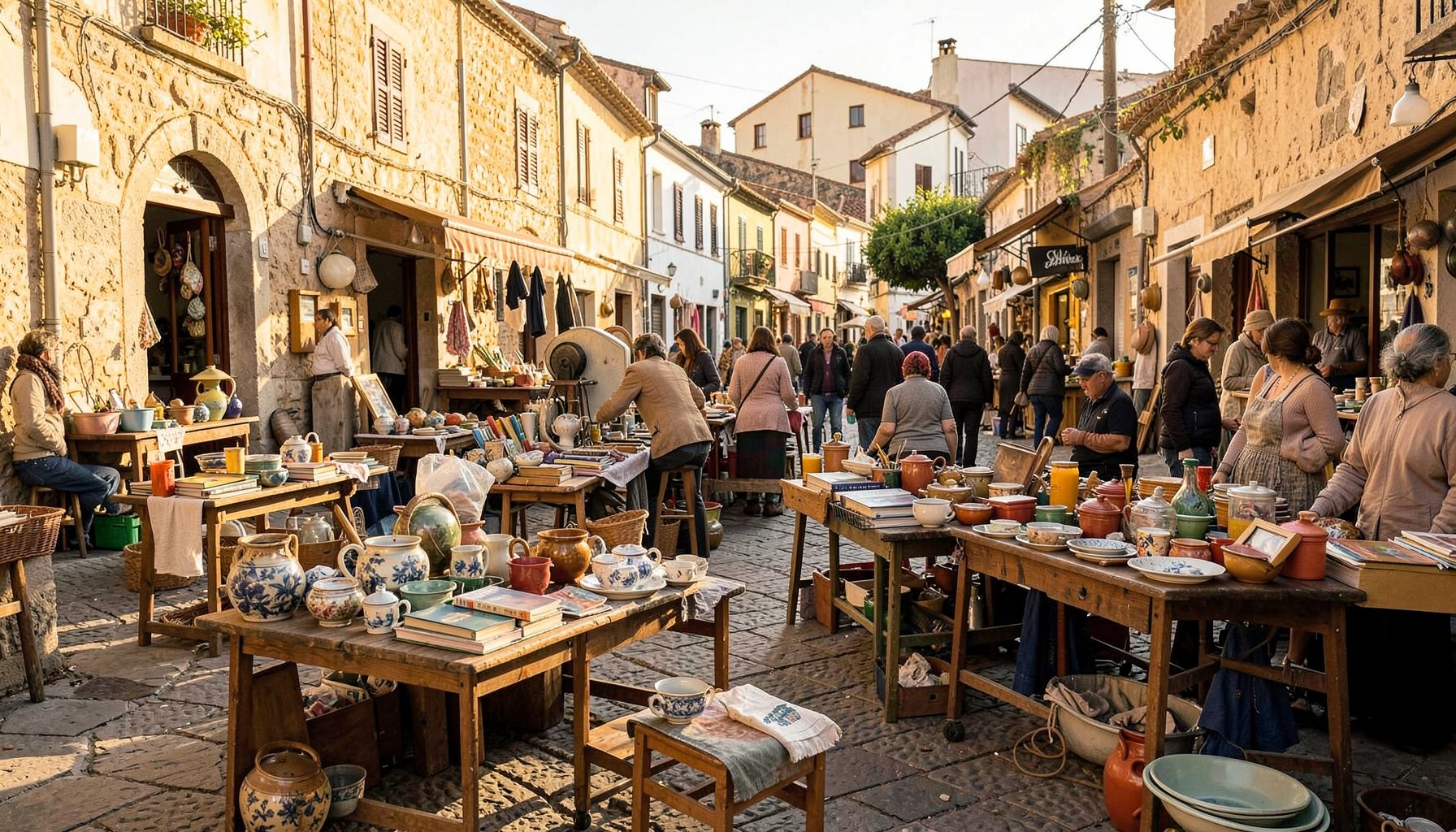
Browse local second-hand listings in the Agudo area. A convenient marketplace for buying and selling within the community.
Explore our directory of recommended links, including the Ayuntamiento de Ciudad Real, Lagunas de Ruidera, Parque de Cabañeros, Agudo Joven, and Balneario Cervantes.
Access practical tools including Prensa links, radio, horóscopo, Loterías results, a leisure guide, recipes, a dictionary, and Street View integration.
Watch videos showcasing Agudo and the surrounding region. A visual tour of local life, landscapes, and community events.