
Stay informed with local news updates covering Agudo and the surrounding region. Browse the Hemeroteca for past articles and keep up with what matters in the community.
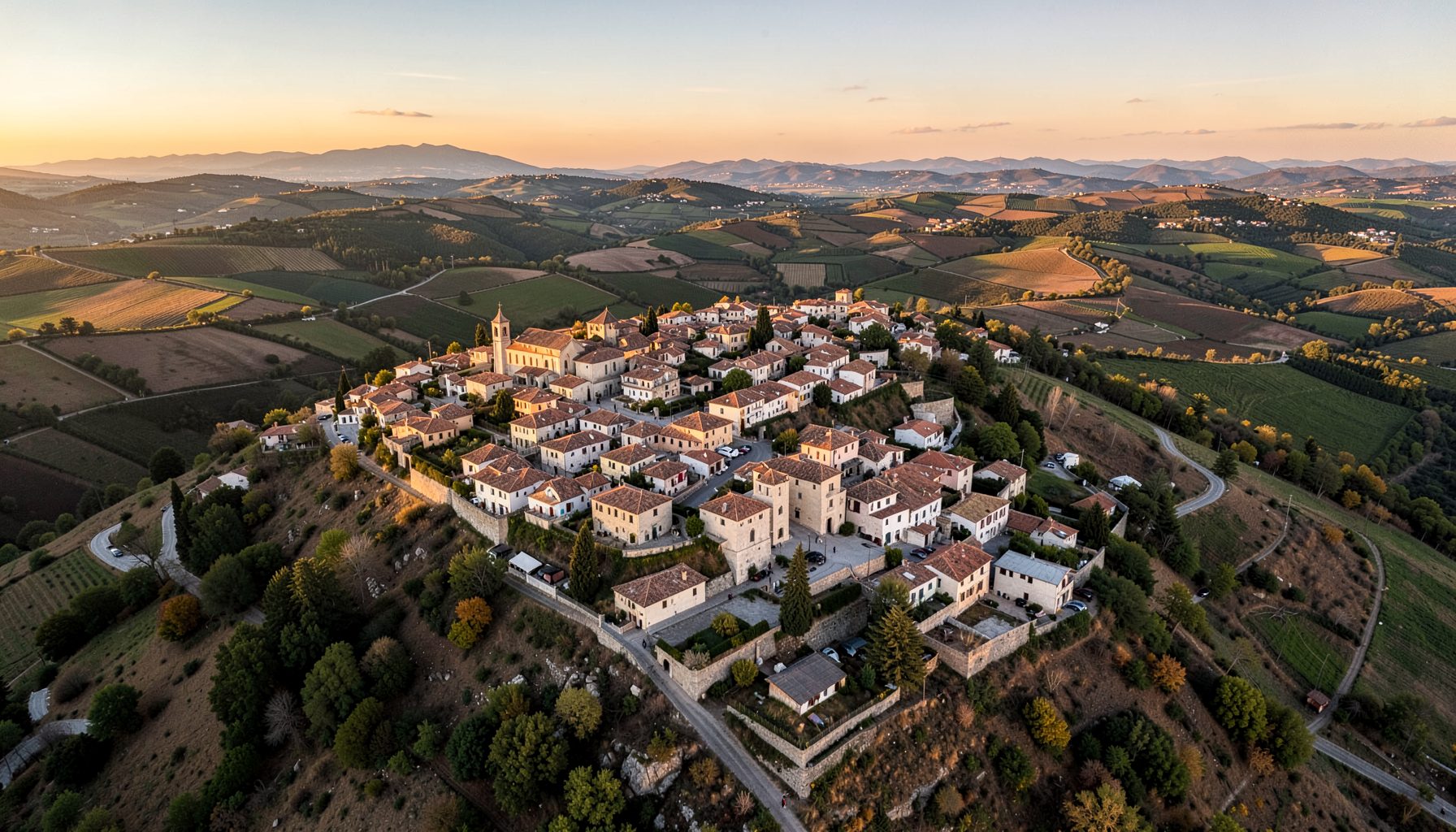
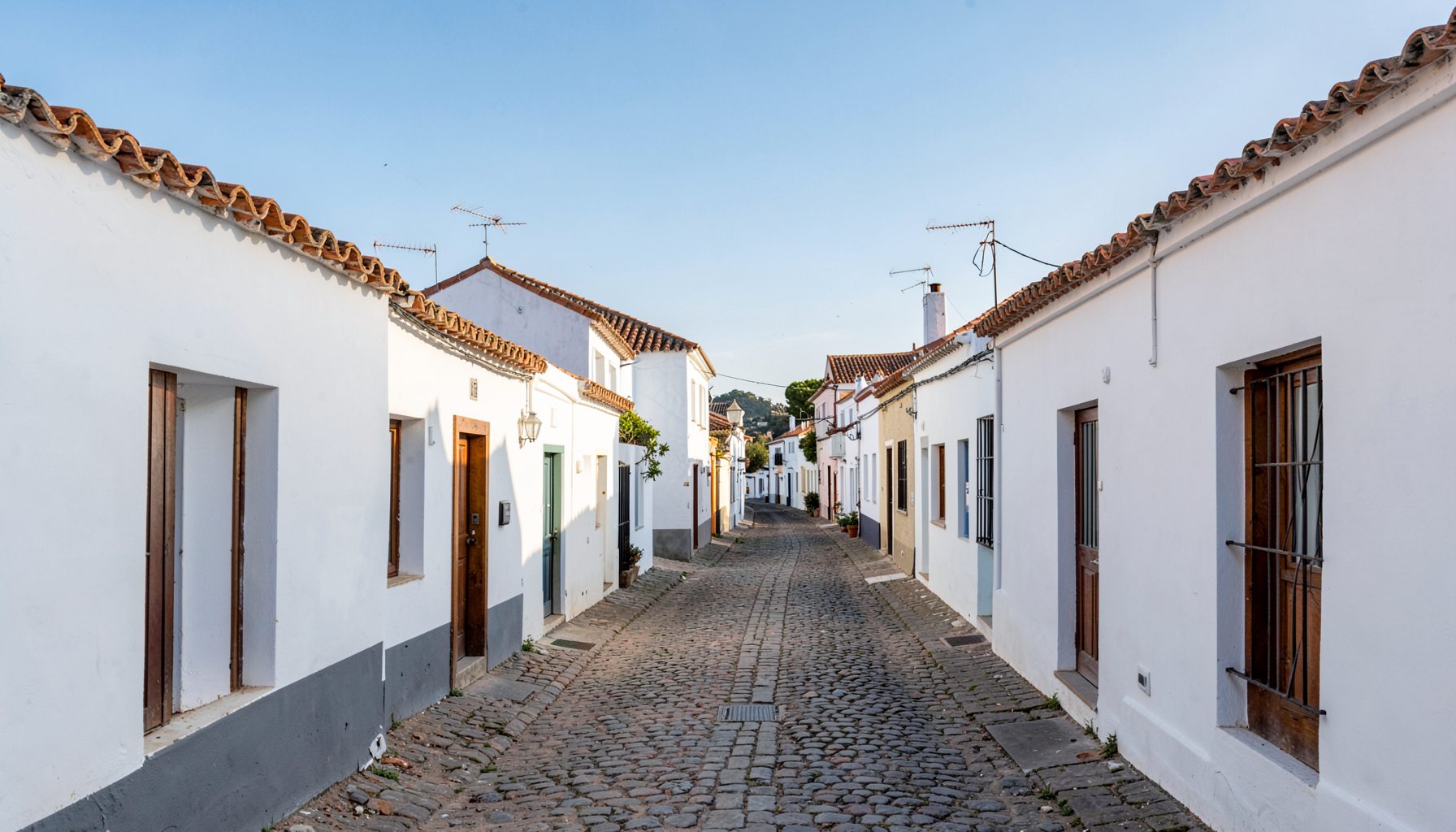
Residents in Agudo have raised concerns about abandoned and poorly maintained buildings along Calle Nueva, pointing to issues that range from deteriorating façades to blocked doorways and the possible risk of falling materials. The condition of several properties has become a recurring subject of conversation among people who live nearby, pass through the street, or own homes in the surrounding area.
The council plans to carry out a survey of the buildings and their visible condition. The assessment is expected to help identify properties requiring closer inspection, determine which issues fall under municipal responsibility, and establish contact with owners where repairs or safety measures may be needed.
For residents, the survey represents an opportunity to move from isolated complaints to a documented record of the street’s needs. The results could also provide a basis for prioritising urgent action while preserving information about older homes that form part of Agudo’s built environment.
Calle Nueva is part of the established urban fabric of Agudo, where older residential buildings sit close to public streets and neighbouring homes. When a property is left empty for a long period, small defects can gradually become more noticeable. Broken shutters, loose tiles, cracked render, overgrown entrances and damaged roofs can affect the appearance of the whole street.
Residents are particularly attentive to problems that may create a direct nuisance or safety concern. An unsecured doorway can invite unauthorised access, while unstable masonry, broken glass or falling fragments may pose a danger to pedestrians. Even when no immediate hazard is visible, abandoned buildings can contribute to a sense of neglect and reduce confidence in the upkeep of the area.
The concerns are also linked to the practical management of empty properties. A building without regular maintenance can suffer water damage, pest problems and structural deterioration. Neighbours may be unable to resolve these matters themselves if the owner is difficult to locate or if responsibility for different parts of the property is unclear.
A building survey can give the council a clearer picture of the number and condition of vacant properties on Calle Nueva. Residents are likely to expect the inspection to distinguish between buildings that are simply unused and those that present a visible risk to people, traffic or adjoining homes.
The review may include external walls, roofs, balconies, windows, doors, drainage points and areas where materials could detach. It could also record whether public pavement space is obstructed, whether fencing is necessary, and whether vegetation or accumulated waste is creating additional problems.
A consistent record matters because individual reports can otherwise remain scattered between phone calls, informal conversations and occasional visits. By collecting photographs, locations and observations in one municipal file, officials can compare buildings and determine which cases deserve immediate attention and which require further technical assessment.
The first stage is likely to involve a street-by-street inspection of visible conditions. Municipal staff or technical personnel can identify vacant or apparently abandoned properties, note their state from public areas and mark points that need a more detailed review. The survey does not automatically establish ownership or prove that a building is structurally unsafe; those questions may require official records and specialist reports.
After the initial inspection, the council may need to contact property owners or other responsible parties. Spanish municipalities have powers to require owners to maintain buildings in suitable condition, although the appropriate procedure depends on the circumstances and the seriousness of the problem. Formal notices, deadlines and technical documentation may be necessary before enforcement action can proceed.
Residents will also be interested in how findings are communicated. Even a brief public update listing the main issues identified, the number of properties reviewed and the next administrative steps would help demonstrate that reports are being followed up. Local information channels, including Agudo local news, can help residents stay informed about municipal developments and community discussion.
The survey may reveal a mixture of maintenance problems rather than one single cause of deterioration. Some buildings could need basic cleaning and securing, while others may show signs of long-term neglect that require a more extensive technical evaluation.
| Issue recorded | Possible impact | Likely next step |
|---|---|---|
| Loose façade material | Risk to pedestrians and nearby properties | Technical inspection and urgent securing |
| Damaged roof or guttering | Water entry and further structural decay | Owner notification and repair request |
| Open doors or broken windows | Unauthorised access and vandalism | Secure the building and review ownership |
| Overgrown vegetation or rubbish | Pests, blocked access and visual deterioration | Cleaning order or coordinated removal |
| Cracked walls or balconies | Possible structural concern | Specialist assessment before repair |
| Obstructed pavement | Reduced accessibility and trip hazards | Clear the public area and require action |
Visible defects should be treated according to their severity. A faded façade and an unstable balcony do not require the same response, and the survey can help prevent resources from being directed only toward the most noticeable properties. Recording smaller problems also makes it easier to monitor whether conditions are worsening.
The assessment could include neighbouring effects as well. Water flowing from a neglected roof, for example, may damage an adjoining wall, while debris from an empty building can affect a shared passage or pavement. A property-by-property approach should therefore be combined with attention to the wider street.
Abandoned buildings raise sensitive questions because many are privately owned. Some properties may be tied to inheritance procedures, unresolved ownership, financial difficulties or long-running family disputes. From a resident’s perspective, however, uncertainty about ownership does not remove the need to address an immediate hazard in a public space.
The council must balance its responsibility to protect residents with the legal rights of owners. Any required work should follow the proper administrative process, with clear reasons and reasonable opportunities for the responsible party to respond. In urgent situations, authorities may have to act more quickly to secure an area, but the cost and subsequent responsibility still need to be documented.
This process can take time, which is why residents often value interim measures. Temporary barriers, warning signs, removal of loose elements and the closure of unsafe sections may reduce risk while a fuller decision is being prepared. Regular monitoring is equally important if a building remains empty after the first intervention.
People living near Calle Nueva are likely to judge the survey by what happens after the inspection. A list of concerns without deadlines or visible action would do little to reassure neighbours. The council’s response will be stronger if it explains which matters are urgent, which require owner cooperation and which can be addressed through routine maintenance.
Residents may also provide useful information that is difficult to gather during a single visit. They can identify recurring leaks, falling fragments, unauthorised access, nighttime disturbances or changes that occurred after earlier inspections. A clear channel for submitting photographs and observations would allow the official record to be updated without replacing the need for professional assessment.
The most useful information to record includes:
A practical reporting system should protect personal information and avoid encouraging residents to enter private buildings. Observations made from the street, together with a clear description of the concern, are generally more useful and safer than attempts to investigate a property directly.
The council’s planned review could become a starting point for a broader maintenance strategy in Agudo. Once the condition of the buildings is documented, officials may be able to distinguish emergency cases from longer-term urban improvement needs. That information could support future applications for funding, coordination with owners and planning for public-space repairs.
The survey may also help protect the character of Calle Nueva. Older buildings can carry architectural and social value even when they are currently empty. Encouraging repair and responsible reuse, where feasible, could be preferable to allowing properties to deteriorate until demolition becomes the only practical option.
For residents, the immediate priority remains safety and cleanliness. They will be looking for evidence that loose materials are secured, access points are controlled, pavements remain passable and owners are being contacted. Clear updates after the inspection would help turn public concern into a constructive process.
Calle Nueva residents can contribute by reporting specific problems through the appropriate municipal channels and by following updates as the inspection progresses. Keeping observations factual, dated and location-based will give the council a stronger basis for action and help the community track whether promised measures are carried out.
Stay informed with local news updates covering Agudo and the surrounding region. Browse the Hemeroteca for past articles and keep up with what matters in the community.
Join the conversation in the Agudo community forums. Access the Foro antiguo archive and participate in discussions with fellow residents and visitors.
Browse local second-hand listings in the Agudo area. A convenient marketplace for buying and selling within the community.
Explore our directory of recommended links, including the Ayuntamiento de Ciudad Real, Lagunas de Ruidera, Parque de Cabañeros, Agudo Joven, and Balneario Cervantes.
Access practical tools including Prensa links, radio, horóscopo, Loterías results, a leisure guide, recipes, a dictionary, and Street View integration.
Watch videos showcasing Agudo and the surrounding region. A visual tour of local life, landscapes, and community events.