Stay informed with local news updates covering Agudo and the surrounding region. Browse the Hemeroteca for past articles and keep up with what matters in the community.
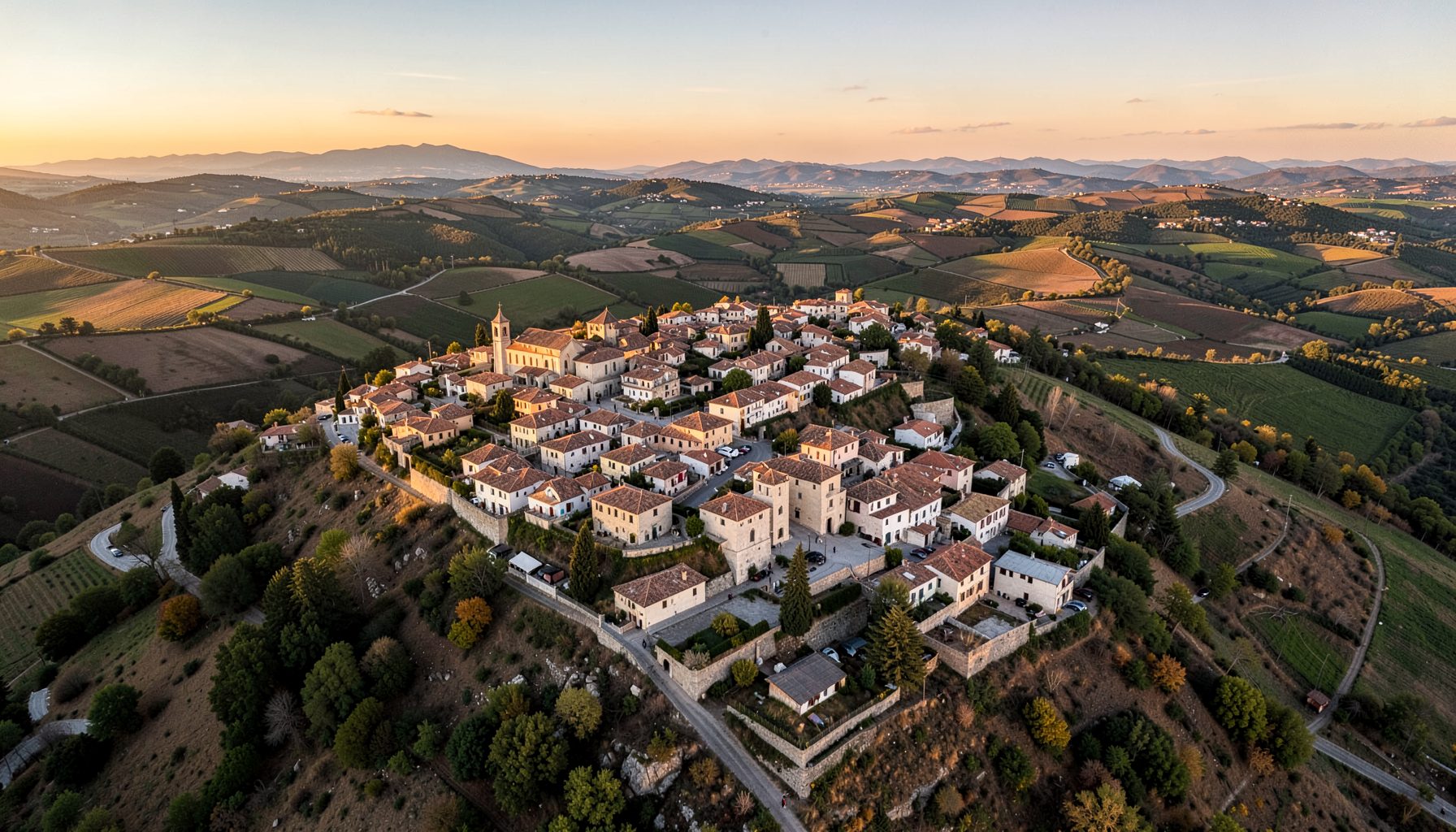
A new photography exhibition at the Casa de Cultura invites Agudo to look back at itself through 50 vintage images. The collection brings together scenes from earlier decades, offering residents and visitors a visual record of streets, buildings, landscapes, celebrations, and everyday moments that helped shape the town’s identity.
Old photographs have a particular power in a close-knit community. A familiar corner may appear almost unrecognisable, while a face in the background, a shopfront, or a rural path can prompt an immediate memory. For people who grew up in Agudo, the exhibition may recover details from childhood. For younger visitors, it offers a way to understand how the town has changed.
The display also provides an opportunity to connect local history with current community life. Agudo’s past is preserved in family albums, municipal records, personal recollections, and images shared between generations. Bringing these visual fragments into a public cultural space gives them a wider audience and encourages conversation.
The 50 vintage views are more than a sequence of old pictures. Together, they form a portrait of Agudo across time, showing how the municipality looked and felt before many present-day changes took place. Architecture, clothing, transport, agricultural work, and public spaces can all become clues to an earlier way of life.
A photograph of a street may reveal the position of a house that has since disappeared. A town celebration can show customs, music, or community gatherings that have evolved over the years. Even an apparently ordinary image can become historically valuable when it records a building, landscape, or social habit that is no longer visible.
The Casa de Cultura is a fitting setting for this kind of exhibition because it turns private memory into shared heritage. Visitors can approach the photographs as historical documents, family keepsakes, or visual stories about the people who made Agudo what it is today.
Vintage photography encourages close observation. The main subject may be important, but smaller details often carry the strongest sense of discovery. Road surfaces, signs, balconies, farm tools, hairstyles, and the arrangement of public spaces can tell visitors how daily life once unfolded.
The images may also help explain the relationship between Agudo and its surrounding countryside. Rural communities are shaped by their landscape, seasonal work, local routes, and links between the town centre and nearby fields. A collection of historic views can show those connections without needing a long written explanation.
For former residents, the exhibition may bring back people and places from memory. Those who now live elsewhere can see familiar streets from a different period and compare them with the Agudo they remember. Visitors from neighbouring communities may recognise shared architectural features or traditions common across the region of Ciudad Real.
Each photograph can be read at several levels: as an artistic composition, a family document, and evidence of social change. The comparison below highlights some of the details visitors may notice while moving through the display.
| Visual detail | What it can reveal | Why it matters today |
|---|---|---|
| Streets and buildings | Changes in architecture, paving, homes, and public spaces | Helps residents understand the town’s physical transformation |
| Clothing and groups | Social customs, family connections, and generational differences | Gives a human dimension to local history |
| Agricultural scenes | Tools, work routines, animals, and rural organisation | Records traditions linked to the surrounding countryside |
| Festivals and gatherings | Community celebrations, religious events, and public rituals | Shows how collective life has developed over time |
| Landscapes and distant views | Former paths, fields, vegetation, and views of Agudo | Supports memory of places that may now look different |
| Shops, signs, and vehicles | Local commerce, transport, and everyday services | Illustrates how residents moved, worked, and exchanged goods |
The value of the collection lies partly in these layers of interpretation. One visitor may focus on a relative, while another notices a vanished landmark. A child may be drawn to an old vehicle or unusual piece of clothing, opening the door to questions about how people lived before smartphones, modern traffic, and today’s forms of communication.
This makes the exhibition suitable for a wide audience. It can appeal to photography enthusiasts, local history researchers, families, school groups, and anyone interested in the cultural heritage of Agudo.
A visual archive becomes especially meaningful when different generations view it together. Older residents can identify names, places, and customs, while younger family members can record those explanations for the future. The photographs provide a natural starting point for conversations that might otherwise never take place.
Parents and grandparents may wish to explain how people travelled, worked, celebrated, or communicated in earlier years. A picture of a familiar square can lead to stories about a first job, a local festival, a sports team, or a meeting place that no longer exists. These memories add context that cannot always be found in official records.
Schools and community groups can also use the exhibition as a local-history resource. Students might compare historic and contemporary views of the same area, investigate changes in the built environment, or collect oral histories from relatives. Such activities make the past tangible and help young residents see their town as a place with a rich and continuing story.
A visit to the Casa de Cultura can be combined with a wider walk through Agudo. After viewing the collection, visitors may enjoy identifying streets, viewpoints, or buildings that appear in the photographs and considering how much has changed. This turns the exhibition into a starting point for exploring the town rather than a single indoor activity.
Practical details matter when planning a cultural outing, particularly for visitors travelling from nearby villages or returning to Agudo for the occasion. Opening times, local facilities, weather conditions, and other useful information can be checked through the portal’s local services before visiting.
A few simple approaches can make the experience richer:
The exhibition can also form part of a broader day in Agudo, alongside a walk, a local meal, or attendance at another cultural activity. That combination supports the town’s community spaces and helps visitors experience local heritage in a living setting.
An exhibition of historic images does not have to end when visitors leave the Casa de Cultura. It can inspire residents to look through their own albums, identify photographs that deserve preservation, and share memories connected to people or places shown in the display.
Personal collections often contain information that is missing from formal archives. A handwritten note on the back of a photograph, the name of a street, or an explanation of a traditional event can add considerable value. Families may want to digitise fragile images and record the stories attached to them before those details are forgotten.
Online community spaces can extend this exchange to people who cannot attend in person. Former residents, relatives living elsewhere, and neighbours from nearby municipalities may have their own photographs or recollections to contribute. The community forums offer a suitable place to discuss memories, identify locations, and continue sharing local history after the exhibition closes.
That kind of participation strengthens the relationship between the archive and the community. The 50 photographs are a central attraction, but the memories they awaken can create an even larger record of Agudo’s past.
Visit the Casa de Cultura to see these vintage views for yourself, bring along someone who knows the town’s stories, and share the details that help turn photographs into living local history.
Stay informed with local news updates covering Agudo and the surrounding region. Browse the Hemeroteca for past articles and keep up with what matters in the community.
Join the conversation in the Agudo community forums. Access the Foro antiguo archive and participate in discussions with fellow residents and visitors.
Browse local second-hand listings in the Agudo area. A convenient marketplace for buying and selling within the community.
Explore our directory of recommended links, including the Ayuntamiento de Ciudad Real, Lagunas de Ruidera, Parque de Cabañeros, Agudo Joven, and Balneario Cervantes.
Access practical tools including Prensa links, radio, horóscopo, Loterías results, a leisure guide, recipes, a dictionary, and Street View integration.
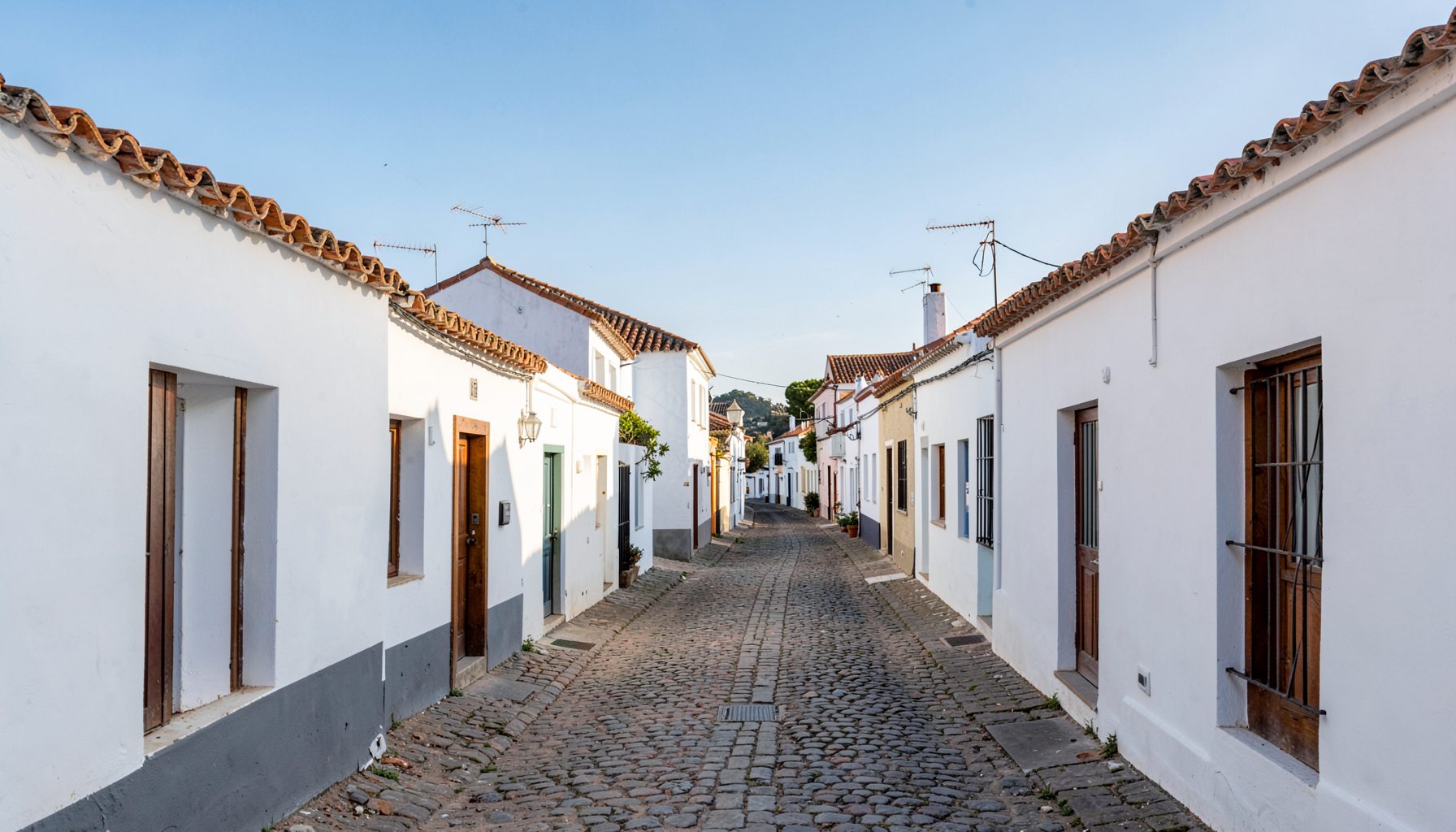
Watch videos showcasing Agudo and the surrounding region. A visual tour of local life, landscapes, and community events.