
Stay informed with local news updates covering Agudo and the surrounding region. Browse the Hemeroteca for past articles and keep up with what matters in the community.
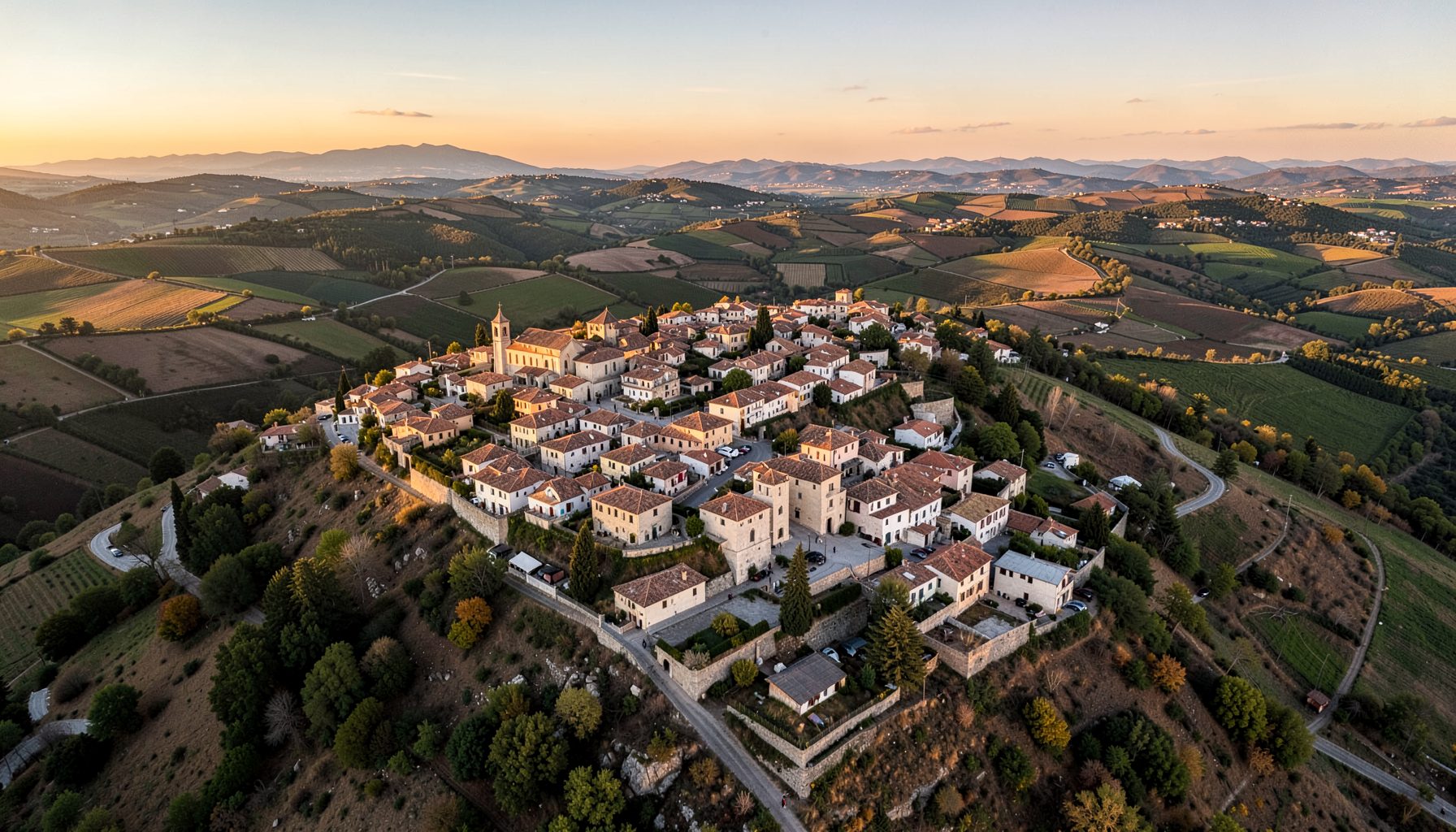
A new pedestrian crossing on the main road near the school has gone into operation, giving children, families, teachers, and other pedestrians a clearer and safer point at which to cross. The measure responds to a familiar daily scene in Agudo: pupils arriving on foot, parents stopping nearby, and traffic moving through one of the town’s busiest stretches at the start and end of the school day.
The crossing creates a defined route between the two sides of the road and makes pedestrian movement easier to anticipate. Its presence is especially important during periods of concentrated activity, when school entrances and exits bring more people into the area within a short time.
For drivers, the change means paying closer attention to the marked crossing, reducing speed as they approach, and being prepared to stop when pedestrians are waiting or already crossing. The new arrangement is a practical road-safety measure with benefits that extend beyond the school community.
The crossing establishes a specific place for pedestrians to cross instead of leaving each person to choose a gap in traffic. Families can now follow a more consistent route, while pupils have a visible reference point that supports safer habits on their journey to and from school.
A designated crossing also improves communication between people on foot and drivers. Pedestrians can approach the edge of the roadway with a clearer expectation of where vehicles should yield, and motorists receive a stronger visual indication that children may be nearby.
The benefit is greatest when everyone uses the facility as intended. Walking a few extra metres to reach the marked crossing is preferable to crossing between parked vehicles, near a bend, or at a location where drivers have less time to react.
The main road near a school serves several groups at once. Alongside pupils and parents, it may carry residents travelling across Agudo, delivery vehicles, public transport, and people visiting nearby businesses or services. A pedestrian crossing helps organise these movements without removing the road’s wider function.
Morning arrival and afternoon departure are the most sensitive periods. Children may walk in groups, talk with friends, or react quickly to someone they know on the other side of the street. Adults accompanying younger pupils may also be managing bags, bicycles, or siblings. The crossing provides a safer framework for these everyday movements.
Visibility remains essential. People approaching the road should make eye contact with drivers where possible and avoid stepping out suddenly. Drivers should scan the pavement on both sides, since a child may be preparing to cross even when the roadway appears clear.
The new facility changes the visual rhythm of the road. Markings, signs, and the activity around the school indicate that drivers are entering an area where pedestrians deserve particular care. Drivers should approach at a moderate speed, keep their attention away from mobile phones, and leave enough distance to stop smoothly.
A vehicle must not overtake another vehicle that has stopped to allow a pedestrian to cross. Drivers should also avoid stopping on the crossing or directly beside it, since a parked or waiting vehicle can block the view for children and prevent other motorists from seeing people who are about to step into the road.
The crossing does not remove the need for supervision. Younger children still need guidance about looking both ways, waiting for vehicles to stop, and crossing calmly. The strongest safety result comes from the infrastructure and responsible behaviour working together.
| Everyday situation | Before the crossing | With the crossing in service |
|---|---|---|
| Choosing where to cross | Pedestrians could be spread across several informal points | People have a clearly marked place to cross |
| Driver awareness | Children near the road could be harder to anticipate | Road markings and school activity signal extra caution |
| School arrival and departure | Movement could become less organised | Families can follow a shared, predictable route |
| Visibility between road users | Parked vehicles or irregular crossing points could create uncertainty | A designated facility improves communication |
| Safety habits for pupils | Guidance depended heavily on individual routines | Adults can teach one consistent crossing procedure |
Road improvements around schools often influence the feel of an entire neighbourhood. When walking routes are easier to understand, families may feel more comfortable leaving the car at home for short journeys. That can reduce congestion outside the school gates and make the immediate surroundings calmer for residents.
The crossing also connects with Agudo’s broader community life. A safe pedestrian route is useful for children heading to classes, but it can also serve older residents, visitors, and people attending activities in nearby public buildings. Accessibility and everyday mobility are shared local concerns rather than issues limited to one age group.
Community activity depends on people being able to move around town with confidence. Reports such as the traditional cooking workshop show how cultural events bring residents together; clear walking routes help support that same sense of participation when people travel to schools, centres, shops, and meeting places.
The new pedestrian facility will be most effective when families and road users adopt a few repeatable habits. These actions are easy to explain to children and can become part of the daily school routine.
Parents and teachers can reinforce the same sequence: stop, observe, wait, and cross. Consistent language makes it easier for pupils to remember the routine and apply it when an adult is not immediately beside them.
Cyclists and people using scooters should also take care near the crossing. They should slow down, respect pedestrians, and dismount when necessary to avoid surprising someone who is crossing. Courtesy is particularly important where pavement space is shared.
The first days and weeks will show how the new crossing fits into existing traffic patterns. Residents may notice different stopping points, altered pedestrian flows, or times when congestion is more visible. Such observations are useful when they are reported clearly and based on specific situations.
Families can help by arriving with enough time to use the crossing without rushing. A hurried approach often leads people to cross diagonally, step between parked vehicles, or focus on reaching the school gate rather than checking the road. A small adjustment to the morning schedule can remove much of that pressure.
Local updates, municipal information, weather conditions, and community notices can be followed through Agudo Ciudad Real, which brings together news and practical information for residents, former residents, and nearby communities. Keeping up with local reporting also helps people see how this safety measure relates to other changes in the town.
The new crossing is now part of Agudo’s everyday street environment. Its success will be measured through ordinary moments: a child reaching school safely, a driver stopping in time, and families moving through the area with less uncertainty. Residents can support that result by using the crossing consistently and treating the school zone as a place where patience and attention come first.
Stay informed with local news updates covering Agudo and the surrounding region. Browse the Hemeroteca for past articles and keep up with what matters in the community.
Join the conversation in the Agudo community forums. Access the Foro antiguo archive and participate in discussions with fellow residents and visitors.
Browse local second-hand listings in the Agudo area. A convenient marketplace for buying and selling within the community.
Explore our directory of recommended links, including the Ayuntamiento de Ciudad Real, Lagunas de Ruidera, Parque de Cabañeros, Agudo Joven, and Balneario Cervantes.
Access practical tools including Prensa links, radio, horóscopo, Loterías results, a leisure guide, recipes, a dictionary, and Street View integration.
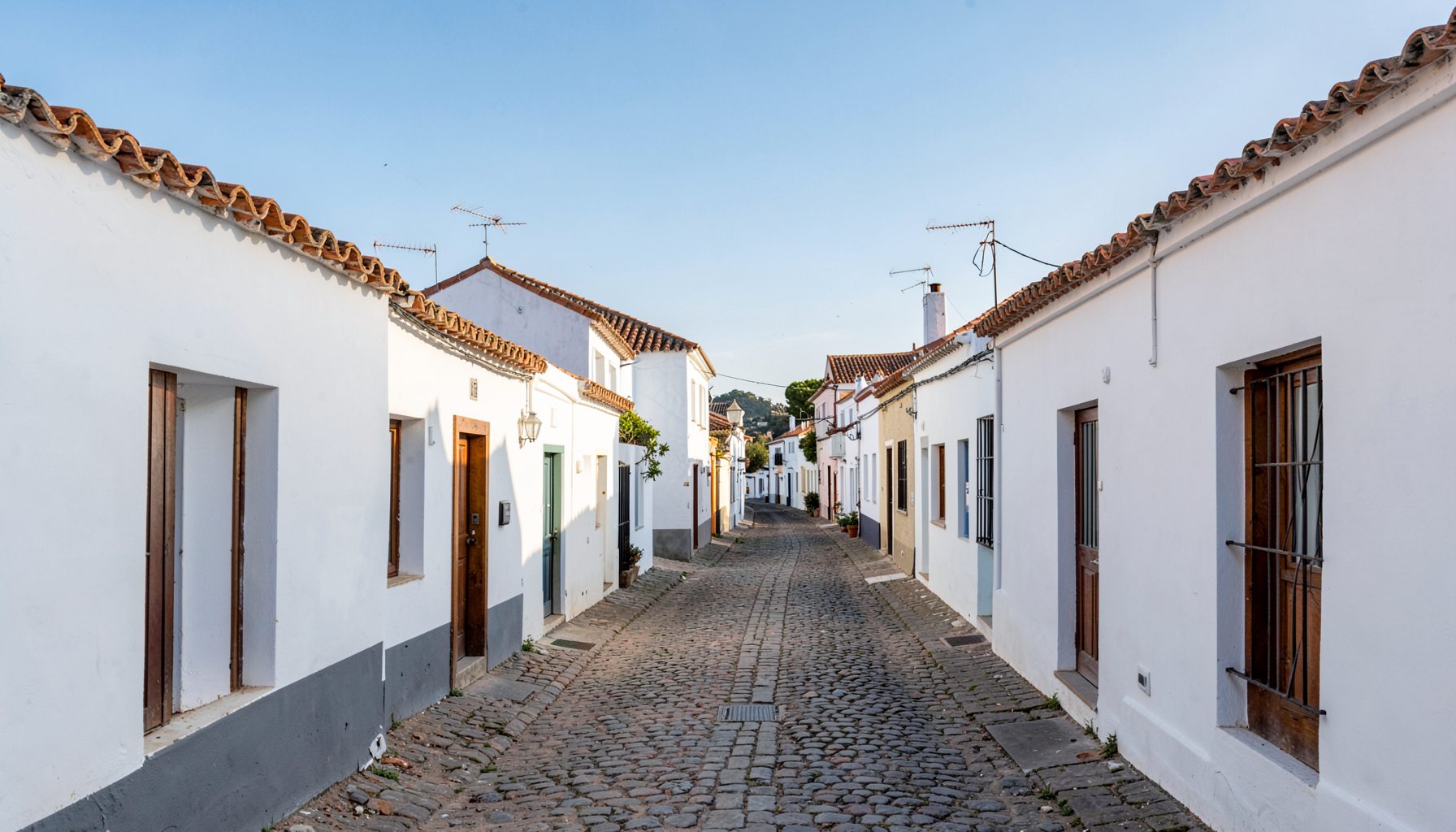
Watch videos showcasing Agudo and the surrounding region. A visual tour of local life, landscapes, and community events.