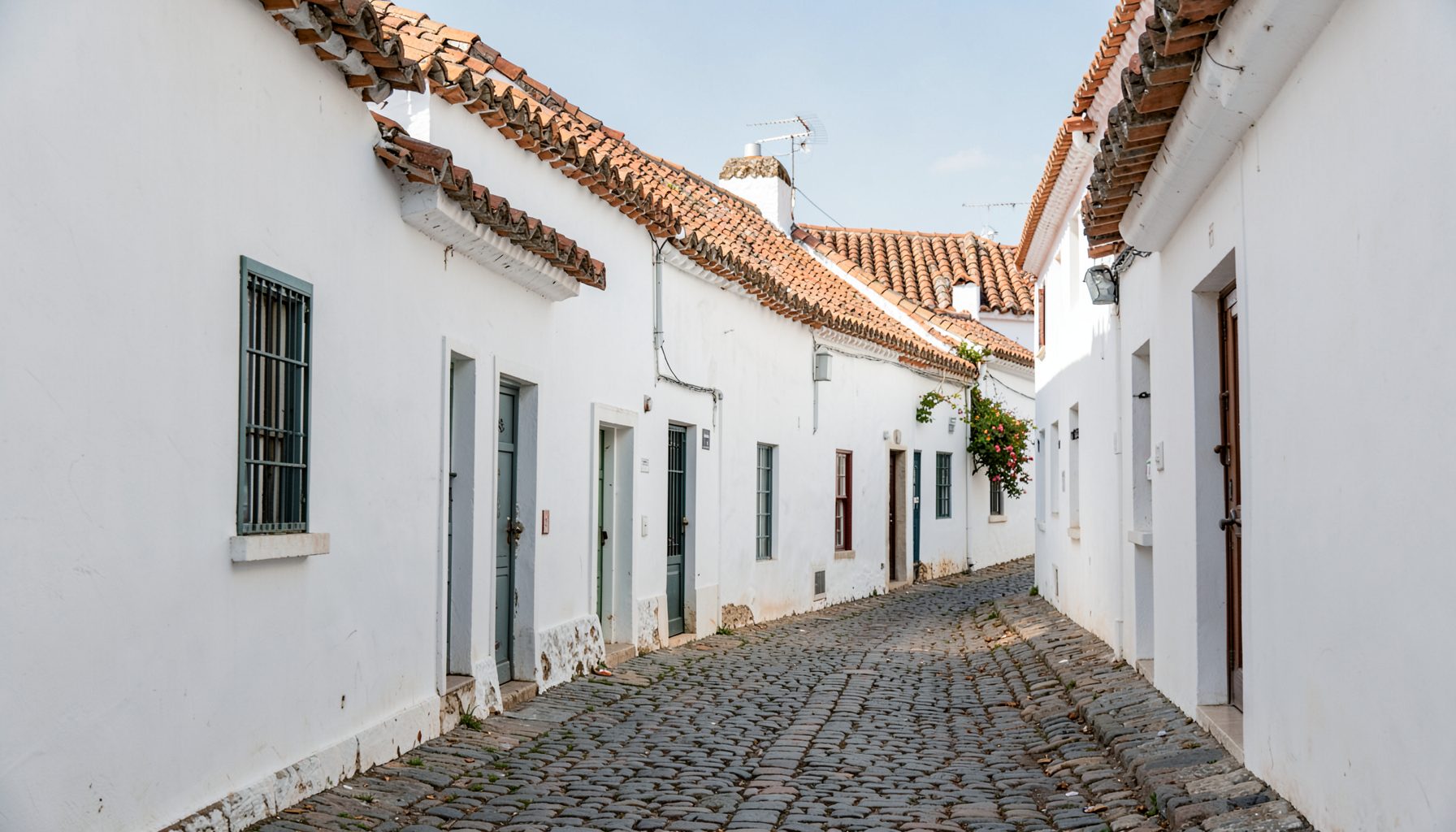

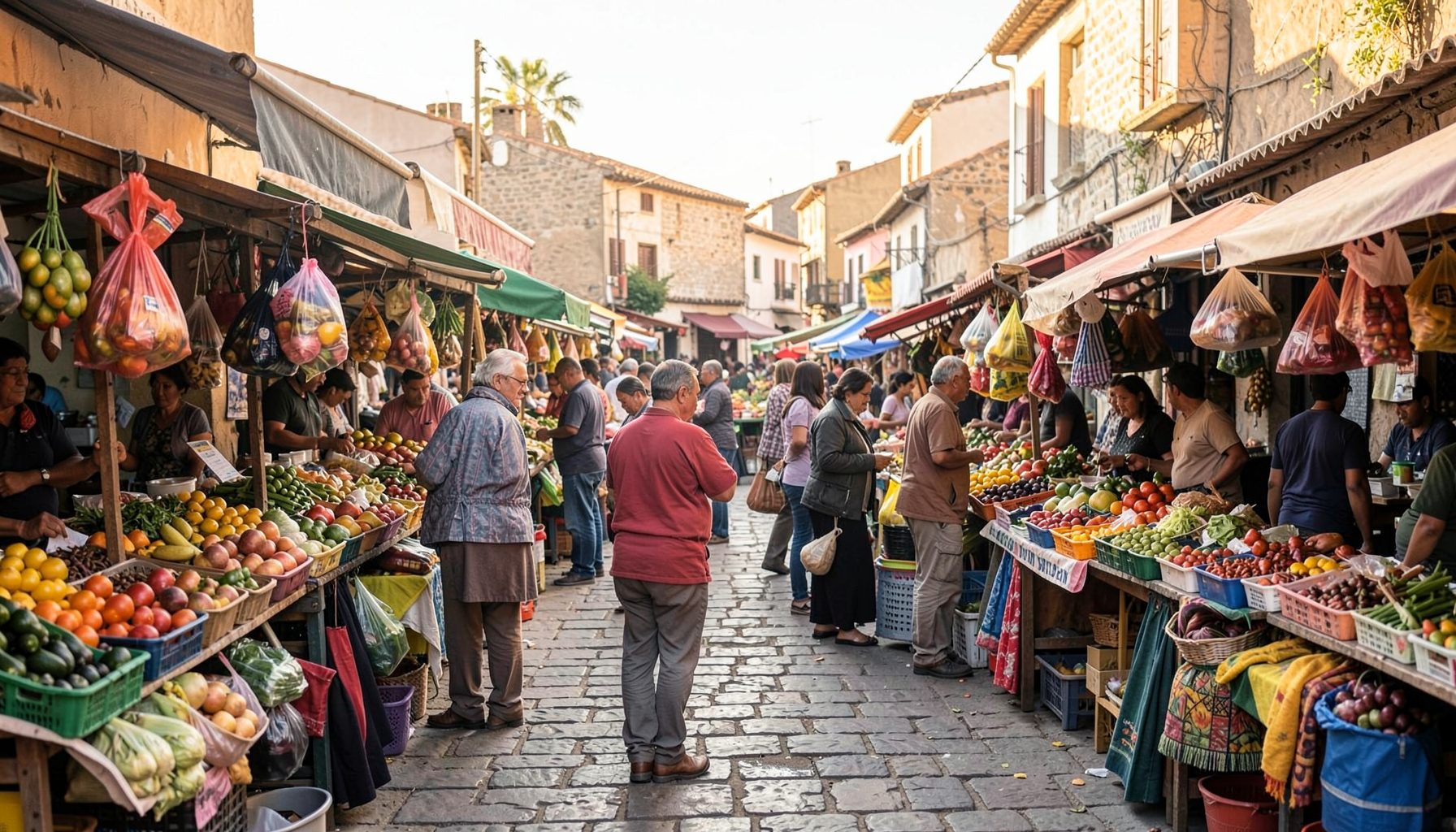
Stay informed with local news updates covering Agudo and the surrounding region. Browse the Hemeroteca for past articles and keep up with what matters in the community.
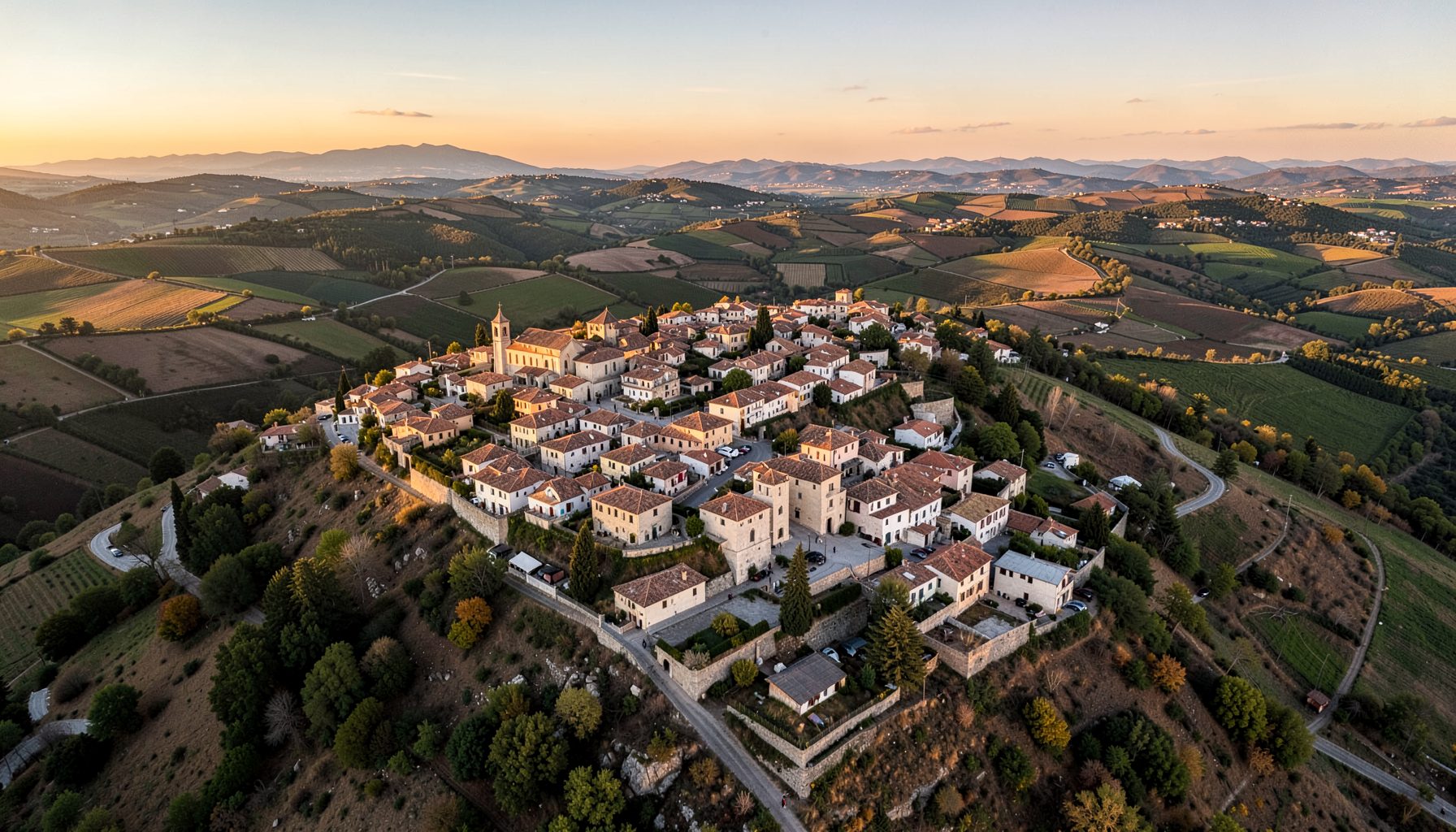
A new community garden is taking shape on the outskirts of Agudo, offering residents a chance to cultivate fresh vegetables in shared surroundings. The initiative will divide the land into individual plots while preserving communal areas for paths, water access, composting, and neighborhood activities.
The project responds to growing interest in healthy food, sustainable living, and closer ties between residents. Families, older people, young growers, and former residents returning to Agudo may all find a place in the scheme, which is intended to connect everyday food production with community life.
The garden also gives the town an opportunity to recover underused land. Instead of leaving the site unused, organizers plan to turn it into a productive green space where seasonal crops can flourish and residents can exchange practical knowledge about cultivation in the Campo de Calatrava area.
The garden will be located in an open area near Agudo, close enough for regular visits but separated from the busiest streets. Its position should provide sunlight, ventilation, and room for future expansion, while making it possible to create a calm setting for gardening and informal gatherings.
Each allotment is expected to support vegetables such as tomatoes, peppers, lettuce, onions, courgettes, beans, and seasonal greens. Growers may also plant aromatic herbs and a limited number of flowers that attract bees and other pollinating insects.
The layout will combine private growing beds with shared infrastructure. Fenced boundaries, marked paths, a tool area, and a communal meeting point can help keep the space orderly without taking away from its cooperative spirit. Final arrangements will depend on the land preparation and the rules approved by the organizers.
Plots are likely to be assigned through a registration process, giving local residents a fair opportunity to participate. Priority may be given to people living in Agudo, although the scheme could also welcome nearby residents or people with a strong connection to the town if spaces remain available.
Gardeners will be responsible for keeping their allotments clean, productive, and accessible. Shared duties could include maintaining paths, monitoring irrigation, caring for communal compost, and reporting damage to fences or equipment. A simple calendar of tasks would make these responsibilities easier to coordinate.
The organizers may also establish rules covering plot size, permitted materials, water use, storage, and planting methods. Clear guidance is especially important in an organic garden, where synthetic pesticides, herbicides, and chemical fertilizers are normally excluded or tightly restricted.
| Feature | Expected approach | Benefit for the community |
|---|---|---|
| Individual plots | Space assigned to participating growers | Encourages regular cultivation and personal responsibility |
| Organic methods | Compost, crop rotation, and natural pest control | Supports healthier soil and local biodiversity |
| Shared facilities | Paths, water points, tools, and composting areas | Reduces costs and strengthens cooperation |
| Educational activities | Workshops and demonstrations for different ages | Passes on practical knowledge |
| Community use | Gatherings, exchanges, and seasonal activities | Creates a welcoming meeting place |
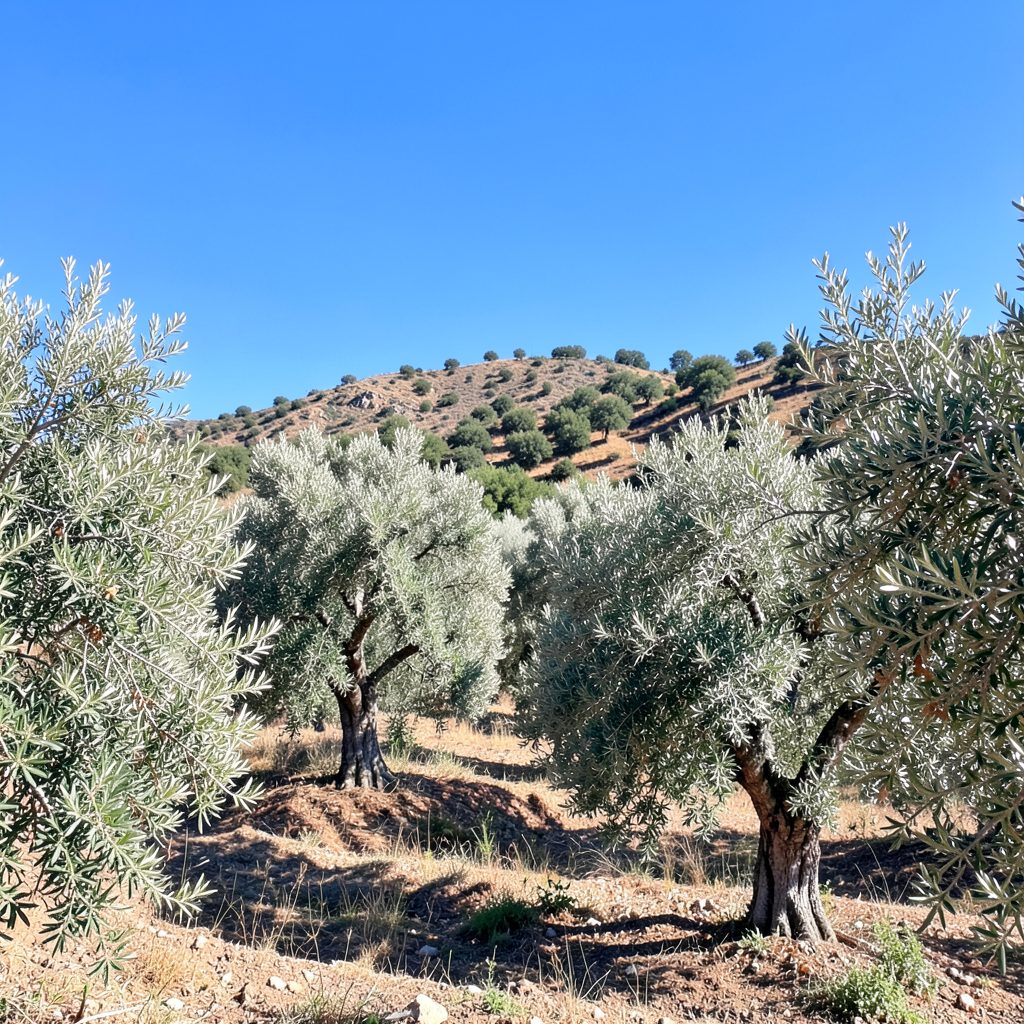
Producing vegetables without synthetic chemicals requires planning from the first preparation of the soil. Compost made from suitable plant material can improve fertility, while mulching helps reduce evaporation during hot, dry periods. These techniques are particularly useful in a climate where water conservation must remain a priority.
Crop rotation will also protect the ground from becoming exhausted and can reduce the spread of pests and plant diseases. Instead of growing the same vegetable in one bed year after year, participants can alternate crops with different nutritional needs.
Natural pest control may include planting flowers that attract beneficial insects, using physical barriers, and removing affected leaves early. Gardeners can learn to observe their plants carefully before choosing a treatment. This approach turns the allotments into small habitats as well as food-growing spaces.
The organic focus does not mean that the garden has to be difficult to manage. With shared advice and a seasonal planting guide, beginners can start with robust crops and gradually build their skills. Experienced growers can contribute local knowledge about sowing times, frost protection, and varieties that perform well in the area.
A neighborhood vegetable plot offers benefits that extend beyond the harvest. Regular gardening involves light physical activity, time outdoors, and a routine that can support emotional wellbeing. For older residents, it may provide a meaningful way to remain active and connected, while children can see how food develops from seed to plate.
The garden could become an informal classroom for local schools, families, and youth groups. Lessons might cover seed saving, pollination, composting, water efficiency, and the differences between seasonal and greenhouse produce. Children who take part in planting and harvesting often develop a stronger interest in fresh vegetables.
Sharing surplus crops can add another social dimension. Participants may exchange tomatoes, herbs, or leafy greens when one plot produces more than a household needs. A small harvest day or local produce exchange would give residents a chance to meet and celebrate the results of their work.
The initiative may also help preserve agricultural traditions that have shaped life around Agudo. Older gardeners can pass on knowledge of traditional varieties and practical techniques, while younger participants introduce new ideas about ecological design and responsible resource use.
Reliable irrigation will be one of the project’s most important requirements. The garden will need an agreed system for filling containers or watering beds, along with measures to prevent waste. Drip lines, mulch, morning watering, and rainwater collection can all help reduce pressure on available supplies where regulations permit.
Shared tools may include hoes, rakes, shovels, wheelbarrows, stakes, and pruning equipment. A secure storage point would prevent each gardener from having to purchase a complete set of tools. A sign-out system and regular maintenance can keep the equipment available for everyone.
The site should also be accessible to people with different physical abilities. Wide paths, raised beds, seating, and a shaded rest area would make participation easier for older gardeners and people with limited mobility. Even small design decisions can determine whether a community space feels genuinely open to all.
Residents can follow practical local information, announcements, and other useful resources through the Agudo services section, alongside updates that may help them plan visits around weather conditions and community schedules.
The allotments will need more than growers. Volunteers may be useful during the initial clearing and preparation of the land, while people with experience in building, irrigation, education, or communications could support the project in different ways.
Local businesses and associations may also contribute materials, seeds, tools, or technical assistance. A nursery could provide advice on suitable varieties, while a neighborhood group might help organize workshops or a harvest event. Contributions do not have to be large to make a practical difference.
Residents interested in joining should watch for information about applications, plot availability, opening dates, and participation requirements. It is also worth considering how much time can be devoted each week, since even a small allotment needs regular care during the growing season.
A successful garden will depend on steady participation rather than a single opening event. Regular workdays, clear communication, and a respectful approach to shared space can turn the project into a lasting part of Agudo’s social and environmental life.
As the site develops, residents will have the chance to help shape its identity. The first planting season may bring practical lessons, unexpected challenges, and plenty of opportunities to improve the layout and routines. With cooperation from growers, associations, and the wider community, the new plots can become a reliable source of organic produce and a welcoming meeting place on the edge of town.
Keep an eye on local announcements and community updates, sign up when applications are published, and take part in preparing Agudo’s new garden for its first harvest.
Stay informed with local news updates covering Agudo and the surrounding region. Browse the Hemeroteca for past articles and keep up with what matters in the community.
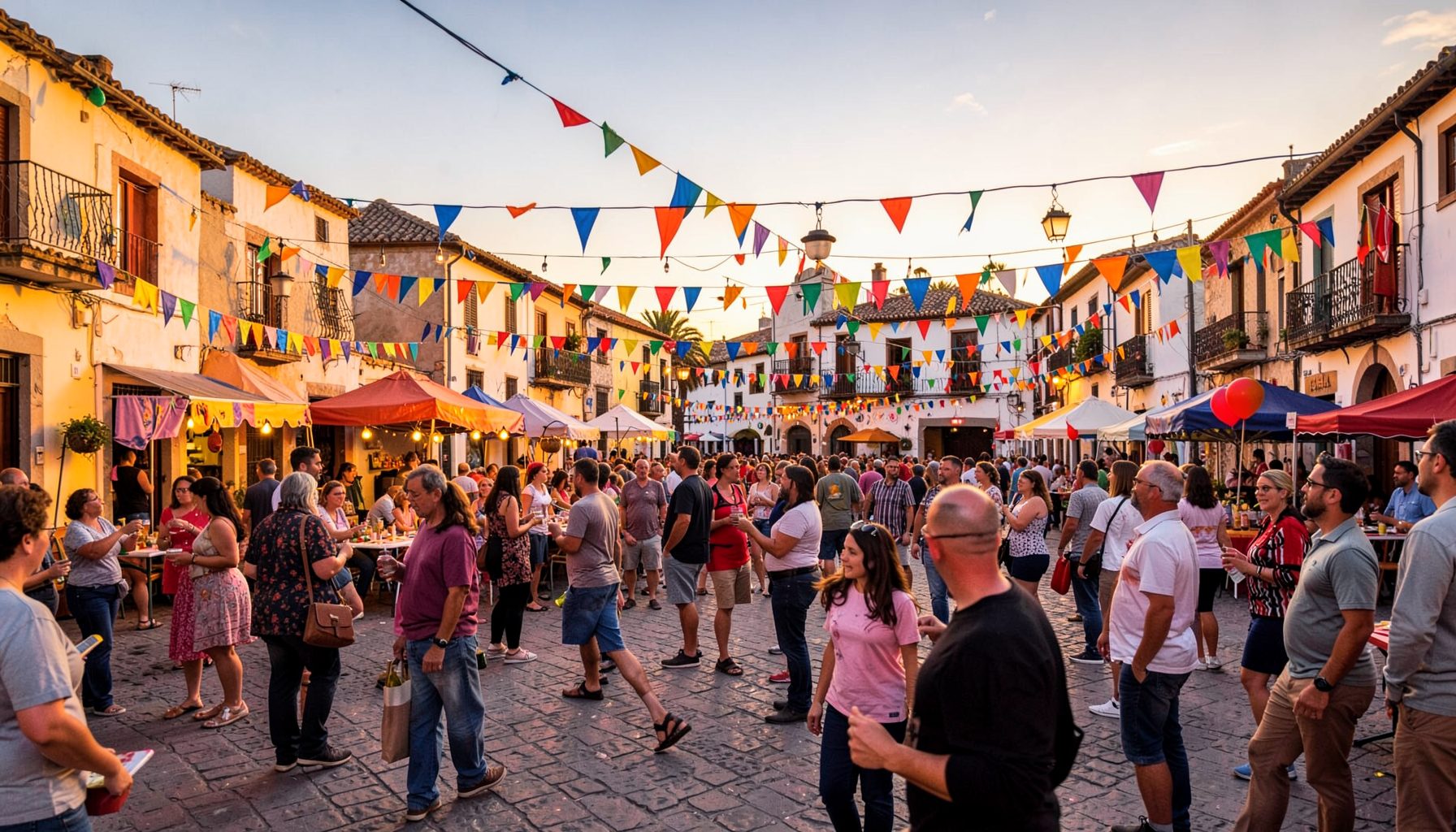
Join the conversation in the Agudo community forums. Access the Foro antiguo archive and participate in discussions with fellow residents and visitors.
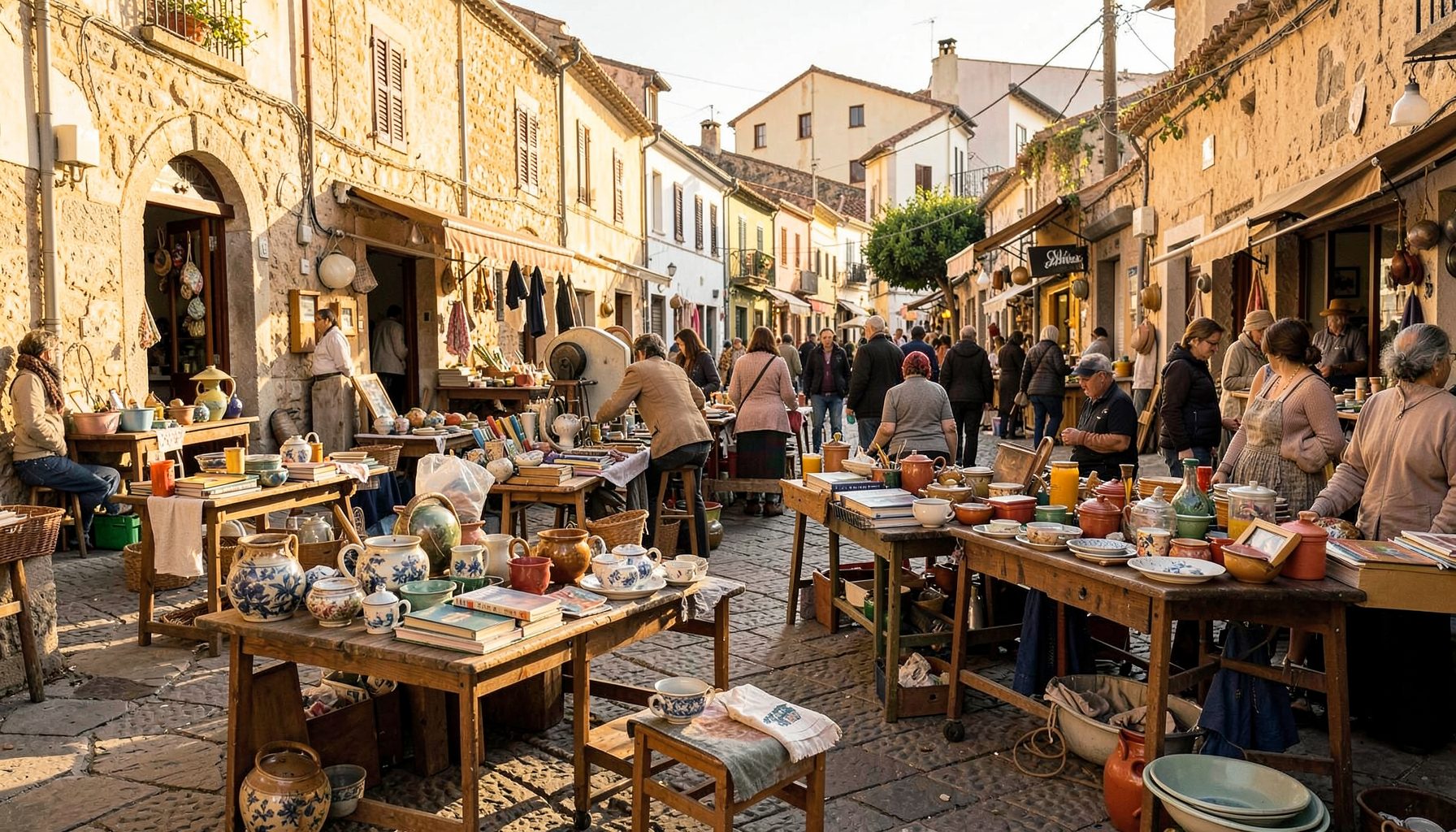
Browse local second-hand listings in the Agudo area. A convenient marketplace for buying and selling within the community.
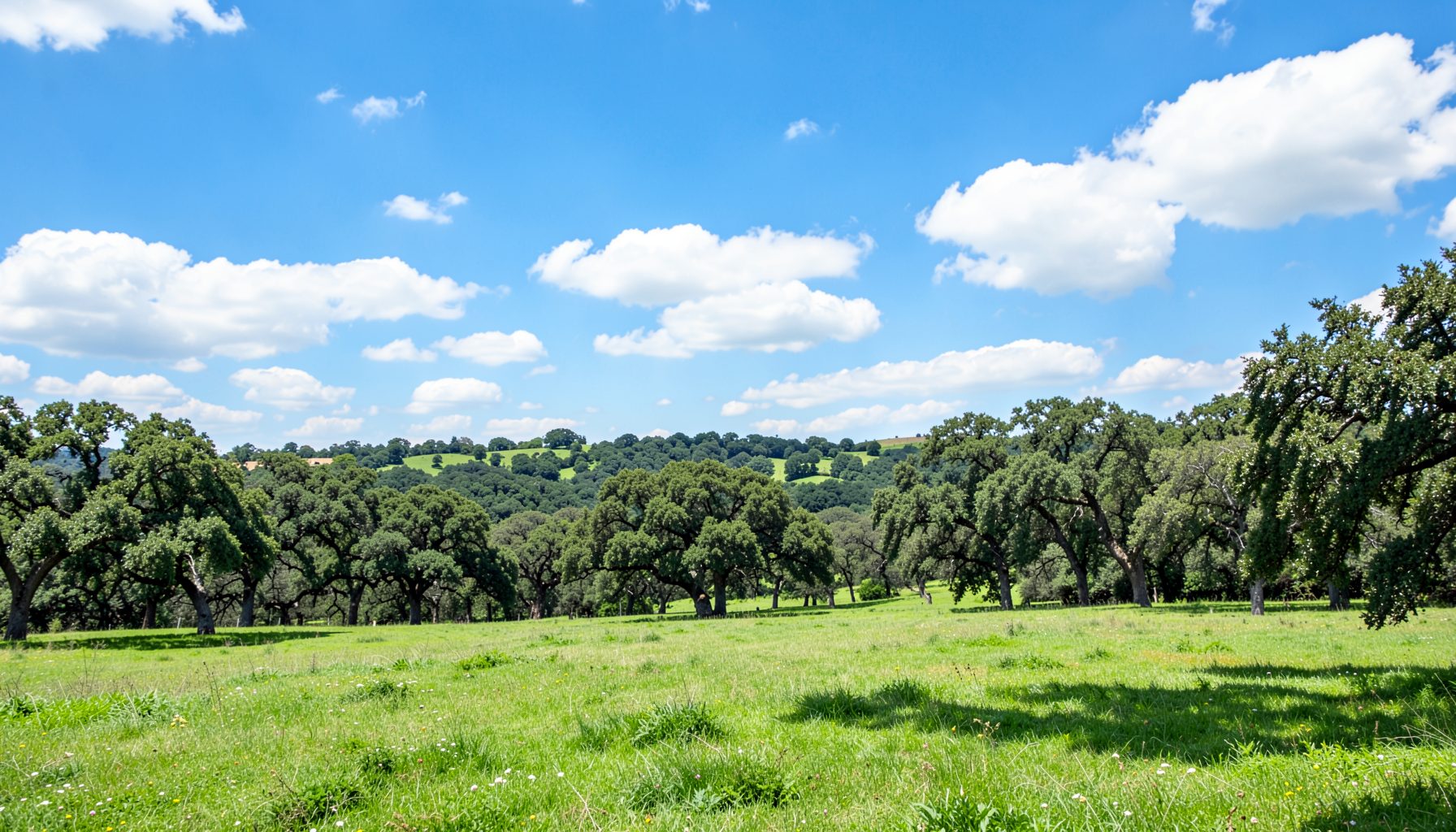
Explore our directory of recommended links, including the Ayuntamiento de Ciudad Real, Lagunas de Ruidera, Parque de Cabañeros, Agudo Joven, and Balneario Cervantes.
Access practical tools including Prensa links, radio, horóscopo, Loterías results, a leisure guide, recipes, a dictionary, and Street View integration.
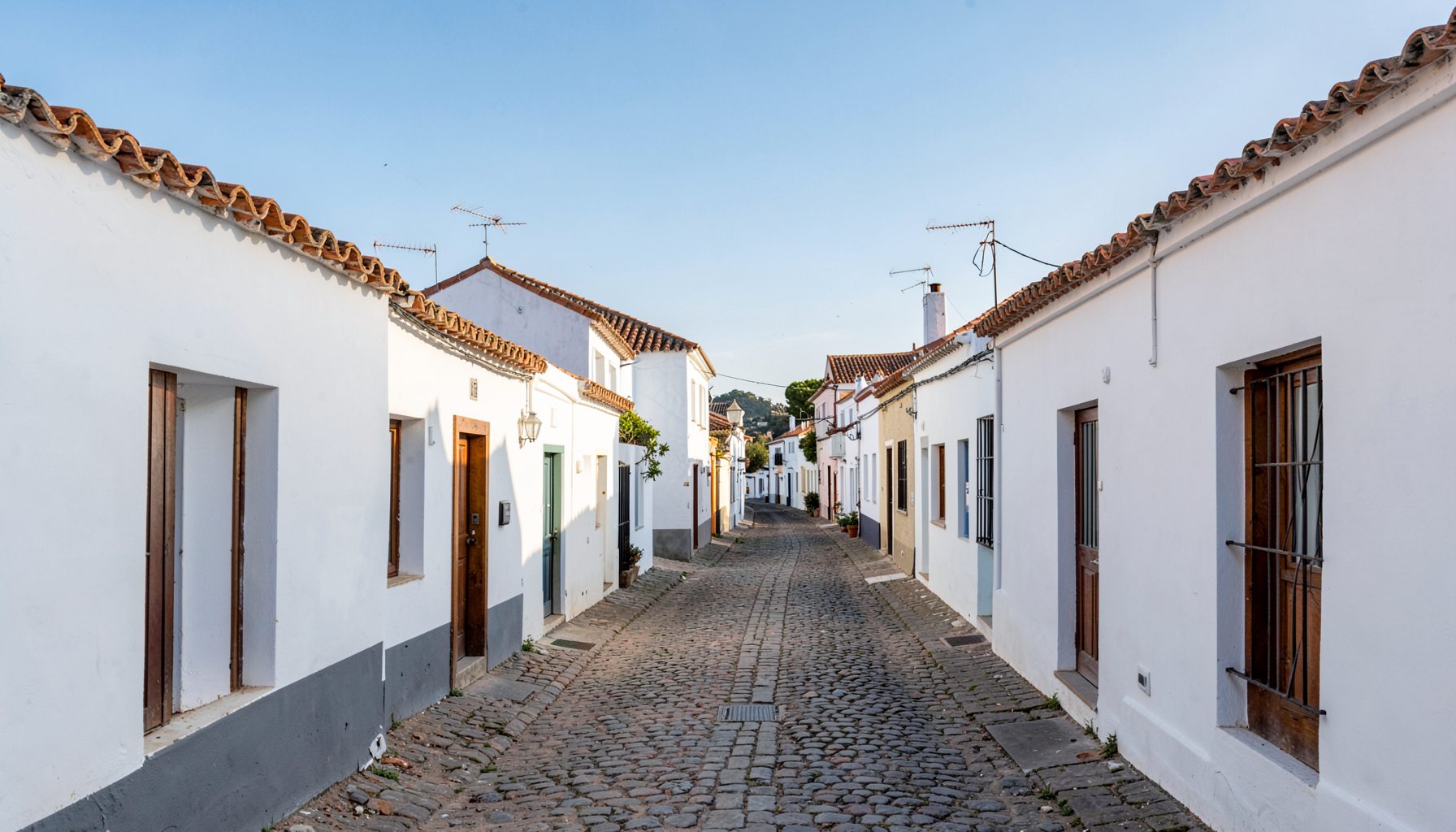
Watch videos showcasing Agudo and the surrounding region. A visual tour of local life, landscapes, and community events.