Stay informed with local news updates covering Agudo and the surrounding region. Browse the Hemeroteca for past articles and keep up with what matters in the community.
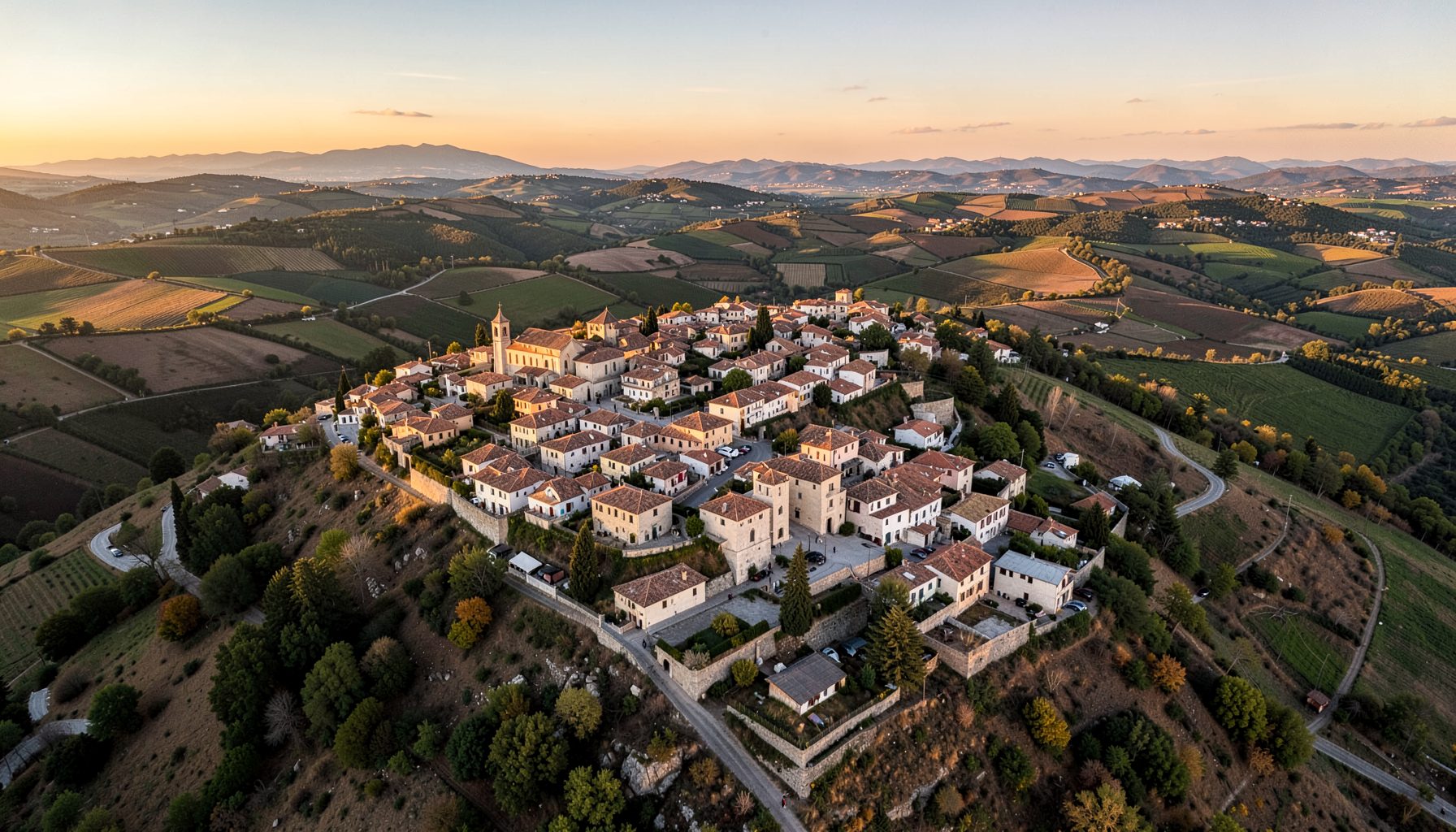
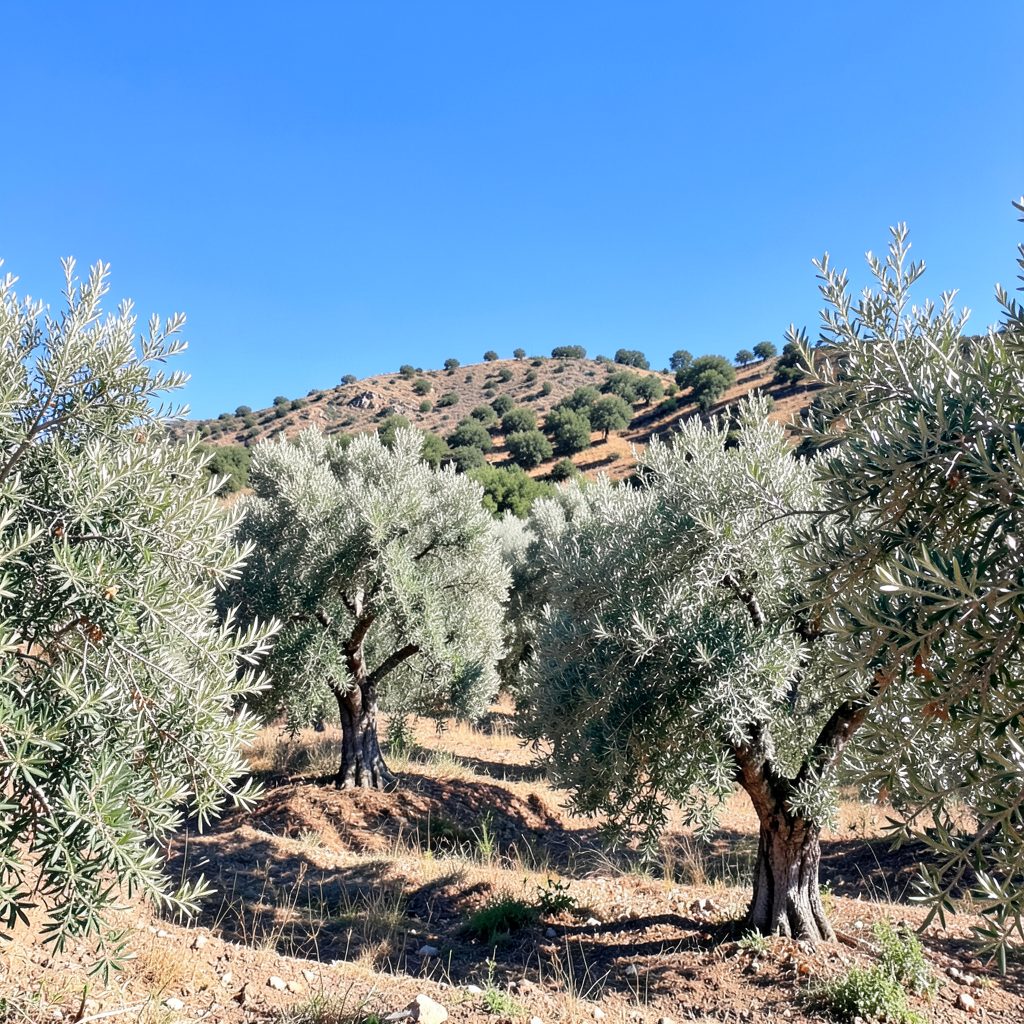
The olive harvest in Agudo is getting underway earlier than many residents expected after an unusually warm autumn across the Campo de Montiel and wider Ciudad Real area. Higher temperatures through October and November have accelerated fruit development, prompting some growers to bring workers, machinery, and transport plans forward.
The first weeks of picking are important for both family farms and larger agricultural operations. Harvest timing affects the balance between yield, oil quality, fruit condition, labour availability, and the workload at local mills. A few days can change the character of the oil, particularly when olives are moving quickly from green to purple or black.
For residents, the early season is visible in the countryside around Agudo. Tractors and trailers appear on rural roads, nets are spread beneath trees, and agricultural activity becomes a familiar part of daily life. The season also connects current residents with former neighbours and families who return to help with traditional winter work.
Olive trees respond to accumulated warmth, soil moisture, variety, and exposure. When autumn temperatures remain above their usual seasonal pattern, fruit can reach harvest maturity sooner. The change does not affect every plot equally: trees on dry land, shaded slopes, irrigated parcels, and sheltered sites may all develop at different speeds.
Many growers judge readiness by checking colour, firmness, ease of detachment, and the condition of the flesh. A green olive can produce a lively, bitter oil with strong aromas, while a riper fruit generally offers a softer profile and may be easier to collect. The best moment depends on the producer’s priorities and the condition of each grove.
The early start does not mean every olive in the municipality should be harvested immediately. Some farmers may wait for additional maturity, especially where fruit remains healthy and weather forecasts are favourable. Others may prefer to reduce the risk of wind damage, falling fruit, pests, or a sudden cold spell by beginning earlier than usual.
Harvesting sooner can help preserve freshness when olives are delivered rapidly to an efficient mill. Fruit picked before over-ripening often has a greener aroma and a more pronounced flavour. Its oil may show notes associated with fresh grass, almond, herbs, or green tomato, depending on the variety and growing conditions.
There are trade-offs. Earlier fruit tends to contain less oil by weight than fully mature olives, so a grower may obtain a lower extraction rate even when the resulting oil has excellent sensory qualities. Waiting can increase the volume of oil, but prolonged ripening may reduce freshness if fruit becomes damaged or remains exposed to heat.
The route from tree to mill is especially significant in a warm season. Olives should be handled carefully, kept in ventilated crates, and processed without unnecessary delays. Deep piles, plastic bags, and long periods in a trailer can raise temperatures and encourage fermentation, undermining the quality gained through careful harvesting.
Olive picking remains a shared activity in many families around Agudo. Relatives and friends often coordinate transport, meals, equipment, and short-term work according to the needs of each holding. Even mechanised harvesting requires planning, as people must prepare access routes, clear branches, move nets, and monitor filled containers.
The start of the campaign also affects local commerce. Fuel stations, agricultural suppliers, repair workshops, food shops, and transport services may see extra demand while the harvest is active. Seasonal work brings movement through the municipality and creates a practical link between rural production and the services residents use throughout the year.
Images of the campaign help preserve that local story. Scenes of groves, traditional hand-picking, modern vibrating machinery, and loaded trailers can be shared through the Agudo image gallery, creating a visual record of a season that may look different from previous years.
| Harvest factor | Earlier picking may offer | Points to monitor |
|---|---|---|
| Fruit colour | Fresher, greener aromas | Lower oil yield in some plots |
| Warm weather | Faster maturity and easier access | Rapid over-ripening or dehydration |
| Milling speed | Better preservation of freshness | Delays can increase acidity and defects |
| Labour planning | More time to spread the workload | Competition for workers and machinery |
| Rural roads | More activity and local trade | Tractors, trailers, and reduced visibility |
| Weather risk | Less exposure to late storms | Possible loss if harvesting begins too soon |
An early olive campaign increases traffic on roads connecting Agudo with nearby agricultural areas. Tractors towing trailers may travel slowly, while machinery can enter and leave narrow lanes with little warning. Drivers should reduce speed near bends, farm entrances, and junctions commonly used by agricultural vehicles.
Visibility becomes particularly important during early morning and late afternoon, when many harvesting crews begin or finish their work. Dust, low light, mud, and loose branches can make conditions less predictable. Agricultural workers should use high-visibility clothing where appropriate, keep equipment clear of access routes, and make sure loads are secure before transport.
Landowners and contractors can also reduce disruption by organising collection points and avoiding unnecessary storage time in the field. Clear communication between the grove, transport team, and mill helps prevent queues and protects the quality of harvested fruit. A well-coordinated operation is safer for workers and more efficient for producers.
Weather reports provide useful guidance, but growers rely heavily on observation. The appearance of the fruit, the moisture in the soil, recent wind, pest activity, and the state of the tree all influence the decision to pick. Local knowledge is especially valuable because small differences in altitude and exposure can produce different conditions within the same municipality.
Warm autumns can also raise questions about future harvests. A single early season does not establish a permanent trend, yet repeated changes in temperature and rainfall encourage farmers to review pruning, soil management, irrigation, variety selection, and harvesting equipment. Keeping notes from year to year can help identify patterns in flowering, fruit set, maturation, and yield.
The olive campaign is therefore a useful local indicator of broader environmental change. It reflects how rural communities adapt to weather conditions while maintaining a crop central to food, culture, and household economies across the province. Reports from farmers, mills, and residents add detail that general regional forecasts cannot provide.
Residents, visitors, and agricultural teams can help the campaign run smoothly by paying attention to a few simple practices:
For households producing a small quantity of olives, early preparation can prevent last-minute problems. Nets, poles, pruning tools, containers, gloves, and vehicle checks should be completed before the busiest days. Families may also benefit from agreeing in advance who will pick, transport, supervise children, and handle delivery to the mill.
People who no longer live in Agudo can still follow the season from a distance. Local photographs, community updates, municipal notices, and agricultural information help former residents remain connected with the landscape and the families who continue working it. The Agudo community portal brings together local information that can make these seasonal changes easier to follow.
The early olive harvest is more than a shift in the agricultural calendar. It is a visible sign of changing weather, a test of farm organisation, and a period that brings people into close contact with Agudo’s rural surroundings. As the campaign progresses, residents can support local producers by travelling carefully, respecting working areas, sharing useful information, and valuing the knowledge behind every container of olives.
Stay informed with local news updates covering Agudo and the surrounding region. Browse the Hemeroteca for past articles and keep up with what matters in the community.
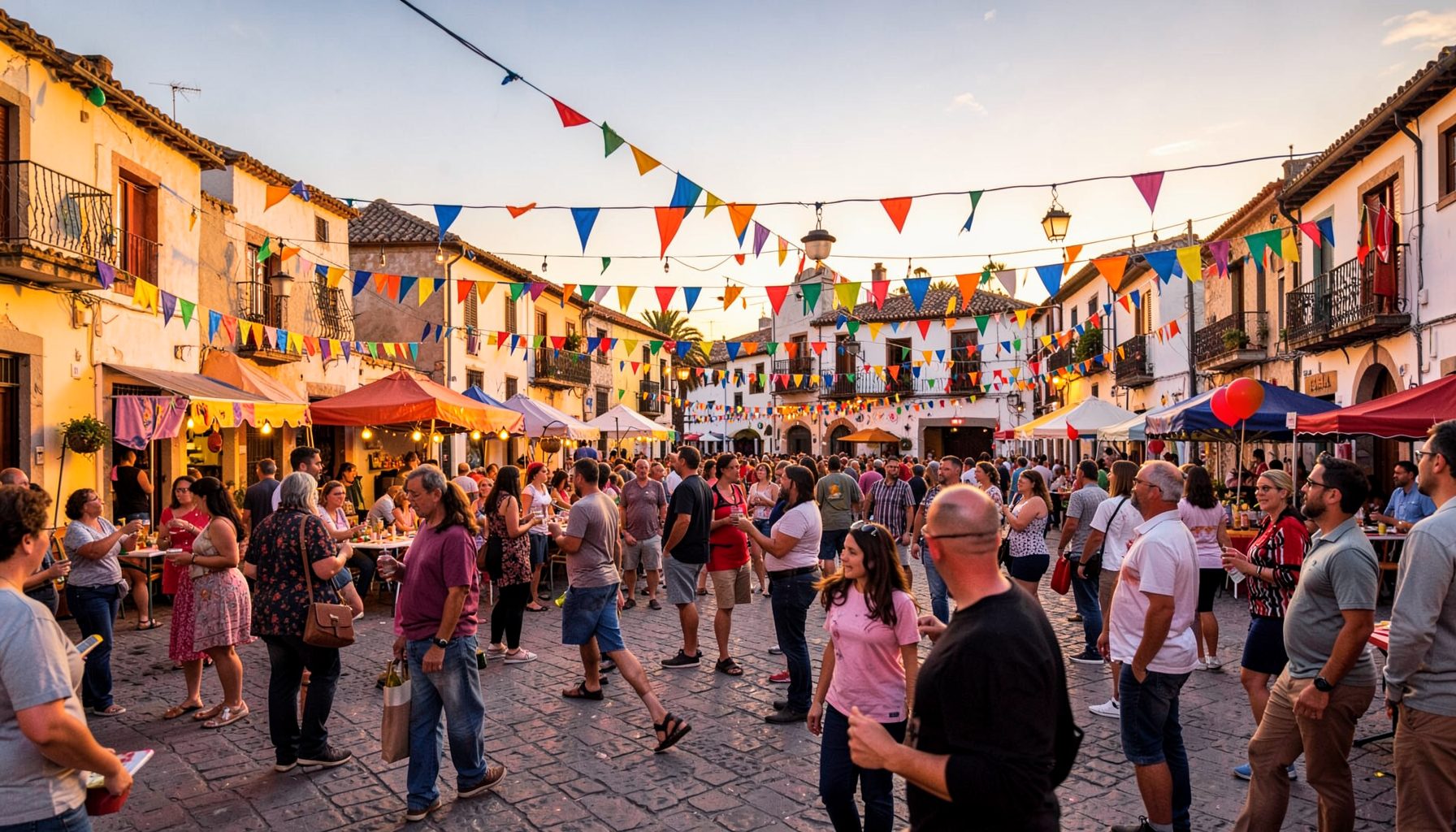
Join the conversation in the Agudo community forums. Access the Foro antiguo archive and participate in discussions with fellow residents and visitors.
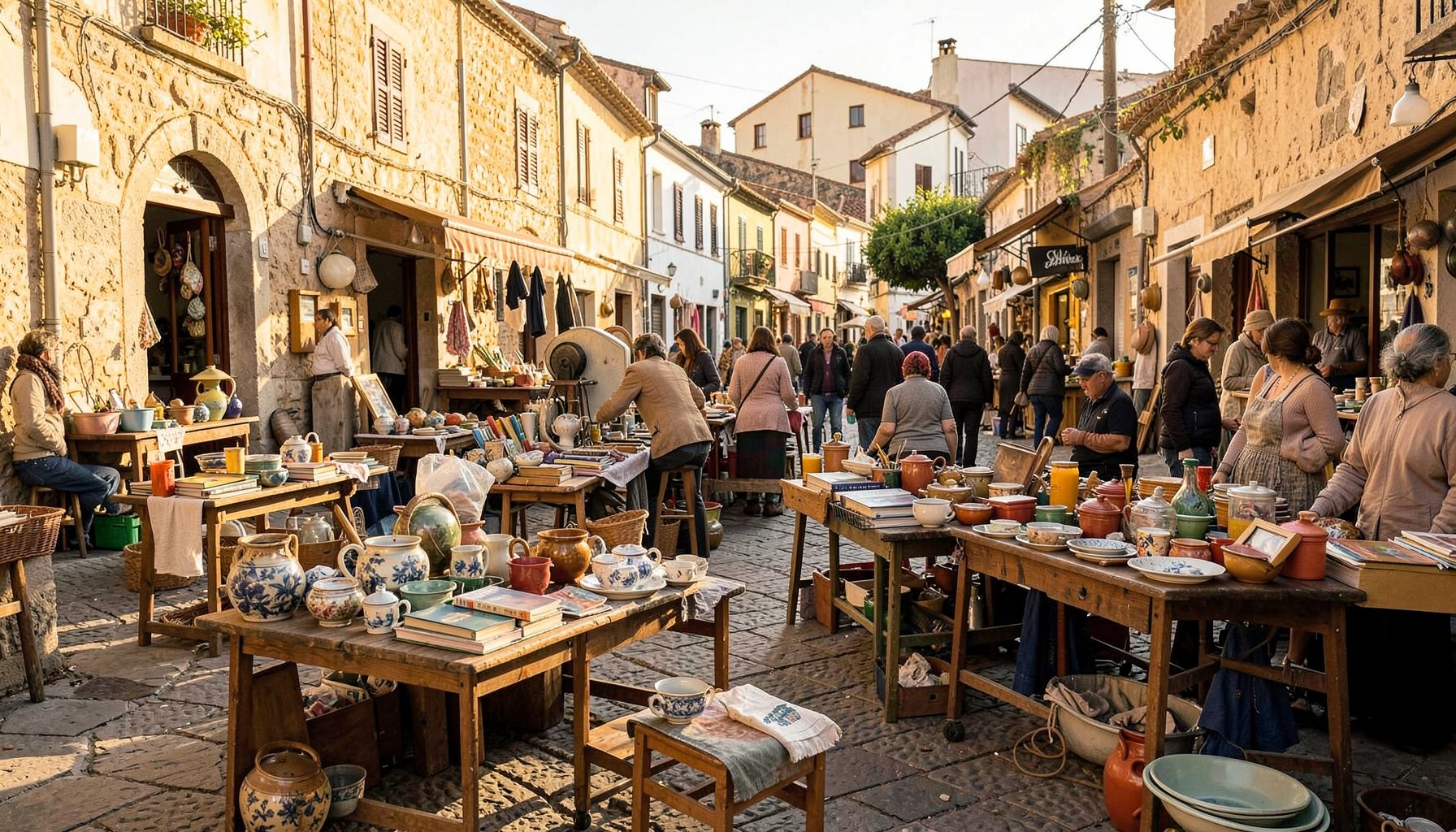
Browse local second-hand listings in the Agudo area. A convenient marketplace for buying and selling within the community.
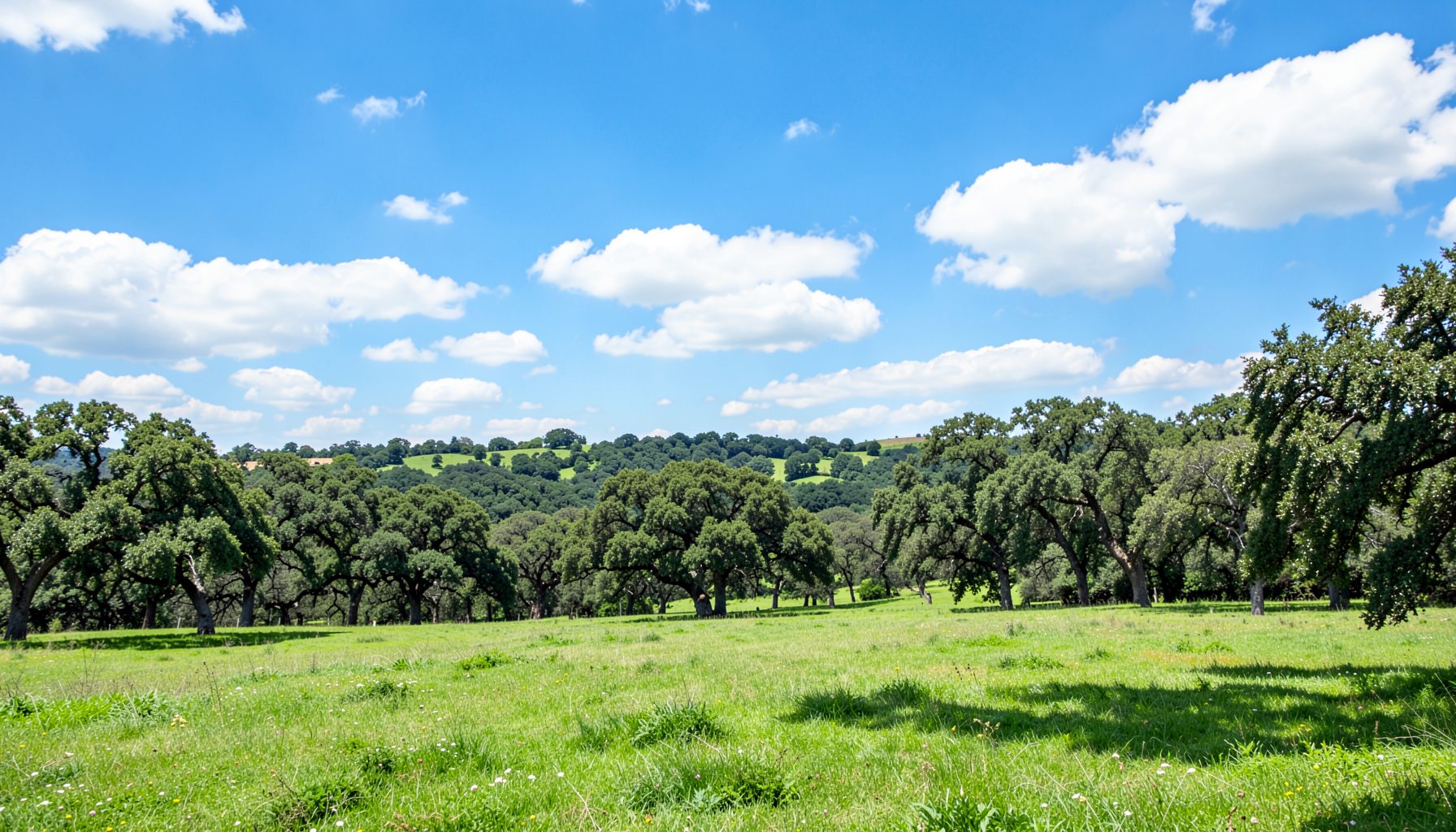
Explore our directory of recommended links, including the Ayuntamiento de Ciudad Real, Lagunas de Ruidera, Parque de Cabañeros, Agudo Joven, and Balneario Cervantes.
Access practical tools including Prensa links, radio, horóscopo, Loterías results, a leisure guide, recipes, a dictionary, and Street View integration.
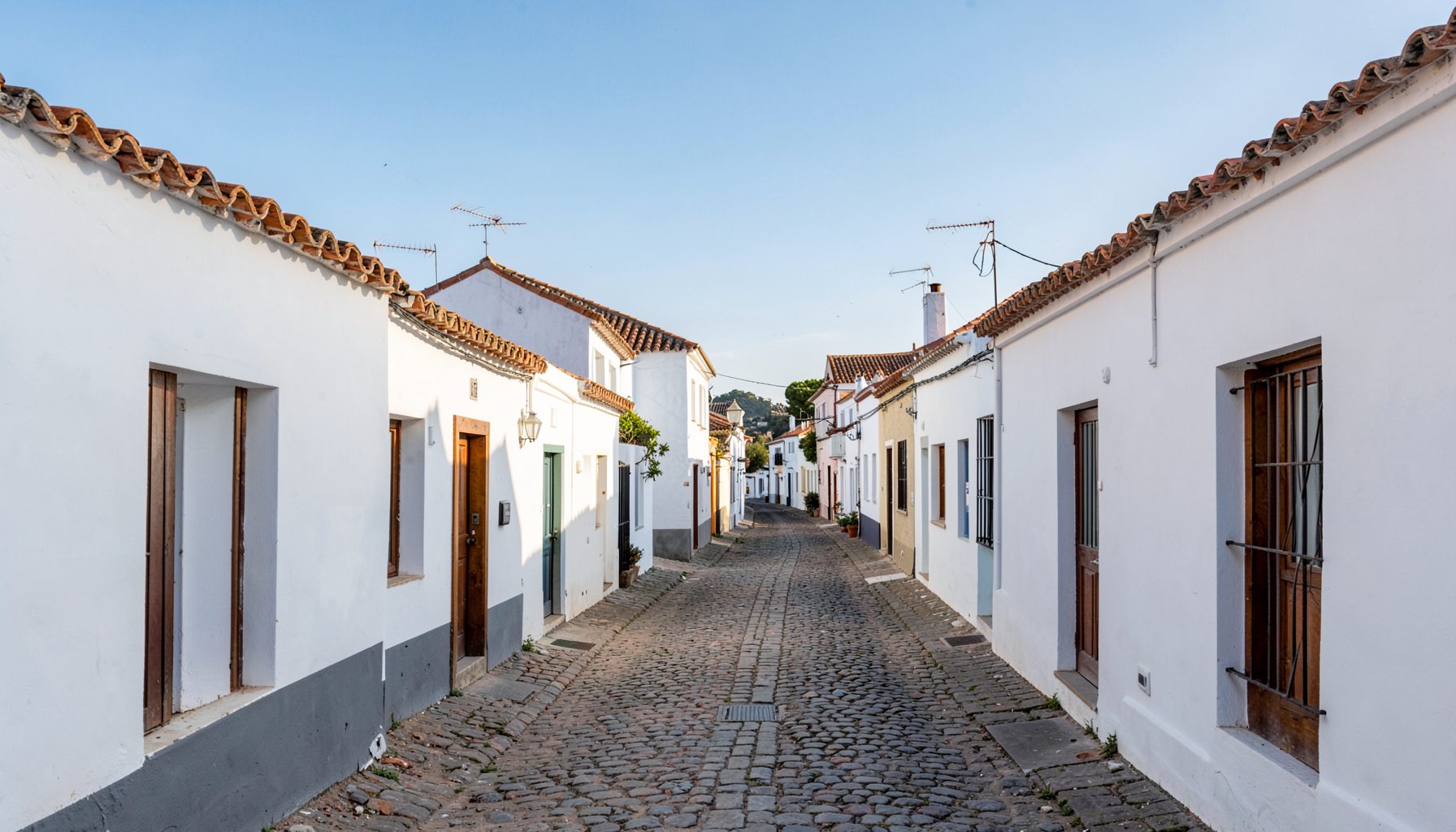
Watch videos showcasing Agudo and the surrounding region. A visual tour of local life, landscapes, and community events.