Stay informed with local news updates covering Agudo and the surrounding region. Browse the Hemeroteca for past articles and keep up with what matters in the community.
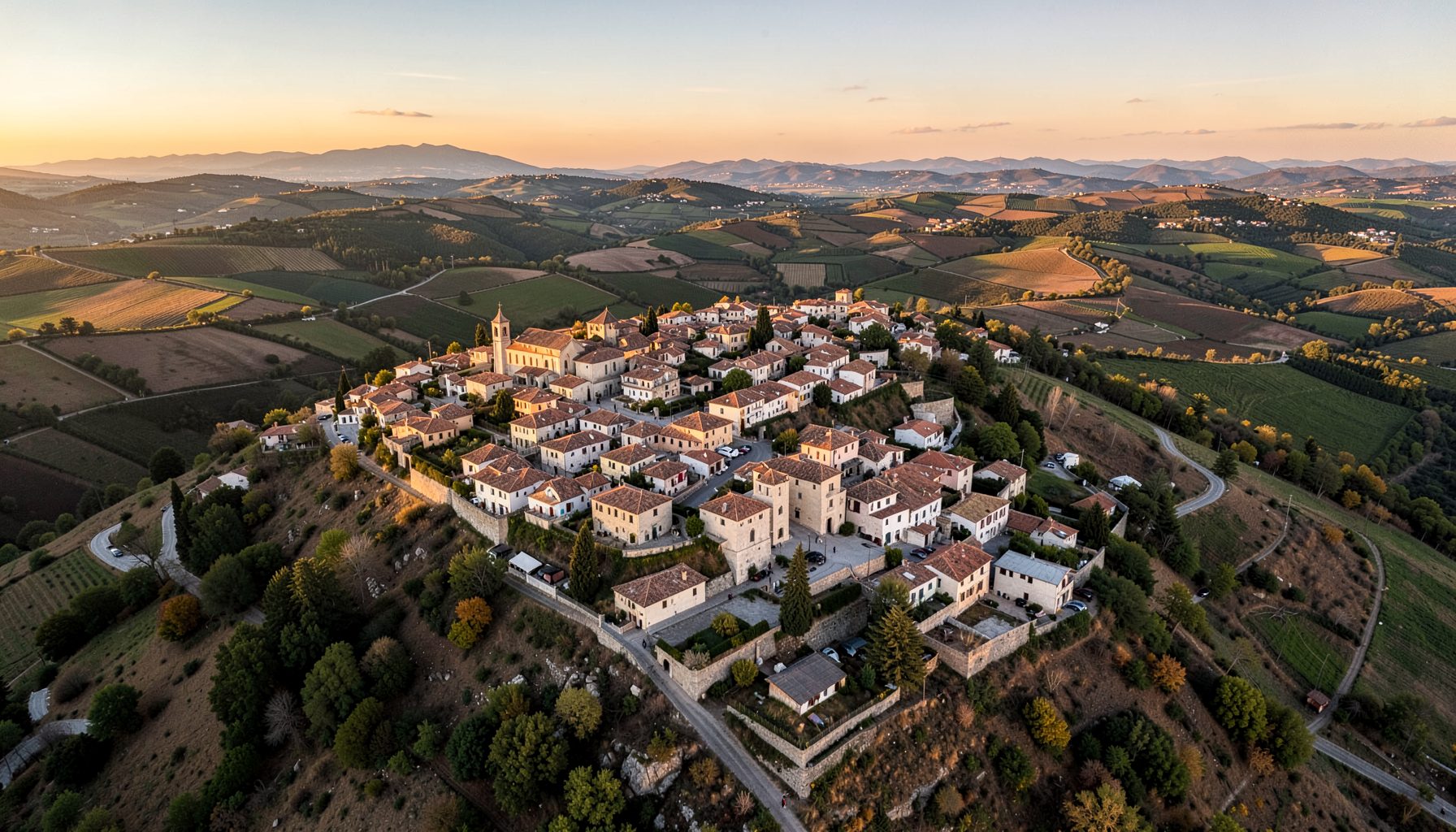
A group of climbers from Agudo has been exploring the dramatic rock walls and narrow passages of the Cijara gorge, turning a demanding outdoor outing into a shared lesson in technique, landscape care, and local adventure. The excursion brought together experienced participants and newer members eager to discover one of the most striking natural settings within reach of the municipality.
The gorge, shaped by the waters of the Cíjara reservoir and the rugged terrain of the surrounding sierras, offers a very different landscape from the open plains often associated with Ciudad Real. Its steep escarpments, exposed ledges, scrub-covered slopes, and changing light make every approach feel like part of the adventure.
For the club, the ascent was less about speed than preparation and judgment. Each pitch required careful route reading, secure belaying, and attention to the condition of the rock. The day also showed why climbing in a protected-looking natural environment demands responsibility from everyone who visits.
The approach to the gorge began on foot, with the climbers carrying ropes, helmets, harnesses, carabiners, and personal protection equipment over uneven ground. Paths narrowed as the group moved closer to the walls, and loose stones made a measured pace essential. Even before the first climb, the route tested balance and endurance.
The escarpments vary considerably in texture. Some sections provide broad surfaces with clear handholds, while others require precise foot placement and controlled movement. Small cracks, shelves, and weathered pockets allow climbers to build a line, but the rock also demands constant assessment before weight is transferred.
A local climbing day is shaped by the weather as much as by the route. Strong sun can make exposed faces uncomfortable, while wind moving through the gorge can affect communication between climber and belayer. The group therefore divided the activity into manageable stages, taking breaks in shaded areas and checking equipment throughout the ascent.
The outing gave less experienced climbers an opportunity to practise the fundamentals away from an indoor wall. Reading a route from below, identifying the safest sequence of holds, and keeping the body close to the rock are skills that develop through observation as much as repetition.
Communication was especially important on the gorge walls. Short, clear commands helped climbers coordinate movement when the shape of the escarpment made it difficult to see one another. Before each attempt, partners reviewed rope position, anchor points, helmet fit, and the direction of the proposed line.
Experienced members also helped newcomers understand when to stop. A route can look accessible from the ground and feel entirely different once a climber reaches a small ledge or exposed corner. Knowing how to retreat, rest, or choose an easier line is part of sound climbing practice, not a sign of failure.
The club’s approach placed emphasis on shared responsibility. Climbers carried their own equipment, watched for loose material above and below, and avoided moving beneath active sections of the wall. These habits reduce risk and help preserve a calm atmosphere in a setting where a minor mistake can have serious consequences.
The Cijara gorge is valuable far beyond its climbing potential. Its rocky walls provide shelter for birds and other wildlife, while the surrounding vegetation supports a varied Mediterranean ecosystem. Climbers moving quietly along the escarpments may notice raptors circling above the reservoir, tracks in the soil, or plants growing in cracks that seem too narrow to sustain life.
That natural richness places limits on recreational activity. The group avoided sensitive areas, kept noise low, and carried out every item brought into the gorge. Chalk use was kept under control, and no attempt was made to alter the rock by adding holds, cleaning large sections, or leaving permanent marks.
Good access also depends on good conduct. Parking should remain in appropriate spaces, gates and private boundaries must be respected, and waste should never be left near paths or viewpoints. Small actions matter in a rural area where municipal teams and landowners may have limited resources for maintenance.
The same principle applies in Agudo itself. Visitors and residents rely on shared public spaces before and after outdoor activities, and recent attention to local facilities has been welcomed by the community. The renovated square toilets are a practical improvement for people attending events, passing through the town, or preparing for a day in the surrounding countryside.
| Aspect | Practical focus | Why it mattered |
|---|---|---|
| Route choice | Selecting walls suited to ability and conditions | Reduced unnecessary exposure and kept the group together |
| Equipment | Helmets, harnesses, ropes, carabiners, and anchors | Supported safe movement and reliable belaying |
| Weather | Monitoring heat, wind, and changing light | Influenced comfort, grip, visibility, and timing |
| Communication | Using agreed commands between climbers | Prevented confusion around ledges and blind sections |
| Environmental care | Avoiding sensitive areas and removing all waste | Protected the gorge and maintained access for others |
| Group support | Pairing experienced climbers with newer members | Built confidence while keeping decisions measured |
The equipment list was only one part of the preparation. Participants also carried water, food, sun protection, first-aid supplies, and a charged phone, while leaving someone informed about the planned route. In a remote or uneven landscape, a small delay can become a larger problem if a return time has not been considered.
The club assessed the day according to conditions rather than ambition. Some climbers completed more than one section, while others concentrated on a single line and practised movement under supervision. That flexible approach allowed the group to share the experience without turning the outing into a race.
Climbing can appear individual when viewed from a distance, yet a safe ascent depends on cooperation. A climber may make the visible movement up the wall, but a partner manages the rope, another person checks the system, and the wider group remains alert to changing conditions.
This shared structure has helped the local club grow as a community as well as a sports group. Members exchange knowledge about routes, weather, equipment care, and access. New participants gain confidence in a supportive environment, while more experienced climbers find opportunities to pass on techniques that are difficult to learn from written instructions alone.
The Cijara trip also connected sport with local identity. Residents who know the gorge as a distant landscape were able to see it as a place for responsible recreation, and participants from nearby communities brought attention to Agudo’s position as a gateway to countryside, reservoir views, and rural routes.
That connection can encourage a wider range of activities. Hiking, birdwatching, photography, trail running, and educational visits all benefit from the same basic principles: preparation, respect for land, and consideration for other users. A well-organised climbing outing can therefore have an impact beyond the people who reach the top of the wall.
Anyone planning a similar trip should treat the gorge as a serious outdoor environment rather than an informal picnic spot. Routes may be uneven, mobile coverage can vary, and the nearest assistance may not be close to the point where a problem occurs. Beginners should go with qualified or experienced climbers and use equipment that has been checked before departure.
The following habits can make a visit safer and more respectful:
Route planning should also include the return journey. Fatigue often appears after the final climb, when concentration falls and the group begins descending over loose terrain. Allowing extra time for retreat, pauses, and changing weather is a simple precaution that can prevent rushed decisions.
Local clubs can support this culture by organising introductory sessions, sharing access information, and keeping contact with municipal or environmental authorities when necessary. Clear guidance helps protect the area while making it easier for visitors to enjoy the gorge without placing unnecessary pressure on its natural or public resources.
The day on the Cijara escarpments left the club with more than photographs and tired muscles. It reinforced the value of patient preparation, trusted partners, and careful attention to the landscape. Every successful pitch depended on decisions made before the rope was loaded, and every safe return depended on knowing when to continue and when to turn back.
For Agudo, these outings offer a positive way to present the wider area and encourage residents to explore it responsibly. The combination of local knowledge and outdoor enthusiasm can help create activities that are healthy, educational, and respectful of the countryside.
Residents, former residents, and visitors can follow Agudo’s community news, images, videos, and event updates through the local portal, then share their own experiences from routes and gatherings around the municipality. A climbing day in the Cijara gorge may begin with a rope and a rock face, but its wider value is found in the connections it builds between people and place.
Stay informed with local news updates covering Agudo and the surrounding region. Browse the Hemeroteca for past articles and keep up with what matters in the community.
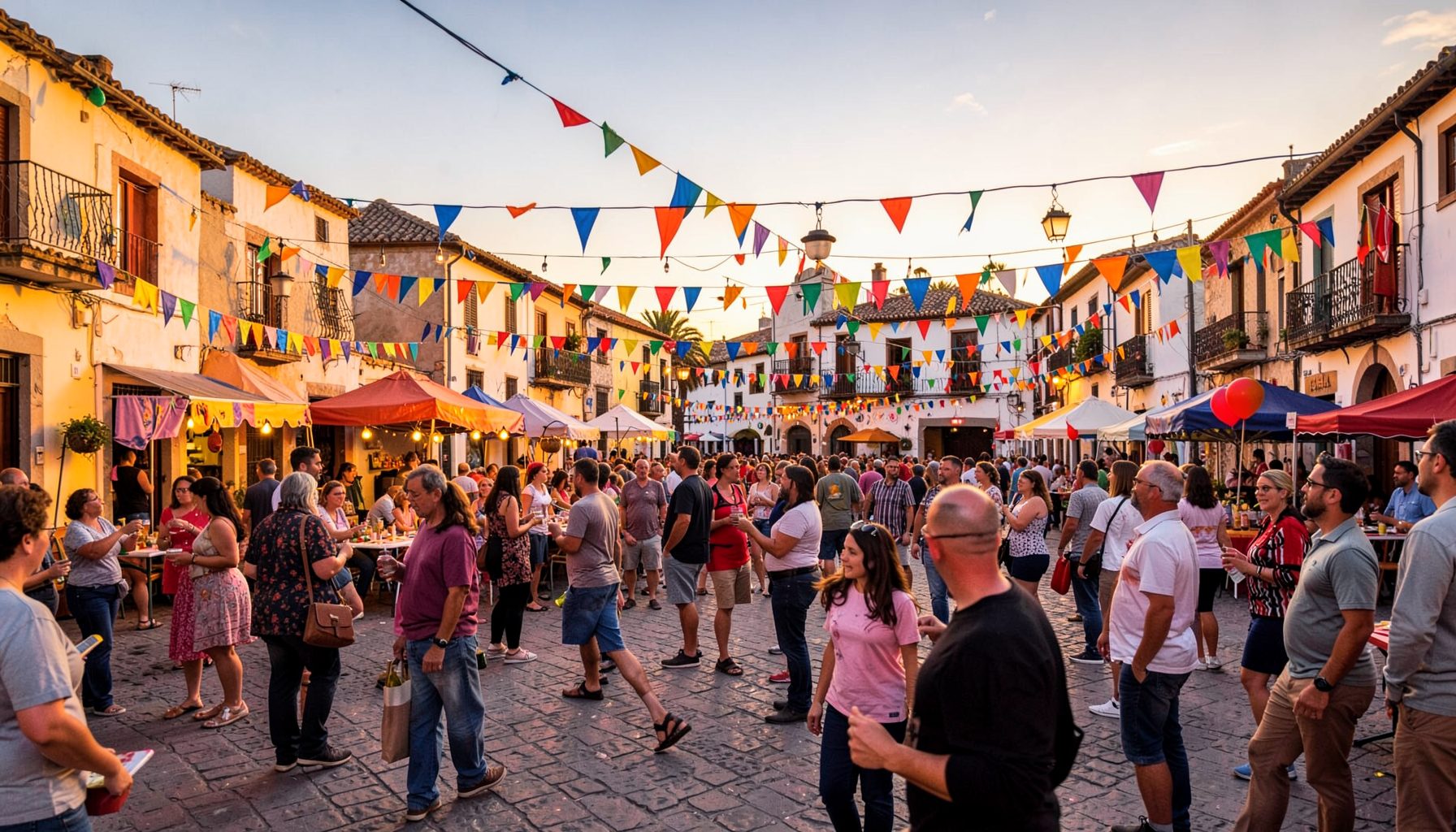
Join the conversation in the Agudo community forums. Access the Foro antiguo archive and participate in discussions with fellow residents and visitors.
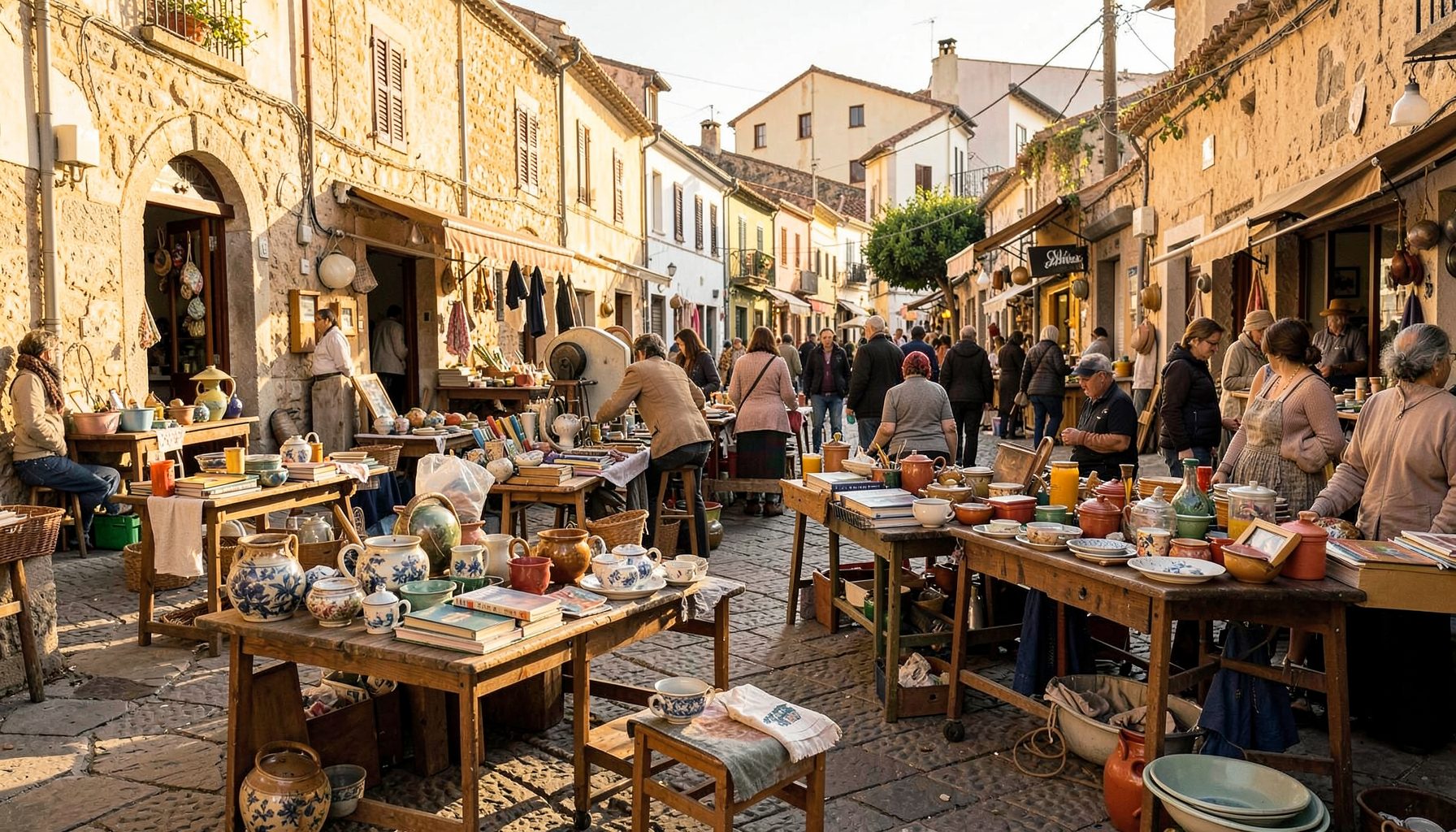
Browse local second-hand listings in the Agudo area. A convenient marketplace for buying and selling within the community.
Explore our directory of recommended links, including the Ayuntamiento de Ciudad Real, Lagunas de Ruidera, Parque de Cabañeros, Agudo Joven, and Balneario Cervantes.
Access practical tools including Prensa links, radio, horóscopo, Loterías results, a leisure guide, recipes, a dictionary, and Street View integration.
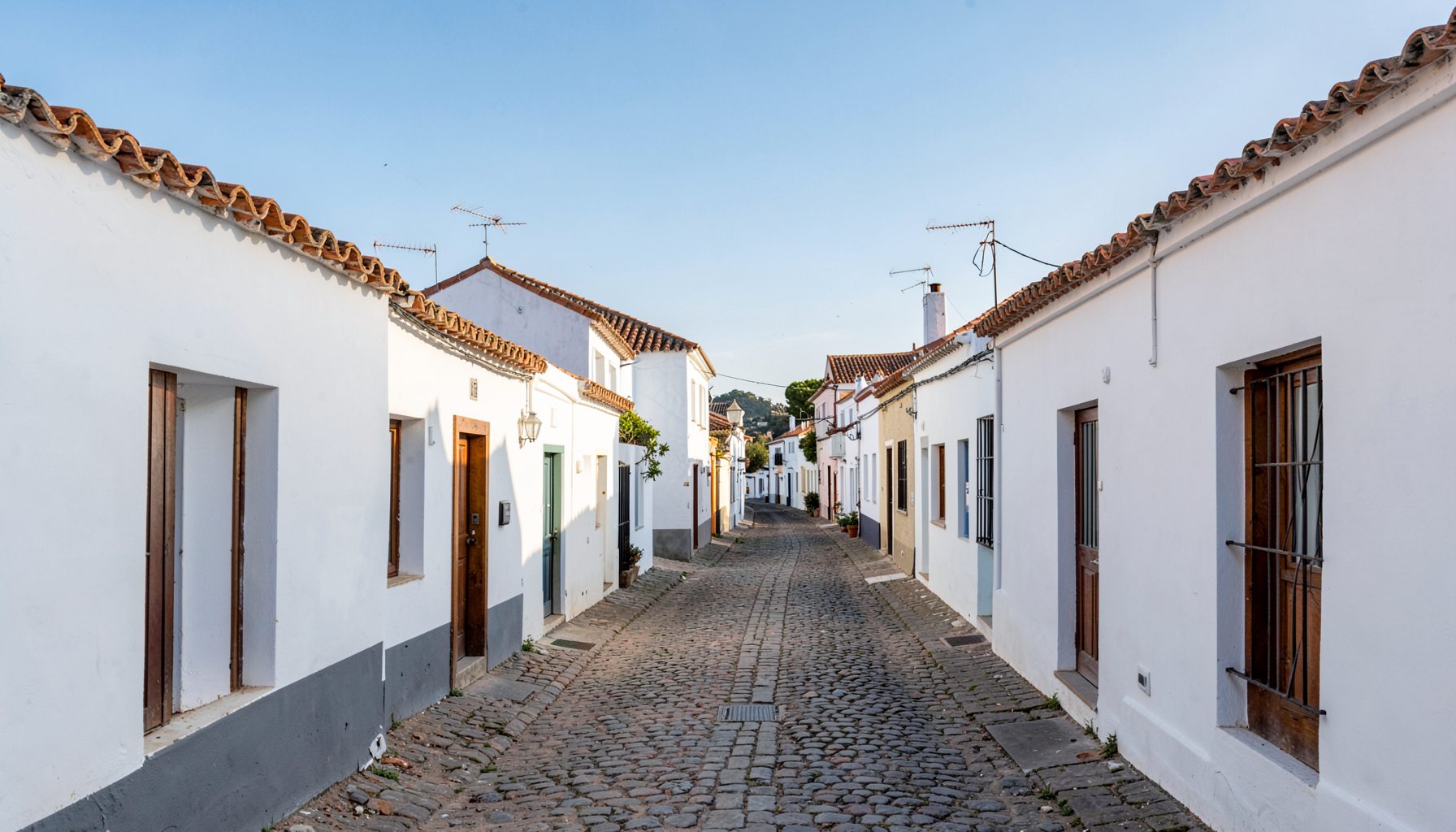
Watch videos showcasing Agudo and the surrounding region. A visual tour of local life, landscapes, and community events.