

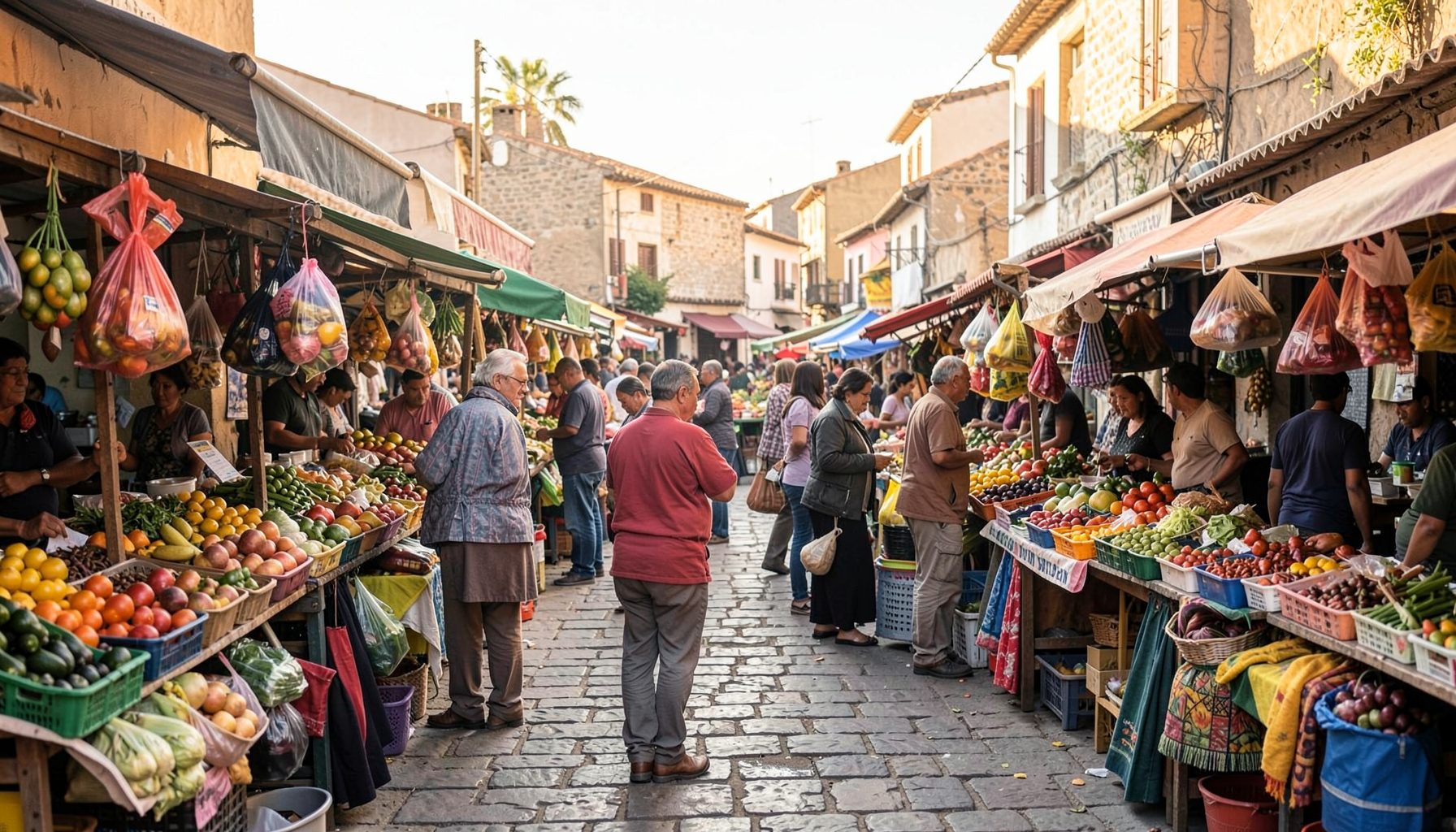
Stay informed with local news updates covering Agudo and the surrounding region. Browse the Hemeroteca for past articles and keep up with what matters in the community.

A sudden spell of cold weather in early April has caused serious losses for a beekeeper in Agudo, raising concern among local producers who depend on healthy colonies through the spring season. Temperatures fell sharply just as bees were becoming more active, flowers were opening across the countryside, and hives were beginning their most demanding period of the year.
The beekeeper says the cold arrived at a difficult moment. Colonies had already expanded after warmer days, but the drop in temperature reduced flight activity and made it harder for worker bees to maintain brood at the centre of the hive. Several colonies are now weaker than expected, while others may need weeks of careful management before they can recover.
For a rural community such as Agudo, the incident reaches beyond one apiary. Beekeeping supports pollination, contributes to farm income, and preserves a traditional activity closely linked to the landscape of Ciudad Real. The losses have therefore attracted attention from neighbours, growers, and other people who keep bees in the surrounding area.
The main difficulty was the speed of the weather change. A run of mild days encouraged bees to leave their hives, gather pollen, and raise new generations. When cold air arrived, many insects were unable to forage normally, while the colonies still had to protect eggs and larvae from the falling temperature.
Honey bees regulate the heat of the brood nest by forming a dense cluster. That process requires large numbers of adult workers and a steady supply of food. If the cold lasts long enough, bees may abandon outer frames, consume stored honey quickly, or fail to cover all the developing brood. This can lead to chilled larvae and a rapid decline in colony strength.
The beekeeper reported that some hives showed signs of stress soon after the freeze. Activity at the entrances was lower, and the usual stream of returning foragers almost disappeared during the coldest hours. Inspecting colonies in such conditions is difficult because opening a hive releases valuable heat and can disturb the cluster.
Early spring is a period of expansion for honey bee colonies. Queens begin laying more eggs, and workers collect pollen to feed the growing brood. In Agudo and nearby countryside, flowering plants can provide an important bridge between winter stores and the stronger nectar flows that arrive later in the season.
This seasonal growth also leaves colonies vulnerable. A hive with a large amount of brood needs more food and warmth than a compact winter colony. If bad weather prevents foraging, stored honey can disappear quickly. Pollen shortages may further limit the bees’ ability to produce food for larvae, even when the hive appears busy from the outside.
The timing of the cold snap may affect honey production later in the year. A colony that loses workers in April will have fewer foragers when flowering peaks. It may also need to divert energy towards rebuilding its population instead of collecting nectar. Recovery is possible, but the beekeeper will have to monitor each hive rather than treating the apiary as a single unit.
The losses are understood to include dead or weakened colonies, reduced brood, and a smaller number of adult bees available for field work. The precise impact will become clearer as temperatures stabilise and inspections can be carried out safely. Beekeepers often wait for a calm, warmer day before assessing frames, food reserves, the queen, and the condition of the brood pattern.
The table below summarises the main effects associated with a sudden spring freeze and the signs that may be visible during follow-up checks:
| Area affected | Possible effect of the cold | What the beekeeper may observe |
|---|---|---|
| Brood nest | Chilled or abandoned larvae | Gaps in the brood pattern |
| Adult population | Worker deaths or reduced activity | Few bees at the entrance |
| Food reserves | Faster consumption of honey and pollen | Light frames or empty stores |
| Queen performance | Slower laying after colony stress | Fewer fresh eggs |
| Honey production | Delayed population growth | Smaller foraging force later in spring |
These symptoms do not all appear at once. A colony can look quiet because of low temperatures and still recover when the weather improves. For that reason, experienced beekeepers compare inspections over several days and avoid making decisions based on one brief visit.
The affected beekeeper is also assessing whether stronger colonies can support weaker ones. Combining colonies, supplying emergency feed, and protecting hives from wind may help some survivors. Any intervention must be carefully timed, since excessive opening or feeding during another cold period can create additional pressure.
Bees play a valuable role in the pollination of fruit trees, garden crops, wild plants, and many flowering species found around Agudo. A reduction in active colonies can therefore have consequences for nearby growers, particularly if the cold weather has also damaged blossoms or reduced the number of flowers available.
The event highlights how closely local agriculture depends on short weather windows. A few warm days can bring forward flowering and insect activity, while a sudden frost can interrupt that progress almost immediately. For small producers, the financial effect may include lost honey, extra feed, replacement queens, and the cost of rebuilding colonies.
Community interest in local affairs has also grown through practical projects and public information. Residents following the central park update will recognise the same pattern of local involvement: changes in Agudo matter most when people share observations, support one another, and keep track of what is happening close to home.
The immediate priority is to keep surviving colonies warm, dry, and supplied with food. Beekeepers may reduce hive entrances to limit draughts, add insulation where appropriate, and check that roofs do not allow rain into the boxes. Emergency syrup or solid feed can be used when natural forage is unavailable, although feeding decisions depend on colony condition and the risk of further cold.
Regular observation is especially important after a freeze. A beekeeper can listen for the sound of a colony, watch flight activity when the sun returns, and inspect stores during a suitable weather window. Signs of a healthy recovery include steady entrance traffic, fresh pollen coming into the hive, and a compact brood area with eggs and larvae at different stages.
Local beekeepers may also compare notes about sheltered locations, flowering plants, and the behaviour of different colonies. Such information can help identify which areas suffered the greatest exposure and whether the problem was caused mainly by temperature, wind, lack of food, or a combination of factors.
Residents do not need to manage hives themselves to help bees and the people who care for them. Small changes in gardens, allotments, and public green spaces can provide forage when large agricultural areas are not in bloom. Avoiding unnecessary pesticide use and preserving native flowering plants can also make a measurable difference over time.
People who find a swarm, a large number of dead bees, or a damaged hive should avoid moving it without advice. A local beekeeper or qualified service can determine whether the insects are part of a healthy colony, whether the hive has been exposed to weather, or whether another issue is involved.
Useful steps for supporting pollinators and local beekeepers include:
These measures will not reverse the losses caused by the April cold snap, but they can improve the conditions for colonies that survived. They also help maintain the plant diversity that supports bees, butterflies, and other pollinating insects across the municipality.
The coming weeks will show whether weakened colonies can rebuild before the main nectar season. Warm, settled weather would allow workers to forage and give queens the opportunity to restore the population. Another cold spell, however, could deepen the losses if colonies have already used much of their stored food.
For the beekeeper, recovery will involve close records of each hive, including population size, brood development, food reserves, and queen status. Some colonies may return to normal production, while others may remain too weak to produce a meaningful honey crop this year. The final assessment is likely to take longer than the first inspection.
Residents, former neighbours, and people across the surrounding villages can follow related local updates through the Agudo information archive, where community news and practical reports help connect seasonal events with everyday life. Reports from the countryside are particularly valuable when weather affects farms, gardens, livestock, and traditional trades at the same time.
The beekeeper’s experience is a reminder that spring in Ciudad Real can change quickly. By sharing reliable observations, protecting flowering habitats, and supporting local producers, the community can help the surviving colonies regain strength and preserve beekeeping as part of Agudo’s rural identity. Share verified sightings, flowering updates, and local beekeeping news with the Agudo community so the recovery remains visible throughout the season.
Stay informed with local news updates covering Agudo and the surrounding region. Browse the Hemeroteca for past articles and keep up with what matters in the community.

Join the conversation in the Agudo community forums. Access the Foro antiguo archive and participate in discussions with fellow residents and visitors.
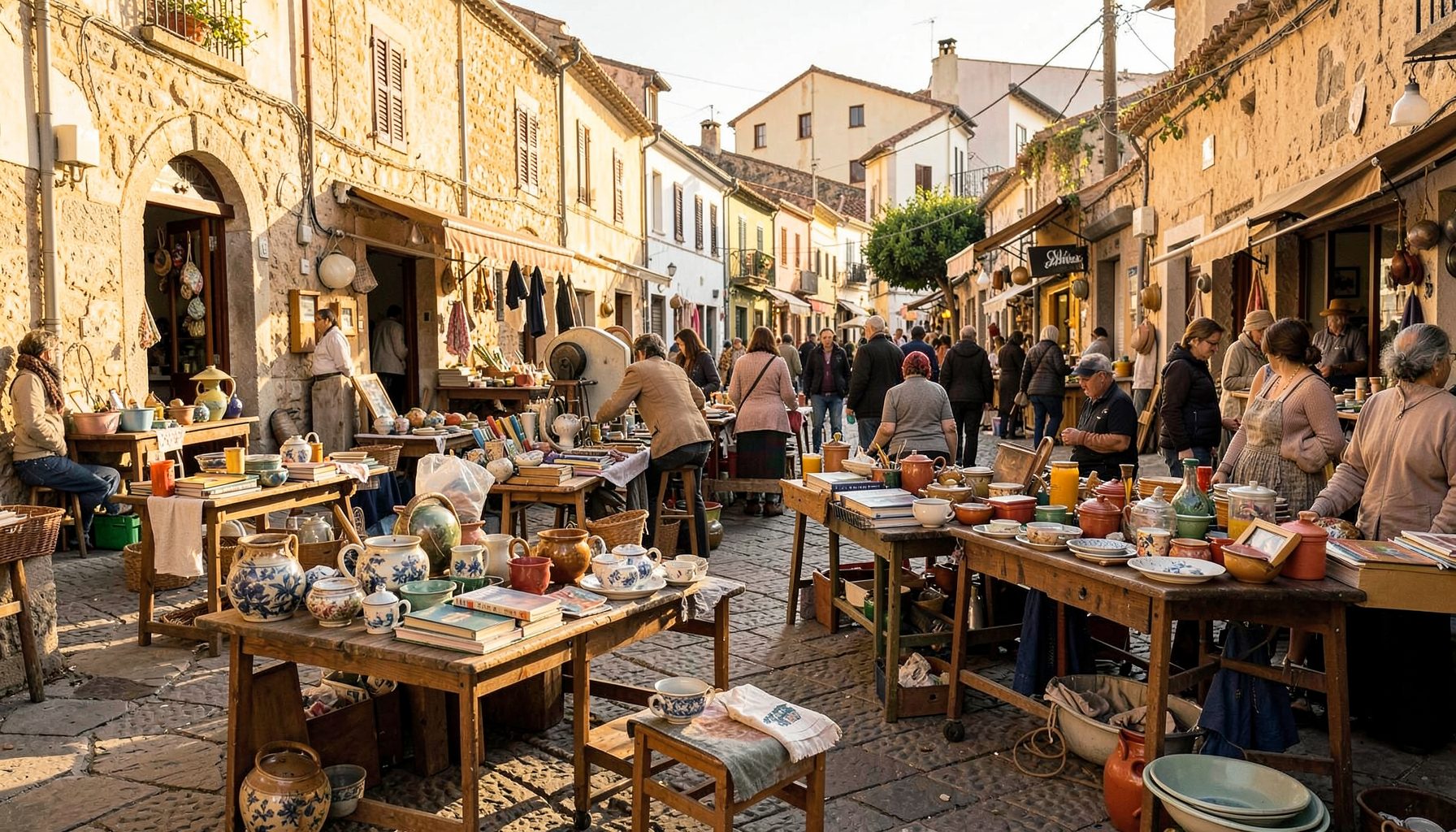
Browse local second-hand listings in the Agudo area. A convenient marketplace for buying and selling within the community.
Explore our directory of recommended links, including the Ayuntamiento de Ciudad Real, Lagunas de Ruidera, Parque de Cabañeros, Agudo Joven, and Balneario Cervantes.
Access practical tools including Prensa links, radio, horóscopo, Loterías results, a leisure guide, recipes, a dictionary, and Street View integration.

Watch videos showcasing Agudo and the surrounding region. A visual tour of local life, landscapes, and community events.