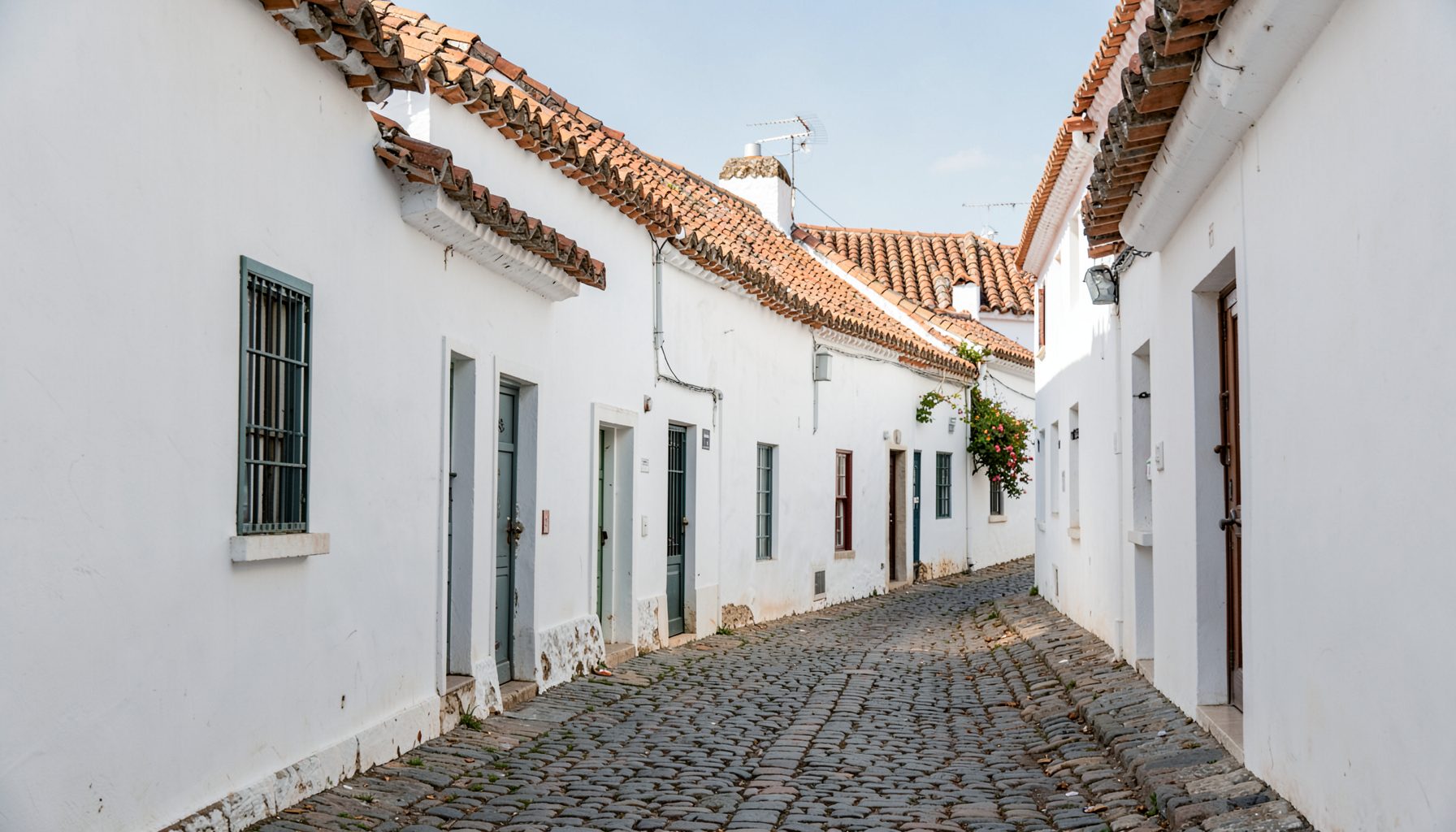

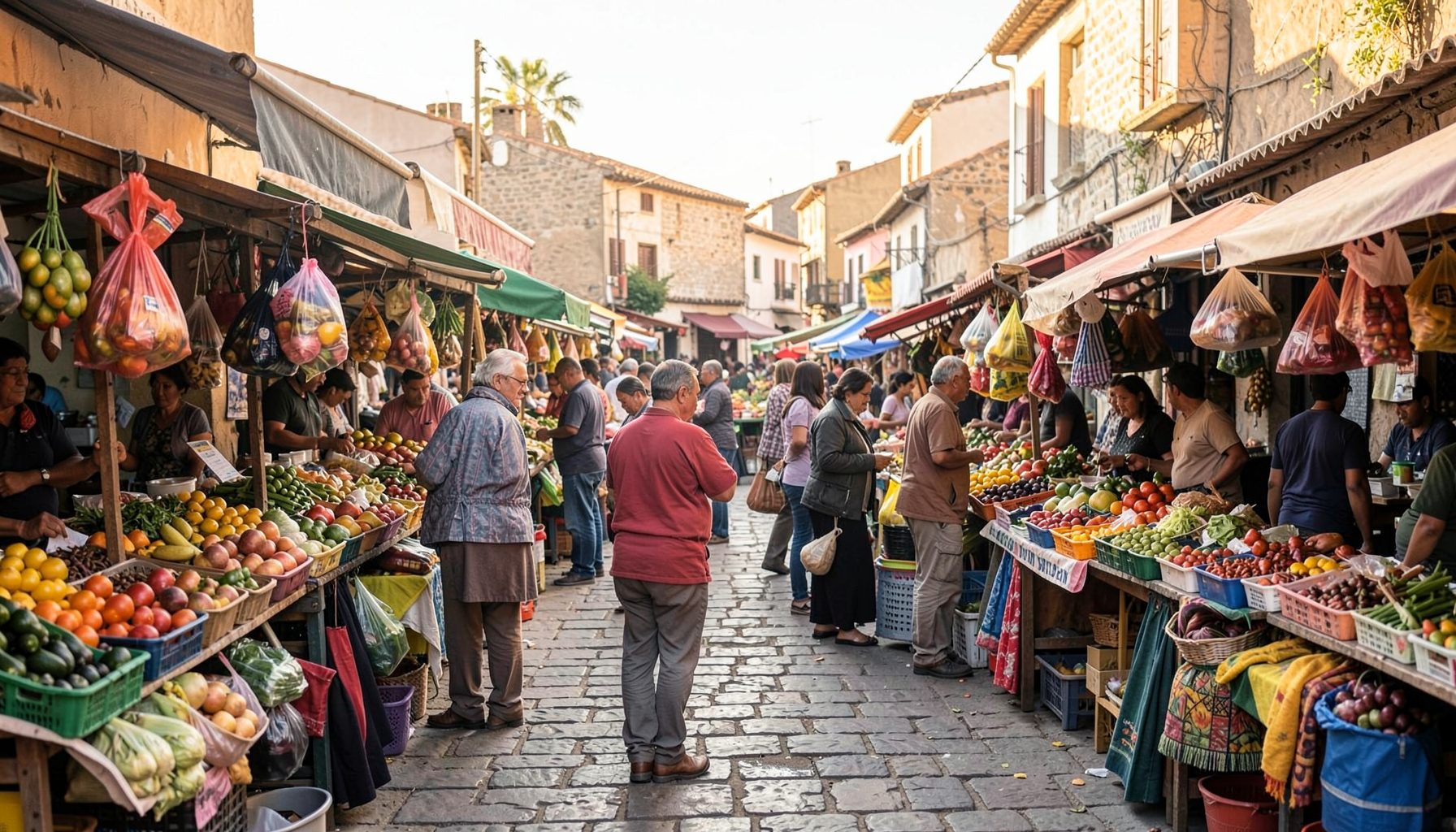
Stay informed with local news updates covering Agudo and the surrounding region. Browse the Hemeroteca for past articles and keep up with what matters in the community.
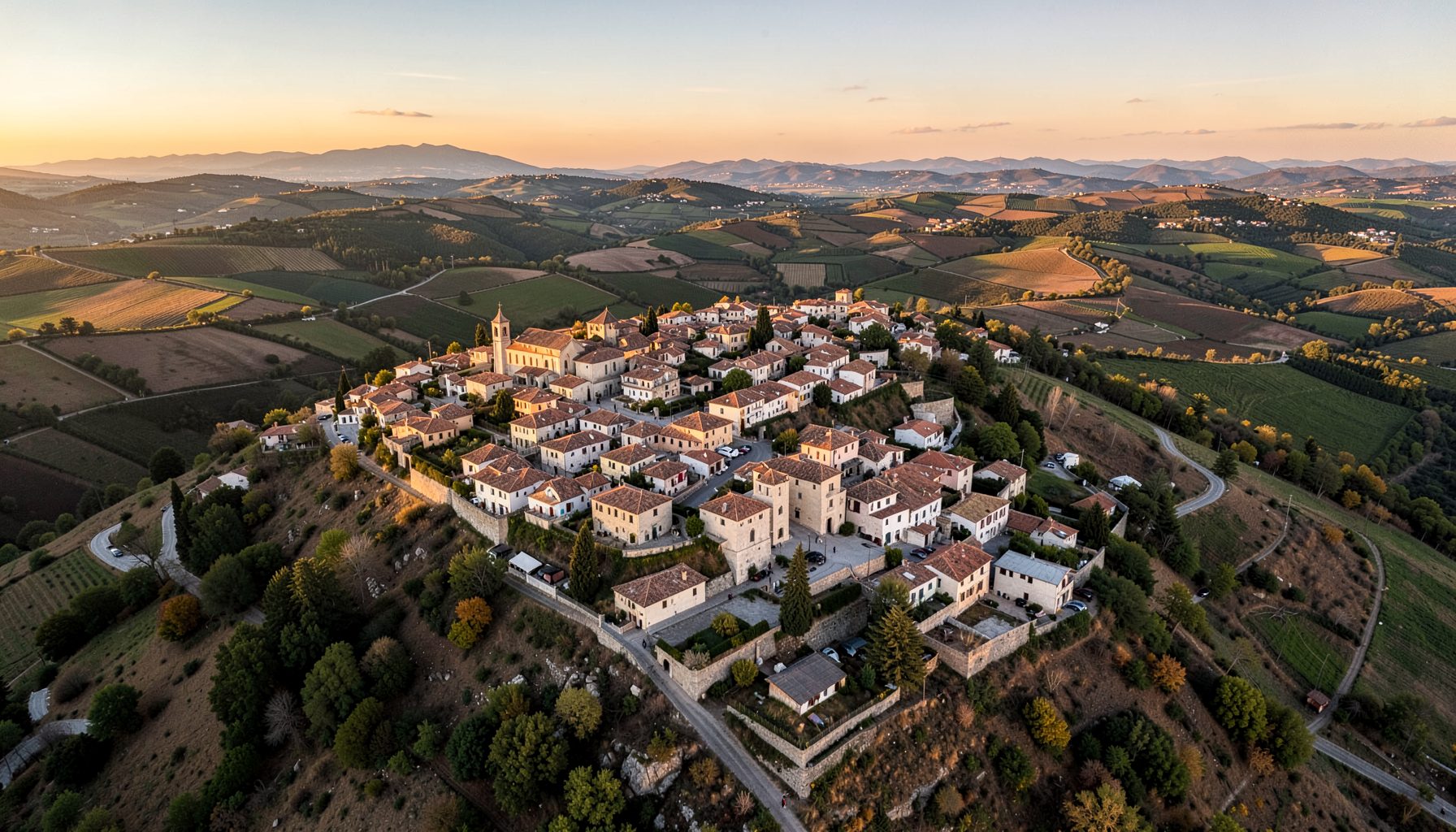
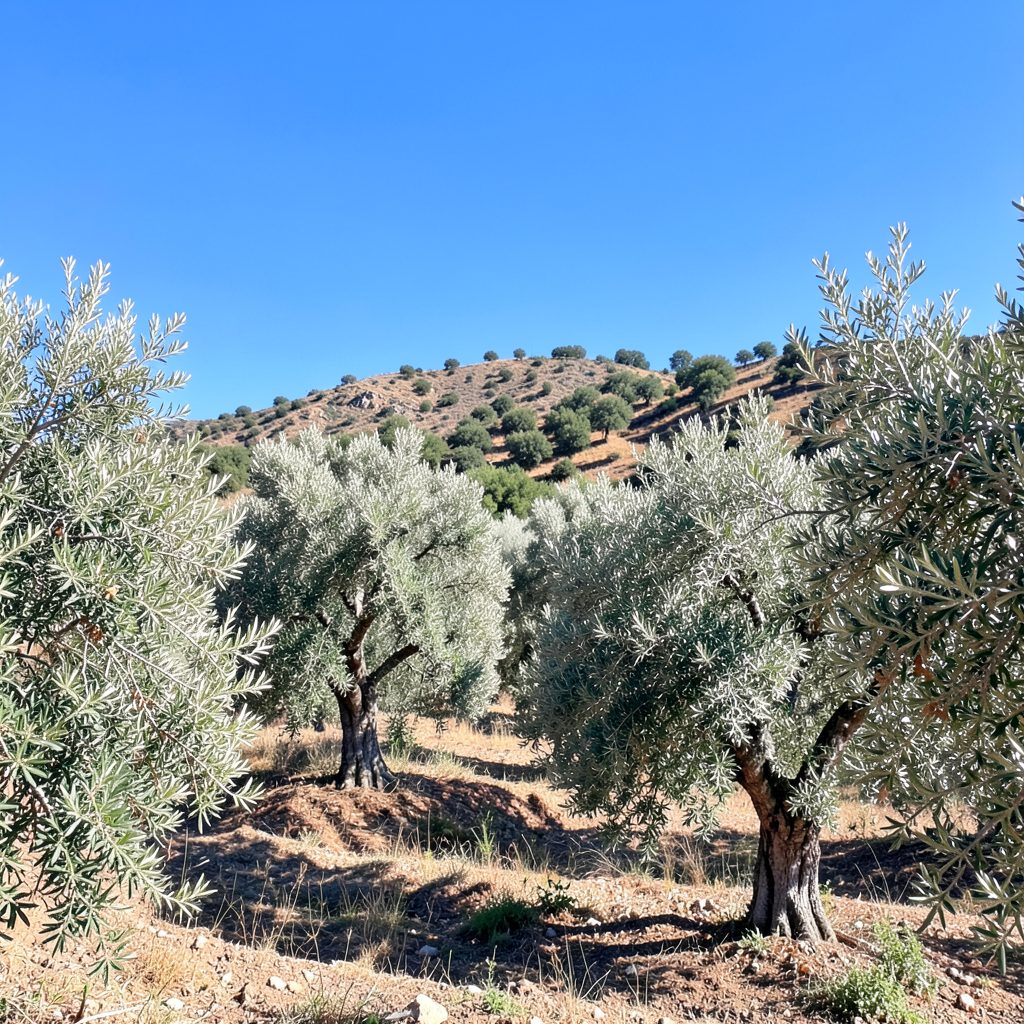
Almond growers in Agudo and nearby parts of Ciudad Real are assessing damage after an early-morning frost affected trees during the blossom period. Initial estimates put the average crop loss at around 20 percent, although the impact varies considerably between fields, varieties, elevations, and the stage of flowering when temperatures dropped.
The cold arrived at a sensitive point in the agricultural calendar. Almond flowers and newly formed fruit are vulnerable to freezing conditions, particularly when a mild spell has encouraged rapid development. Some orchards appear to have escaped with limited damage, while others show a marked reduction in viable blossoms and young fruit.
The incident is causing concern among farming families who depend on the almond harvest for seasonal income. It also highlights the increasing difficulty of planning agricultural work around abrupt temperature changes, with warm winter days followed by sharp overnight falls.
Almond trees can tolerate winter cold while dormant, but their resistance declines once buds open. Flowers contain delicate reproductive tissue, and temperatures near or below freezing can damage pollen, stigmas, and the small developing fruit behind the blossom. A few hours of cold at dawn may therefore affect the harvest several months later.
Growers in the Agudo area began examining trees after noticing browned petals, darkened flower centres, and blossoms that failed to develop. These signs do not always reveal the full extent of the loss immediately. Some damaged flowers may remain attached for days before falling, while other fruitlets may stop growing later in the season.
The timing of the frost is particularly important. Trees at full bloom or just after pollination are generally more exposed than those whose buds have not yet opened. Differences between north-facing and south-facing slopes, sheltered plots, and exposed rural areas can also create sharply contrasting results within the same municipality.
The provisional figure of 20 percent reflects a broad local estimate rather than an identical loss in every orchard. Some producers report light damage, while fields in colder hollows may have lost a much larger share of their flowers. Final calculations will depend on fruit set during the next few weeks and on whether surviving almonds continue developing normally.
Pollination conditions could also influence the final harvest. Cold weather reduces bee activity, slows pollen movement, and shortens the period in which flowers can be successfully fertilised. If frost is followed by wind or rain, the combined effect may be greater than the temperature reading alone suggests.
Agricultural technicians typically assess damage by sampling branches at different heights and in different parts of a field. Counting live flowers, fruitlets, and damaged growth gives growers a clearer picture than a visual inspection from the edge of an orchard. The results can guide decisions about irrigation, pruning, pest monitoring, and expected harvest volumes.
Minimum temperatures can vary significantly across the countryside surrounding Agudo. Cold air tends to settle in low-lying areas, while slopes with air movement may remain slightly warmer. A weather station in the town centre may therefore record conditions that do not fully reflect what occurred in a particular almond plot.
For this reason, growers increasingly compare official forecasts with their own thermometers and field observations. Recording the exact time of the lowest temperature, the duration of the cold, and the presence of wind or humidity can help explain differences between neighbouring farms.
Local weather information is also valuable for the wider community. Residents, livestock owners, gardeners, and people responsible for young olive or fruit trees may face similar risks when a cold front follows an unusually mild period. Agudo’s local information channels can help circulate alerts and observations quickly when conditions change.
| Factor | Lower-risk conditions | Higher-risk conditions |
|---|---|---|
| Tree development | Closed buds or late flowering | Full bloom or newly set fruit |
| Location | Sheltered slope with air movement | Low hollow where cold air settles |
| Night temperature | Brief, slightly below freezing | Several hours of intense frost |
| Weather after frost | Gradual warming | Wind, rain, or another cold night |
| Pollination | Active bees and stable weather | Cold, wet, or windy conditions |
| Expected effect | Limited blossom loss | Reduced fruit set and a smaller crop |
The next stage will involve regular inspections rather than immediate conclusions. Farmers are checking whether fruitlets remain firm, whether leaves show secondary damage, and whether unaffected flowers are continuing to attract pollinators. These observations will become more reliable as the trees move beyond flowering.
Irrigation decisions require particular care. Water stress can add to the effects of frost, but excessive watering is not a remedy for damaged blossoms and may create other problems. Growers are expected to follow soil conditions and crop advice, adjusting applications according to rainfall, tree age, and the condition of each parcel.
Producers are also reviewing their likely labour and storage needs. A smaller crop may reduce picking activity later in the year, but uneven damage can make harvesting less efficient because trees may mature at different rates. Buyers and cooperatives will gain a clearer picture once fruit set has stabilised.
The frost has renewed discussion about changing seasonal patterns in the Campo de Calatrava and other rural areas of the province. A warm spell can bring almond flowering forward, increasing exposure to a later cold snap. This does not mean every unusual frost has the same cause, but it does make traditional calendar-based planning less dependable.
Farmers are considering a range of protective and adaptive measures, including varieties with later flowering, improved local temperature monitoring, and orchard designs that reduce cold-air accumulation. In some locations, active frost protection may be possible, although its cost, water requirements, and practicality depend on the size and layout of the holding.
Agricultural risk is also linked to other emergencies affecting rural land. Residents following recent incidents can read the report on how the fire brigade responded to understand the importance of timely information and coordinated local action. Frost, drought, fire, and storms each require different responses, but all can affect farms beyond a single plot.
Growers cannot restore flowers already lost, but careful monitoring can protect the remaining crop and improve the accuracy of future estimates. Sharing observations through cooperatives and local agricultural networks may also help identify cold pockets and compare the performance of different almond varieties.
Useful measures include:
The estimated 20 percent reduction remains provisional, and the final outcome will depend on pollination, later weather, and the condition of surviving almonds. For now, the frost serves as an early warning for the agricultural season ahead: a few cold hours can influence household income, cooperative planning, and the character of the local harvest.
Agudo residents, growers, and former residents can follow local updates, share relevant observations, and consult the community information published through Agudo Ciudad Real as the assessment develops. Timely reports from the countryside will help build a clearer picture of the damage and keep the wider community connected to the people working its land.
Stay informed with local news updates covering Agudo and the surrounding region. Browse the Hemeroteca for past articles and keep up with what matters in the community.
Join the conversation in the Agudo community forums. Access the Foro antiguo archive and participate in discussions with fellow residents and visitors.
Browse local second-hand listings in the Agudo area. A convenient marketplace for buying and selling within the community.
Explore our directory of recommended links, including the Ayuntamiento de Ciudad Real, Lagunas de Ruidera, Parque de Cabañeros, Agudo Joven, and Balneario Cervantes.
Access practical tools including Prensa links, radio, horóscopo, Loterías results, a leisure guide, recipes, a dictionary, and Street View integration.
Watch videos showcasing Agudo and the surrounding region. A visual tour of local life, landscapes, and community events.